“How long will it take?” is one of the first questions in almost every CNC quote. The honest answer is that it depends on quantity, part complexity, material, surface finish and how complete the drawing is. But for most parts the range is predictable, and knowing what drives it helps you plan a project and avoid delays.
This guide gives typical CNC machining lead times from our own shop at SAMSHION, explains what adds time, and shows how to get parts faster when the schedule is tight.
Typical CNC Machining Lead Times at SAMSHION
Lead time is counted in working days from order confirmation, not including weekends or shipping. These are typical ranges for parts in common materials:
- Simple prototype, 1 part, no surface finish: from about 3 working days; very simple parts can be machined in 1 day when urgent.
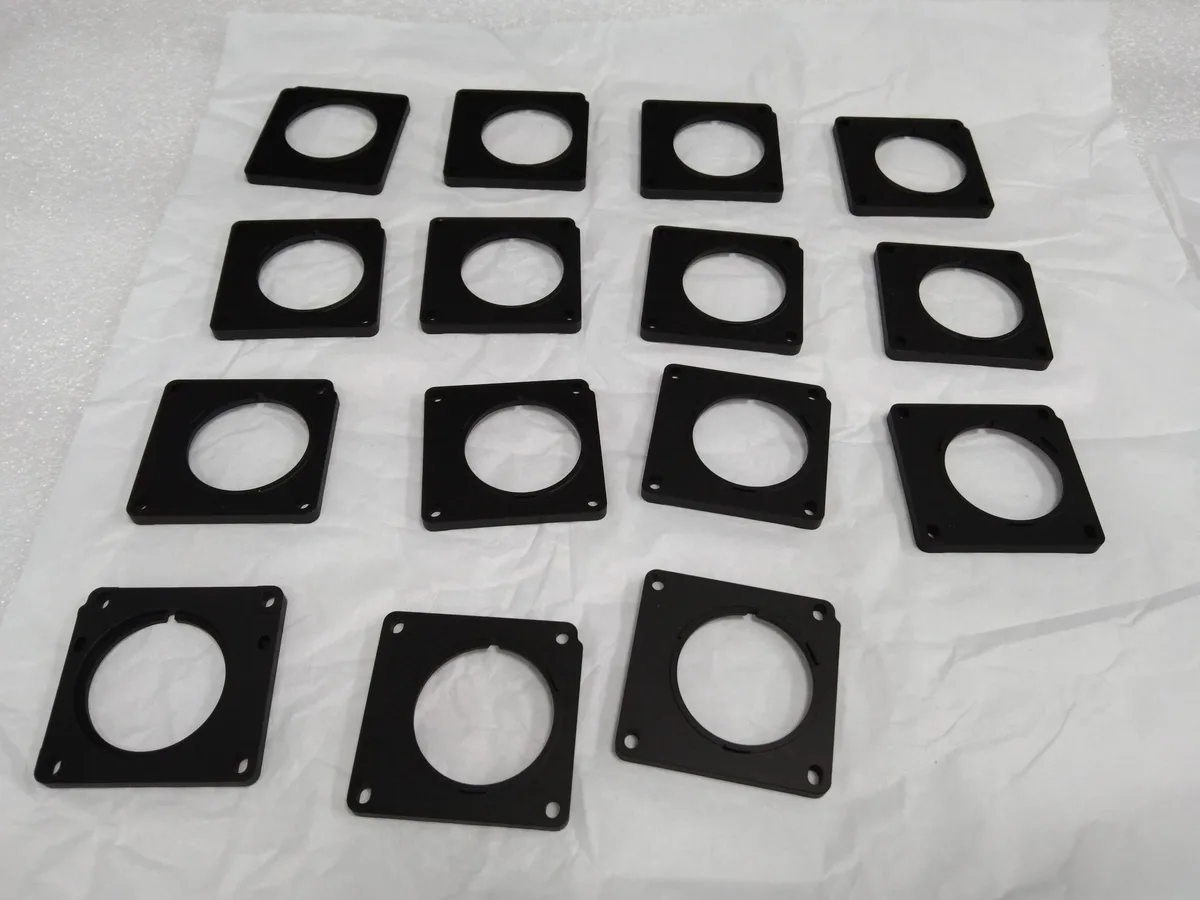
- Standard CNC prototypes: about 7 working days.
- Parts with anodizing or other standard finishes: add about 3 working days.
- 5-axis machined parts: about 10–15 working days, depending on complexity.
- Small batches of 10–500 parts: about 12–20 working days.
- Larger quantities: quoted per project; we also produce parts in the thousands.
Quotes are normally returned within 24 hours, so the first answer on timing comes quickly. Shipping by DHL or FedEx usually takes about 3 days to Europe and the USA.
What Happens During a CNC Lead Time
A CNC order is more than cutting time. A typical prototype order goes through these steps:
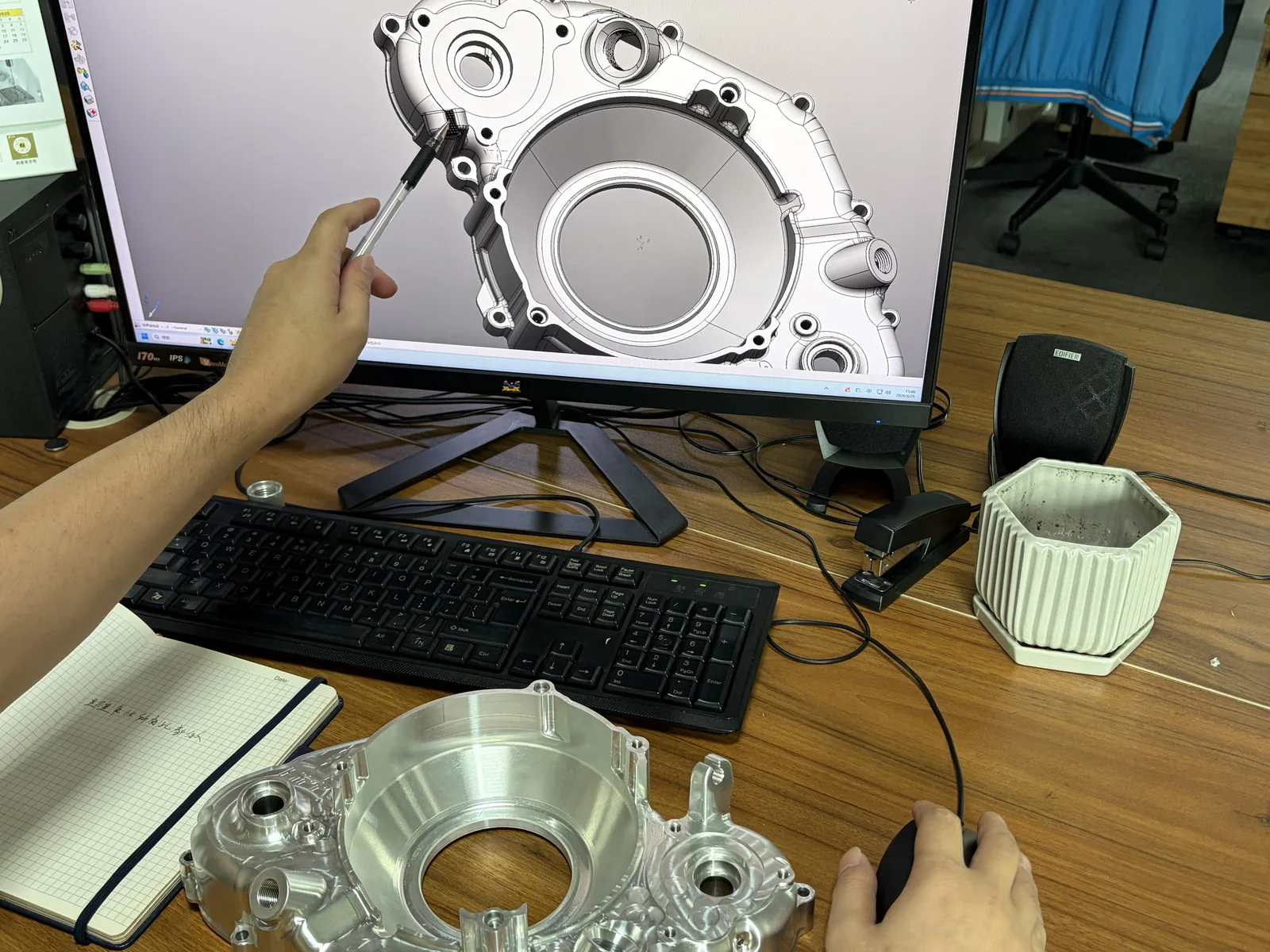
- Drawing review and DFM: engineers check the 3D model and 2D drawing, confirm material, tolerances and finish, and ask about anything unclear.
- Material preparation: common materials are in stock and can be cut the same day; special grades or sizes must be ordered.
- CAM programming: toolpaths are programmed and checked offline, so machines keep running while the next job is prepared.
- Fixturing and machining: one or more setups, depending on how many faces need machining.
- Deburring and finishing: edge breaks, bead blasting, anodizing or plating as specified.
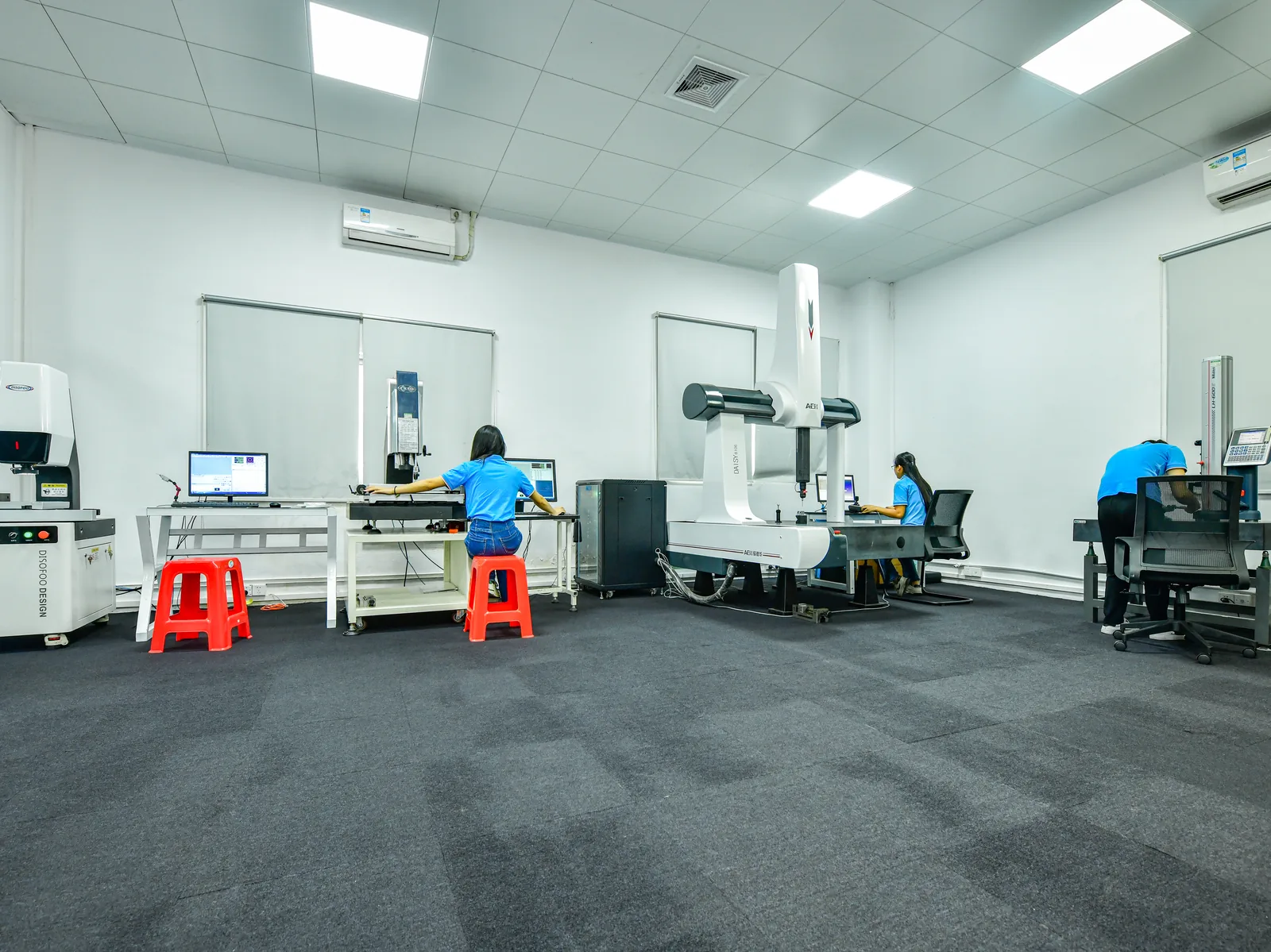
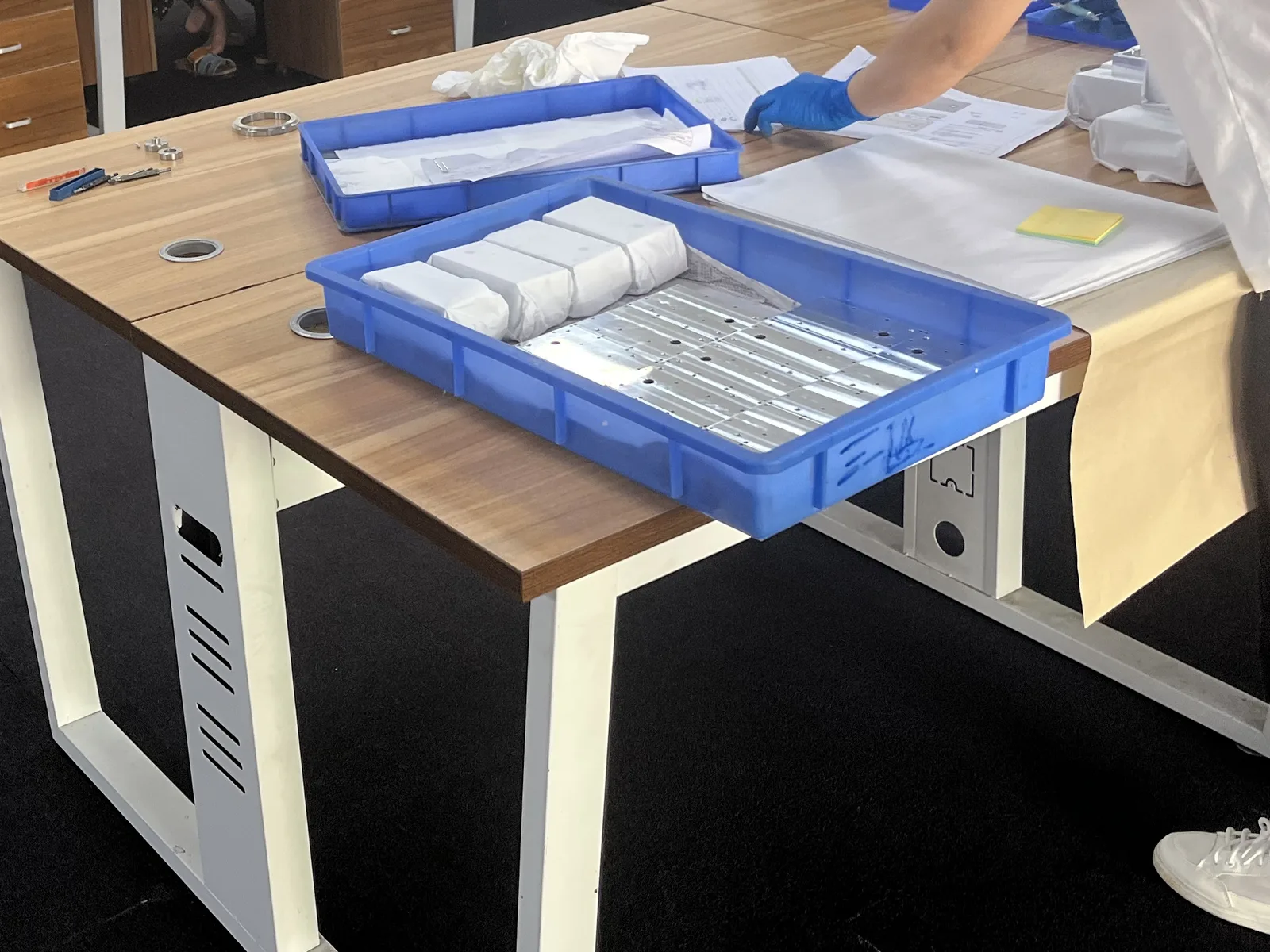
- Inspection: every order ships with a full dimensional inspection report and material certificates.
- Packing and shipping.
How We Keep Delivery Dates at SAMSHION
A quoted date is only useful if it is met. These are the practical things that keep our CNC lead times reliable:
- Capacity: 137 CNC machines in our own shop, including 3-axis, 4-axis, 3+2 and simultaneous five-axis machines and mill-turn centers, so urgent jobs can be spread across several machines.
- Materials in stock: common aluminum, stainless steel, steel, brass, copper and engineering plastics are kept on hand.
- Offline programming: CAM programs are prepared while machines are still running the previous job.
- Night shift: long, proven jobs run on a supervised night shift.
- Zero-point fixtures and on-machine probing: shorter setups and fewer re-measurements.
- Early questions: unclear drawing details are raised at quotation, not after machining has started.
- Inspection before shipping: parts are measured before they leave, so a problem is not discovered after a week in transit.
If a date is at risk, for example because a finishing partner is delayed, we tell you as soon as we know so you can plan around it. Read more about how we handle batch production and repeat orders.
How to Estimate CNC Machining Time
Buyers often confuse machining time with lead time. Machining time is how long the part spends on the machine. Lead time is everything from order to shipment, including the time the part waits for material, programming, a free machine, finishing and inspection. For prototypes, machining time is usually a small part of the total lead time.
The basic formula
A simple way to estimate machining time for a batch is:
Total machining time = setup time + (cycle time per part × quantity)
- Setup time covers fixturing, loading tools, setting work offsets and checking the first part. It is paid once per setup, and a part with features on several faces may need two to five setups on a 3-axis machine.
- Cycle time is the time the machine actually cuts one part: roughing, finishing, drilling, tapping and tool changes.
What drives cycle time
- Volume of material removed: a part milled from a solid block that removes most of the material takes much longer than a thin plate with a few holes.
- Material removal rate: aluminum can be cut several times faster than stainless steel or titanium with the same tool.
- Finishing passes: tight tolerances and fine surface finishes need slower, lighter finishing passes.
- Small tools: small internal radii, narrow slots and fine threads need small tools that must run gently.
- Number of features: every hole, thread and pocket adds tool changes and toolpath time.
A worked example
The numbers below are illustrative, to show how the formula works rather than to quote a specific part. Imagine an aluminum housing machined on two faces:
- Setup: 2 setups × 45 minutes = 90 minutes
- Cycle time: 25 minutes per part (both setups combined)
- 1 part: 90 + 25 = about 2 hours on the machine
- 20 parts: 90 + 25 × 20 = about 10 hours on the machine
Even the 20-part batch needs only a little more than one shift of machine time. The lead time of about a week comes from everything around it: drawing review, material, programming, scheduling, deburring, inspection and packing, plus finishing if required. This is why reducing setups, choosing stocked materials and simplifying finishing often shortens delivery more than faster cutting does.
Why the same part can have different lead times from different shops
- How busy the shop is when the order arrives
- Whether the material is in stock
- How many machines can run the job in parallel
- Whether finishing is in-house or done by partners
- Whether programs and fixtures already exist from a previous order
For prototypes, ask your supplier for a dated delivery that includes finishing and inspection, not only a machining time estimate. Our guide to comparing CNC quotes shows what else to check.
What Makes CNC Lead Time Longer
1. Surface finishing done by partners
Anodizing, plating, powder coating and similar finishes are done by approved finishing partners. Each outside step adds transport and processing time, usually about 3 working days for standard anodizing. See aluminum anodizing for CNC parts.
2. Material that is not in stock
Common grades such as 6061 and 7075 aluminum, 303 and 304 stainless steel, carbon steel, brass, copper, POM, nylon, PC, ABS and PEEK are normally available. Unusual alloys, large blocks or certified material from a specific mill can add days or weeks.
3. Complex geometry and many setups
Parts with features on many faces, deep pockets, small internal radii or thin walls need more programming, more setups and slower cutting. Five-axis parts take longer to program and prove out. See 5-axis machining limits.
4. Tight tolerances on many features
Holding ±0.01 mm on one bore is routine; holding it on every feature means slower finishing passes and more inspection time. Our default general tolerance is ISO 2768-mK, with tight tolerances applied only where the drawing requires them.
5. Design changes during production
A revised drawing after machining has started usually means re-programming, sometimes new material, and a new schedule. See how we handle prototype design changes.
6. Incomplete or unclear drawings
Missing tolerances, thread specifications or finish requirements lead to questions before machining can start. Every day spent clarifying is a day added to delivery.
How Material Affects Lead Time
The same part can take noticeably longer in one material than another, because cutting speed, tool wear and finishing options change:
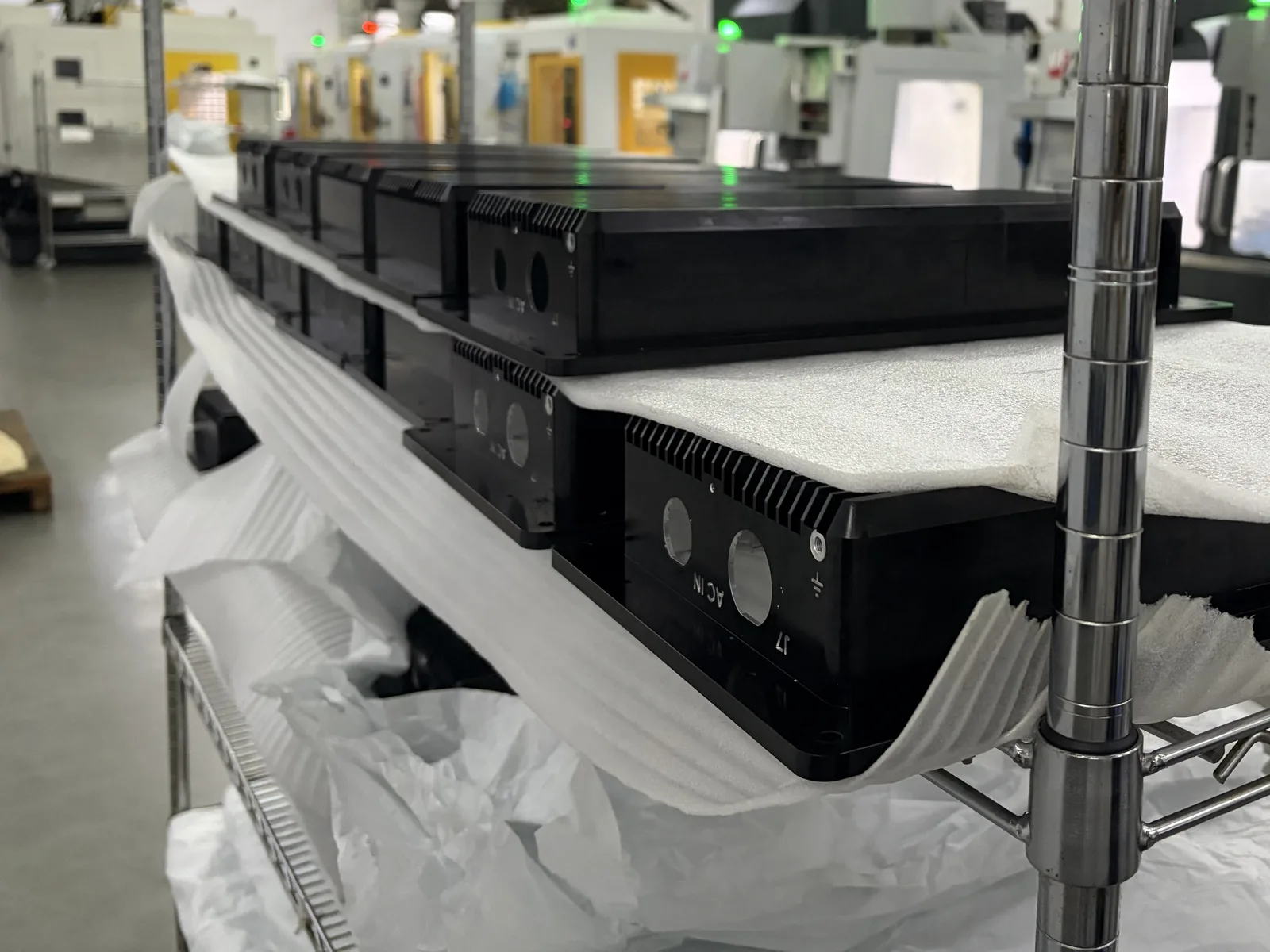
- Aluminum (6061, 7075): the fastest common metal to machine. Most of our quick-turn prototypes are aluminum.
- Brass and copper: machine quickly, though copper needs sharp tools to avoid burrs.
- Stainless steel (303, 304, 316): slower cutting and more tool wear; 303 is the fastest of the three. See 304 stainless steel machining.
- Tool steels and hardened parts: often need machining before heat treatment and finishing afterwards, which adds steps and outside processing time.
- Titanium: low cutting speeds and careful threading make machining time much longer than aluminum.
- Engineering plastics (POM, nylon, PC, PEEK): machine quickly, but thin walls and tight tolerances need light cuts and parts may need to settle before final measurement. See PEEK machining.
How Part Size and Quantity Affect Lead Time
Larger parts need bigger machines, longer cycle times and more careful fixturing. Our 3-axis machines handle parts up to 1500 × 800 × 800 mm, five-axis machines up to 1016 × 635 × 635 mm, and turning up to Ø350 mm by 1000 mm long. Parts near these limits take longer to schedule and set up.
Quantity changes lead time less than many buyers expect. Programming, fixturing and first-part inspection take roughly the same time for 1 part or 50, so a batch of 20 often takes only a little longer than a single prototype. Above a few hundred parts, machine time per part becomes the main factor, and we may run the job on several machines in parallel.
Typical Scenarios
These examples show how the same shop can quote very different lead times:
- One aluminum bracket, as-machined, simple 3-axis features: from about 3 working days, or faster when urgent.
- Five aluminum housings with black anodizing and threaded holes: about 7 working days for machining plus about 3 working days for anodizing.
- A complex 5-axis part with features on many faces: about 10–15 working days.
- 200 stainless steel shafts with passivation: within the 12–20 working day range for small batches, depending on turning time per part and the finishing schedule.
- A PEEK part in an unusual stock size: extra days for ordering material before machining can start.
Questions to Ask About Lead Time
- Is the lead time counted from order confirmation or from drawing approval?
- Does it include surface finishing and inspection, or only machining?
- Are weekends and holidays counted?
- Is the material in stock?
- What happens to the date if the drawing changes?
- Is there an expedited option, and what does it cost?
- How will the parts be shipped, and how long does shipping take?
Clear answers to these questions avoid the most common misunderstanding: a supplier quoting “5 days” for machining only, while the parts actually arrive two weeks later after finishing and shipping.
How to Get CNC Parts Faster
- Send a complete package: 3D model (STEP), 2D drawing with critical dimensions and tolerances, material, finish and quantity.
- Choose a common material that is in stock.
- Skip or simplify finishing for first prototypes, for example as-machined or bead blasted instead of anodized.
- Relax non-critical tolerances and add internal corner radii where possible.
- Split urgent and non-urgent parts: get one or two prototypes quickly and the rest of the batch later.
- Freeze the design before ordering, or tell us if changes are likely.
- Ask for expedited production when the date is fixed.
How Expedited CNC Machining Works
For urgent orders we can split the work across several machines at the same time and use our supervised night shift. A simple part with no finish can sometimes be machined in 1 working day. For example, a customer needed a 6061 aluminum bracket for a trade show; with no surface finish required, it was machined in 1 day. Expediting may involve an extra charge depending on how much machine and labor time is reserved. See rapid CNC prototyping.
Common Lead Time Mistakes Buyers Make
- Comparing machining-only quotes with door-to-door quotes. One supplier quotes 5 days for machining; another quotes 10 days including anodizing and inspection. The second may actually be faster.
- Ordering before the design is frozen. A change after machining starts can add more time than waiting a day to finalize the drawing.
- Specifying a special material for a first prototype when a stocked grade would answer the same question.
- Applying tight tolerances everywhere, which slows machining and inspection without improving the part.
- Forgetting holidays. Long public holidays such as the Lunar New Year affect manufacturers and finishing partners for one to two weeks; plan important orders around them.
- Not mentioning a fixed deadline. If the parts are for a trade show, a launch or a customer test, say so at quotation so the schedule can be planned around it.
Lead Time and Cost
Faster is not always more expensive, but the fastest option usually is. Expedited orders reserve machines and labor ahead of other work, so they may carry an extra charge. On the other hand, simplifying the part to shorten lead time, for example by relaxing tolerances, removing a finish or choosing a stocked material, often reduces cost at the same time. See our CNC machining cost guide and common CNC inefficiencies.
CNC Lead Time vs Other Processes
- CNC machining: no tooling, so parts can start as soon as the drawing is clear. Best for prototypes and small batches.
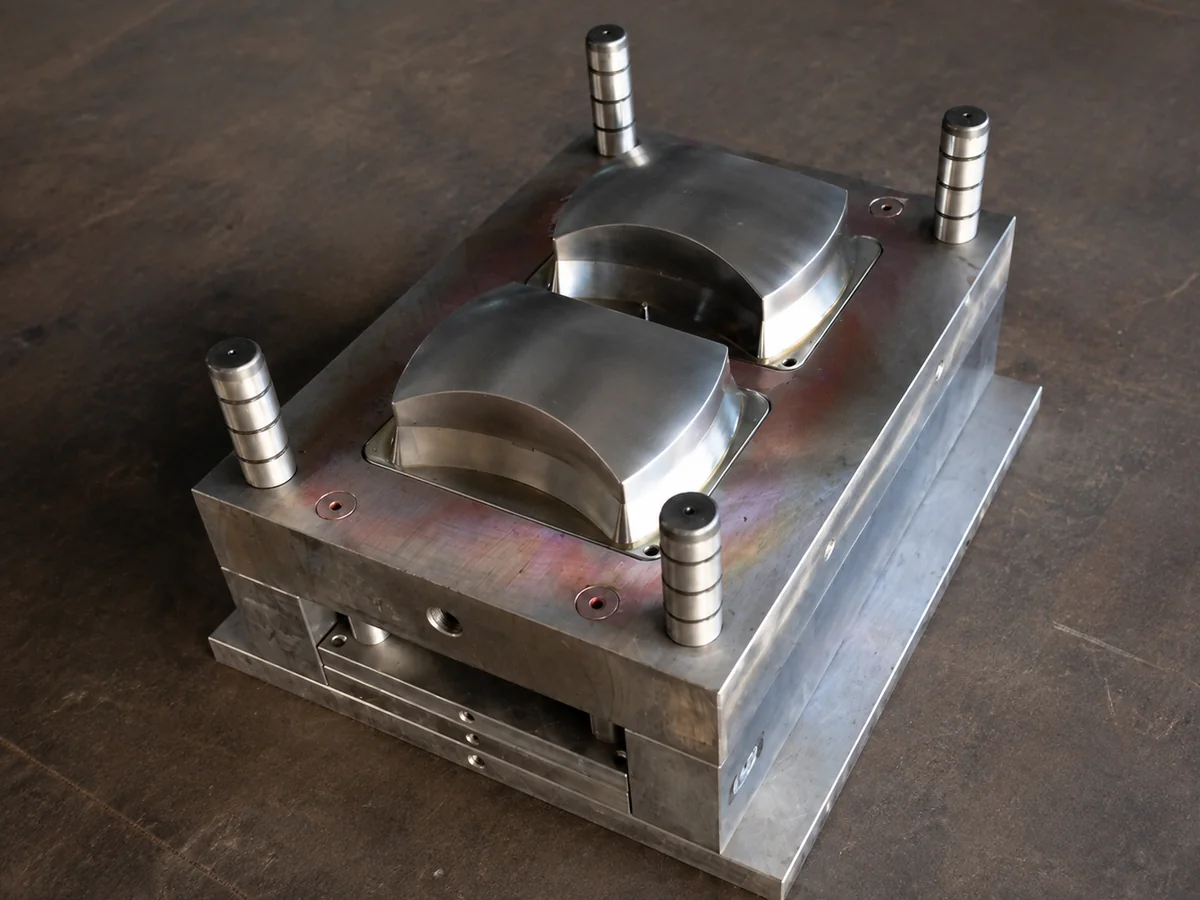
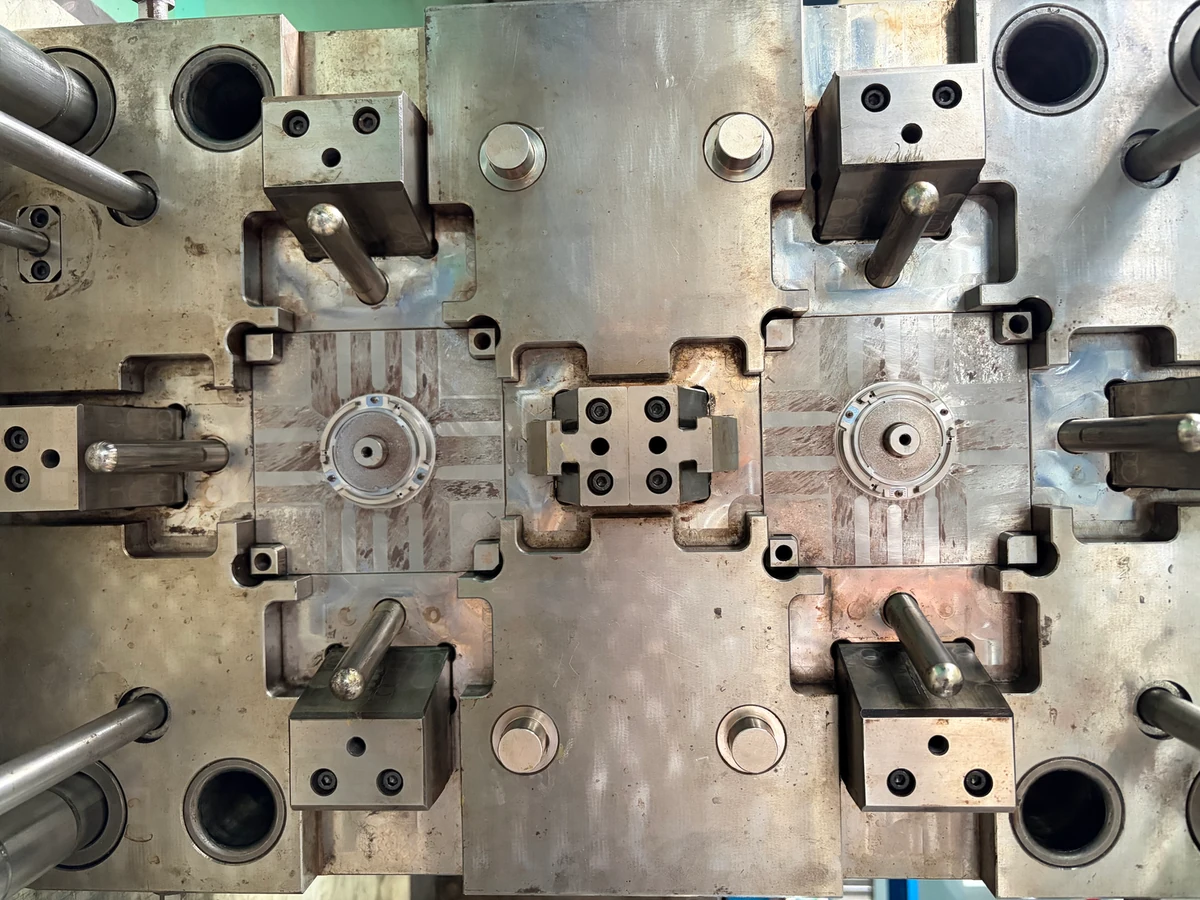
- Injection molding: the mold comes first. A P20 rapid mold typically reaches T1 samples in about 15 working days, and an S136 production mold in about 4 weeks. See how long it takes to make an injection mold.
- Vacuum casting: about 10 days for a batch of urethane parts from a master model. See vacuum casting.
- Sheet metal: laser cutting only takes about 1 working day; cut-and-bent prototypes about 3–7 working days.
Frequently Asked Questions
How long does CNC machining take?
For a standard CNC prototype, about 7 working days. Simple parts can ship in as little as 3 working days, and batches of 10–500 parts typically take 12–20 working days.
Does anodizing add time?
Yes. Standard anodizing usually adds about 3 working days, because it is done by a finishing partner after machining.
Can CNC parts be made in 1 day?
Sometimes. A simple part in a common material with no surface finish can occasionally be machined in 1 working day when it is urgent.
Do you count shipping in the lead time?
No. The lead time is for manufacturing, finishing and inspection. Shipping by DHL or FedEx is added on top and usually takes about 3 days to Europe and the USA.
Is lead time shorter for repeat orders?
Often yes, because the program and fixture already exist and the drawing has been approved. We still check the drawing revision and inspect the first part of every repeat run.
How is CNC machining time calculated?
Machining time is roughly the setup time plus the cycle time per part multiplied by the quantity. Lead time adds material, programming, finishing, inspection and scheduling on top of the machining time.
When does the lead time start?
From order confirmation, once the drawing and requirements are agreed. Weekends are not counted. Send your files through our quote page to get a lead time for your parts, or see our CNC machining services.