
Custom Sheet Metal Fabrication Services
Custom brackets, panels, enclosures and welded assemblies for prototypes, low-volume batches and repeat production. SAMSHION coordinates fabrication, finishing and inspection around your drawings and project requirements.
- Laser cutting, CNC bending, punching, stamping and welding
- Steel, stainless steel, aluminum and selected copper alloys
- Hardware installation, finishing and assembly support
- Inspection focused on critical dimensions and functional interfaces
From Flat Sheet to Finished Assemblies
SAMSHION manufactures sheet metal brackets, panels, enclosures and assemblies from steel, stainless steel and aluminum. We select the fabrication route around your material, geometry, quantity, finish and assembly requirements.
Before production, we review how cutting, bending, joining and finishing work together. The review considers tooling access, mounting-hole alignment, hardware locations, weld requirements and surfaces that need protection during finishing.
Explore our sheet metal workshop guide for a closer look at the equipment and manufacturing workflow. Project-specific tolerances and any additional inspection documentation are agreed during quotation.
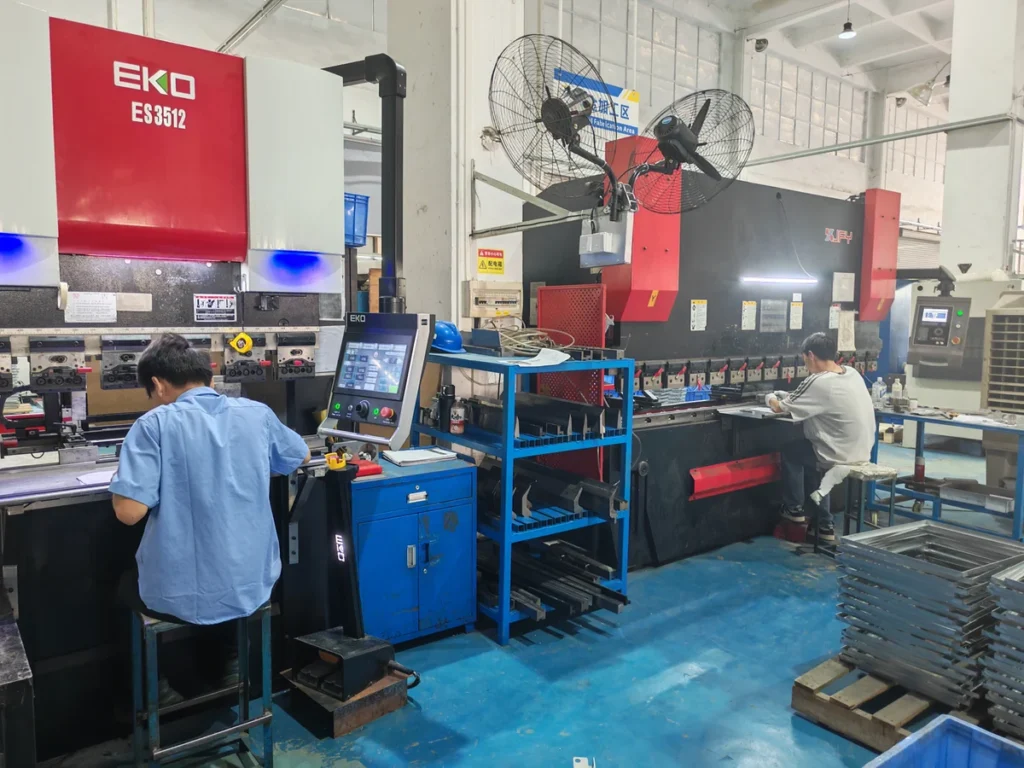
Sheet Metal Fabrication Capabilities
Explore our laser cutting, CNC bending and metal stamping services for custom sheet metal parts. Welding, hardware installation and surface finishing are available as part of the agreed manufacturing scope.
Laser Cutting
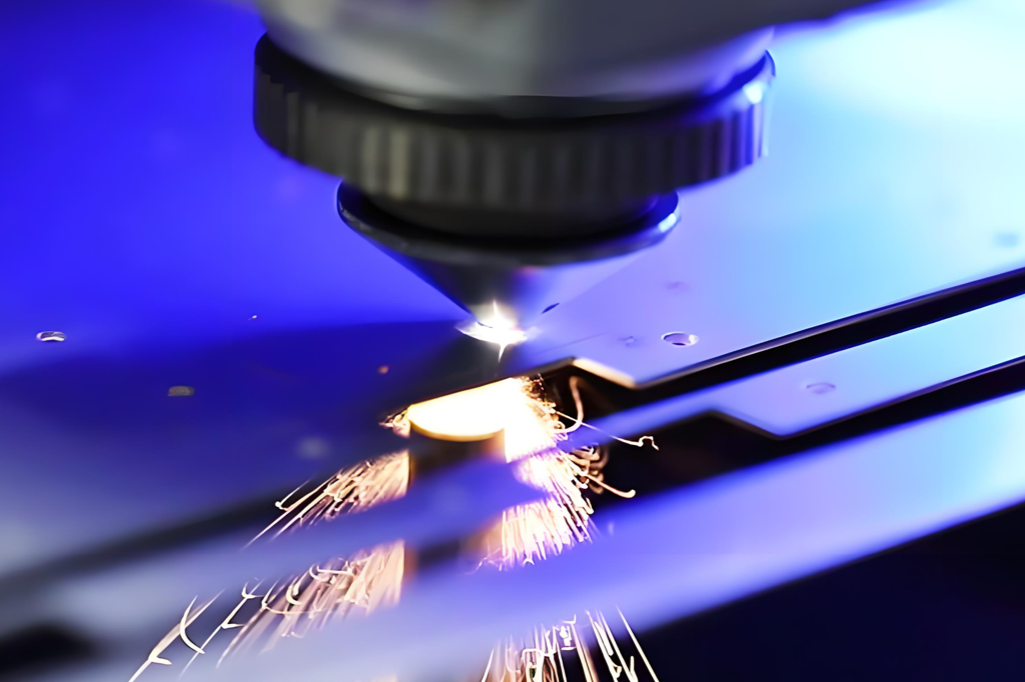
Laser-cut profiles, holes, slots and flat blanks for custom sheet metal parts. Material, thickness and feature requirements are reviewed before cutting.
CNC Press Brake Bending
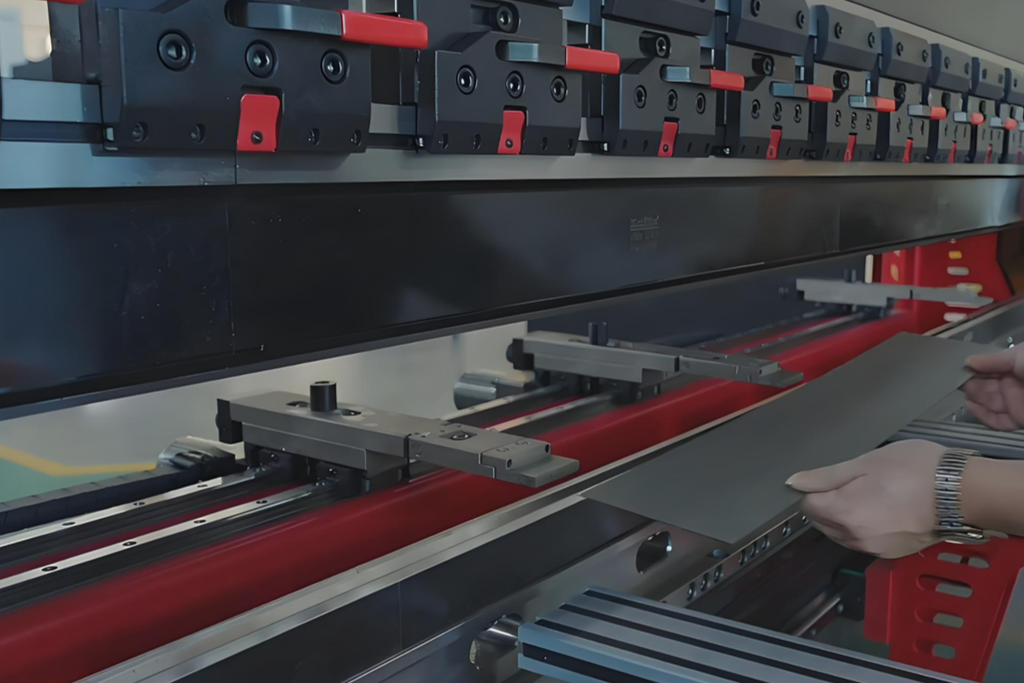
Form brackets, channels, panels and enclosures from flat blanks. Bend geometry, tooling access and assembly dimensions are reviewed before forming.
Metal Stamping and Punching
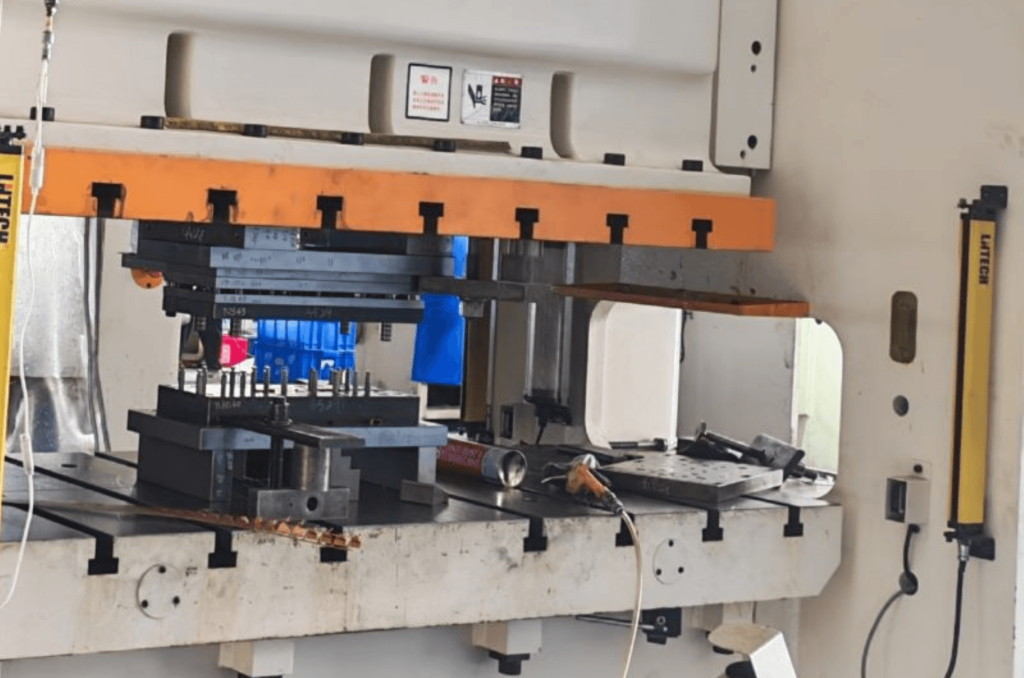
Produce punched features and stamped parts using tooling selected for the geometry and order quantity. Tooling requirements are assessed during quotation.
Sheet Metal Fabrication Specifications
Review our commonly processed materials, thickness ranges, cutting size, bending capacity and inspection documentation. Final feasibility is confirmed against your drawings, material specification, part geometry and finishing requirements.
Materials, Processes and Inspection
The listed thickness ranges, sheet size and bending length do not apply simultaneously to every part. Feasibility depends on material, geometry, tooling and the manufacturing route. Copper and brass thicknesses, critical tolerances and special forming requirements are reviewed individually.
Why Choose SAMSHION for Sheet Metal Fabrication?
Coordinated Fabrication and Finishing
Cutting, bending, joining, hardware installation and finishing are planned around the same drawing and assembly requirements. This helps keep the manufacturing scope clear from quotation through final inspection.
DFM Review Before Production
Your drawings are reviewed for manufacturing and assembly concerns before production. The review covers bend geometry, tooling access, hardware locations, weld requirements and finishing needs, with questions raised for clarification.
No Minimum Order Quantity
Order a single part, a prototype batch or parts for repeat production. The manufacturing route is reviewed against your quantity and requirements, including any tooling or fixture needs.
Inspection Reports Included
Dimensional and visual inspection reports are provided as standard. Material reports, CMM inspection reports and other project-specific records can be requested during quotation.
Sheet Metal Prototypes and Repeat Production
Whether you need a first sample, a limited batch or repeat deliveries, the purpose of the order changes as your project develops. We support each stage without a minimum order quantity.
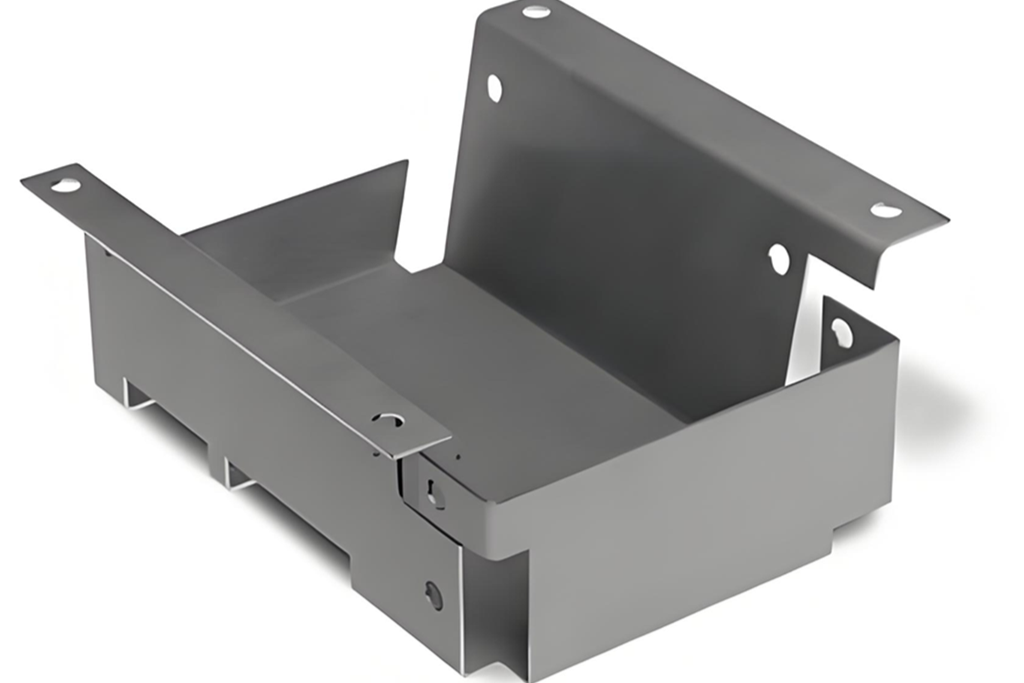
Rapid Prototypes
Use an initial sample to check installation space, mounting-hole alignment and access for assembly. Resolve design changes before ordering more parts.
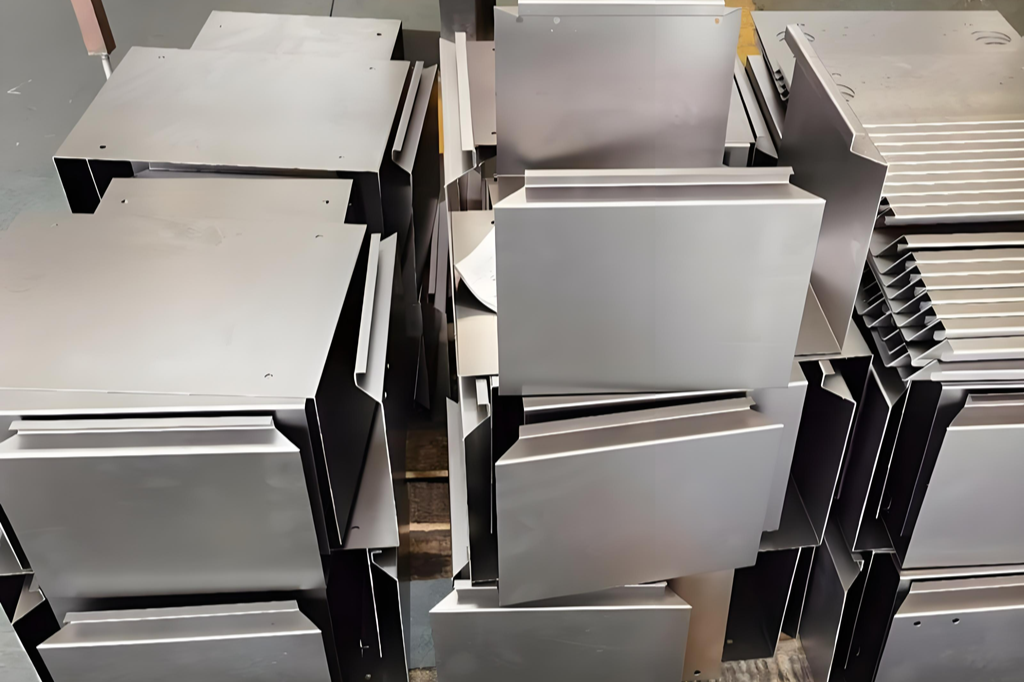
Low-Volume Manufacturing
Order limited quantities for pilot builds, custom equipment or replacement parts. This supports projects that need finished components without committing to a large stockholding.
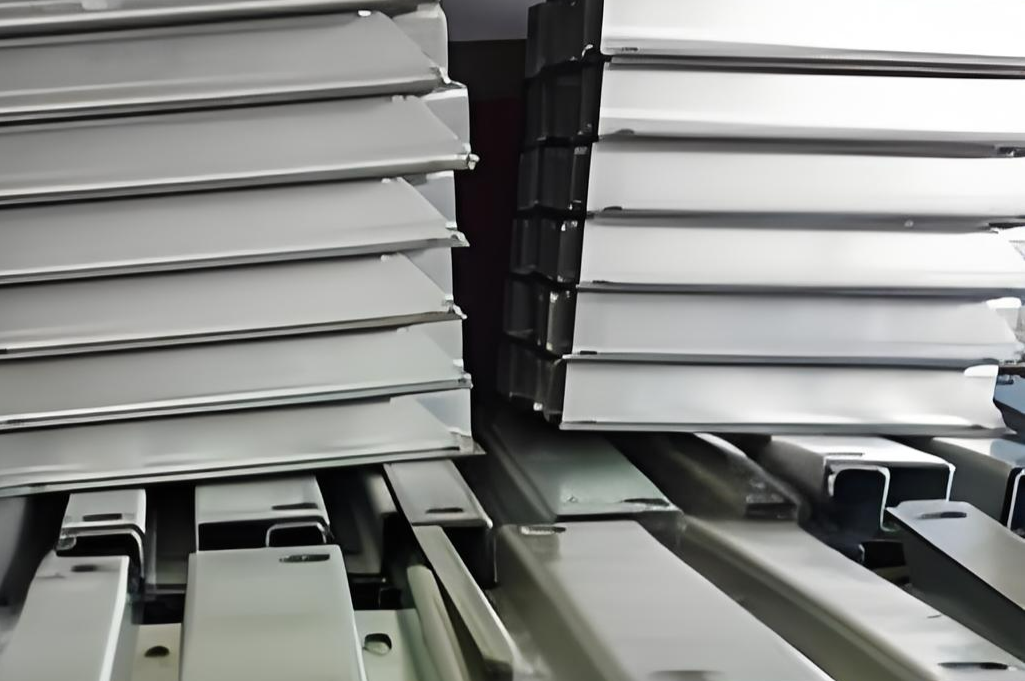
Repeat Production
Reorder established parts for ongoing equipment builds or replenishment. Reference the approved drawing revision and identify any changes since the previous order.
How to Order Custom Sheet Metal Parts
Submit Your Project
Send your drawings, required quantity and target delivery date. Include any special requirements that may affect the quotation.
Resolve Technical Questions
Discuss any unclear dimensions, drawing conflicts or proposed changes with our team. Confirm the agreed requirements before moving forward.
Approve the Quotation
Review the price, delivery scope and any tooling or additional services included. Confirm the quotation and approved drawing revision before production.
Production and Delivery
Your order proceeds through fabrication and final checks. Completed parts are then prepared for shipment according to the agreed delivery arrangements.
How Does Sheet Metal Fabrication Work?
A typical fabrication route moves from flat-pattern preparation to cutting, forming, joining and finishing. The operations and their sequence depend on the part; not every component requires welding, installed hardware or a surface coating.
Flat-Pattern Preparation
Prepare the flat profiles and cutting layout from the approved part drawings. Account for bends and part orientation so the blanks are ready for subsequent forming operations.
Cutting and Edge Preparation
Cut or punch the outer profiles, holes and slots. Remove burrs and address sharp edges as specified before the parts move to forming or assembly.
Bending and Forming
Form the blanks into brackets, panels, channels or enclosures using suitable tooling. Follow the bending sequence and check the resulting angles and formed dimensions.
Joining and Hardware Installation
Connect components using the specified welds, rivets or other fasteners. Install nuts, studs and standoffs where required, checking their positions against the assembly drawing.
Surface Finishing
Apply powder coating or another approved finish after the required surface preparation. Protect designated areas and follow the specified color, texture and appearance requirements.
Final Inspection and Packing
Check finished dimensions and appearance, then prepare the parts for shipment with suitable protection. Dimensional and visual inspection reports are included; additional records are supplied as agreed.
Materials for Sheet Metal Fabrication
Choose sheet metal around the part’s weight, exposure conditions, forming needs and electrical or appearance requirements. The notes below explain common selection considerations; available grades and thickness ranges are listed in the specifications section above.
Aluminum
Consider aluminum when reducing enclosure or cover weight is a priority. Alloy 5052 is commonly used for formed sheet metal parts because of its workability and corrosion resistance. Specify the alloy and temper rather than requesting aluminum alone.
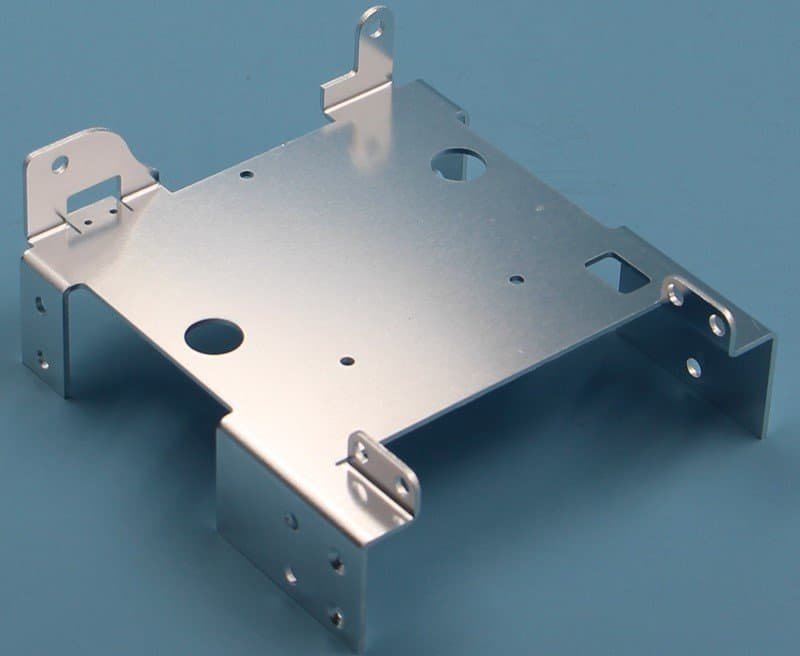
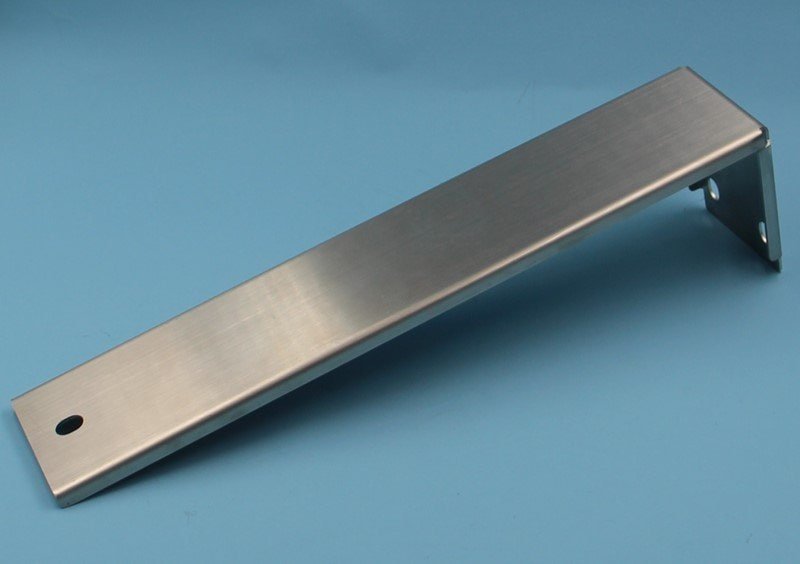
Stainless Steel
Consider stainless steel where corrosion resistance and cleanability are important. Select the grade for the actual environment, including moisture, salts and cleaning chemicals. A stainless designation alone does not guarantee suitability for every exposure condition.
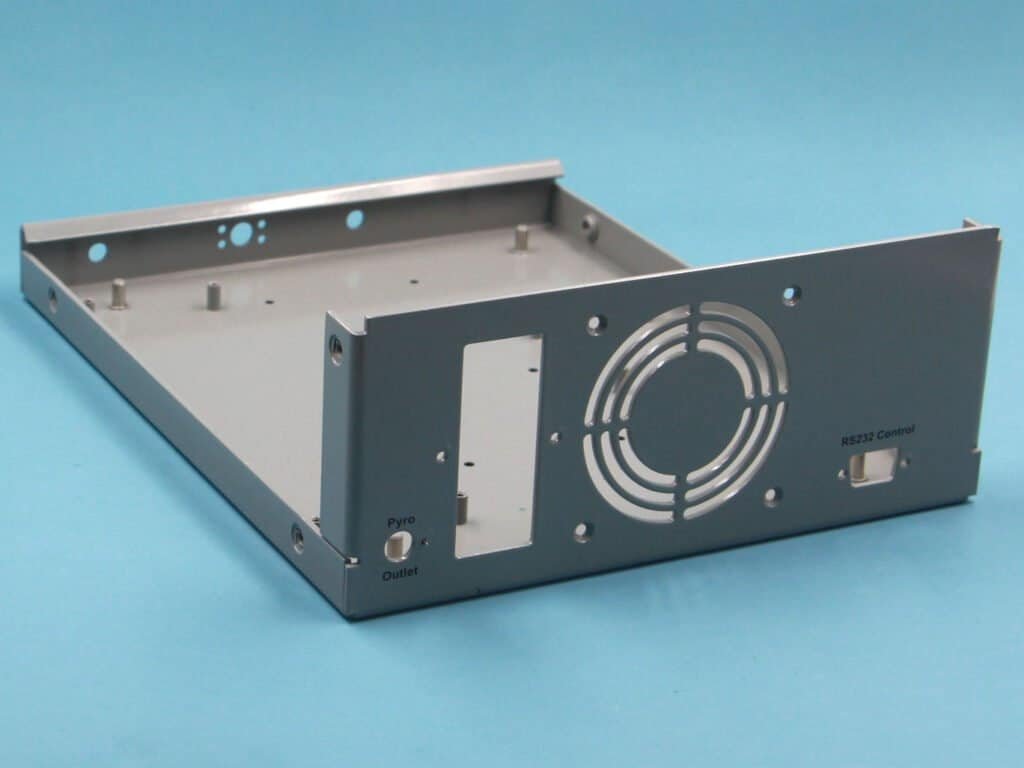
Carbon and Mild Steel
Consider carbon or mild steel for general-purpose brackets, supports and equipment panels. Decide how the part will be protected against corrosion in its intended environment, particularly when moisture or outdoor exposure is expected.
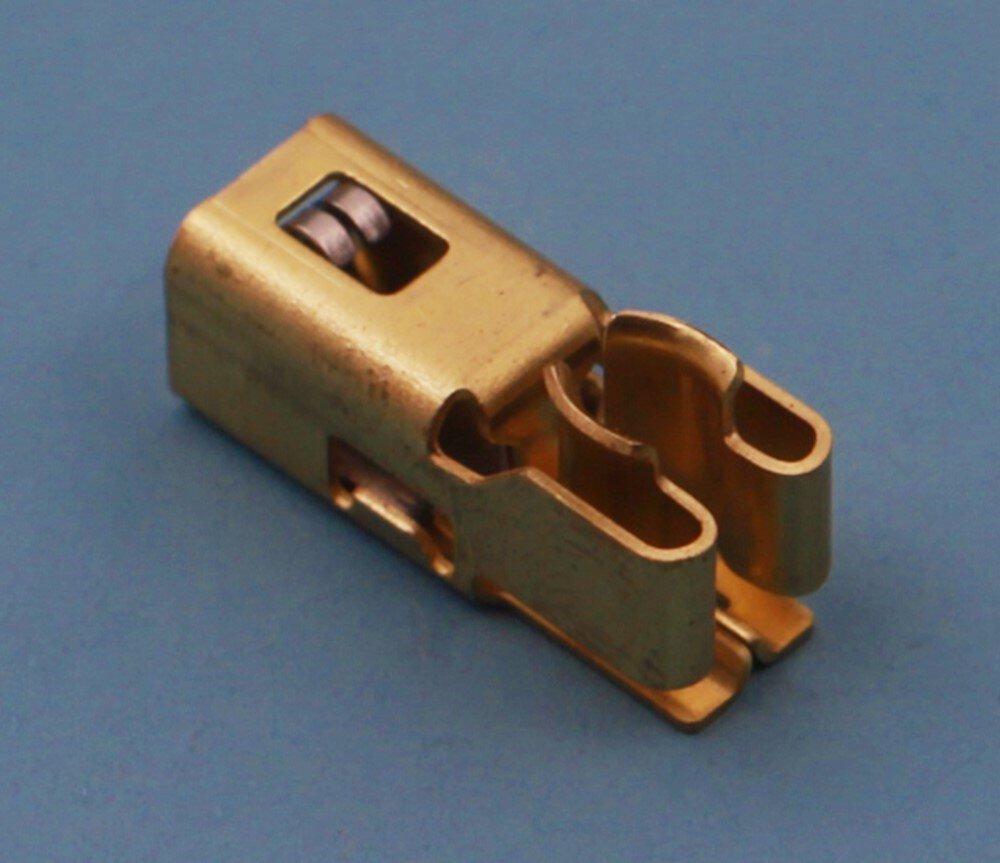
Copper and Brass
Consider copper when electrical or thermal conductivity is a main requirement. Brass may suit formed or decorative components, but should not be treated as electrically equivalent to copper. Specify the alloy and any contact-surface requirements.
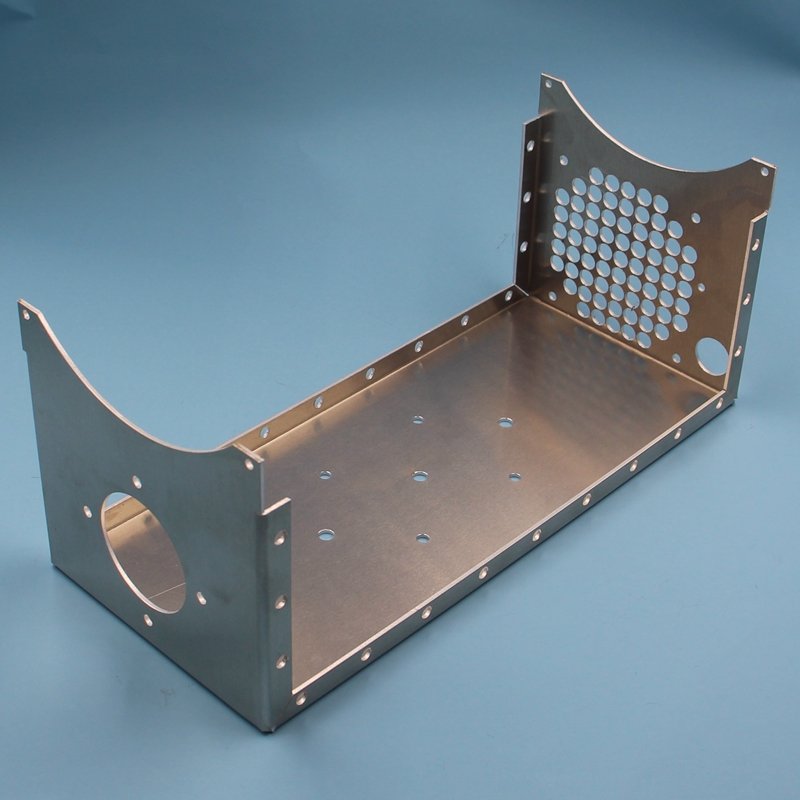
Galvanized Steel
Consider galvanized sheet when a zinc-coated steel substrate suits the application. Specify both the base grade and coating designation. For cut or welded assemblies, define any required treatment of exposed edges and weld areas.
For a broader comparison of material properties and applications, explore our manufacturing materials guide.
Surface Finish Options for Sheet Metal Parts
Sheet metal parts can be supplied uncoated or with finishes for appearance, corrosion protection and surface texture. SAMSHION coordinates additional surface finishing through external finishing suppliers.
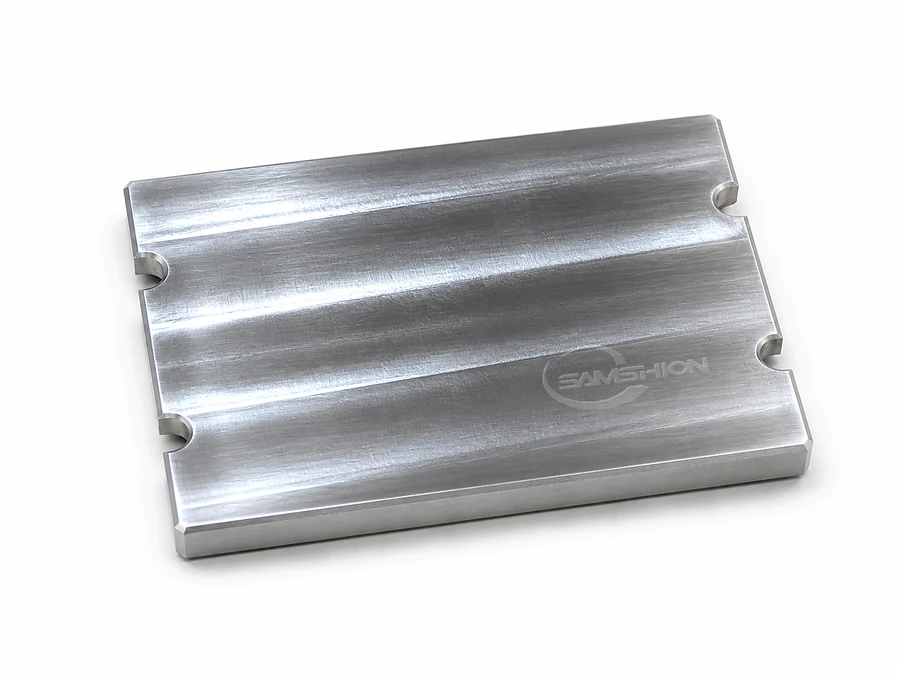
As-Fabricated / Uncoated
Supplied without an additional coating after fabrication and edge deburring. Material texture and fabrication marks remain visible. Suitable for internal components or parts that will receive further surface treatment.
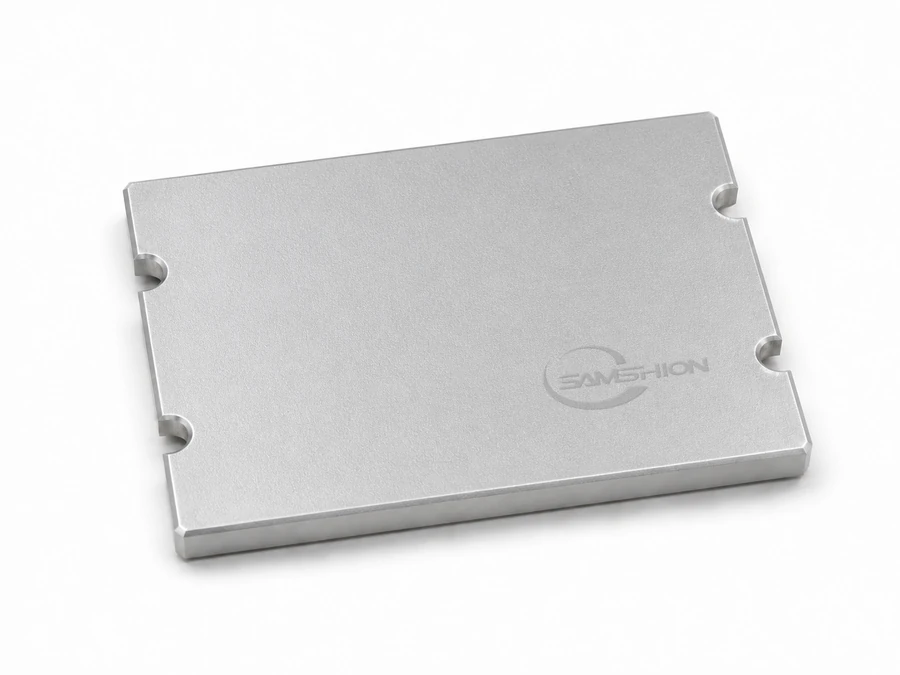
Bead Blasting
Creates a matte surface texture on exposed areas. Useful when a less reflective appearance is preferred. Media selection and blasting conditions affect the result; thin panels need care to avoid distortion.
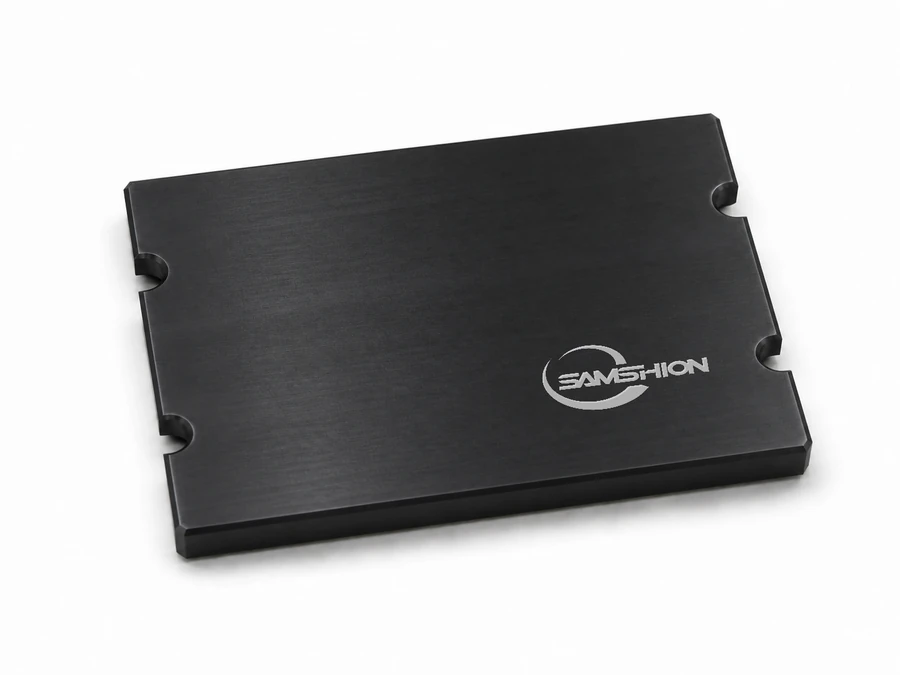
Anodizing
Provides an anodic oxide finish for protection and appearance. Clear and colored options are available. Alloy selection, surface preparation and welded areas can affect color consistency across panels and assemblies.
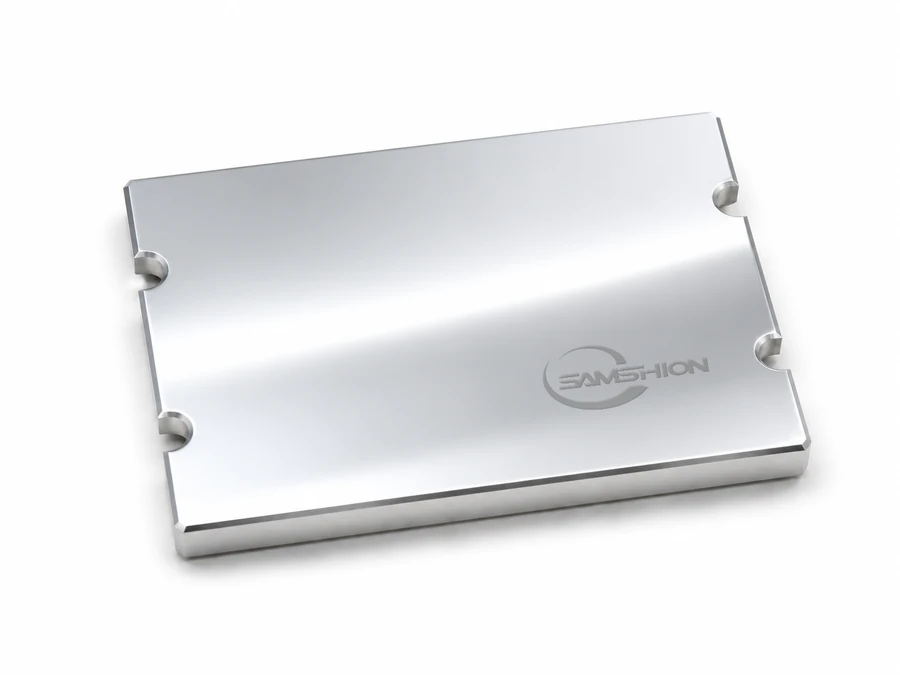
Polishing and Brushing
Polishing improves surface smoothness and brightness, while brushing creates a directional grain. Specify the desired appearance and grain direction so adjacent panels, covers and trim can be finished consistently.
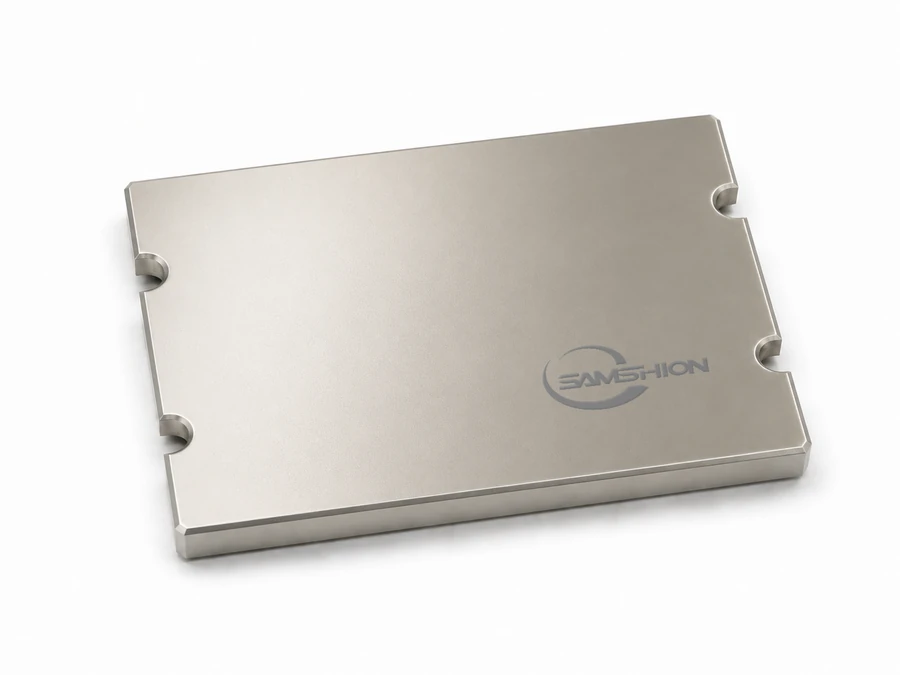
Electroless Nickel Plating
Adds a metallic coating for applications requiring corrosion or wear resistance. Coating thickness must be considered for threads, holes and mating surfaces. Aluminum components require suitable pretreatment before plating.
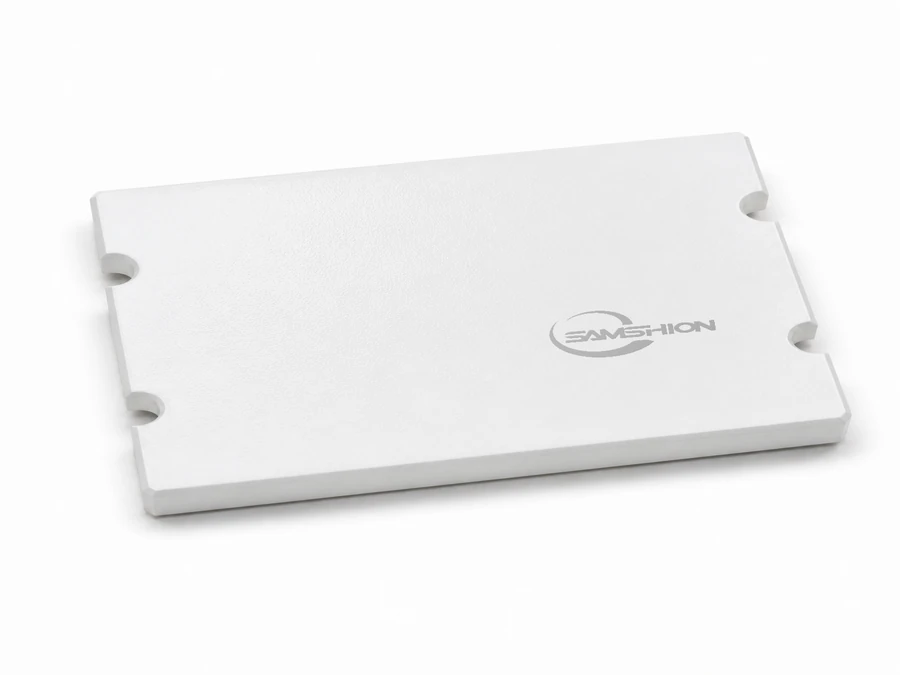
Powder Coating
Provides a colored protective finish for enclosures, panels and brackets. Specify color, gloss and texture using a reference sample where needed. Threads, grounding points and close-fitting areas may require masking.
Additional options include hard anodizing, zinc plating, electropolishing, stainless steel passivation and e-coating.
Explore our surface finishing guide for more information.
Common Sheet Metal Parts and Assemblies
Brackets and Mounts
Angle brackets, Z-brackets, mounting plates and equipment supports for securing components within larger assemblies.
Panels and Covers
Control panels, access doors, protective guards, removable lids and ventilated covers for equipment access and protection.
Enclosures and Chassis
Instrument cases, electronics housings, equipment cabinets and chassis with mounting features, ventilation openings and connector cutouts.
Frames and Internal Supports
Bent or welded frames, reinforcing members, internal partitions and support assemblies for positioning and supporting equipment components.
Electrical and Grounding Components
Busbars, grounding brackets and metal shielding panels made to customer drawings for integration into electrical equipment.
Sheet Metal Fabrication Project Examples
Explore three SAMSHION sheet metal projects made from galvanized steel and aluminum. These examples combine cutting, forming, joining and finishing, with quality checks focused on appearance and assembly dimensions.
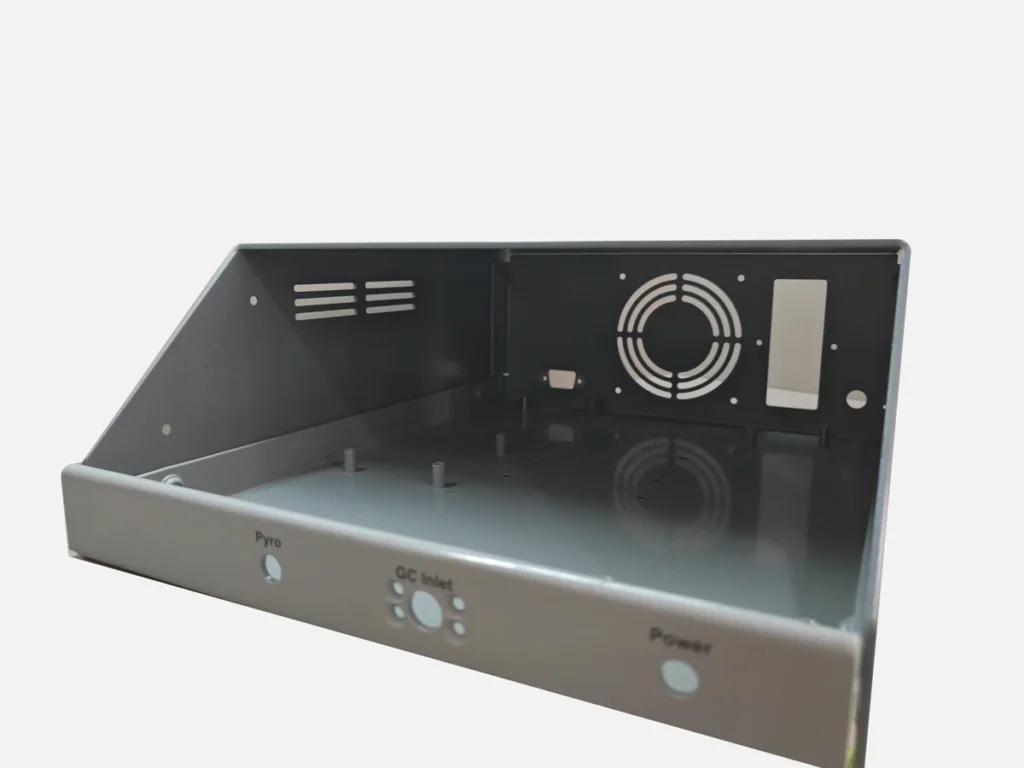
Powder-Coated Equipment Enclosure
Manufactured from 2 mm galvanized steel sheet, this equipment enclosure was laser cut, bent and riveted, then powder coated and screen printed with panel labels.
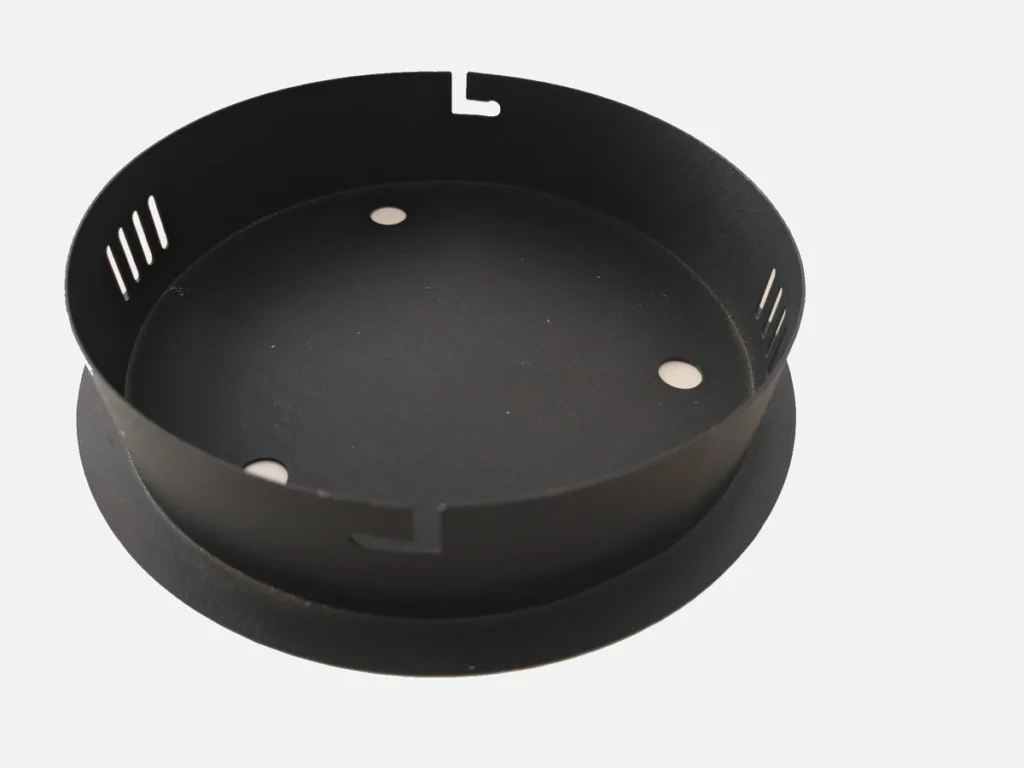
Black Powder-Coated Bottom Cover
This bottom cover was manufactured from 1.5 mm galvanized steel sheet using laser cutting, bending and welding, followed by black powder coating.
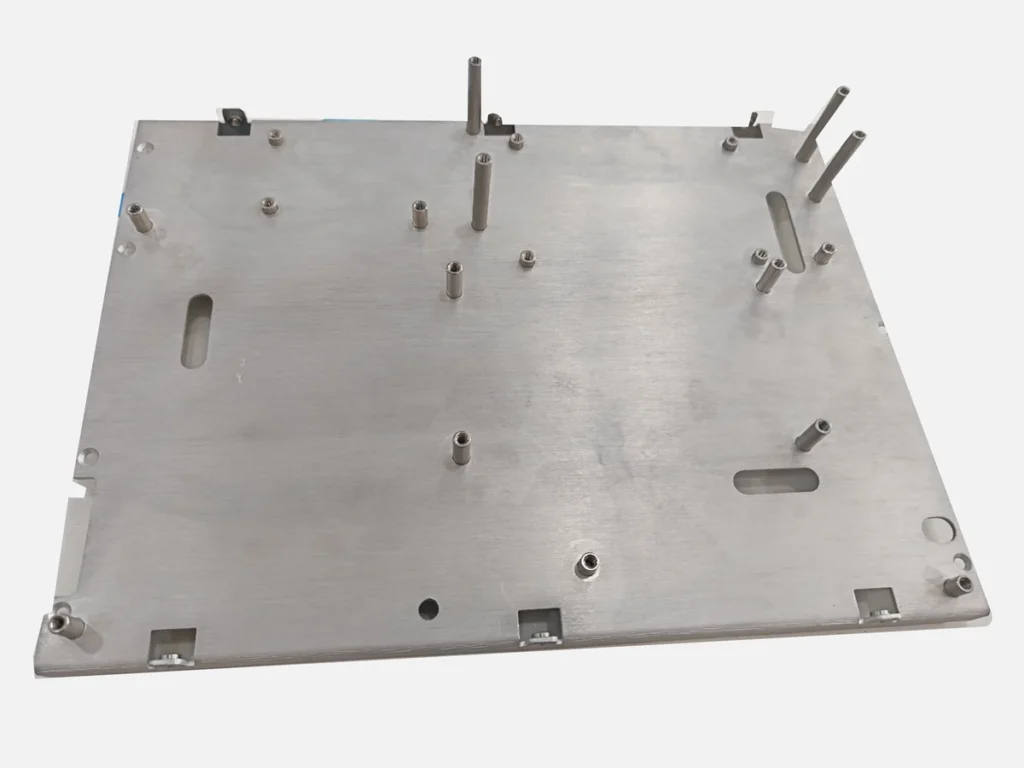
Aluminum Cover Plate with Standoffs
Manufactured from 2 mm aluminum alloy sheet, this cover plate was laser cut, bent and riveted. Mounting holes, slots and standoffs provide interfaces for assembly.
Quality Control for Sheet Metal Parts
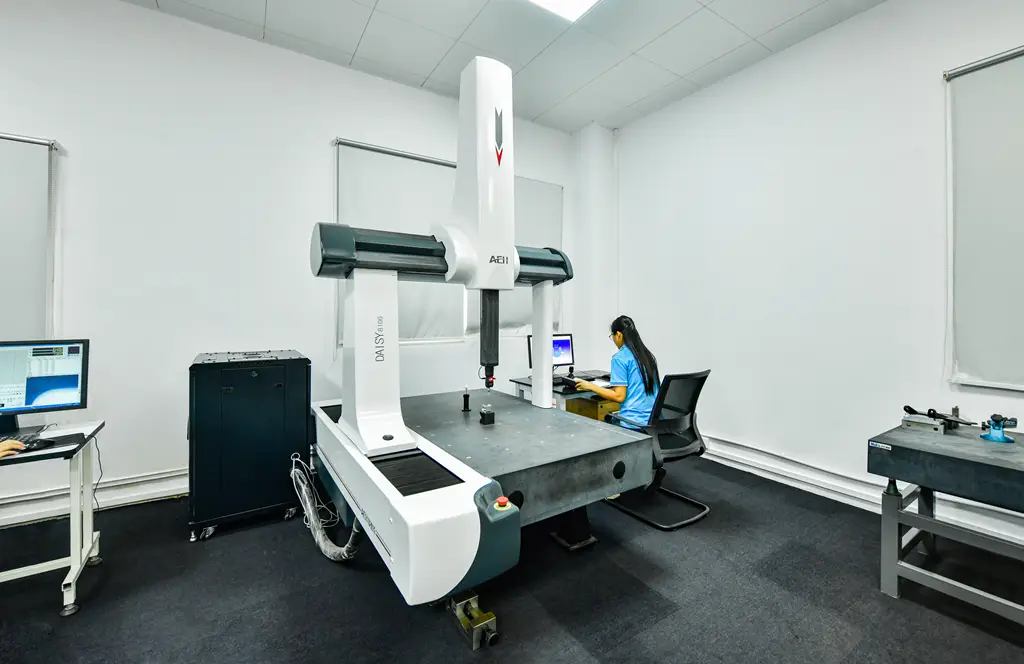
Our quality checks focus on cut features, formed dimensions, hardware positions, assembly fit and finished appearance. Checks are carried out during fabrication and on completed parts to identify issues before shipment.
Material and Drawing Verification
Verify the drawing revision, material grade and sheet thickness before fabrication. Check incoming sheet for visible damage and confirm any specified material documentation.
First-Off and In-Process Checks
Check initial parts and key features during cutting, bending and assembly. Focus on hole locations, bend angles, formed dimensions and hardware positions before subsequent operations.
Final Dimensional and Visual Inspection
Check completed parts for specified dimensions, assembly interfaces, burrs, scratches and finish appearance. For coated parts, check required masking areas and mating features after finishing.
Inspection Reports and Supporting Documents
Dimensional and visual inspection reports are provided. Material documentation, CMM inspection reports and other requested records can be arranged, with the required scope agreed before production.
Sheet Metal Tolerances and Assembly Requirements
Specify critical dimensions for the finished part, not just the flat profile. Clearly identify whether each requirement applies after cutting, bending, welding or surface finishing.
Cut Features and Hole Locations
Specify critical hole diameters, slot widths and mounting-hole positions from clearly defined datums or reference edges. For holes that align with another component, include the mating drawing or assembly model.
Dimensions After Bending
Define enclosure width, flange height, bend angles and distances between mounting faces in the formed condition. Clearly distinguish inside and outside dimensions so the required assembly fit is unambiguous.
Welded Assemblies and Installed Hardware
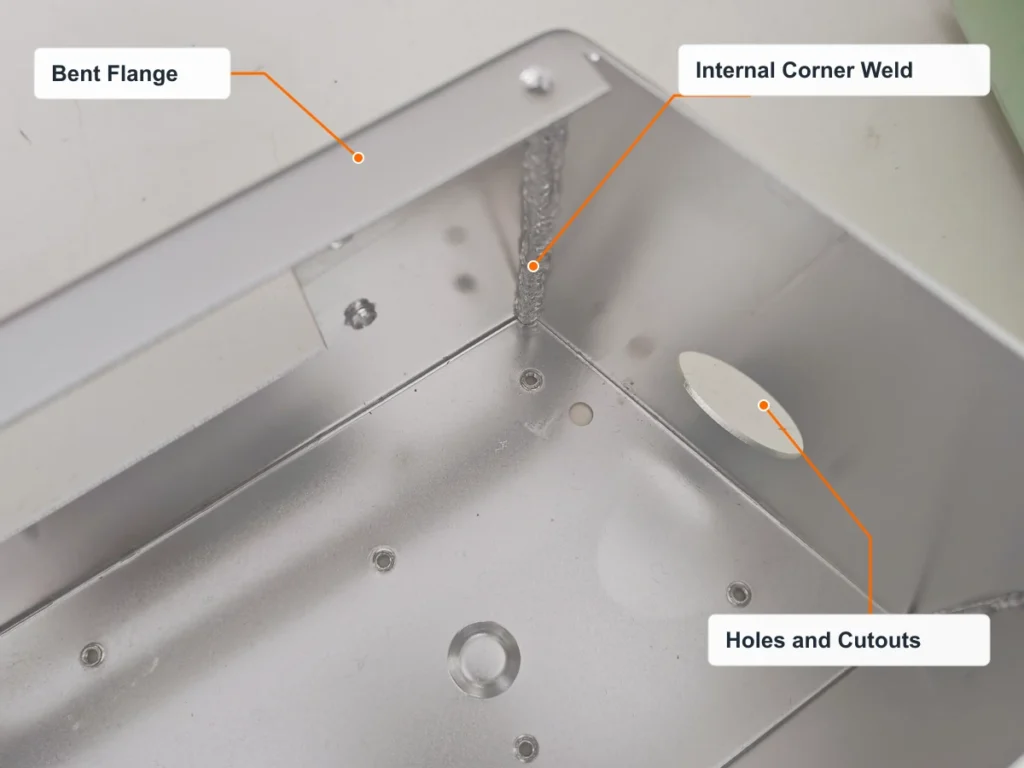
Identify weld locations and requirements, hardware positions, thread sizes and standoff heights. Specify mounting faces that must remain aligned after joining, and indicate when fit must be verified using mating parts or a checking fixture.
Fit After Surface Finishing
Identify dimensions that must be maintained after coating or plating. Mark threads, mating surfaces and electrical contact areas that require masking or must remain uncoated. Keep cosmetic acceptance criteria separate from dimensional tolerances.
Sheet Metal Design Guidelines
Reduce avoidable fabrication problems by considering bend geometry, feature spacing, tool access and visible surfaces early in the design.
Use Practical Bend Radii and Flange Lengths
Use consistent inside bend radii where the design allows. Avoid unnecessarily tight bends and short flanges that are difficult to support during forming. Allow space for the tooling and check that previously formed flanges will not obstruct later bends.
Keep Holes and Slots Clear of Bend Zones
Holes, slots and cutouts close to a bend can distort during forming. Leave sufficient separation and provide bend relief where needed. If a feature must remain close to a bend, flag it early so an alternative geometry or operation sequence can be considered.
Allow Access for Forming, Welding and Assembly
Leave working space for bending tools, welding equipment and assembly tools. Deep, narrow sections and closed corners can restrict access. Consider whether the part can be formed and joined in the intended sequence without blocking later operations.
Plan Hardware Installation Early
Select nuts, studs and standoffs to suit the sheet material and thickness. Follow the hardware manufacturer’s hole-size and edge-distance requirements. Leave room for installation tooling and check that nearby bends or walls will not obstruct insertion.
Plan the Appearance of Visible Surfaces
Identify the main visible faces and place welds, joints and hardware on less visible areas where practical. Specify brushing direction across adjacent panels and clarify whether visible welds should remain or be blended. Use a reference sample when appearance matching is important.
Sheet Metal Fabrication FAQs
What files should I send for a sheet metal quote?
Send a STEP model and a PDF drawing showing dimensions, material, thickness and any special requirements. Include the quantity and requested delivery date. DXF files are useful for flat profiles. Keep the model and drawing at the same revision, and identify any dimensions that apply after finishing.
Is there a minimum order quantity?
No. SAMSHION accepts orders starting from one part. You can order a prototype, a small batch or repeat-production parts. A single-part order still involves setup and preparation, so the unit price may be higher than for a batch.
What tolerances can you achieve on sheet metal parts?
There is no single tolerance that applies to every sheet metal feature. Cut holes, bent dimensions and welded assemblies have different requirements. Mark critical tolerances on the drawing and state whether they apply before or after finishing. We will confirm achievable values during quotation.
Does sheet metal fabrication require dedicated tooling?
Not every part requires a dedicated die. Laser cutting and many press-brake operations use programmable equipment and existing tooling. Stamped features, unusual bends or repeated assemblies may need dedicated dies or fixtures. Any project-specific tooling requirements and charges are identified in the quotation.
Can you provide welding and assembled sheet metal parts?
Yes. We can supply welded sheet metal assemblies and parts with installed nuts, studs, standoffs or riveted components. Provide an assembly drawing or model showing the required joints and hardware. If fit must be checked against mating parts, include that requirement in the inquiry.
Which inspection reports can you provide?
Dimensional and visual inspection reports are provided. Material documentation, CMM inspection reports and other requested records can be arranged. Tell us which features must be reported and whether you have a required report format so the documentation scope can be agreed before production.
How should I specify surface finishing?
State the finish type, color, gloss and texture, using a reference sample where appearance matching is important. Include coating thickness if required, and identify masking areas, grounding points and dimensions that apply after finishing. Surface finishing is coordinated through external finishing suppliers.
How can I reduce sheet metal fabrication cost?
Use common sheet materials, consistent bend radii and accessible features where the design allows. Avoid unnecessary welds, decorative finishing on hidden faces and tight tolerances on non-critical dimensions. Providing complete files and ordering identical parts together can also help reduce clarification and repeated setup work.
Can I reorder the same parts after approving a prototype?
Yes. SAMSHION supports repeat orders after prototype approval. Reference the previous order and confirm the drawing revision, quantity and finish. Clearly identify any changes, including changes to mating components. Prototype approval does not automatically cover later design revisions.
Request a Quote for Your Sheet Metal Parts
Send your drawings, material and thickness requirements, quantity and target delivery date. Include any special finishing, assembly or inspection requirements so we can prepare a quotation for your project.