
Custom 3D Printing Services for Prototypes and Low-Volume Parts
Turn a controlled 3D model into physical parts for appearance review, assembly checks, functional testing, manufacturing aids and low-volume use. SAMSHION evaluates SLA, SLS, FDM and qualified metal additive routes according to geometry, material, surface, quantity, inspection and delivery requirements.
- Process selection based on the part's validation goal
- Polymer and metal additive routes reviewed per project
- DFM feedback before printing
- Post-processing and inspection defined before release
Choose the 3D Printing Process Around the Part
No single 3D printing process is best for every design. A smooth appearance model, a durable nylon assembly, a large thermoplastic fixture and a complex metal component have different requirements. Material form, build orientation, support removal, layer behavior, thermal history and finishing can influence the final result.
SAMSHION starts by asking what the part must prove. SLA is often considered for detailed resin models and controlled cosmetic surfaces. SLS can be suitable for durable nylon parts and complex geometry that benefits from powder support. FDM is frequently used for economical concept models, fixtures and larger engineering-plastic components. Metal powder-bed fusion is evaluated when the geometry or application justifies metal additive manufacturing and the required post-processing can be planned.
If final stock material, machined threads, sealing faces or tightly controlled datum relationships are the priority, CNC machining services may provide more representative evidence. If several similar plastic-like copies are needed from one master, vacuum casting services may be the better bridge. When production resin and mold-driven behavior must be validated, custom injection molding should be considered. The purpose of process selection is to choose useful evidence, not to force every design into additive manufacturing.
What Is Industrial 3D Printing?
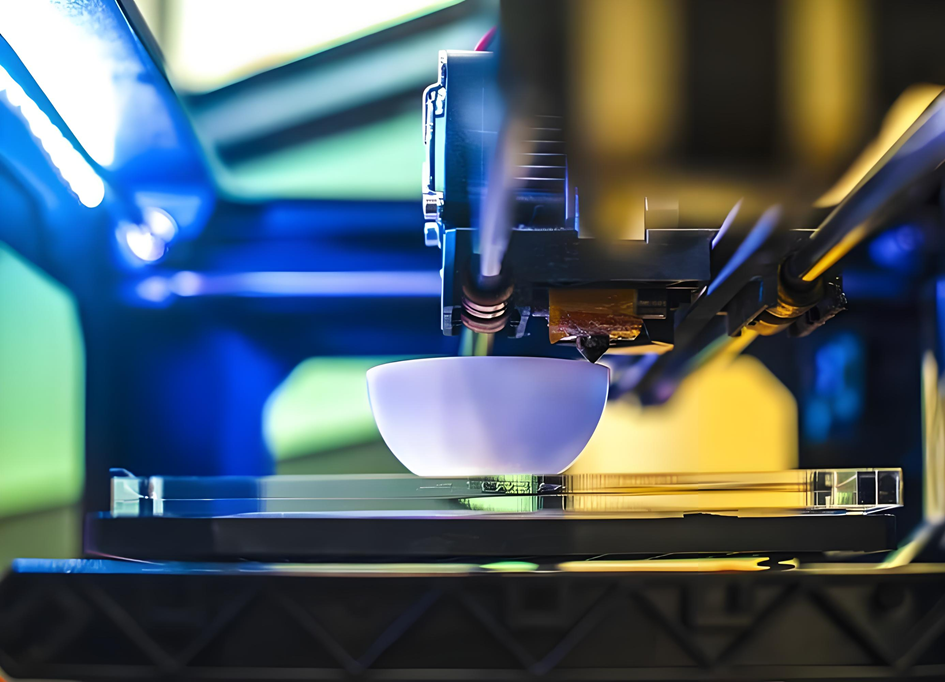
Industrial 3D printing is a group of additive manufacturing processes that create three-dimensional geometry through successive addition of material. The terminology is standardized in ISO/ASTM 52900, which provides a common vocabulary for additive manufacturing processes and workflows.
The digital workflow normally begins with a 3D CAD model. The geometry is checked, converted or tessellated when required, oriented in the build volume and divided into layers. Process-specific supports, scan paths or deposition paths are then prepared. After building, parts may require cleaning, support removal, curing, depowdering, heat treatment, machining, sanding, blasting, painting or another finishing step.
The print itself is only one part of the manufacturing route. File quality, orientation, machine parameters, material condition, support strategy, post-processing and inspection must be coordinated. A visually acceptable part can still be unsuitable for its intended load, temperature, chemical exposure, tolerance or assembly condition if those requirements were not defined before printing.
Why Choose SAMSHION for 3D Printing?
Process Selection Before Pricing
We review geometry, application, material intent, quantity, finish, inspection and schedule before recommending a route. When a different process offers more representative performance or lower project risk, that option is identified during review.
Printability Review Before Production
The review can cover wall stability, small features, trapped volumes, drainage, powder removal, build orientation, supports, interface clearance, cosmetic surfaces and machining allowance. Proposed changes that affect design intent require customer approval.
One Project Contact Across Secondary Operations
Printed components may need machining, inserts, bonding, painting, polishing or assembly. A single project contact coordinates these requirements with the approved revision and quotation rather than treating each operation as an unrelated order.
Requirements-Based Quality Control
Inspection is matched to the function of the part. A visual model may require color and appearance confirmation, while a functional component may require dimensional results, thread verification, material records or an assembly check. The available documentation and measurement method are agreed before manufacturing. More information is provided on the quality assurance page.
Support Beyond the First Prototype
3D printing can support early form studies, functional iterations, fixtures and controlled low-volume builds. When a design stabilizes, SAMSHION can help compare additive manufacturing with machining, casting or molding through its broader rapid prototyping services.
3D Printing Capabilities
SLA 3D Printing
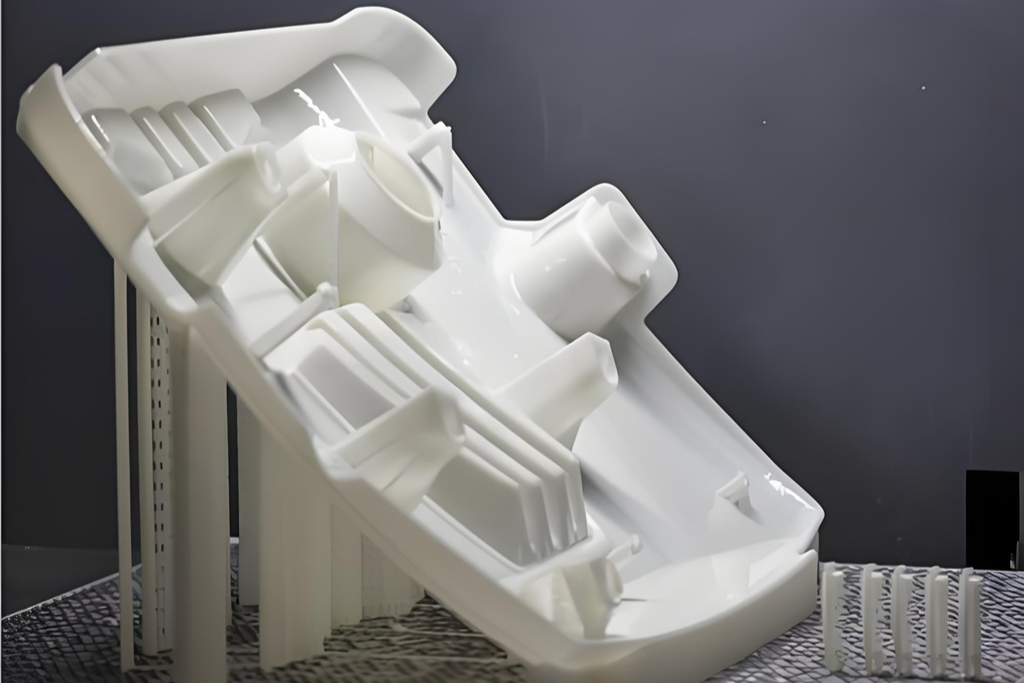
Stereolithography is a vat-photopolymerization process. A controlled light source selectively cures liquid photopolymer resin to form each layer. The completed part is removed from the build platform, washed and post-cured according to the resin system. Supports are removed and visible surfaces may be sanded, polished, primed or painted.
SLA is frequently selected for appearance models, detailed housings, master patterns, transparent or translucent prototypes and parts that benefit from a relatively smooth printed surface. The resin must be chosen for the actual evaluation objective; labels such as “ABS-like” or “high-temperature” describe a performance direction and do not make a photopolymer identical to an injection-molded thermoplastic.
Critical items include unsupported features, drainage for hollow geometry, support contact locations, post-cure condition and long-term environmental exposure. Thin walls and delicate features must be reviewed together with part size, resin and orientation rather than copied from a generic universal minimum.
SLS 3D Printing
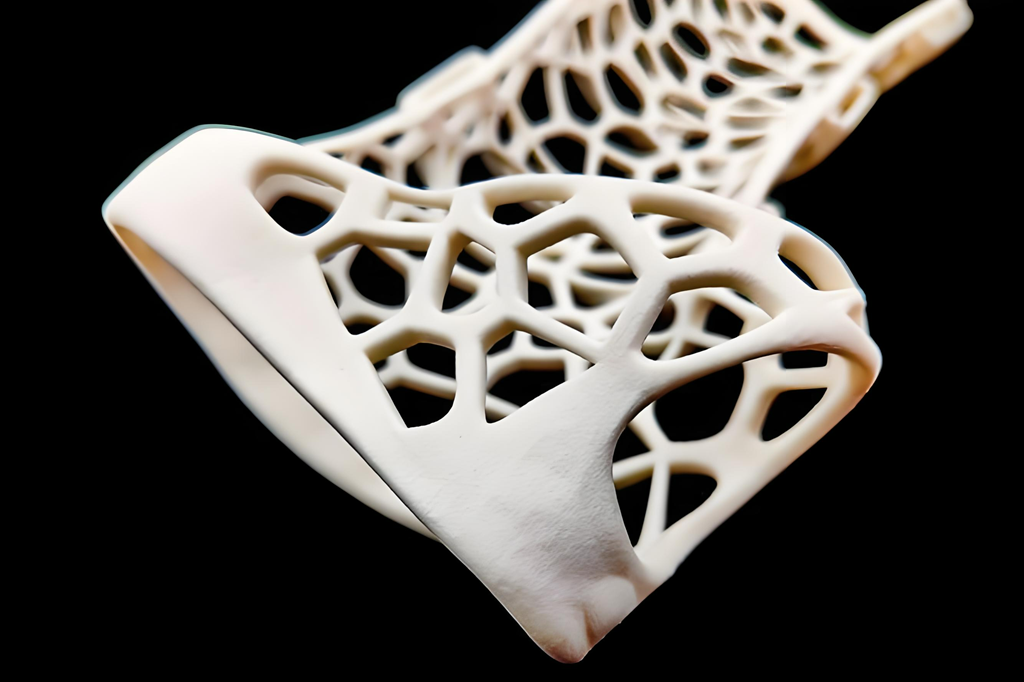
Selective laser sintering is a polymer powder-bed fusion process. A laser selectively fuses powder within a heated build chamber. Unfused powder supports the surrounding geometry, so separate support structures are usually unnecessary. After cooling, parts are excavated from the powder cake, depowdered and finished as required.
SLS is commonly considered for durable nylon prototypes, snap features, ducts, protective housings, small series and complex assemblies. It can produce geometry that would be difficult to support in SLA or FDM, but internal passages must still allow complete powder removal.
Cooling history, powder condition, wall geometry and build packing can affect dimensions and mechanical behavior. The as-built surface has a characteristic powder texture. Blasting, dyeing, sealing, smoothing or coating may be added when appearance, cleanliness or moisture behavior requires further control.
Metal 3D Printing
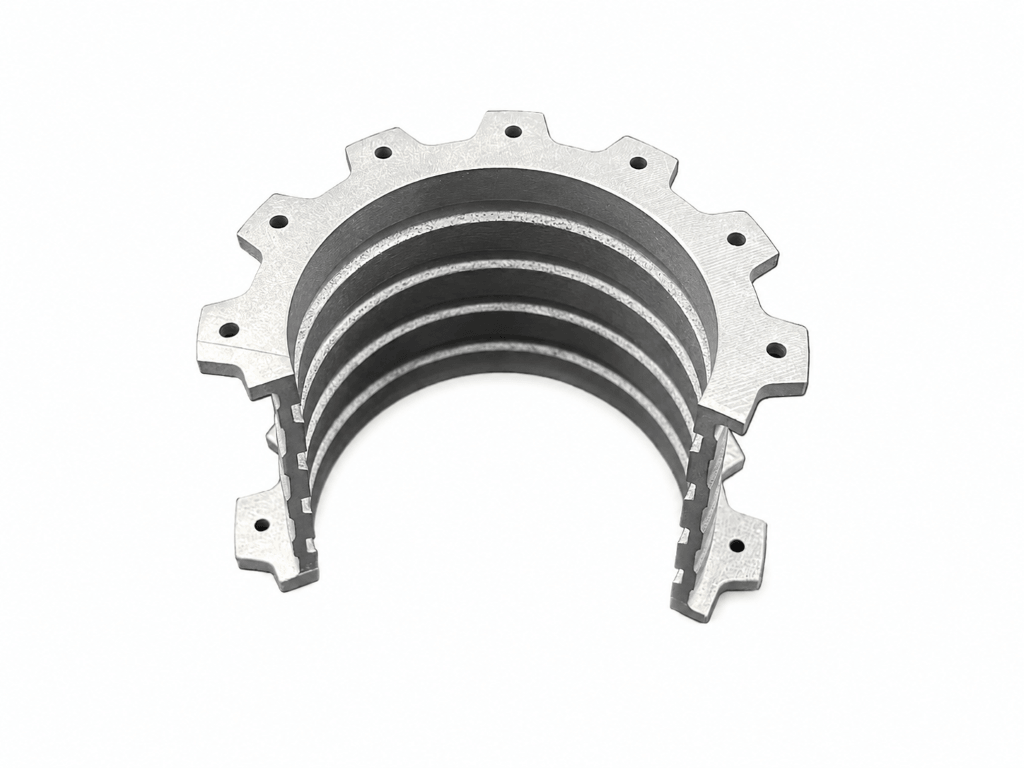
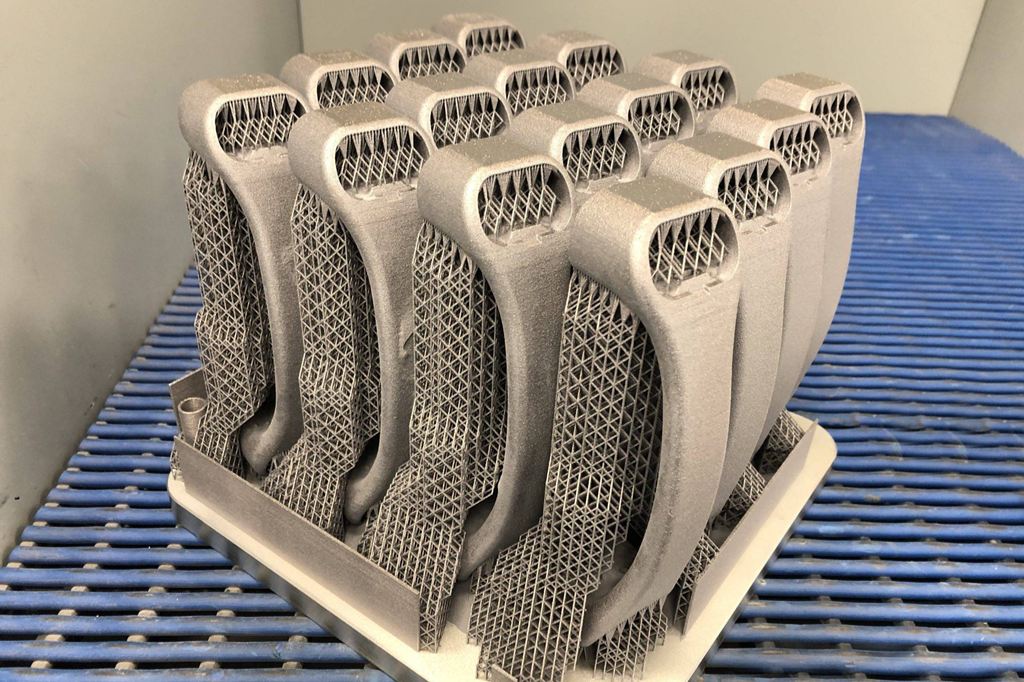
Laser powder-bed fusion builds metal components by selectively melting thin layers of metal powder in a controlled atmosphere. The route can support internal passages, lightweight structures, part consolidation and geometry that would be difficult to machine from solid stock.
Metal printing normally requires more than support removal. The process plan may include stress relief, heat treatment, separation from the build plate, support machining, surface finishing, precision machining and dimensional inspection. Critical interfaces, sealing surfaces, threaded features and datum features often require machining allowance.
Material designation alone is not enough for a demanding application. Powder specification, build parameters, heat-treatment condition, mechanical-property evidence, traceability and inspection requirements must be defined according to the project. SAMSHION does not present a generic printed alloy as automatically qualified for medical, aerospace or another regulated use.
FDM 3D Printing
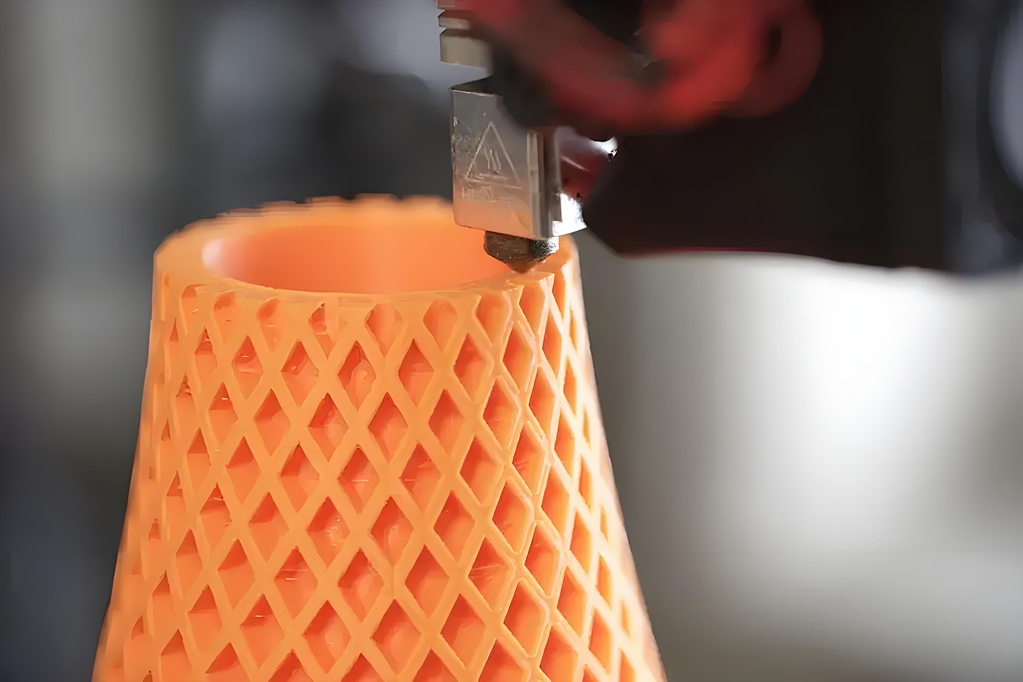
Fused deposition modeling, a material-extrusion process, deposits softened thermoplastic along programmed paths. Each layer bonds to the previous layer until the component is complete. Support material may be breakaway, soluble or built from the model material depending on the machine and project.
FDM is useful for concept models, larger housings, assembly aids, jigs, fixtures and functional prototypes where an available thermoplastic provides suitable behavior. It can also support economical design iterations because tool investment is not required.
Part orientation is especially important because strength, stiffness, surface appearance and dimensional behavior can differ between the layer plane and build direction. The official Stratasys FDM design guide also treats process-aware design as a starting point rather than a universal guarantee. Nozzle size, bead width, support access, infill strategy and thermal contraction must be considered for the specific build.
How to Select the Right 3D Printing Route
Start with the Validation Objective
Define whether the build is intended for appearance, packaging, assembly, airflow, load, temperature, chemical exposure, user trials, tooling or low-volume service. A printed part should be judged against the question it was built to answer.
Confirm Whether the Printed Material Is Representative
Printed polymers, cast polyurethanes, machined plastics and injection-molded thermoplastics can behave differently. If the production resin or processing history is essential, a printed substitute may be useful only for geometry and assembly. Document the limitation before testing begins.
Evaluate Geometry and Post-Processing Together
Internal channels, thin features, overhangs, cavities and deep pockets affect orientation, supports, drainage, depowdering and cleaning. A design is not complete for additive manufacturing until required post-processing can physically reach the relevant surfaces.
Define Critical Surfaces and Datums
Lorem ipsum dolor sit amet, consectetur adipiscing elit. Ut elit tellus, luctus nec ullamcorper mattis, pulvinar dapibus leo.
Compare Total Route Cost, Not Only Print Time
Build preparation, machine time, material use, support removal, cooling, finishing, inspection and delivery all affect the quotation. Nesting more parts into one build may improve utilization, but it does not mean every quantity has the same unit price.
From Quote to Printed Parts
Upload the Manufacturing Package
Send the 3D model and, where needed, a 2D drawing. Include material intent, quantity, finish, critical features, application, inspection requirements and delivery destination.
Engineering and Printability Review
SAMSHION reviews the application, file condition, process options, orientation risks, supports, post-processing and inspection needs. Questions and proposed changes are returned for approval.
Process and Quotation Confirmation
The quotation identifies the proposed process, material system, quantity, finish, inspection scope, realistic lead time and applicable documentation.
Build Preparation
The approved file is oriented and prepared. Supports, scan or deposition strategy, identifiers and secondary operations are planned according to the selected route.
Printing, Post-Processing and Inspection
Parts are built, cleaned and post-processed, then inspected to the agreed scope. Results affecting the intended validation objective are communicated.
Delivery and Next Iteration
Parts and agreed documents are packed for delivery. Feedback can support a revised print, a repeat build or transition to machining, casting or molding.
3D Printing Materials
Material selection begins with the function and environment of the part. Specify required stiffness, strength, impact, temperature, chemical exposure, moisture, color, transparency, wear, flame behavior, electrical behavior and documentation. Use the exact commercial material and supplier data sheet when a property is critical.
Review the broader manufacturing materials guide before release. A proposed substitute should be identified with its data sheet and approved rather than being treated as automatically equivalent.
Post-Processing and Surface Finishing
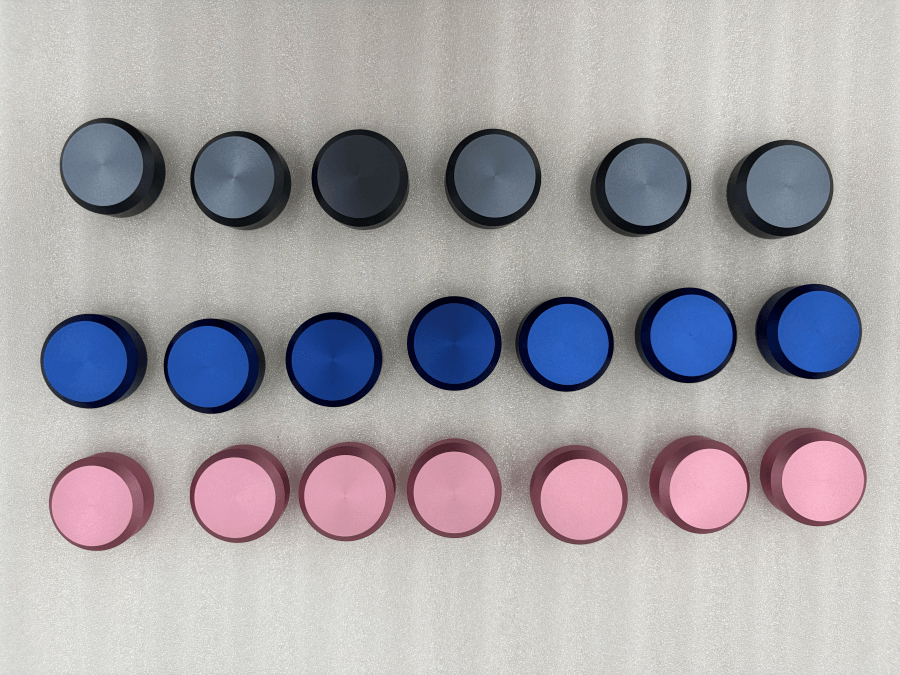
Post-processing is selected around function and appearance. SLA parts may be washed, post-cured, support-finished, sanded, polished, primed, painted or clear coated. SLS parts may be depowdered, blasted, dyed, sealed, smoothed or coated. FDM parts may require support removal, sanding, machining, vapor treatment where compatible, painting or insert installation. Metal printed parts may require heat treatment, support removal, blasting, machining, polishing or coating.
Define cosmetic zones, protected surfaces, masking, color reference, gloss, texture, coating thickness and acceptable witness marks. A finish sample is recommended when appearance is critical. Review available options in the surface finishing guide, then confirm compatibility with the selected printed material.
Quality Control for 3D-Printed Parts
File and Requirement Review
The approved model, drawing, revision, units, material, quantity, finish and inspection requirements are checked before build preparation. Open technical questions are resolved before manufacturing.
Build Preparation Review
Orientation, supports, drainage, powder removal, critical surfaces and post-processing are reviewed according to the selected route. Process records are defined when the project requires them.
Post-Process Verification
Support removal, cleaning, curing, depowdering, heat treatment or machining is checked before final inspection. Parts should be evaluated in the agreed post-processed condition rather than at an undefined intermediate stage.
Dimensional and Visual Inspection
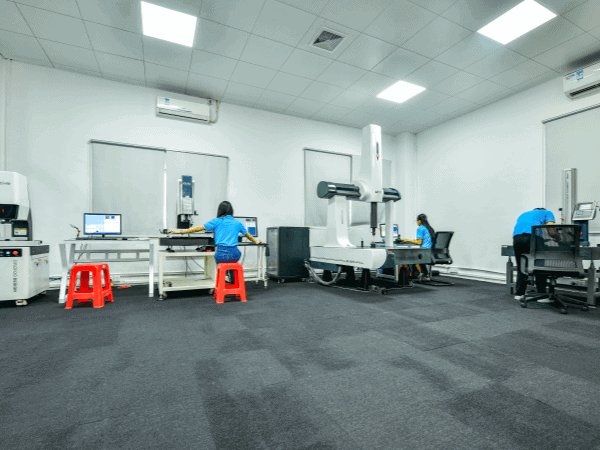
Measurement scope is based on the controlled drawing and validation objective. Calipers, gauges, optical systems, CMM or functional assembly checks may be used where suitable. Flexible, porous, thin or curved parts may require a defined support condition and measurement method.
Documentation When Required
Dimensional reports, material records, certificates or first-article documentation can be discussed during quotation. Availability depends on the process, material source and agreed project requirements; documents should not be assumed after production has started.
Design Guidelines for 3D-Printed Parts
Control the Source File
Provide one approved 3D model with correct units and revision. STEP is preferred when geometry review and downstream machining are important. STL, 3MF or another tessellated format may be accepted for printing, but the mesh must have adequate resolution and be free from unintended holes, inverted normals or overlapping shells.
Use Wall Thickness Appropriate to the Process and Load
Wall capability changes with process, material, part size, support condition, orientation and function. Manufacturer guidance, such as Formlabs’ discussion of minimum wall thickness for 3D printing, should be treated as a starting reference for the relevant system, not as a universal SAMSHION tolerance. Thin walls should be reviewed for print stability and service load.
Plan Support, Drainage and Powder Removal
SLA and metal powder-bed fusion often require supports. FDM may require support material under overhangs. Hollow SLA geometry requires drainage and cleaning access, while SLS and metal powder-bed parts need practical routes to remove unfused powder. Trapped material can affect safety, weight, function and finishing.
Allow Functional Clearance
Moving joints, sliding interfaces, snap features and assemblies need clearance that reflects the process, material, orientation and post-processing. Do not apply one generic clearance to every printed assembly. Where fit is critical, include test coupons or a small design matrix before releasing the full build.
Protect Cosmetic Surfaces
Mark visible surfaces and acceptable support-contact zones. Build orientation can change layer appearance and stair-stepping on sloped surfaces. Sanding, polishing or coating may improve appearance but can also round edges and alter dimensions.
Add Machining Allowance Where Needed
Printed holes, sealing faces, bearing seats, threads and datum surfaces may require secondary machining. Define the finished dimension and add sufficient stock based on the print route, distortion risk, fixturing and machining access.
Account for Anisotropy and Thermal History
Layered processes can produce direction-dependent properties. Orientation should be selected with the primary load path, stiffness requirement and failure mode in mind. For metal printing, residual stress and heat treatment must be part of the route; for polymers, cooling and conditioning can influence dimensions.
Avoid Unsupported Compliance Claims
A material name or printer capability does not by itself establish medical, food-contact, flame, aerospace or biocompatibility compliance. If compliance is required, identify the applicable standard, exact material, lot documentation, process condition and test evidence before quotation.
3D Printing Frequently Asked Questions
Which file format should I send?
STEP is recommended when engineering review, critical dimensions or secondary machining are important. STL and 3MF can be accepted for many printing workflows if the mesh resolution and geometry are suitable. Add a controlled 2D PDF drawing for tolerances, datums, threads, finishes and inspection requirements.
How do I choose between SLA, SLS and FDM?
Start with the part’s purpose. SLA is often considered for detail and appearance; SLS for durable nylon geometry and support-free powder-bed builds; and FDM for economical concept models, fixtures and larger thermoplastic parts. Final selection depends on material, geometry, finish, quantity and test requirements.
Can 3D-printed parts be used as end-use parts?
They can be, when the exact material, process, orientation, environment, load, life, finishing and acceptance requirements have been validated. A prototype that survives a short internal test is not automatically qualified for long-term or regulated service.
What tolerances can 3D printing achieve?
There is no universal tolerance for every process and part. Capability depends on technology, material, build size, orientation, geometry, support, thermal behavior, post-processing and measurement method. Identify critical features on the drawing so they can be reviewed individually.
Can you print clear or transparent parts?
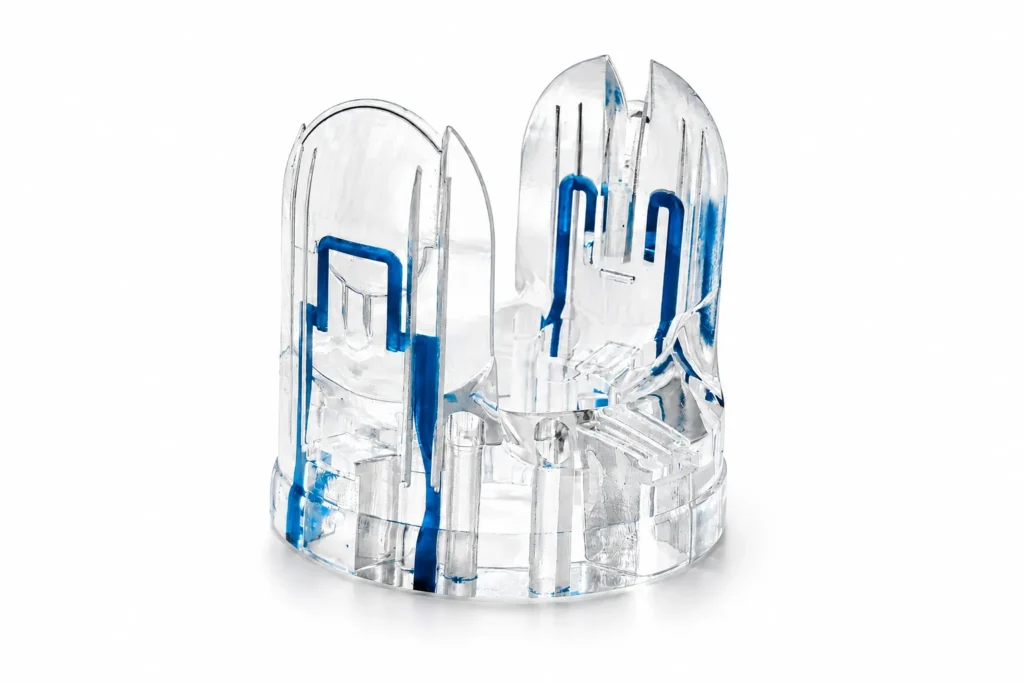
Selected SLA resin systems can support transparent or translucent prototypes. Washing, curing, layer orientation, wall geometry, polishing and clear coating influence appearance. Printed clarity should be evaluated against the application’s optical requirement and should not be assumed equivalent to molded optical polymers.
Can threads and inserts be added?
Printed threads may be practical for light-duty or large features, but repeated assembly often benefits from heat-set, press-in or mechanically retained inserts. Critical threads may also be machined after printing. The insert type and installation method must match the material and load.
How quickly can parts be delivered?
Lead time depends on file readiness, process, material availability, build scheduling, quantity, cooling or curing, post-processing, inspection and shipment. The committed lead time is provided after review; the page does not promise one fixed turnaround for every order.
When should I use CNC machining or injection molding instead?
Use CNC machining when final stock material, precision machined interfaces or tight datum relationships dominate. Consider injection molding when production resin, mold-driven geometry or larger repeated quantities justify tooling. SAMSHION can compare routes before quotation.