
Low-Volume Manufacturing Services for Production-Ready Parts
Move a validated design into pilot builds, market-launch quantities and repeat small-batch production without committing prematurely to a mass-production route. SAMSHION coordinates CNC machining, sheet metal fabrication, injection molding, vacuum casting, 3D printing, aluminum extrusion and finishing according to the approved drawing and project requirements.
- Manufacturing process selected around geometry and demand
- First-off or first-article approval before repeat production
- Material, finish and inspection requirements controlled by revision
- Repeat-order support with agreed change control
- Secure upload
- NDA available
- Free DFM on every order
Bridge the Gap Between a Prototype and Mass Production
A successful prototype answers design questions. Low-volume manufacturing answers production questions: Can the approved geometry be made repeatedly? Are the material, tolerances and finish practical? Is the inspection method stable? Can packaging protect the part? Which cost is fixed and which changes with quantity? What must be controlled before a repeat order?
This distinction prevents overlap with rapid prototyping services, which focus on learning and design validation. The low-volume stage begins when the product definition is sufficiently mature to control a manufacturing revision, even if tooling, automation or supply-chain decisions are still being refined.
There is no universal quantity range that defines low volume. Ten machined aerospace housings, two hundred formed enclosures and several thousand molded clips may all represent low-volume programs because process economics, complexity and annual demand differ. SAMSHION therefore evaluates the complete route instead of assigning one fixed quantity band to every technology.
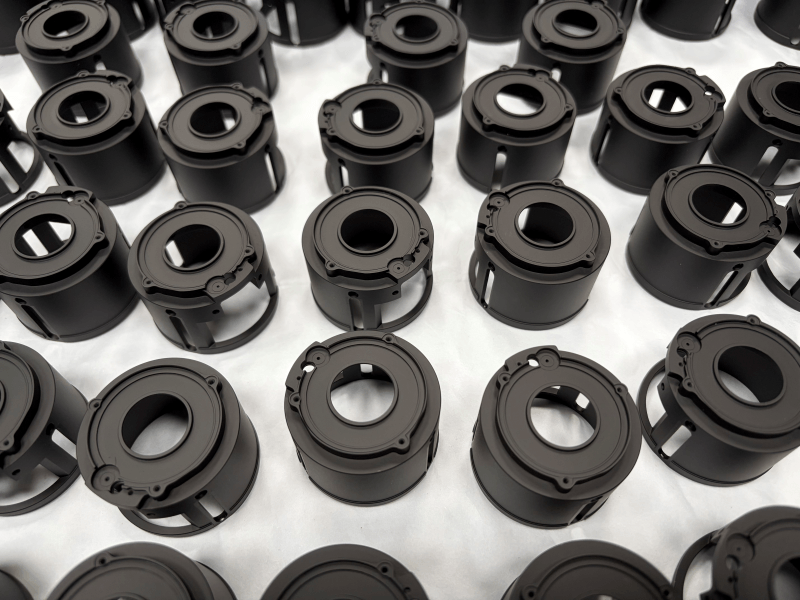
What Is Low-Volume Manufacturing?
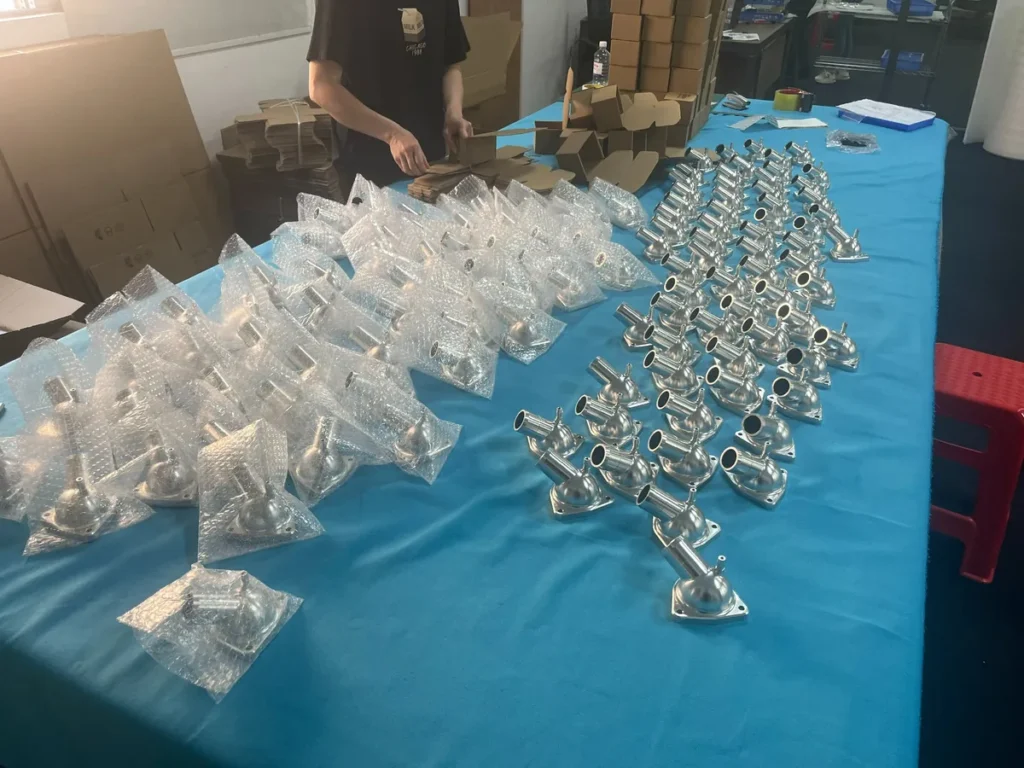
Low-volume manufacturing produces limited or recurring quantities of custom parts using a process appropriate to the geometry, material, quality requirements and expected demand. It can support engineering builds, pilot production, market introduction, replacement parts, product variants, seasonal demand and bridge production while permanent tooling or a larger supply chain is being prepared.
The term does not mean that quality controls are relaxed. A low-volume batch still needs a controlled file set, material specification, accepted process, inspection plan and release decision. In fact, setup and first-part verification often represent a larger share of total cost because they are distributed across fewer parts.
Low-volume manufacturing also does not require every part to use the final high-volume process. A machined polymer housing can support an early launch while an injection mold is being completed. A laser-cut and bent bracket may remain the best lifecycle process when annual demand never justifies stamping tooling. Process selection should be based on useful production evidence and total program economics.
Why Choose SAMSHION for Low-Volume Production?
One Route Review Across Multiple Processes
SAMSHION compares geometry, material, tolerance, quantity, finish, tooling and schedule before recommending a route. A project may use one process, or it may combine machined metal parts, molded covers, sheet metal brackets and purchased hardware under one controlled assembly plan.
DFM Before Production Commitment
Design for manufacturability review addresses features that increase setup count, machining access, mold complexity, forming risk, coating difficulty or inspection uncertainty. Recommendations identify the reason for change and require customer approval when they affect design intent.
First-Off Approval Before Repeat Output
The first acceptable part establishes evidence that the setup and inspection approach can meet the controlled requirements. The approval scope may include dimensional results, appearance, assembly, material documentation or functional checks according to the project. Repeat production proceeds only after the defined release condition is met.
One Revision Across Manufacturing and Finishing
Material, machining, welding, molding, surface treatment, marking, assembly and packaging must refer to the same approved revision. A dedicated project contact coordinates technical questions and change control so that an outdated operation is not carried into a repeat order.
Documentation Defined Before Quotation
Dimensional reports, material certificates, first-article results, coating records or Certificates of Conformance can be supplied when included in the approved scope. The exact report, sampling and traceability level are confirmed before production rather than implied as identical for every order.
When Low-Volume Manufacturing Is the Right Strategy
Pilot Production
A pilot build tests the production route before a broader release. It can expose cycle-time assumptions, fixture limitations, cosmetic variation, assembly bottlenecks, packaging damage or unclear acceptance criteria while the quantity remains manageable.
Bridge Production
Bridge production supplies usable parts while production tooling, automation, certification or a long-term supplier route is still being completed. The bridge process may differ from the planned high-volume process, so functional differences and changeover timing should be documented.
Market Introduction
Limited launch quantities can support controlled customer feedback, regional release or initial sales without committing to inventory based on an unproven forecast. The process must still produce parts that meet the released product requirements.
Product Variants and Custom Configurations
Low-volume processes are useful when customers need several sizes, materials, finishes or configurations. Manufacturing families can share fixtures, tooling or inspection methods when the differences are defined and controlled.
Replacement and Lifecycle Parts
Older products may need service components after the original production line or tooling is unavailable. Reverse engineering, material substitution and drawing recreation require explicit approval and are separate from simply repeating a current controlled design.
Demand with Inherently Limited Quantities
Industrial equipment, laboratory systems, specialty robotics and custom automation may never reach mass-production quantities. A stable low-volume route can be the intended lifecycle process rather than a temporary compromise.
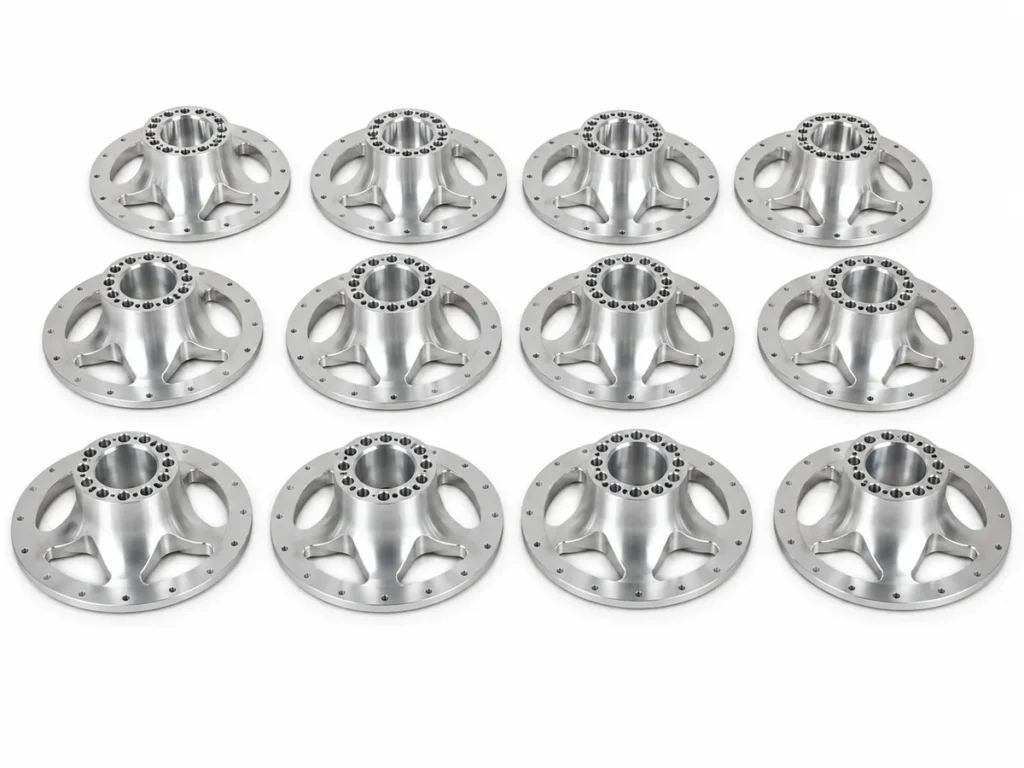
Select the Manufacturing Process Around the Part
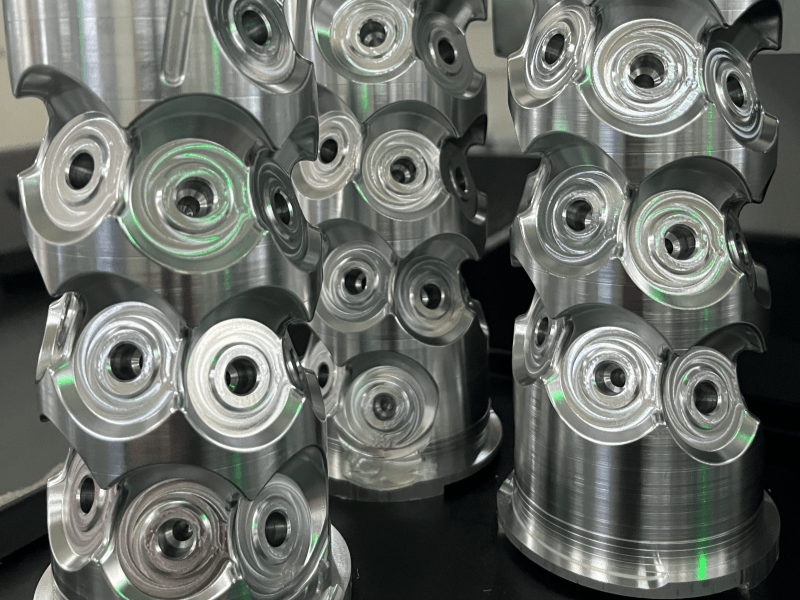
CNC Machining
CNC machining services are often evaluated for metal and plastic parts that require production material, complex geometry, machined interfaces or limited quantities without dedicated forming or molding tools. Setup, programming, workholding, tool access and inspection contribute to cost, so repeat-order planning should preserve approved fixtures and process knowledge.
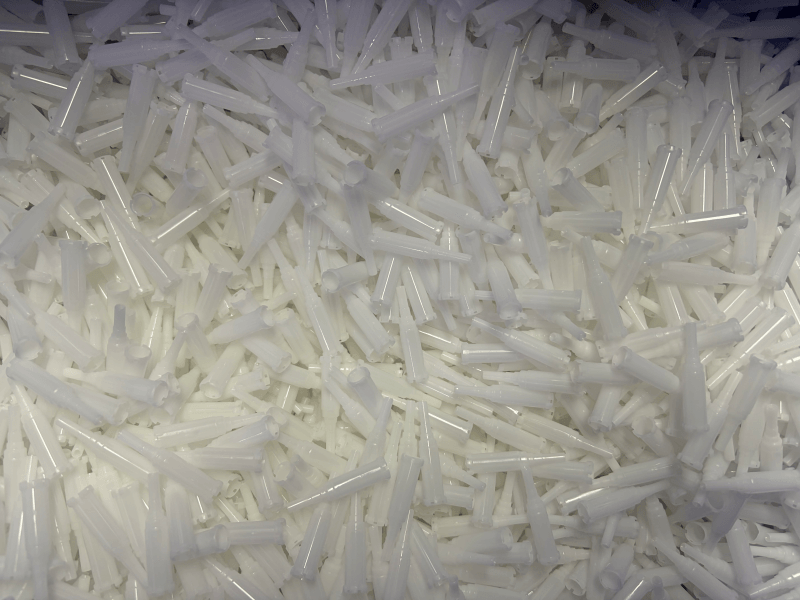
Low-Volume Injection Molding
Injection molding services can be appropriate when the program requires production resin, molded geometry and repeatable quantities that justify tooling. Mold material, cavity count, expected tool life, gate, ejector, cooling, texture and qualification scope must be matched to the forecast and part requirements.
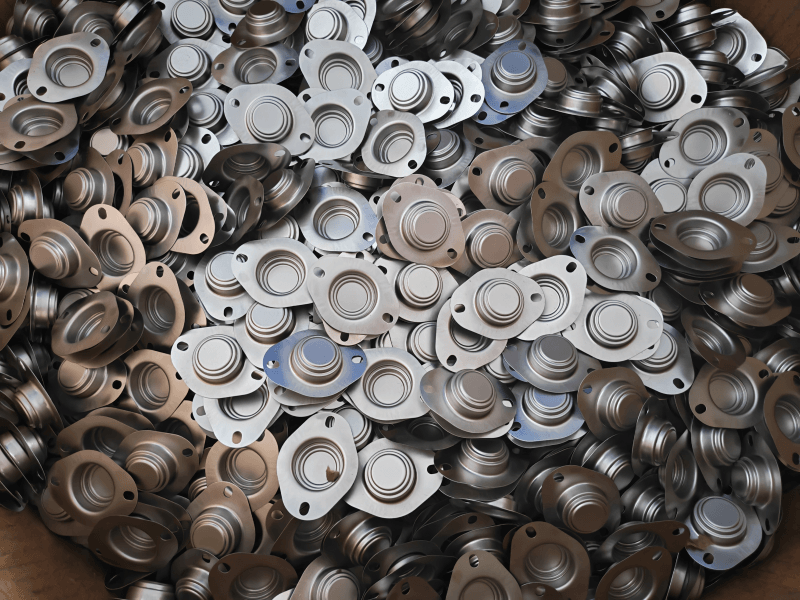
Sheet Metal Fabrication
Sheet metal fabrication supports brackets, panels, enclosures, chassis and welded assemblies produced from flat stock. Laser cutting and press-brake bending can avoid hard tooling for many quantities, while dedicated fixtures or stamping may become appropriate as demand and repeatability requirements increase.
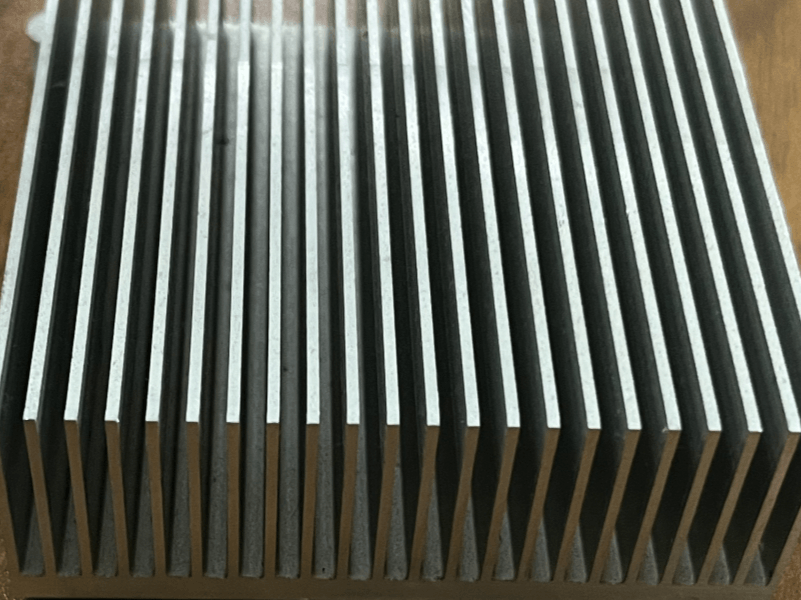
Aluminum Extrusion
Custom aluminum extrusion services can reduce material removal and integrate a constant cross-section into one profile. Tooling, practical order quantity, alloy, temper, cut length, machining and finishing must be reviewed as one route.
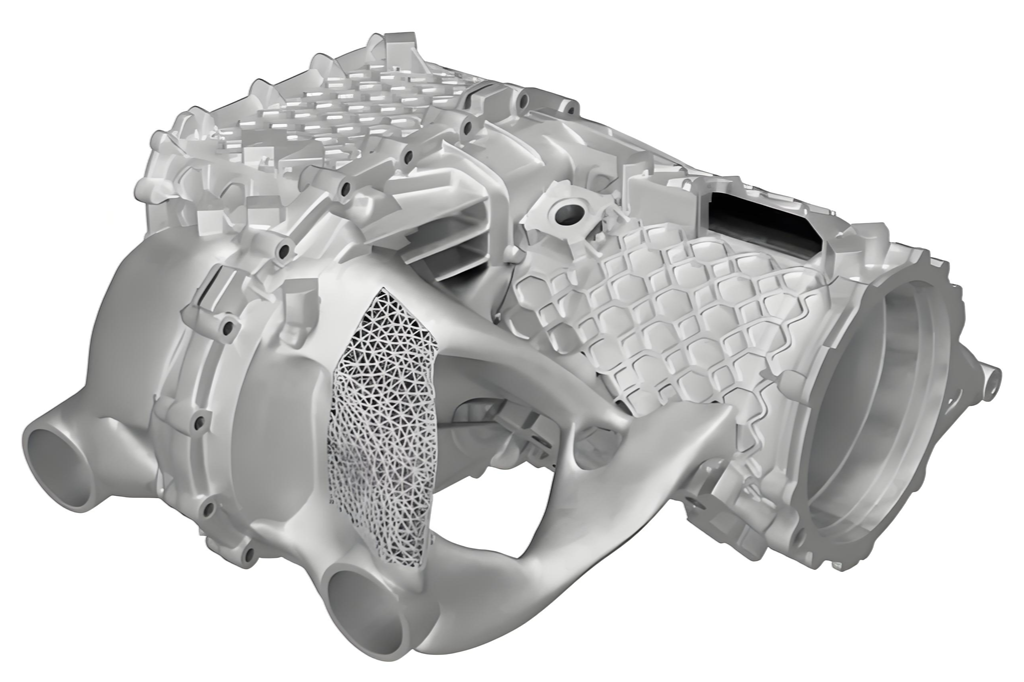
3D Printing
Custom 3D printing can support complex geometry, customized parts, manufacturing aids and selected end-use applications without conventional tooling. Printed material behavior, orientation, support removal, post-processing and qualification must be evaluated for the application.
Vacuum Casting
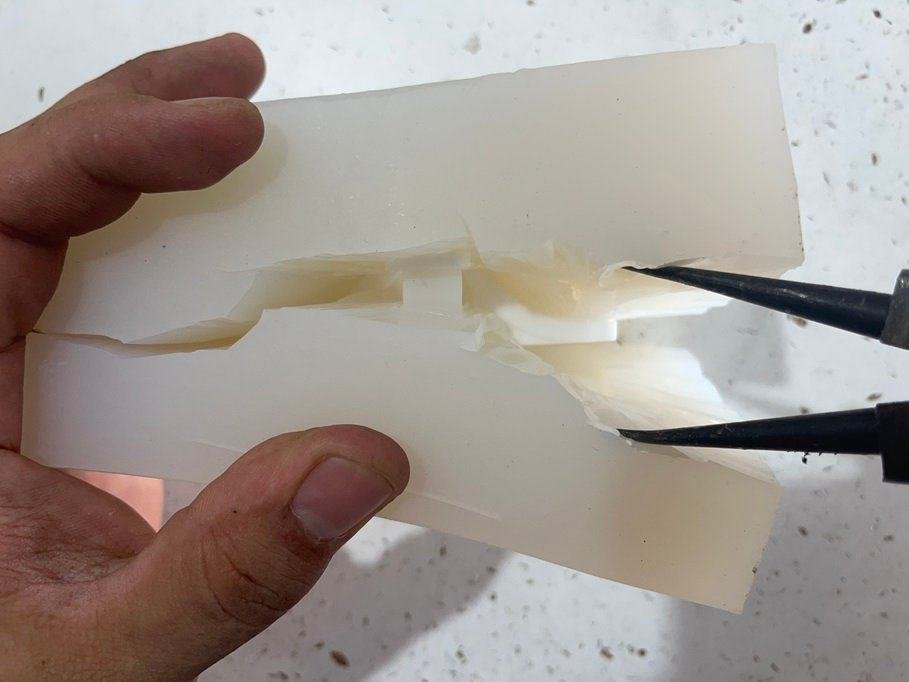
Vacuum casting services use a master pattern and silicone mold to make limited polyurethane or elastomer-like copies. The process can support appearance samples and short transitional quantities, but cast polyurethane is not automatically equivalent to the final injection-molding resin.
From Approved Design to Controlled Production
Freeze the Manufacturing Revision
Provide one approved 3D model and a controlled 2D drawing. The drawing should identify material, tolerances, datum system, finish, threads, appearance zones, marking, assembly, inspection and applicable specifications. Conflicting files must be resolved before release.
Confirm the Production Route
The route defines how raw material becomes an accepted part. It includes primary manufacturing, secondary operations, outsourced special processes where applicable, inspection, cleaning, packaging and documentation. Assumptions are recorded in the quotation.
Build and Inspect the First-Off Part
The initial setup is checked before the entire batch is completed. Critical features and process risks receive priority. A first-off inspection is not automatically a formal industry-specific first-article report; the required format and coverage must be defined.
Approve Appearance and Function
Dimensional compliance alone may not capture color, texture, gloss, grain direction, weld appearance, assembly force or packaging condition. Where these matter, approve reference samples and objective viewing or test conditions.
Release the Batch
After the defined approval condition is met, production continues under the agreed setup and revision. In-process checks are selected around tool wear, machine drift, material lots, forming variation, molding conditions and other process risks.
Close the Order and Preserve Repeatability
Final inspection, records and packaging are completed before shipment. Approved fixtures, programs, tooling identification, finish references and inspection methods support repeat orders, subject to change control and tool condition.
Materials and Surface Finishes
Material selection begins with the application, not a generic list. Define strength, stiffness, impact, temperature, wear, chemical exposure, corrosion, electrical behavior, flammability, appearance and documentation. Use the manufacturing materials guide to compare common metals and polymers, then specify the exact grade, condition or commercial material where properties are critical.
Surface finish should be coordinated before manufacturing because allowance, masking, edge condition, racking, appearance and handling can affect design and inspection. Available routes may include anodizing, conversion coating, passivation, plating, powder coating, painting, blasting, brushing, polishing or part-specific treatments. Review options through surface finishing services and include the exact standard, color, gloss, texture, coating thickness and cosmetic acceptance requirement where applicable.
An approved material or finish substitute must be documented. Similar names, colors or supplier descriptions do not establish equivalence. If regulatory or customer approval is required, obtain that approval before production.
Design Guidelines for Low-Volume Production Parts
Separate Functional Requirements from Habitual Tolerances
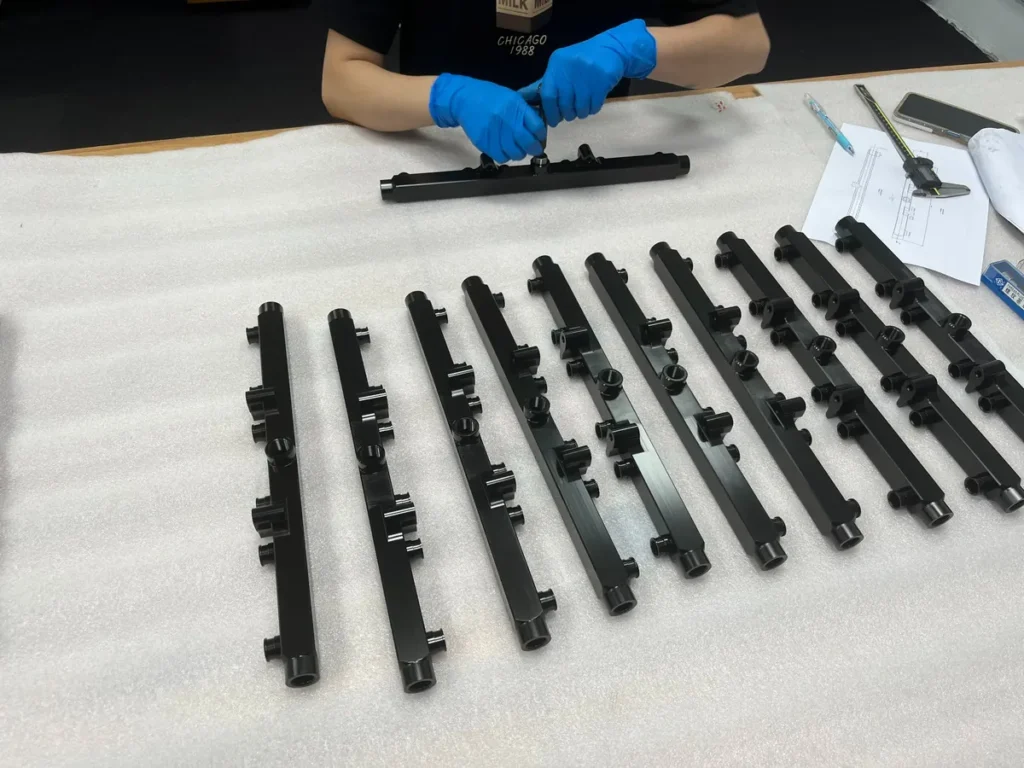
Apply tight tolerances only where they protect fit, motion, sealing, alignment or another defined function. Unnecessary tolerances increase setup, inspection and scrap risk across every process. Use general tolerances for noncritical geometry and identify critical characteristics explicitly.
Design for the Intended Quantity and Repeat Pattern
One pilot batch and twelve recurring monthly batches have different economics even if annual quantity is identical. Repeat frequency affects material purchasing, fixture storage, tooling maintenance, setup reduction and inventory. Share both immediate quantity and expected demand.
Reduce Avoidable Setup Changes
Multiple orientations, deep inaccessible features and cosmetic surfaces used as clamp locations create setup risk. Where function allows, create stable datums, accessible features and protected clamping areas. The goal is not to simplify every part, but to remove complexity that adds no product value.
Plan Secondary Operations Before the Primary Process
Threads, inserts, welding, coating, marking and assembly can change clearances, surfaces and inspection order. Review them before machining, molding or forming begins. A coating applied after a close fit was approved can make an otherwise correct batch unusable.
Define Cosmetic Zones Objectively
Mark appearance surfaces on the drawing. Define color reference, gloss, texture, grain direction, acceptable marks and viewing condition where required. A statement such as “perfect cosmetic finish” is not measurable and should not be the only acceptance criterion.
Preserve Inspection Access
Critical dimensions need a practical measurement method. Avoid datum structures that become inaccessible after assembly or flexible surfaces that cannot be measured repeatably without a defined restraint. Agree gauges or fixtures before production when standard instruments are insufficient.
Plan Packaging as Part of the Process
Finished parts can be damaged by contact, abrasion, moisture, deformation or contamination after they pass inspection. Define protection for cosmetic surfaces, sharp edges, threads, sealing faces and delicate features before the first shipment.
Quote-to-Parts Workflow
Upload the Production Package
Send 3D files, 2D drawings, revision, quantity, expected repeat demand, material, finish, critical tolerances, documentation, packaging and target schedule through the online quotation page.
Review Process and DFM
SAMSHION evaluates the manufacturing method, tooling, setup, secondary operations, inspection and supply risks. Questions and proposed changes are resolved before release.
Approve Scope, Revision and Price
The quotation identifies included processes, tooling, reports, assumptions and estimated timing. Confirm the controlled revision and purchase requirements.
Manufacture and Approve the First-Off Part
The setup is established and the agreed first-off evidence is reviewed. Production continues after the defined approval condition is satisfied.
Complete the Batch and Final Inspection
In-process and final checks follow the agreed plan. Required finishing, assembly, records and packaging are completed.
Deliver and Prepare for Repeat Orders
Shipment references the accepted order and revision. Repeat production uses preserved tooling and process information where appropriate, while approved changes remain traceable.
Quality Control for Pilot and Repeat Production
Low-volume quality begins with clear requirements and controlled changes. SAMSHION’s quality assurance framework supports drawing review, first-off inspection, in-process checks and final release according to project risk.
The official ISO 9001:2015 standard page explains that a quality management system is intended to help organizations meet customer and applicable requirements and continually improve their processes. Certification alone does not define the tolerance, sampling or documentation for a specific part; those items must be established in the project package.

Before Production
- Verify drawing, model, revision and purchase-order alignment.
- Confirm material grade, condition, finish and special-process specification.
- Identify critical features and the measurement method.
- Confirm first-off or first-article approval and report requirements.
- Define packaging, labeling and traceability when required.
During Production
- Inspect the first acceptable setup result before full batch release.
- Monitor features affected by tool wear, drift, forming or process variation.
- Segregate nonconforming material and record disposition.
- Control approved program, fixture, tool and process changes.
- Maintain lot identity to the level agreed for the order.
Before Shipment
- Complete final dimensional and visual checks according to sampling.
- Verify assembly or functional checks included in the order.
- Confirm documentation and labeling.
- Check cleanliness, corrosion protection and packaging.
- Release only the accepted quantity and revision.
Cost Drivers in Low-Volume Manufacturing
Non-Recurring Engineering and Setup
Programming, DFM, fixture design, mold design, tool manufacture, process development and first-part inspection are fixed or semi-fixed costs. They have a larger effect on unit price when divided across a small quantity.
Material and Purchasing Quantity
Raw material may be purchased in standard bars, plates, sheets, resin bags, billets or minimum supplier lots. The quoted material requirement can therefore exceed the net mass of finished parts. Material certificates and special grades can also affect availability and cost.
Cycle Time and Labor Content
Machine time, manual finishing, deburring, welding, molding cycle, inspection and assembly contribute to recurring cost. Automation is useful only when setup investment is justified by quantity and repeat demand.
Yield and Process Risk
Thin walls, distortion, demanding appearance, difficult workholding, unstable materials and tight tolerances can increase scrap or rework risk. A trial or first-off approval reduces uncertainty but does not eliminate every source of variation.
Finishing, Documentation and Logistics
Masking, color control, special-process certification, inspection reports, export packaging and split shipments should be included in the route. Comparing quotations requires comparing scope, not only the price per part.
Low-Volume Manufacturing FAQs
What quantity is considered low-volume manufacturing?
There is no single universal range. Quantity must be considered together with part size, geometry, material, process, tooling, annual demand and repeat frequency. Submit the current batch and expected lifecycle demand so the route can be evaluated correctly.
How is low-volume manufacturing different from rapid prototyping?
Rapid prototyping primarily creates evidence for design decisions. Low-volume manufacturing produces controlled parts from a sufficiently mature design for pilot use, market introduction or repeat demand. A project can move through both stages, but the release criteria and process controls are different.
Do I need production tooling?
It depends on the process and quantity. CNC machining and many sheet metal routes can begin without dedicated hard tooling, while injection molding, extrusion or stamping normally require tooling. Fixtures, gauges and soft tools may still be justified for repeatability or reduced setup.
Can the process change when volume increases?
Yes. Machining may bridge to molding, laser cutting may bridge to stamping, or manual assembly may later be automated. A process change can affect material behavior, tolerances, appearance and validation, so it should be planned and approved rather than treated as automatically equivalent.
What files are needed for a quotation?
Provide a STEP or other suitable 3D model and a controlled PDF drawing. Include material, quantity, repeat forecast, tolerance, finish, cosmetic requirements, assembly, inspection, documentation, packaging and target timing.
Can you provide first-article and material documents?
First-off data, formal first-article reports, dimensional reports, material certificates, coating records or Certificates of Conformance may be provided when requested and included in the quotation. Specify the format, coverage and traceability required.
How long does low-volume production take?
Lead time depends on DFM resolution, material availability, tooling, setup, quantity, secondary operations, finishing, inspection, approval and logistics. SAMSHION confirms a project-specific schedule after reviewing the complete scope; the website does not promise one fixed lead time for every process.
How can I reduce low-volume production cost?
Share expected repeat demand, distinguish critical from noncritical tolerances, simplify avoidable setups, choose available materials, coordinate finishing early and approve a stable revision. Cost reduction must preserve the functional and quality requirements of the product.