
Manufacturing Materials for Custom Metal and Plastic Parts
Material selection connects product performance with a practical manufacturing route. SAMSHION helps engineers compare metals, engineering plastics, elastomers and process-specific materials for CNC machining, injection molding, sheet-metal fabrication, 3D printing, vacuum casting and related production methods.
- Material selection reviewed with the manufacturing process
- Metals, thermoplastics, elastomers and additive materials
- Material certificates and inspection documentation when specified
- Support from prototypes to repeat production
Choose Materials by Manufacturing Process
A material cannot be evaluated independently of the process that will shape it. The same nominal polymer behaves differently when machined from stock, injection molded, 3D printed or cast in polyurethane. A wrought aluminum plate, an extrusion and a casting may share an alloy family but differ in temper, grain direction, porosity risk, achievable geometry and finishing response. Start with the process route, then compare the grades available for that route.
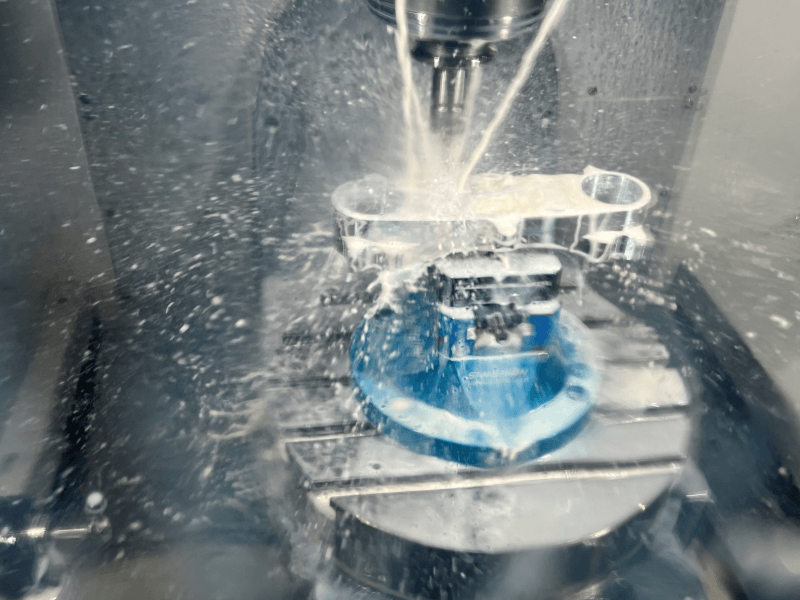
CNC Machining Materials
CNC machining accommodates the broadest range of solid materials. Common choices include aluminum, stainless steel, carbon and alloy steel, copper alloys, titanium, nickel alloys and dimensionally stable engineering plastics. Machinability, stock form, residual stress, tool wear, chip control and thermal stability affect both cost and dimensional performance.
Use CNC machining when the project needs accurate features, low tooling commitment, real engineering material, rapid design changes or quantities that do not justify a dedicated forming tool. Milled housings and plates may suit CNC milling, while shafts, bushings and rotational features may favor CNC turning.
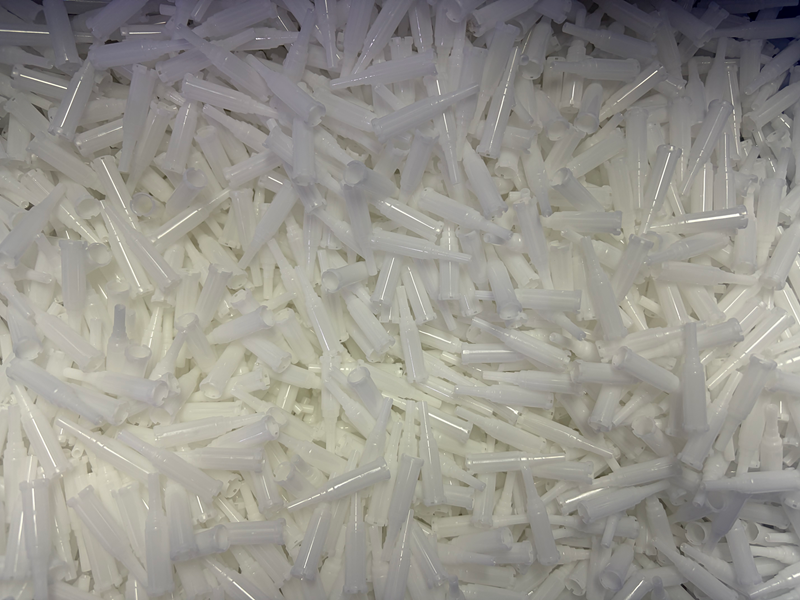
Injection Molding Materials
Injection molding uses thermoplastic pellets, elastomers and selected filled or modified compounds. Resin choice influences shrinkage, flow length, wall design, gate position, warpage, mold temperature, drying, appearance and tooling wear. A commercial family name such as nylon or polycarbonate is not a complete specification; grade, reinforcement, additives, color and regulatory requirements should be stated wherever they matter.
Use molding when the design and quantity justify tooling and when repeatable molded geometry, integrated features and scalable unit production are important. Final resin selection should be confirmed before mold shrinkage and cavity dimensions are released.
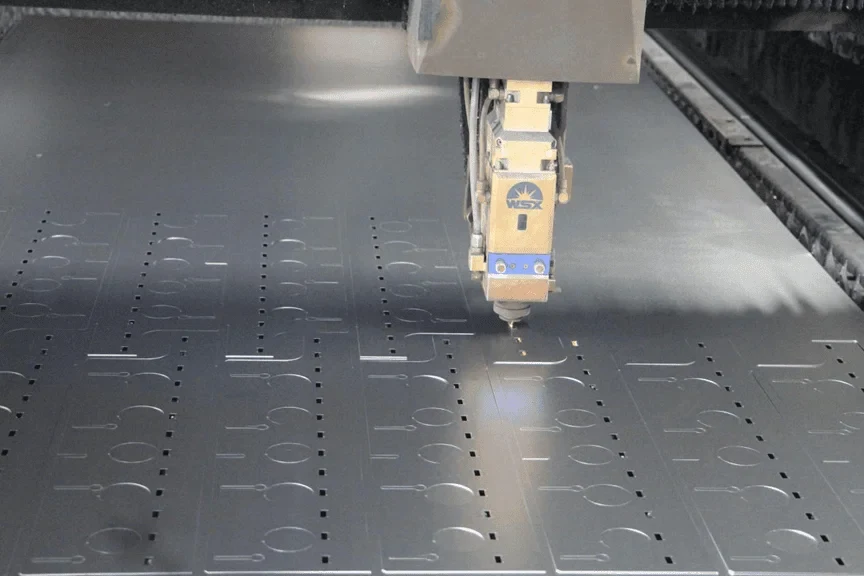
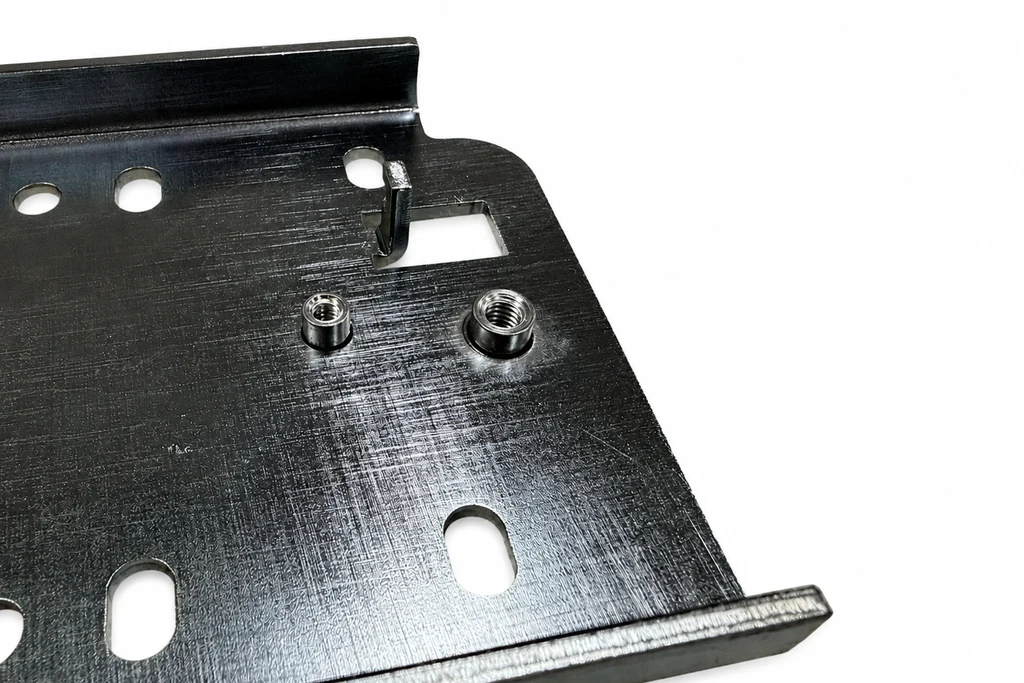
Sheet-Metal Materials
Sheet-metal fabrication depends on alloy, temper, thickness, grain direction, bendability, weldability and surface condition. Aluminum 5052, stainless steels, cold-rolled steels, galvanized sheet, copper and brass each behave differently during cutting, bending, hardware installation, welding and finishing.
Use sheet metal for enclosures, panels, brackets, guards, chassis and welded assemblies whose form can be developed from flat stock. The drawing should identify material and thickness, and it should distinguish general dimensions from post-bend or post-weld critical features.
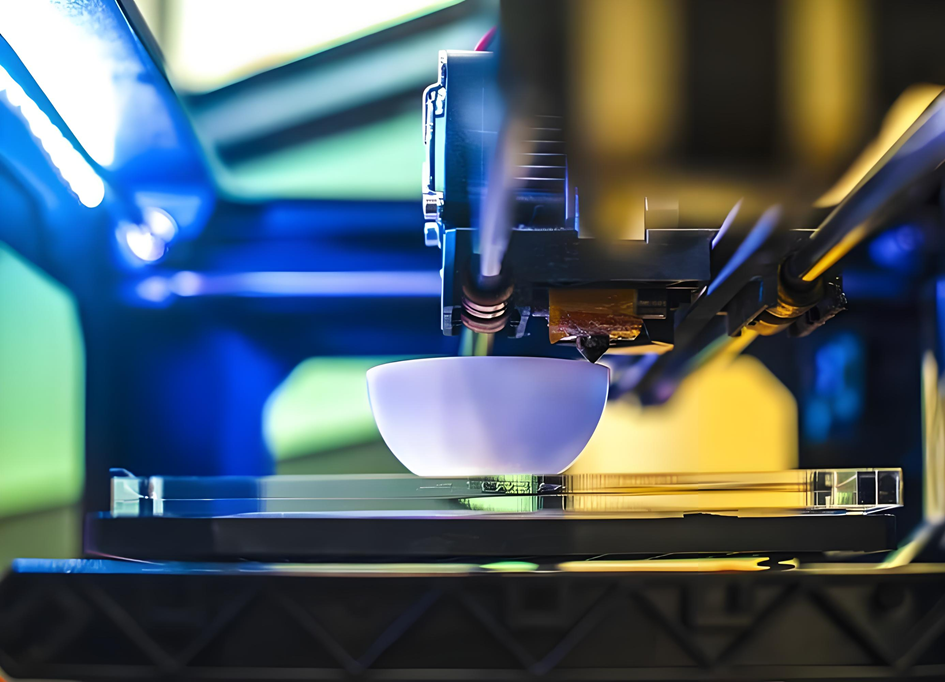
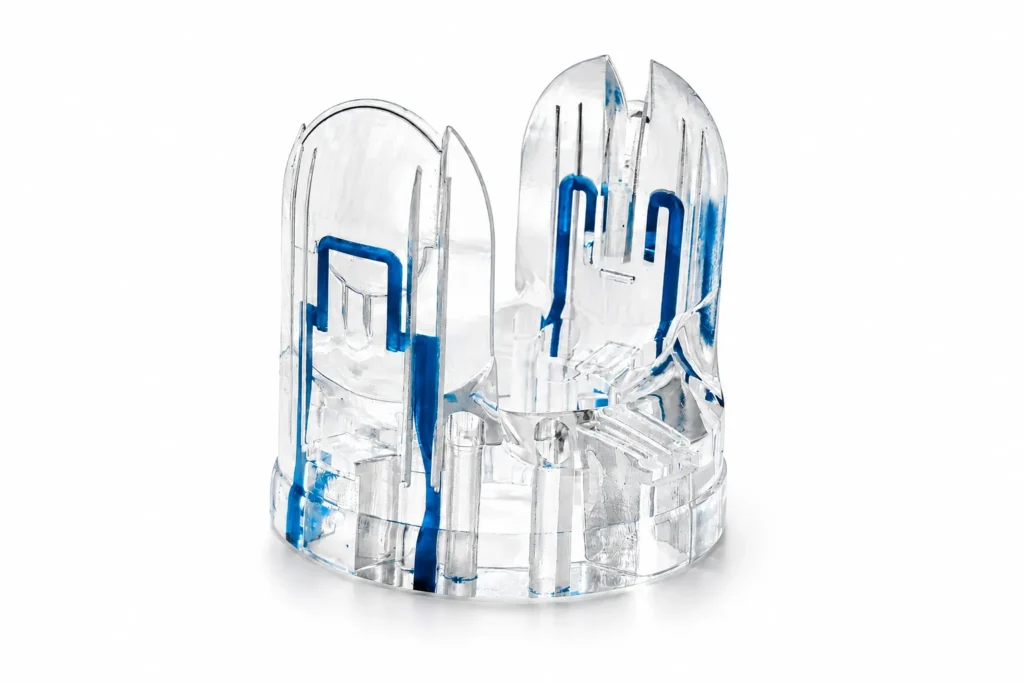
3D Printing Materials
3D printing includes several processes rather than one universal material system. Photopolymer resins, thermoplastic filaments, polymer powders and metal powders have different design rules, anisotropy, surface texture, thermal behavior and post-processing requirements. A printed material described as “ABS-like” or “nylon-like” should not be assumed to equal an injection-molded production grade.
Use additive manufacturing for rapid geometry validation, complex internal structures, low-volume parts and designs that benefit from tool-free production. Select the process and material together based on the test objective and final operating conditions.

Vacuum Casting Materials
Vacuum casting commonly uses cast polyurethane systems formulated to approximate selected characteristics of production plastics. It can reproduce color, texture and flexible or rigid behavior for small batches, but the cast resin remains a simulation material rather than the named injection-molding polymer.
Use vacuum casting for appearance models, assembly trials, exhibition samples and low-volume parts where tooling speed and cosmetic consistency are more important than exact production-resin equivalence.
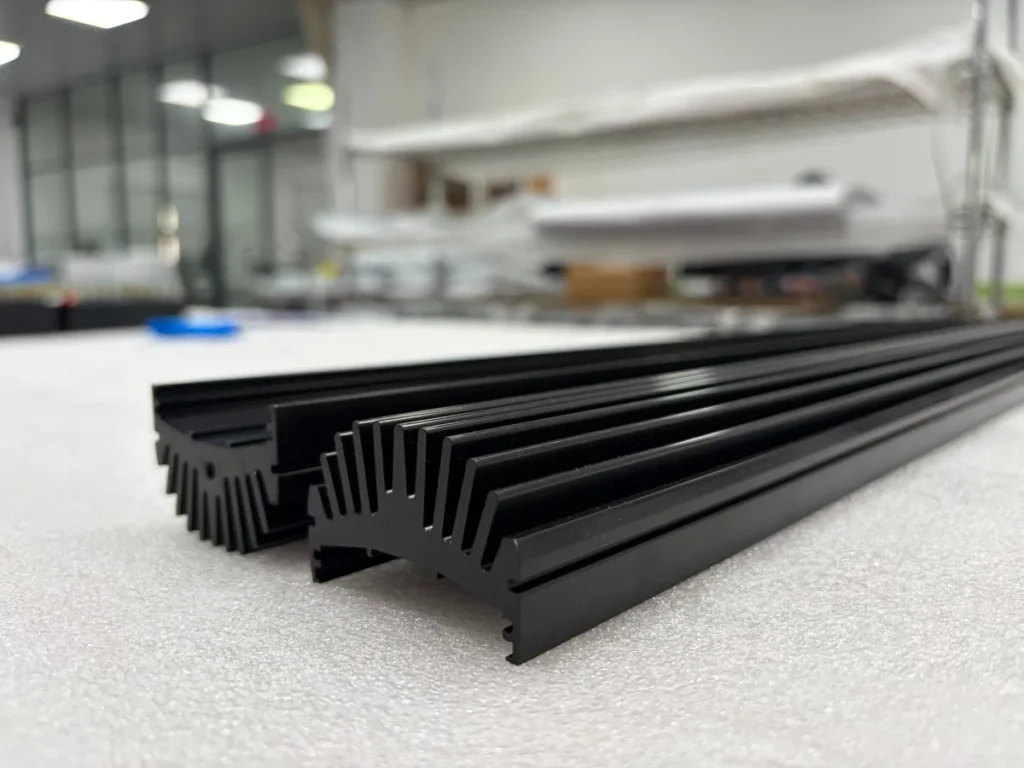
Extrusion and Secondary Machining Materials
Aluminum extrusion is suitable for continuous profiles with a consistent cross-section. Alloy and temper influence extrusion pressure, mechanical properties, bending, anodizing and subsequent machining. Extruded profiles can be cut, drilled, tapped, milled, bent and finished to create production-ready components.
Use extrusion when a repeated cross-section can reduce material waste and machining time compared with removing the same geometry from solid stock.
Metal Materials
Metals are selected by more than strength. Density, stiffness, corrosion resistance, electrical and thermal conductivity, fatigue behavior, temperature exposure, magnetic response, weldability, formability, machinability and finishing compatibility should be considered together.
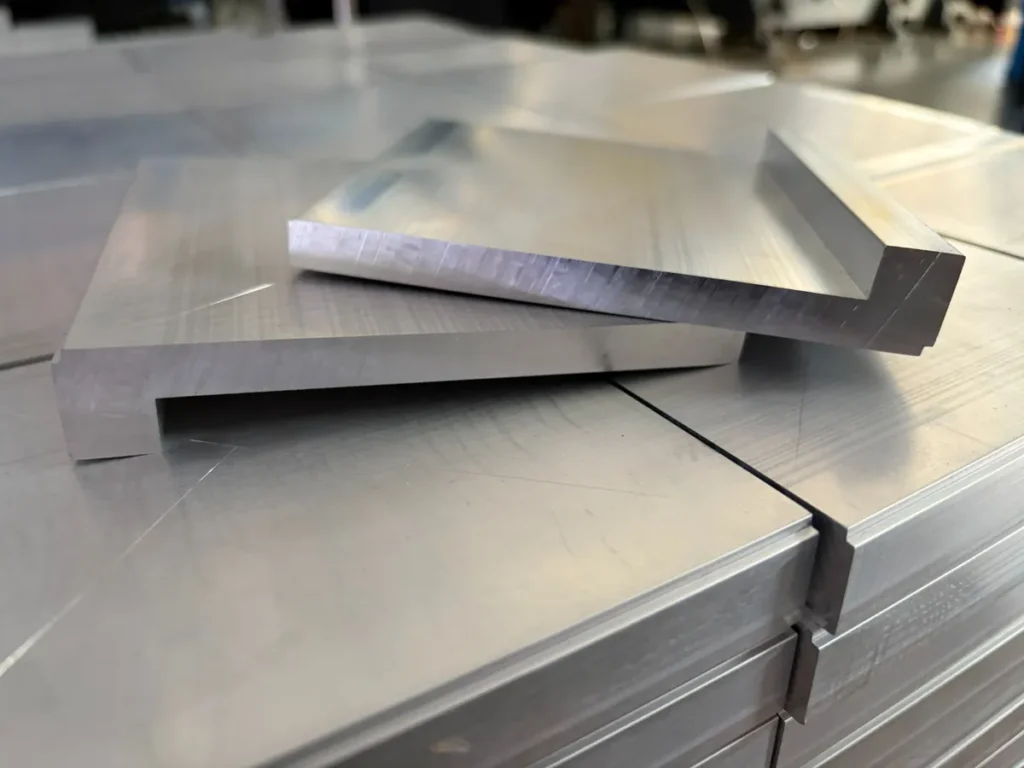
Aluminum Alloys
Aluminum provides a useful combination of low density, machinability, corrosion resistance and finishing versatility. The correct alloy depends on whether the part will be machined, bent, welded, extruded, cast or anodized.
6061
6061 is a versatile machining and structural alloy. It is commonly considered for housings, fixtures, brackets, plates and general engineering components. It machines and anodizes well in appropriate tempers, but actual color and appearance after anodizing depend on alloy condition, preparation and process controls.
7075
7075 is selected when higher strength-to-weight performance is needed. It is common in loaded fixtures, structural components and weight-sensitive parts. Corrosion environment, temper, stress-corrosion risk, stock availability and finishing requirements should be reviewed for the application.
5052 Sheet
5052 is widely used for bent and fabricated sheet-metal parts because of its formability and corrosion resistance. It is generally more appropriate for formed enclosures and brackets than for heavily machined prismatic components.
6063 and Extrusion Alloys
6063 is frequently selected for architectural and heat-management profiles where extrudability and surface appearance matter. Structural load, temper and post-machining requirements should still be verified.
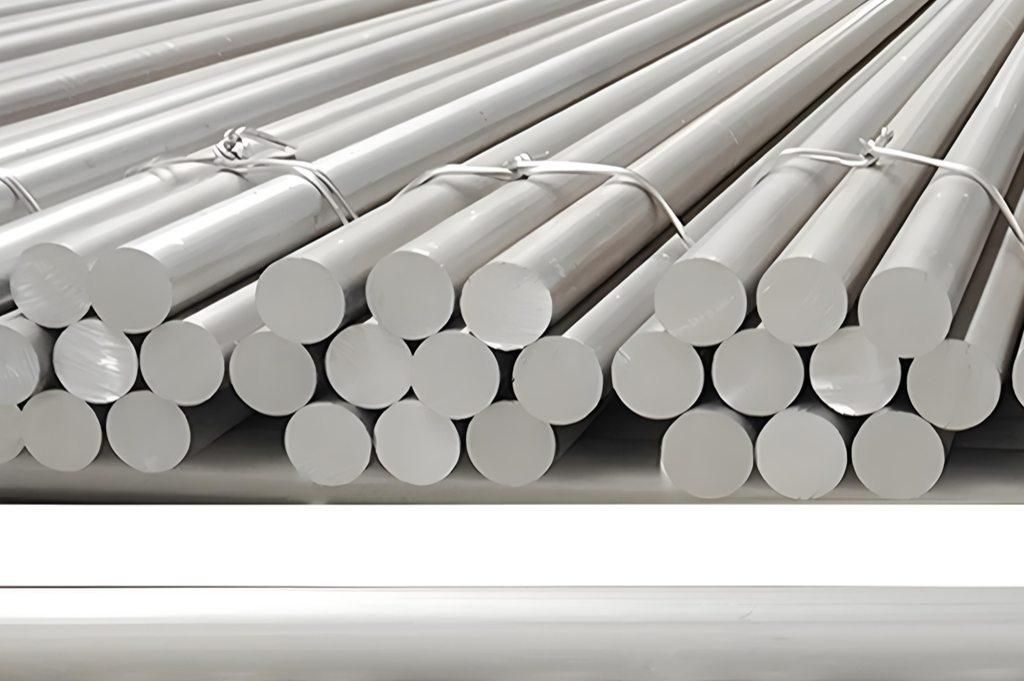
Stainless Steels
Stainless steels combine corrosion resistance with different levels of strength, machinability, formability and heat-treatment response. “Stainless steel” alone is not a sufficient purchase specification.
303
303 is designed for improved machinability and is useful for precision turned or milled components where welding and maximum corrosion resistance are not the primary priorities.
304 and 304L
304-family stainless steels are general-purpose corrosion-resistant choices for machined, formed and welded parts. Low-carbon 304L can be beneficial for welded fabrication, subject to the project specification.
316 and 316L
316-family stainless steels offer improved resistance in selected chloride and chemical environments compared with 304. They are considered for marine, process, laboratory and demanding equipment applications, but suitability must be checked against the actual chemical and temperature conditions.
17-4 PH
17-4 precipitation-hardening stainless steel is used when corrosion resistance and higher mechanical strength are both required. Heat-treatment condition must be stated because it directly influences final properties and machining strategy.
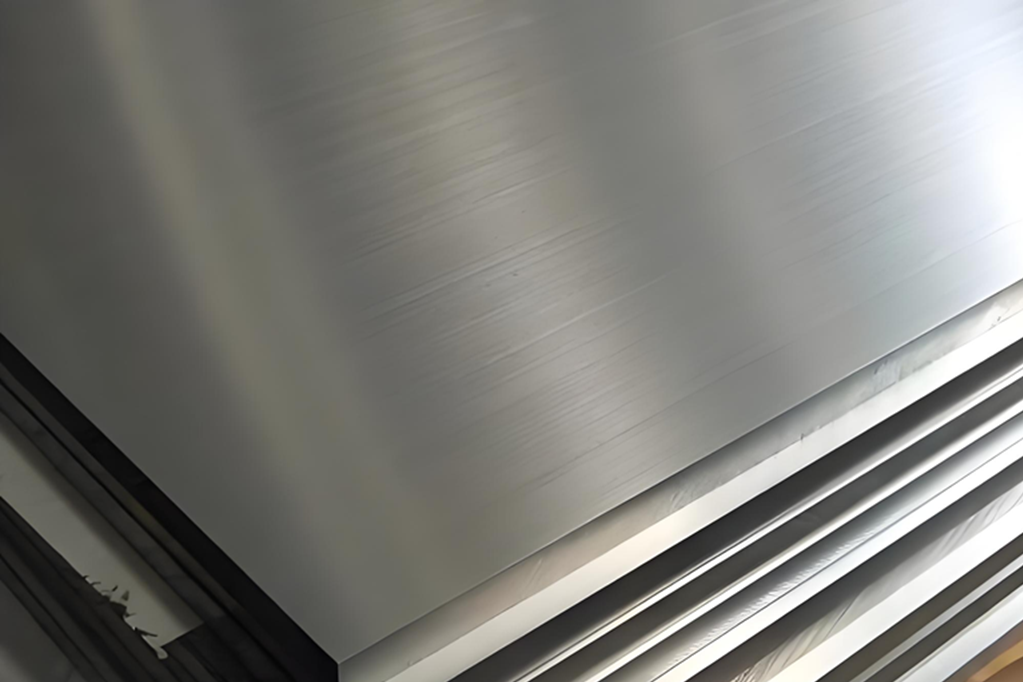
Carbon and Alloy Steels
Carbon and alloy steels provide strength, stiffness, wear resistance and cost efficiency across machinery, tooling and structural applications. Corrosion protection, hardness condition, welding and heat treatment should be defined rather than inferred.
Low-Carbon Steel
Low-carbon grades are useful for fabricated brackets, frames, plates and general machined components. They are readily welded and commonly protected by paint, powder coating, black oxide, zinc plating or another specified finish.
4140 and Similar Alloy Steels
4140 is considered for shafts, tooling, fixtures and loaded machine components that need a useful strength-and-toughness balance. Supply and final heat-treatment condition affect machinability and properties.
Tool Steels
Tool steels such as A2, D2, H13 and related grades are selected for molds, dies, wear components and process tooling. Grade, hardness, heat treatment, dimensional change and finishing sequence should be planned together.
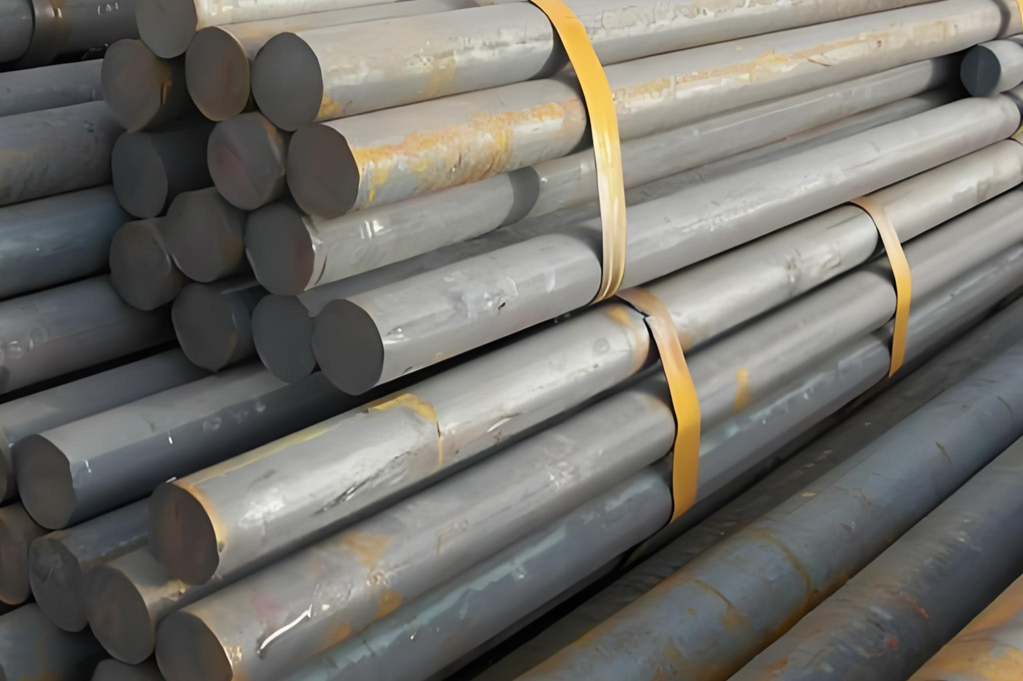
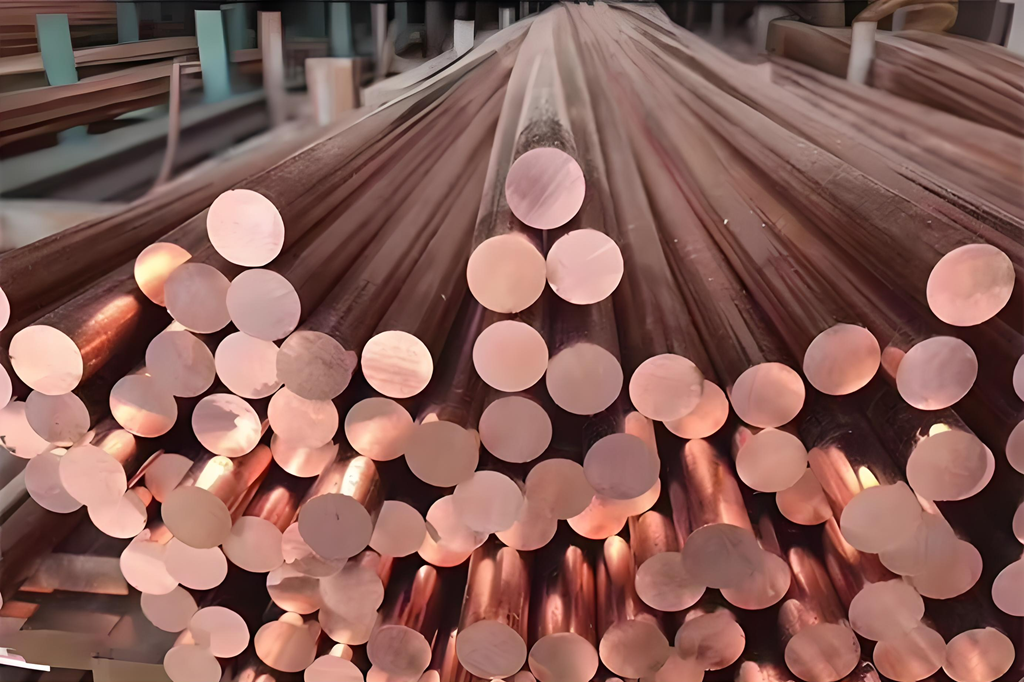
Copper and Copper Alloys
Copper alloys provide combinations of electrical conductivity, thermal conductivity, corrosion resistance, machinability and appearance.
Copper
High-conductivity copper is used for busbars, thermal components, electrodes and electrical interfaces. Its ductility and heat conduction require suitable cutting and workholding strategies.
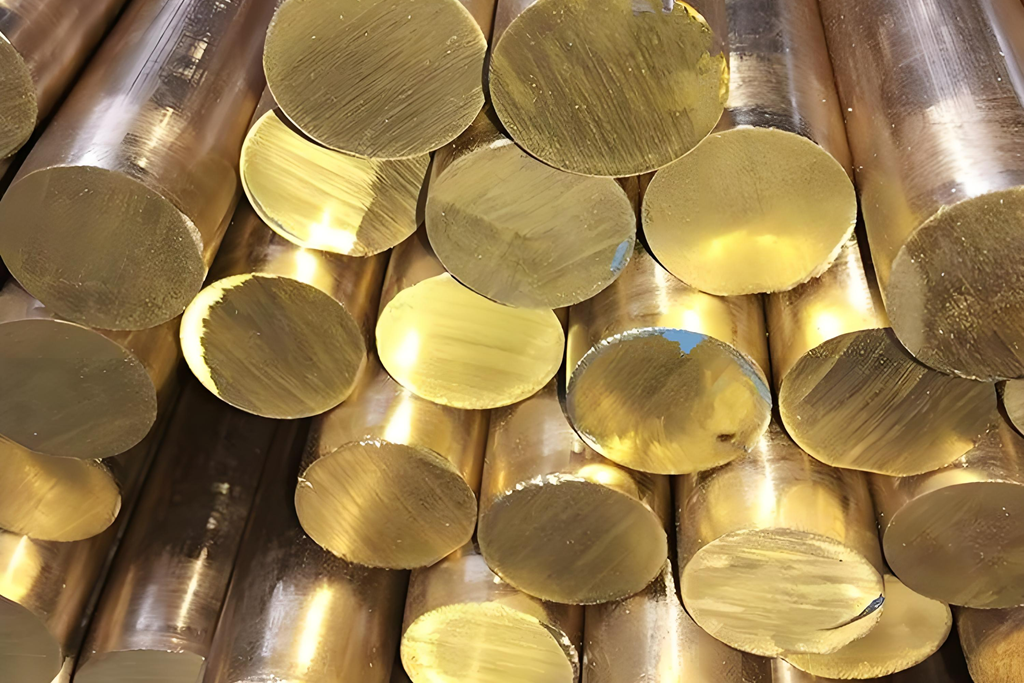
Brass
Brass grades are used for fittings, connectors, decorative components and precision turned parts. Composition influences machinability, forming, conductivity, color and regulatory suitability.
Bronze
Bronze families can provide bearing performance, corrosion resistance and wear behavior for bushings, sliding components and marine or industrial applications. Select the specific bronze grade around load, lubrication and environment.
Titanium Alloys
Titanium offers high specific strength and corrosion resistance but requires controlled machining, heat management and contamination practices. Grade 2 and Ti-6Al-4V serve different property and application needs. Any medical, aerospace or regulated use requires the appropriate material specification, traceability and customer-controlled acceptance requirements; the material name alone does not establish compliance.
Nickel Alloys
Nickel-based alloys are considered for heat, corrosion and high-stress environments. They generally involve high tool wear, slower material removal and careful process planning. Exact grade, condition, certification and required test documentation should be confirmed before quotation.
Engineering Plastics for Machining
Machined plastics can provide electrical insulation, low friction, chemical resistance, reduced mass or rapid access to functional polymer parts without a mold. They also react more strongly than metals to heat, moisture, residual stress, clamping and time-dependent loading.
POM / Acetal
POM offers dimensional stability, low friction and good machinability for gears, guides, spacers, housings and precision mechanical components. Homopolymer and copolymer grades differ, so the exact requirement should be stated when performance depends on grade.
Nylon / PA
Nylon provides strength, wear resistance and toughness, but moisture absorption can change dimensions and properties. Conditioning state and operating environment should be considered for close-tolerance parts.
PEEK
PEEK is used where temperature capability, chemical resistance and mechanical performance justify a premium polymer. Grade, reinforcement, annealing history, stock form and application requirements affect machining and acceptance. Review the PEEK CNC machining guide for additional design context.
Polycarbonate
Polycarbonate is valued for impact resistance and potential transparency. Machining heat, internal stress, cleaners, coolants and polishing methods can affect cracking and optical appearance. Optical or cosmetic requirements require a defined acceptance sample or standard.
ABS
ABS is commonly used for prototypes, housings and general-purpose plastic components. Machined stock can support quick functional evaluation, but its behavior should not be assumed identical to an injection-molded grade or 3D-printed “ABS-like” material.
PTFE
PTFE offers low friction and broad chemical resistance but is soft and susceptible to creep and dimensional movement. Fits and measurement conditions should reflect its material behavior.
PE and PP
Polyethylene and polypropylene provide low density and chemical resistance. Their softness, thermal expansion and tendency to deform under clamping can complicate tight-tolerance machining. For molded PP projects, material flow, shrinkage and living-hinge requirements should be reviewed through the injection-molding route rather than copied from machined stock behavior.

Injection Molding Resins
Injection-molding material selection begins with the complete commercial grade, not just the resin family. Reinforcement, impact modification, flame-retardant package, UV stabilization, release additives, colorants and recycled content can change processing and end-use performance.
General-Purpose Thermoplastics
ABS, polypropylene, polyethylene, polystyrene and related families cover many housings, covers, containers, clips and consumer or industrial components. Selection should consider impact, stiffness, chemical exposure, assembly, finish and operating temperature.
Engineering Thermoplastics
Polycarbonate, PC/ABS, POM, nylon, PET, PBT, PPS, PEEK and other engineering resins are used when dimensional, thermal, wear, flame, chemical or mechanical performance exceeds general-purpose requirements. Drying and processing windows differ substantially by grade.
Filled and Reinforced Resins
Glass fiber, mineral, carbon fiber or other fillers can raise stiffness, dimensional control or heat performance while increasing anisotropy, tooling wear and cosmetic sensitivity. Fiber orientation can influence shrinkage and warpage, so gate location and structural direction matter.
Transparent Resins
Clear polycarbonate, acrylic and other transparent materials require careful attention to resin handling, mold polish, gate and weld-line location, stress, dust and visual inspection. “Clear” should be translated into measurable or sample-based appearance criteria.
TPE and TPU
Thermoplastic elastomers cover a range of hardness, grip, rebound, sealing and overmolding behaviors. Shore hardness alone does not fully define performance. Adhesion to a rigid substrate, chemical exposure, compression set and color should be evaluated for the specific grade.
Color and Regulatory Requirements
Specify resin manufacturer and grade when required, together with masterbatch or color standard, permitted substitutions, recycled-content restrictions and any relevant flammability, food-contact, biocompatibility or environmental documentation. SAMSHION will confirm what can be supported for the project; it should not be inferred from a generic material-family listing.

Sheet-Metal Material Selection
Sheet-metal material is inseparable from thickness and temper. A nominal grade that bends well in one condition may crack or spring back differently in another.
Aluminum Sheet
5052 and 3003 are common formed-sheet choices, while 6061 may be used where higher structural strength is needed but requires more careful bend planning. Grain direction, inside radius and temper influence cracking risk.
Stainless-Steel Sheet
304 and 316 families are used for corrosion-resistant enclosures, panels, guards and welded assemblies. Surface condition such as 2B, brushed or polished should be protected and oriented deliberately when appearance matters.
Cold-Rolled and Galvanized Steel
Cold-rolled steel is widely used for painted or powder-coated brackets and enclosures. Galvanized sheet adds a protective zinc layer but introduces cutting, welding and finishing considerations. Coating condition at edges and joints should match the environment.
Copper and Brass Sheet
Copper and brass sheet are selected for conductivity, shielding, thermal performance or appearance. Bend direction, surface protection, joining and finish need early review because cosmetic damage is difficult to hide.
3D Printing Material Families
Photopolymer Resins
SLA and related photopolymer processes can provide fine detail and smooth presentation surfaces. Mechanical, UV, moisture and long-term thermal behavior depend on the selected resin and post-cure. Use test data for the exact printed material rather than a generic “ABS-like” label.
Polymer Powders
SLS nylon and related powder-bed materials support complex geometry without conventional support structures. Surface texture, porosity, dimensional behavior and dyeing or sealing options differ from molded nylon.
Thermoplastic Filaments
FDM uses deposited thermoplastic roads and is useful for fixtures, concept models and selected functional parts. Layer orientation and process settings can dominate strength and finish; bulk-resin properties alone are not sufficient.
Metal Powders
Metal additive processes can create complex channels and topology that are difficult to machine conventionally. Powder specification, build orientation, support removal, heat treatment, surface finishing, density verification and critical-feature machining form one integrated process plan.
How to Select the Right Material
1. Define the Part Function
State what the component must carry, contain, guide, seal, insulate, conduct, protect or present. Functional statements are more useful than starting with a familiar grade.
2. Define the Operating Environment
Provide temperature range, chemicals, water or humidity, UV exposure, wear, sterilization, electrical requirements and expected service duration where relevant.
3. Separate Must-Haves from Preferences
Identify mandatory properties, regulatory constraints and customer-controlled specifications separately from preferences such as color or a familiar material name. This allows practical alternatives to be evaluated without weakening critical requirements.
4. Match Geometry and Quantity to a Process
Walls, pockets, undercuts, draft, cross-section, assembly features and quantity determine whether machining, molding, fabrication, extrusion, additive manufacturing or a combined route is appropriate.
5. Define Tolerances and Inspection Conditions
Apply tight tolerances only where function requires them. Plastics and thin sections can move with temperature, moisture and fixturing, so measurement temperature, restraint and datum strategy may be important.
6. Specify Surface and Appearance Requirements
Define as-machined condition, texture, gloss, coating, color, masking and cosmetic zones. The surface finishing services page explains how substrate and process affect available finishes.
7. Define Evidence and Traceability
State whether the order requires a certificate of conformity, mill or resin certificate, batch traceability, inspection report, first article report, coating certificate or third-party test evidence. Documentation should be quoted as a project deliverable rather than assumed.
Material Properties Engineers Should Compare
Mechanical Performance
Compare stiffness, yield and tensile strength, impact behavior, fatigue, wear, hardness and creep against the real load case. Published values depend on specimen, direction, conditioning and test method.
Thermal Performance
Review service temperature, thermal expansion, thermal conductivity, heat-deflection behavior and thermal cycling. A short-term peak rating does not automatically establish continuous-service suitability.
Chemical and Environmental Resistance
Compatibility depends on chemical concentration, temperature, exposure time, stress and surface condition. Use supplier data and representative testing for demanding combinations.
Electrical and Optical Requirements
Conductivity, insulation, dielectric behavior, ESD control, transparency, haze and color need grade-specific validation. Manufacturing marks, texture and coating may influence optical appearance.
Dimensional Stability
Moisture absorption, residual stress, stock form, anisotropy, creep, thermal expansion and process shrinkage can change part dimensions. Stable design and inspection require these effects to be considered before tolerances are finalized.
Appearance and Surface Finish
Base material, stock condition, toolpath, mold surface, layer texture and coating preparation determine appearance. When cosmetic quality matters, use approved samples, controlled lighting and defined acceptance zones instead of adjectives alone.
Material Documentation and Quality Control
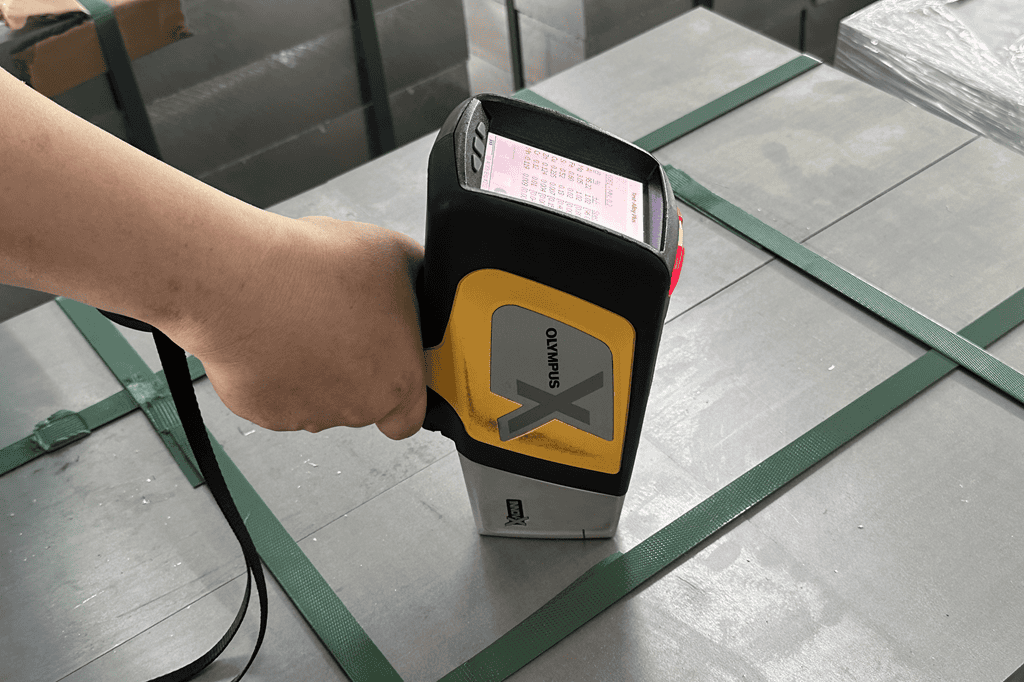
SAMSHION reviews material identification and inspection requirements with the drawing and purchase specification. The appropriate evidence depends on risk, industry, supplier route and customer requirements.
Incoming Material Verification
Incoming checks can include supplier documentation, material identification, dimensions, visual condition and other project-defined verification. Not every order requires the same testing plan.
Certificates and Traceability
Material certificates, resin certificates, certificates of conformity, lot records and test reports can be requested where available and specified. The required document type and acceptance criteria should be stated before production.
Process and Inspection Records
Dimensional reports, first article inspection, in-process records and finish certificates can support controlled production. Review available quality assurance and inspection systems when defining the documentation package.
Substitutions and Change Control
No material substitution should be made where a controlled grade is required without authorization. If equivalent materials are permitted, define the property, standard and documentation basis for equivalence.
Frequently Asked Questions
Can SAMSHION recommend a material from my application requirements?
Yes. Provide operating environment, loads, temperature, chemicals, quantity, tolerance, finish and any mandatory standard. SAMSHION can compare practical manufacturing options, but final design and regulatory approval remain with the responsible customer engineering authority.
Do you stock every material listed on this page?
No universal stock claim is implied. Availability varies by grade, form, condition, quantity and supplier. Current availability and lead time are confirmed during quotation.
Can I specify a particular manufacturer and grade?
Yes. Put the manufacturer, commercial grade, standard, temper or condition and permitted substitutions on the drawing or purchase specification. Restricted sourcing may affect price and lead time.
Can you provide material certificates?
Certificates and traceability can be provided when specified and supported by the supply route. State the exact document requirement before quotation so it can be included in project scope.
Are machined, molded and printed versions of the same polymer equivalent?
Not necessarily. Stock production, molding orientation, reinforcement, moisture, additive process, layer direction and post-processing can produce different properties. Validate the material-process combination used for the final part.
Color and Regulatory Requirements
Specify resin manufacturer and grade when required, together with masterbatch or color standard, permitted substitutions, recycled-content restrictions and any relevant flammability, food-contact, biocompatibility or environmental documentation. SAMSHION will confirm what can be supported for the project; it should not be inferred from a generic material-family listing.
How should I specify plastic color?
Use the resin grade plus an approved masterbatch, color code or physical standard where possible. Also define gloss, texture, lighting and cosmetic acceptance because color perception depends on surface and geometry.
What information is required for a material quote?
Send CAD, a drawing, quantity, material or performance requirement, finish, critical tolerances, operating conditions and required certificates or reports. If the grade is undecided, explain the function and constraints rather than leaving the requirement blank.