
Automotive Prototyping and Custom Parts Manufacturing
Develop and source custom automotive components from early design models through functional prototypes, pilot builds and repeat low-volume production. SAMSHION combines CNC machining, injection molding, sheet metal fabrication, 3D printing and vacuum casting with engineering review and requirements-based inspection for metal and plastic parts.
- Prototype, validation and low-volume manufacturing support
- Metal and engineering-plastic component options
- DFM feedback based on geometry, material, quantity and acceptance requirements
- ISO 9001:2015-certified quality management system
Manufacturing Support for Automotive Product Development
Automotive development involves more than producing a part that matches a CAD model. A component may also need to assemble consistently, resist heat or chemicals, maintain an intentional appearance, support test instrumentation or remain traceable through design changes. The appropriate manufacturing route therefore depends on what the current build is intended to prove.
SAMSHION supports engineers, purchasing teams and product developers that need custom metal and plastic parts for design reviews, assembly trials, engineering validation, demonstration vehicles, manufacturing aids and approved low-volume applications. We manufacture to the released drawings and project requirements supplied by the customer. Vehicle-level validation, regulatory approval and final application suitability remain the responsibility of the product owner and its authorized test organization.
For projects that are still changing, our rapid prototyping services provide a practical route to compare concepts before production tooling is released. Once a design is stable, low-volume manufacturing can support pilot builds, service quantities and repeat orders with a more controlled production route.

Match the Manufacturing Route to the Development Stage
Concept and Packaging Models
Early parts are often used to evaluate envelope, ergonomics, component placement and visual proportion. At this stage, speed and design flexibility may matter more than production material. 3D printing and vacuum casting can create models for packaging studies, airflow mockups, interior concept reviews and limited assembly checks without committing to hard tooling.
Functional Engineering Prototypes
Functional prototypes should reproduce the material, interfaces and loading condition that matter to the test. CNC machining is useful when the test requires production-grade aluminum, steel or engineering plastic. Sheet metal fabrication is appropriate for brackets, covers, trays and enclosures. Where molded behavior matters, rapid tooling may be more representative than a machined or printed substitute.
Pilot and Pre-Production Builds
Pilot quantities help teams verify assembly sequences, inspection methods, packaging and supplier communication before repeat production. At this stage, the drawing, revision status, critical characteristics, appearance requirements and documentation package should be explicit. Manufacturing feedback should be resolved before fixtures and tooling are finalized.
Repeat Low-Volume Production
Repeat production requires more than repeating the prototype method. Workholding, tooling, inspection frequency, traceability and change control must support consistent output. SAMSHION reviews the expected quantity and order pattern so the chosen route can balance unit cost, tooling investment and technical risk.
Automotive Manufacturing Capabilities
CNC Machining for Metal and Plastic Components
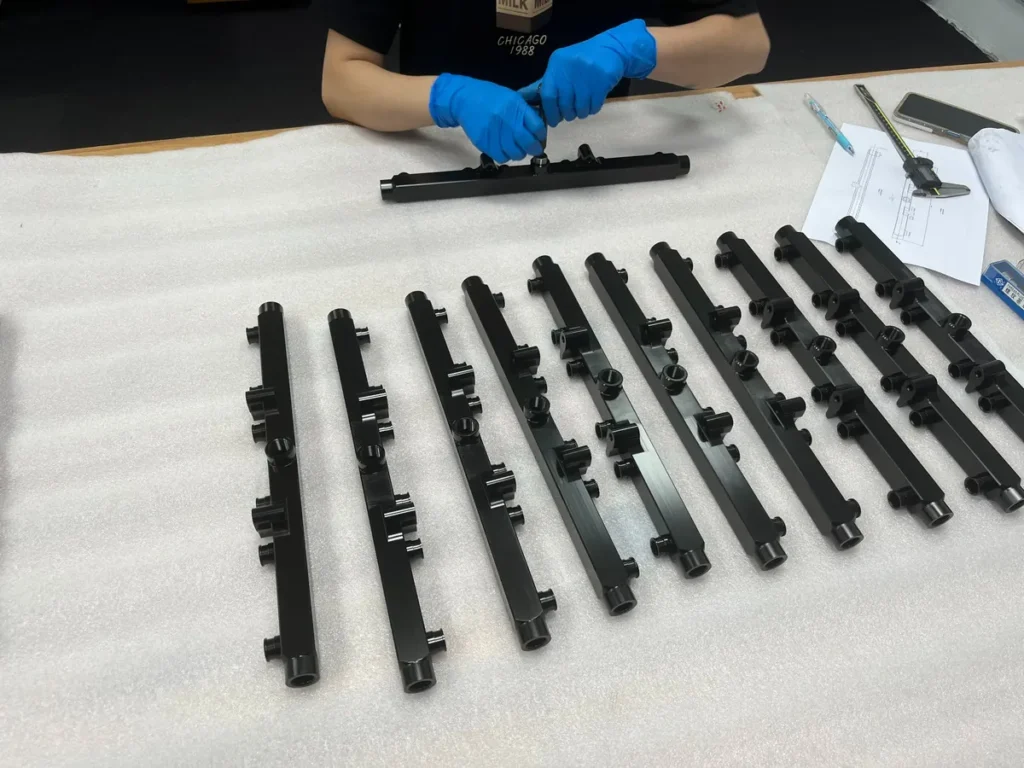
Automotive CNC machining is well suited to housings, adapters, mounting plates, shafts, sensor brackets, test fixtures and other components that require production-grade material or controlled interfaces. Milling can produce pockets, sealing faces and multi-sided features, while turning is efficient for shafts, spacers, bushings and concentric geometries.
The manufacturability review considers datum selection, tool access, internal radii, wall stiffness, workholding and the relationship between tolerance and inspection. A tight value should be applied only where it supports function; unnecessary global tolerances increase setup and inspection effort without improving the assembly.
Injection Molding and Tooling
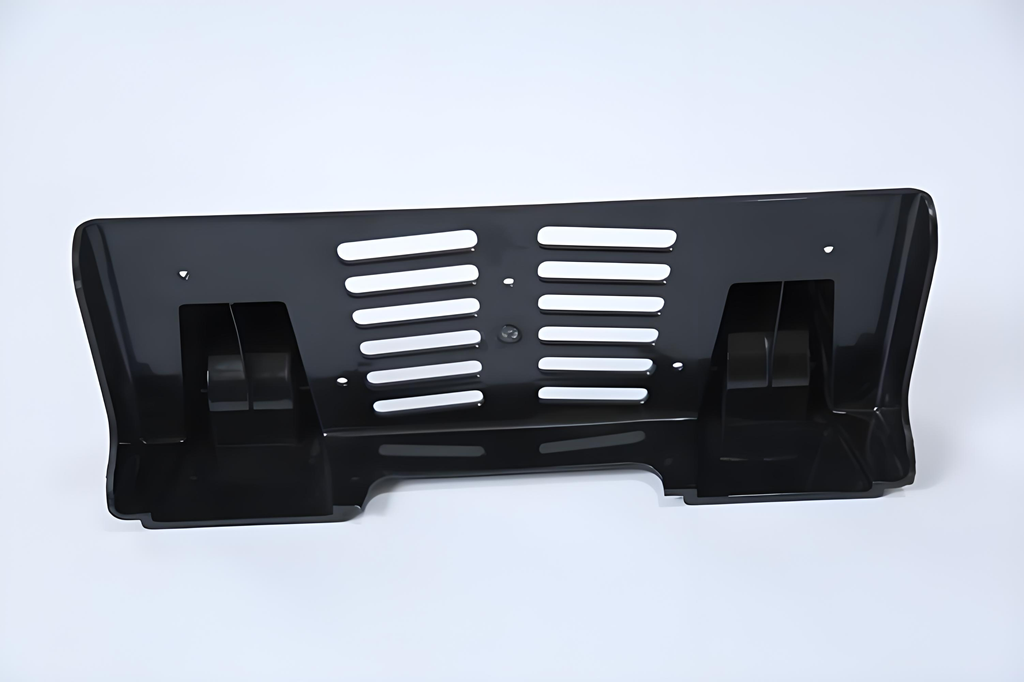
Plastic injection molding supports repeatable plastic housings, covers, clips, guides, connectors and interior or under-hood components when the resin and design are suitable for the intended environment. Part design should account for wall uniformity, draft, ribs, bosses, gates, ejector locations, weld lines, inserts and the required cosmetic surface.
For development quantities, rapid tooling can provide parts in the intended molding resin before a long-life production tool is justified. Tool material, cavity count, mold construction and maintenance requirements should be selected from the expected volume, resin, geometry and acceptance criteria rather than from a generic volume label.
Sheet Metal Fabrication
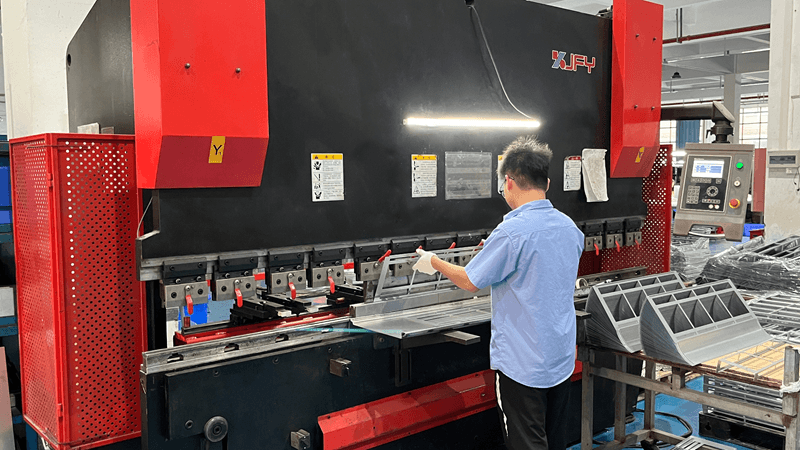
Automotive sheet metal fabrication is suitable for brackets, mounting panels, shields, enclosures, covers, trays and welded assemblies. Laser cutting, bending, hardware insertion, welding and finishing can be combined according to the part design.
Important design inputs include material temper, thickness, bend direction, inside bend radius, hole-to-bend distance, flange length, fastener access and the datum scheme used after forming. Welded assemblies also need an agreed condition for dimensional inspection because heat input and restraint can change the free-state geometry.
3D Printing and Vacuum Casting
3D printing can accelerate packaging studies, ducts, covers, clips, fixtures and complex prototype geometry. The printing process and material should be selected for the validation objective; a visual resin model should not be treated as equivalent to a production thermoplastic without supporting test evidence.
Vacuum casting can reproduce a master pattern in polyurethane materials for appearance evaluation, customer demonstrations and small groups of similar parts. It is useful where color, texture and near-molded appearance matter, but polyurethane properties and silicone-mold variation must be considered when interpreting functional results.
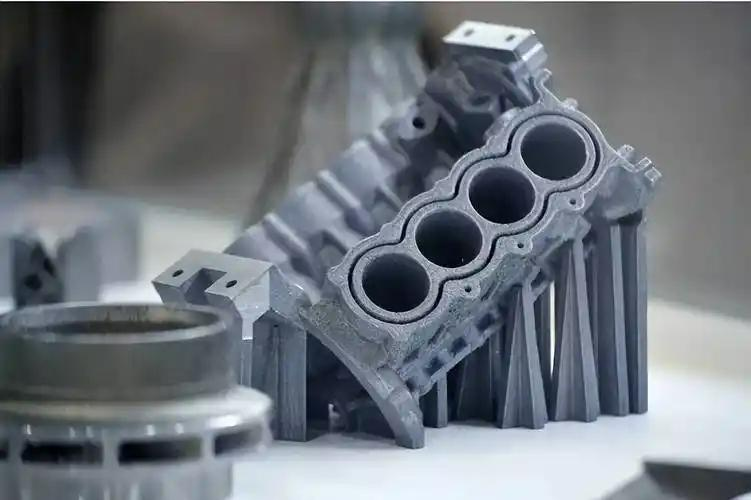
Representative Automotive Component Categories
The following categories describe typical manufacturing geometry, not an automatic claim that a part is approved for road use or a safety-critical vehicle system.
Housings and Thermal Management Components
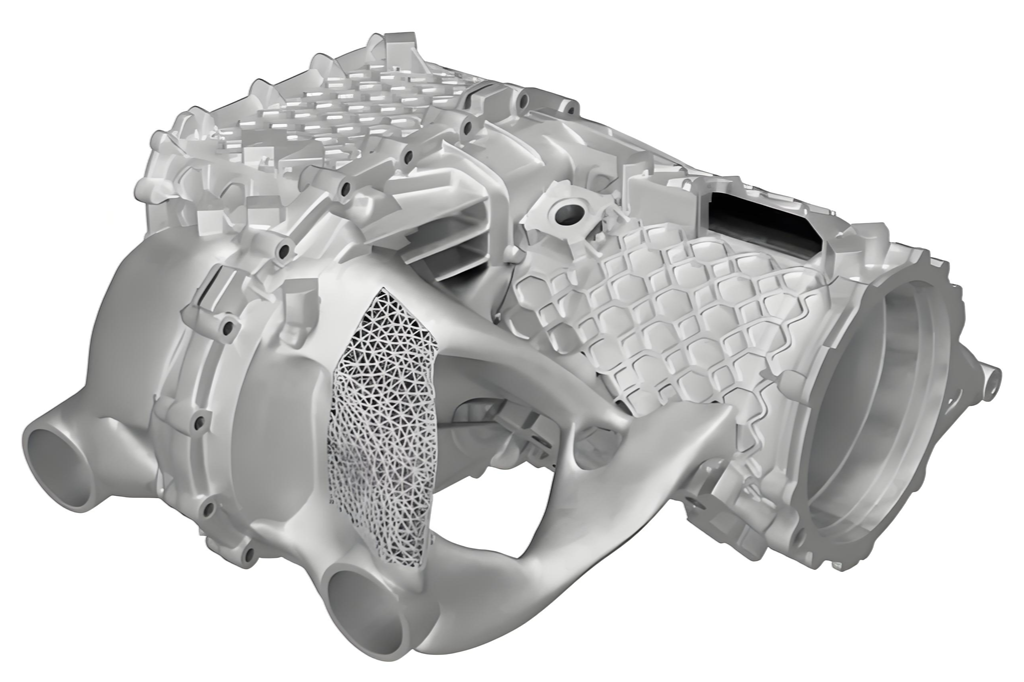
Machined or molded housings can protect sensors, controls, connectors and power electronics. Design review should address sealing interfaces, heat paths, connector alignment, grounding features, wall thickness and access for inspection. Cooling plates and fluid passages require project-specific leak, cleanliness and pressure-test requirements before quotation.
Brackets, Mounts and Structural Interfaces
Machined and formed brackets are common in development vehicles, test systems and low-volume assemblies. Load paths, fastener locations, edge distance, bend direction and contact surfaces should be defined in the released drawing. SAMSHION can manufacture the geometry, but structural validation and vehicle-system approval must be completed by the responsible engineering organization.
Interior and User-Interface Parts
Interior covers, bezels, clips, guides and housings place additional emphasis on visible texture, gloss, color, gap and flush condition. The drawing should identify appearance zones, allowable witness marks and the approved visual master. Mold texture, gate placement and joining method should be coordinated before tooling release.
Prototype Assemblies and Manufacturing Aids
Jigs, checking fixtures, drill guides, assembly nests and test adapters help development teams build and evaluate hardware consistently. These tools should use stable datum features, accessible clamping points and replaceable wear elements where appropriate. Inspection aids must be distinguished from calibrated acceptance equipment unless they have been formally qualified for that purpose.
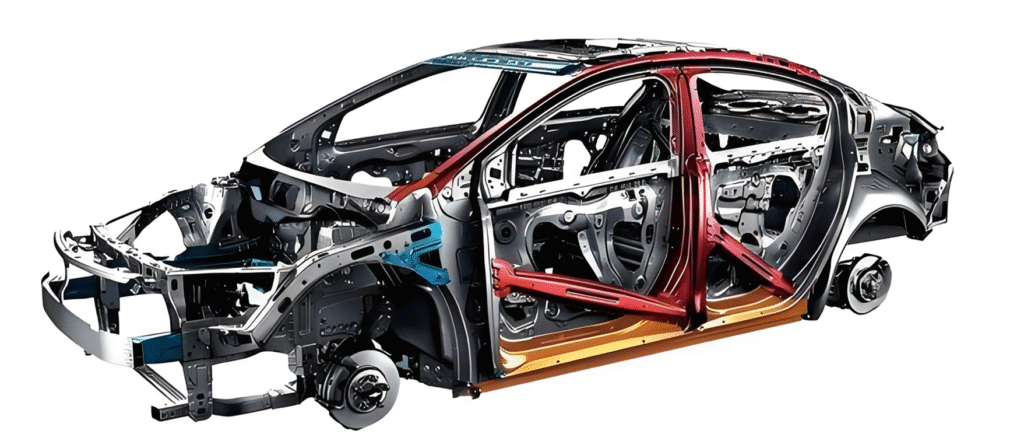
Why Automotive Teams Work with SAMSHION
Multiple Processes Under One Project Review
Programs that include machined, molded, formed and printed parts can be coordinated through one technical contact. This reduces the risk of requirements being interpreted differently across separate RFQs.
Practical DFM Before Production
Manufacturing questions are raised before material, fixtures or tooling are committed. The review focuses on features that affect process stability, inspection access, appearance and cost.
Support from Prototype to Repeat Production
The process can evolve as the design becomes more stable. Early parts may prioritize iteration, while later builds use dedicated fixtures, tooling and inspection planning appropriate to repeat orders.
Requirements-Based Quality Evidence
Inspection records are defined by the project rather than promised as the same package for every order. This gives customers evidence that is relevant to their drawing and acceptance plan.
Materials for Automotive Development Parts
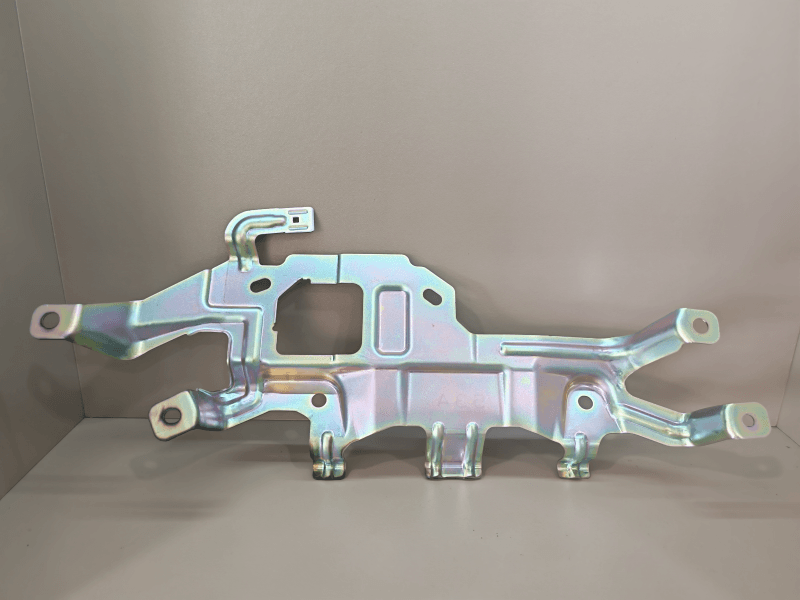
Material selection starts with the required function, environment and manufacturing process. Aluminum alloys are frequently chosen for machinability, mass reduction and corrosion resistance. Stainless and carbon steels offer different combinations of strength, wear resistance and coating compatibility. Copper alloys may be considered for electrical or thermal functions. Engineering plastics provide options for insulation, chemical resistance, low friction and molded complexity.
The grade on the drawing should be specific enough to purchase and verify. Generic descriptions such as “aluminum,” “ABS-like” or “stainless” can hide important differences in temper, reinforcement, flame behavior, heat resistance and dimensional stability. Our manufacturing materials guide provides process-oriented context, while project acceptance should always follow the released material specification.
When submitting an inquiry, include the material grade or the performance requirement that drives selection. If an alternative is acceptable, identify which properties cannot change and which may be optimized for availability, cost or processing.
Surface Finishes and Appearance Requirements
Finishing can provide appearance, corrosion protection, wear resistance, conductivity or preparation for bonding and assembly. Common routes include anodizing for aluminum, passivation for stainless steel, zinc-based coatings for suitable steel parts, powder coating, painting, plating, polishing, bead blasting and molded-in texture.
The finish specification should identify the substrate, color or texture reference, protected areas, threaded or electrical-contact features, cosmetic zones and the inspection method. Coating thickness can affect fits, threads, sealing surfaces and grounding points, so masking and dimensional allowances should be resolved before production.
Our surface finishing services page explains available metal and plastic appearance options. Availability and technical suitability are confirmed for each drawing rather than assumed from a general finish list.
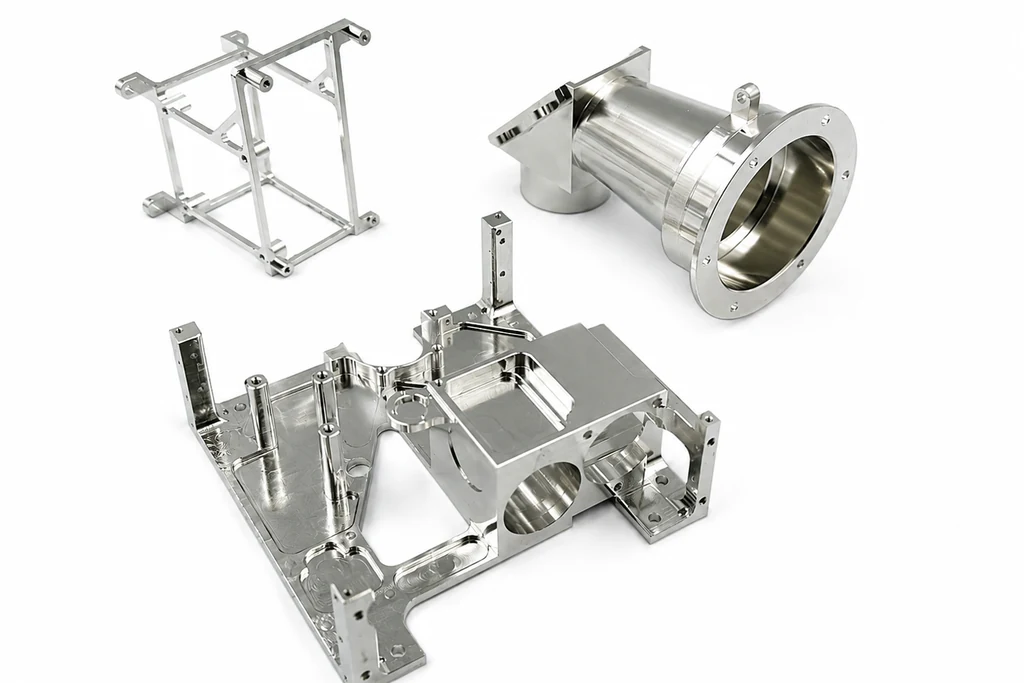
Design for Manufacturability for Automotive Components
Define the Validation Objective First
A prototype should be designed around the question it must answer. A packaging model, thermal test housing and assembly-release sample may require different materials and production methods even when the external geometry is identical. State whether the build is intended to evaluate form, fit, function, appearance, process or a combination of these.
Control Interfaces, Not Every Surface
Identify the datums and characteristics that control assembly. Hole patterns, bearing seats, sealing faces, connector locations and gap-and-flush interfaces often matter more than nonfunctional surfaces. Applying the same tight tolerance to every dimension increases manufacturing cost and can make inspection ambiguous.
Account for Heat, Vibration, Fluids and UV Exposure
The customer should define the relevant environmental conditions, including temperature range, fluid contact, vibration spectrum, UV exposure and cleaning agents. Material data can guide screening, but application suitability should be confirmed through the vehicle developer’s approved testing plan.
Plan Threads, Inserts and Fastener Access
Thread engagement, insert pull-out, tool access and service direction affect both design and assembly. Molded-in or heat-staked inserts may be appropriate for plastic parts, while machined or formed features may suit metal components. Critical joint requirements should be communicated with the drawing rather than left to supplier assumption.
Treat Cosmetic Surfaces as Controlled Characteristics
Appearance zones should define texture, gloss, color, sink, weld-line visibility, ejector marks and acceptable handling condition. A physical master or approved limit sample gives clearer acceptance evidence than subjective phrases such as “perfect finish.”
Quality Planning and Inspection
SAMSHION operates under an ISO 9001:2015-certified quality management system. The system supports controlled review, production and inspection, but it does not replace application-specific requirements. If a project requires a customer format, special approval package, statistical study, traceability level or third-party test, those requirements must be agreed before order acceptance.
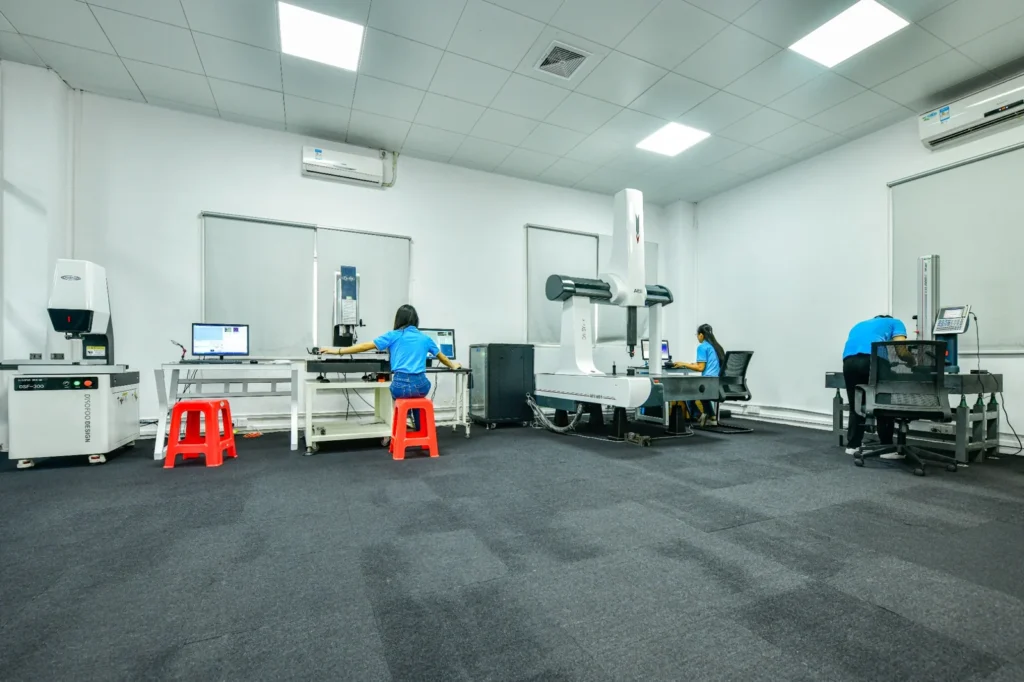
Our quality assurance approach begins with drawing and requirement review. The team identifies the revision, material, finish, critical dimensions and requested records before production. Depending on the project, inspection may include first-off checks, in-process verification, final dimensional inspection and visual assessment. CMM, optical and conventional measurement methods are selected according to feature geometry and required evidence.
Automotive Manufacturing FAQ
Can SAMSHION manufacture road-legal or safety-critical automotive parts?
SAMSHION manufactures build-to-print components to agreed drawings and project requirements. The vehicle manufacturer or responsible design authority must determine application suitability, validation, regulatory compliance and release for road or safety-critical use.
Do you provide PPAP documentation?
Do not assume a standard PPAP package is included. If your project requires PPAP elements, customer-specific templates or statistical studies, provide the required level and documents during the RFQ so feasibility, responsibility, timing and cost can be reviewed before order acceptance.
Are you IATF 16949 certified?
SAMSHION’s verified certification is ISO 9001:2015. Do not describe SAMSHION as IATF 16949 certified unless a current certificate with the correct legal entity and scope is available. Customer-specific automotive quality requirements should be submitted for review.
Which automotive prototype process should I choose?
Choose the process from the validation objective. 3D printing is useful for rapid geometry iteration; CNC machining provides production-grade metal or plastic; sheet metal fabrication supports formed brackets and enclosures; vacuum casting supports appearance models and small sets of similar parts; rapid tooling produces molded parts in an intended thermoplastic when molding behavior matters.
Can one project include metal and plastic parts?
Yes. A project may combine CNC-machined parts, molded housings, sheet metal brackets and printed or cast prototype elements. Supply assembly interfaces and revision-controlled drawings so the parts can be reviewed together.
What tolerances can you hold?
Tolerance capability depends on material, geometry, feature size, process, datum structure, part condition and inspection method. Add functional tolerances to the drawing and submit the files for a feature-by-feature review rather than relying on one universal tolerance claim.
Can you match texture, gloss or color?
Texture, gloss and color can be coordinated when the substrate, process and acceptance reference are defined. Provide a recognized texture specification, color reference, gloss range or approved physical sample. Exact appearance should be confirmed through a project-specific sample and approval process.
Can you support EV component development?
SAMSHION can manufacture custom housings, brackets, covers, fixtures and related metal or plastic components for EV development projects. Electrical safety, thermal performance, sealing, pressure, cleanliness and vehicle-level validation requirements must be defined and approved by the responsible engineering organization.
What files should I send for quotation?
Send a STEP or other native 3D CAD file together with a controlled 2D drawing. Include revision, quantity, material, finish, tolerances, critical characteristics, test requirements, documentation and packaging expectations.
How do you protect design revisions?
Each RFQ and order should reference the applicable part number and revision. Changes should be released in writing with updated files so quotation, production and inspection use the same controlled requirements.