A bracket, a cover or an electronics enclosure can often be made two ways: bent from flat sheet, or machined from a solid block. Both routes can produce a part that fits and works, but they behave very differently on cost, lead time, tolerance, weight and how the part scales to production. Picking the wrong one is one of the most common reasons a quote looks expensive, which is why sheet metal vs CNC machining is a question worth settling early in a design.
This guide compares sheet metal fabrication vs CNC machining from a buyer’s and design engineer’s point of view. We run both processes in our own factory: CNC machining with 137 CNC machines, and sheet metal fabrication with fiber laser cutting, turret punching, CNC bending, welding and stamping. The comparisons below come from parts we quote and make in our own workshops.
Sheet Metal vs CNC Machining: Quick Answer
- Choose sheet metal when the part has a roughly uniform wall thickness of 0.5–6 mm and its shape can be cut flat and bent: brackets, covers, chassis, panels and enclosures.
- Choose CNC machining when the part has varying wall thickness, thick bosses, pockets, precise bores, sealing faces or 3D surfaces, or when features need tolerances tighter than a bent part can hold.
- Cost: for parts that suit both, sheet metal is usually cheaper, because there is little material waste and cutting and bending are fast. Machining a thin-walled shape from solid removes most of the block.
- Tolerance: our default general tolerance is ISO 2768-mK for machined features and laser-cut features, and ISO 2768-c for bent dimensions. CNC machining reaches ±0.01 mm on selected features.
- Lead time: laser-cut-only parts take about 1 day and bent prototypes about 3–7 working days. CNC prototypes take about 7 working days, with simple parts from 3 days.
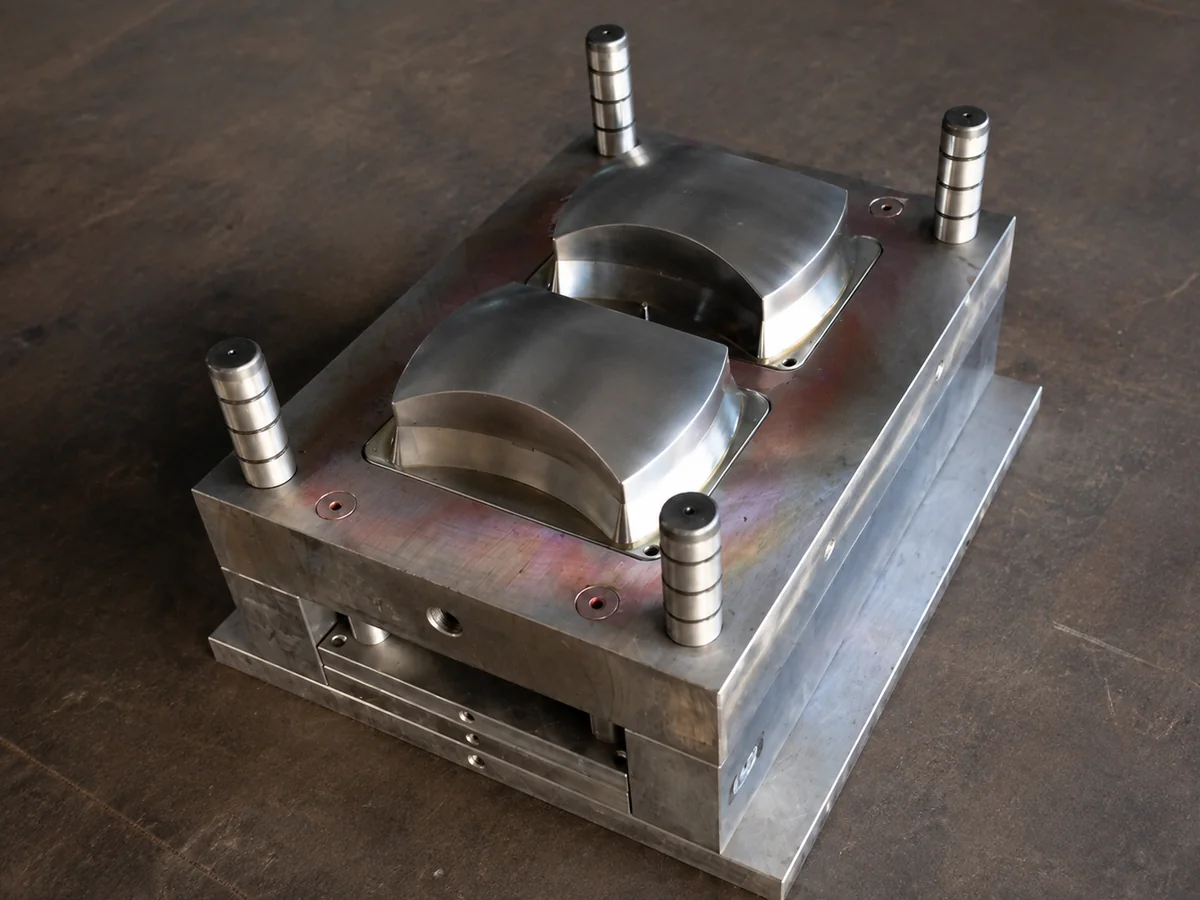
- At volume: stable sheet metal parts can move to stamping; machined parts usually stay on CNC or move to casting or molding.
How Each Process Makes a Part
Sheet Metal Fabrication
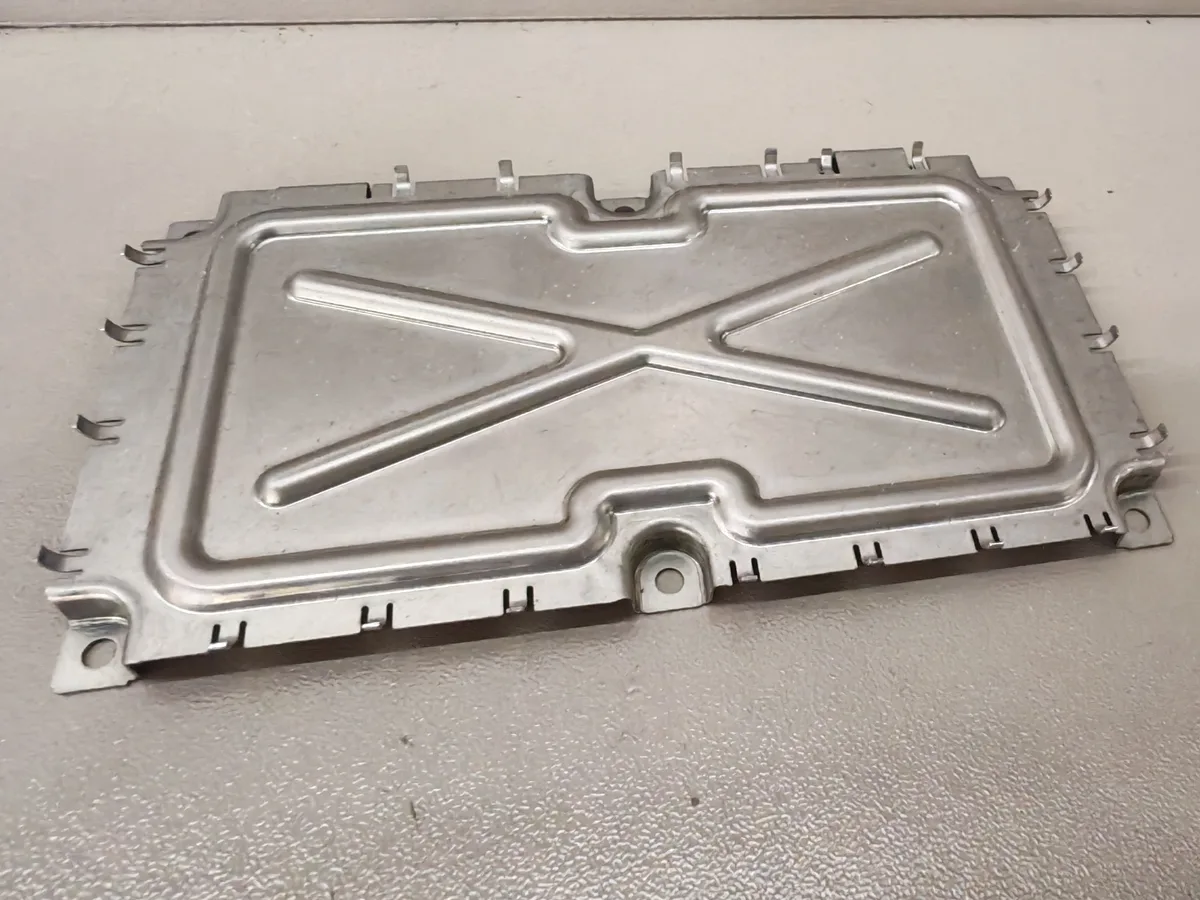
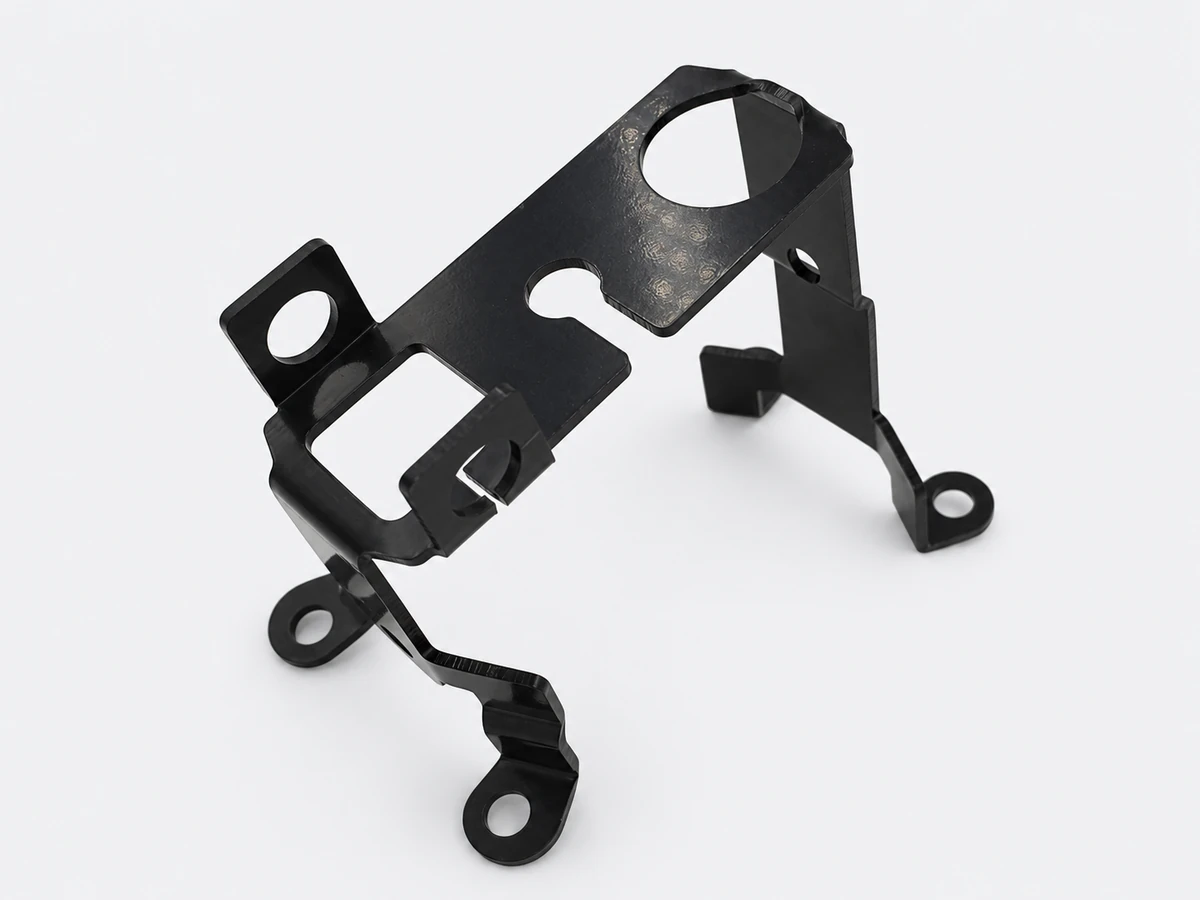
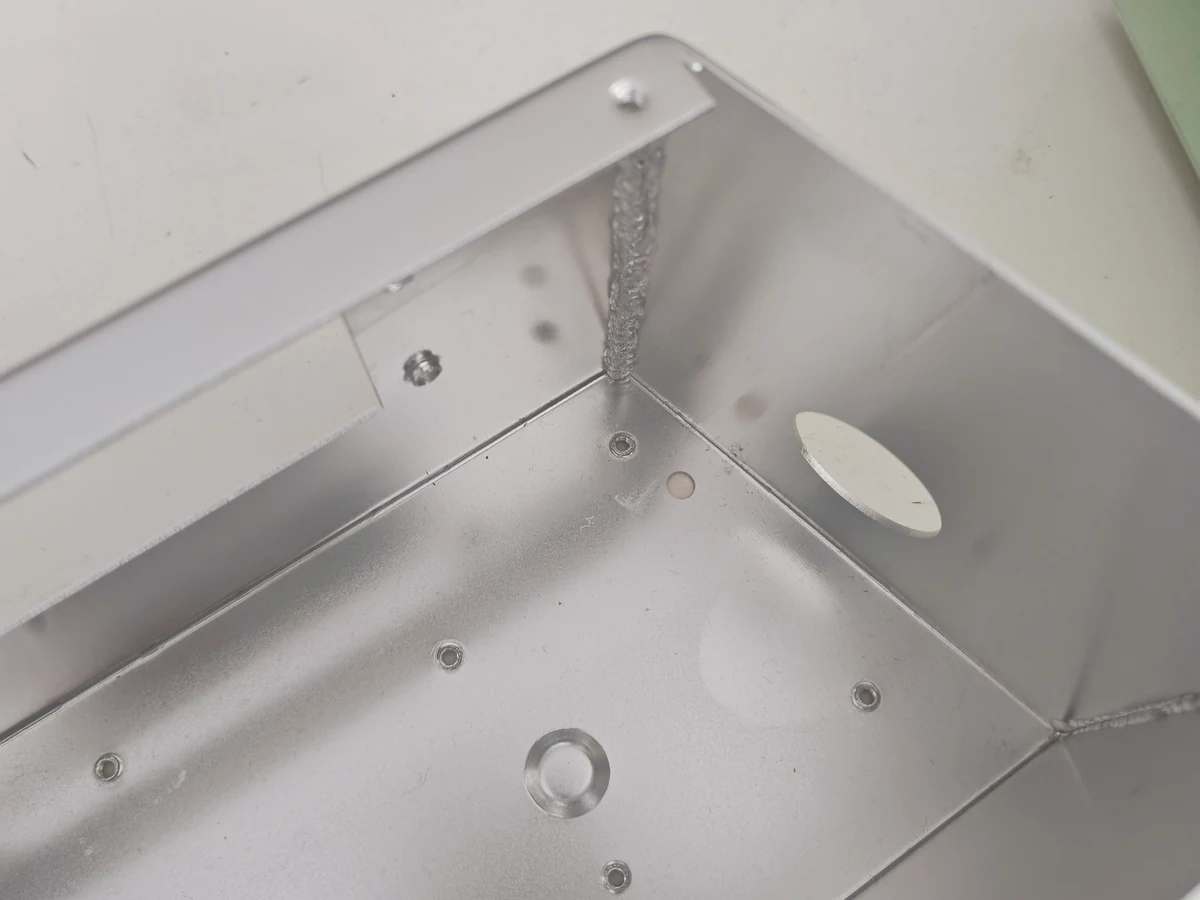
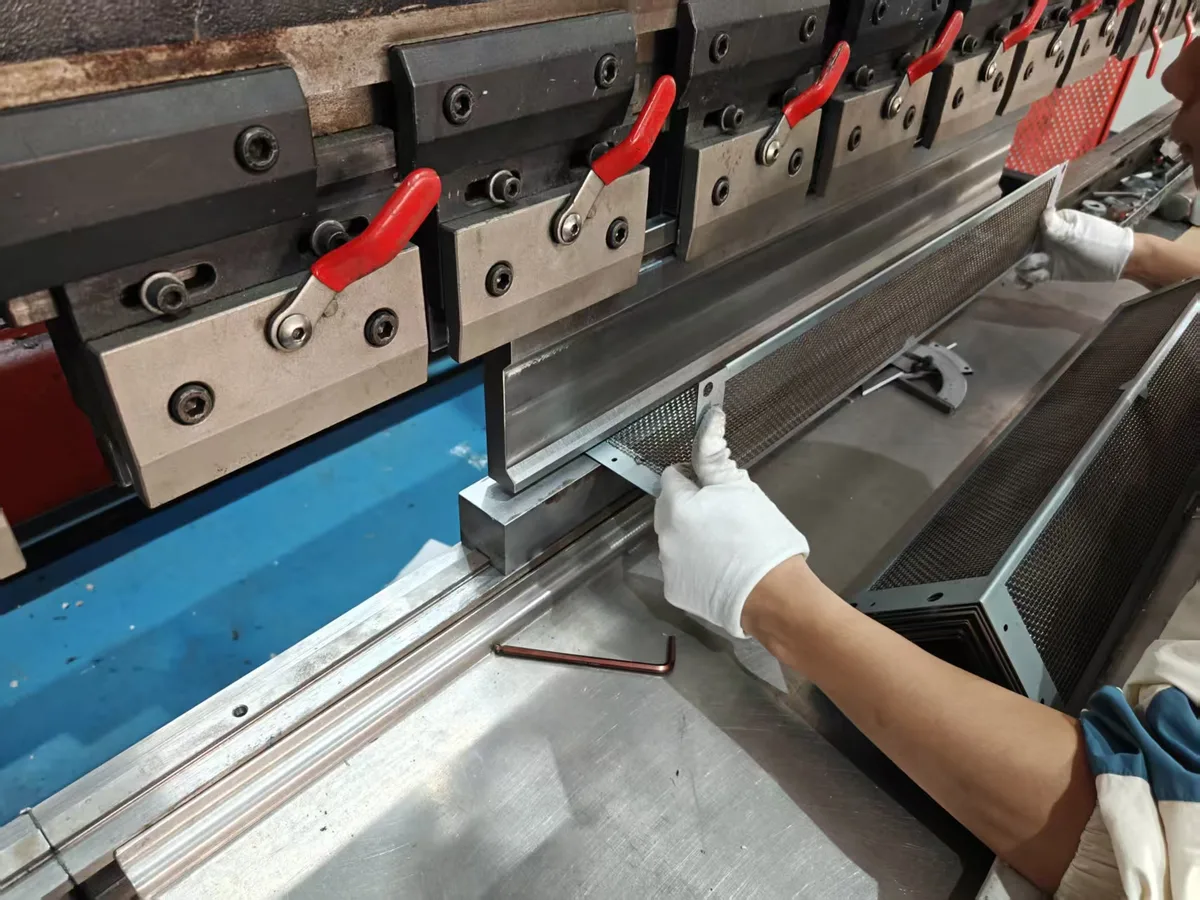
Sheet metal parts start as a flat sheet. The outline, holes and slots are cut on a fiber laser (or punched on a turret punch for many repeated holes), then the flat blank is bent on a CNC press brake. Parts can then be welded, fitted with press-in nuts and studs, and finished. The result is a thin, light part with a constant wall thickness equal to the sheet.
In our sheet metal workshop we cut, punch, shear, bend, weld (TIG, MIG, spot and laser welding) and install press-in hardware in-house. Thicknesses we work with most often are 0.5–6 mm in steel, galvanized steel, stainless steel, aluminum, copper and brass. Surface finishes such as powder coating and plating are done by our approved finishing partners.
CNC Machining
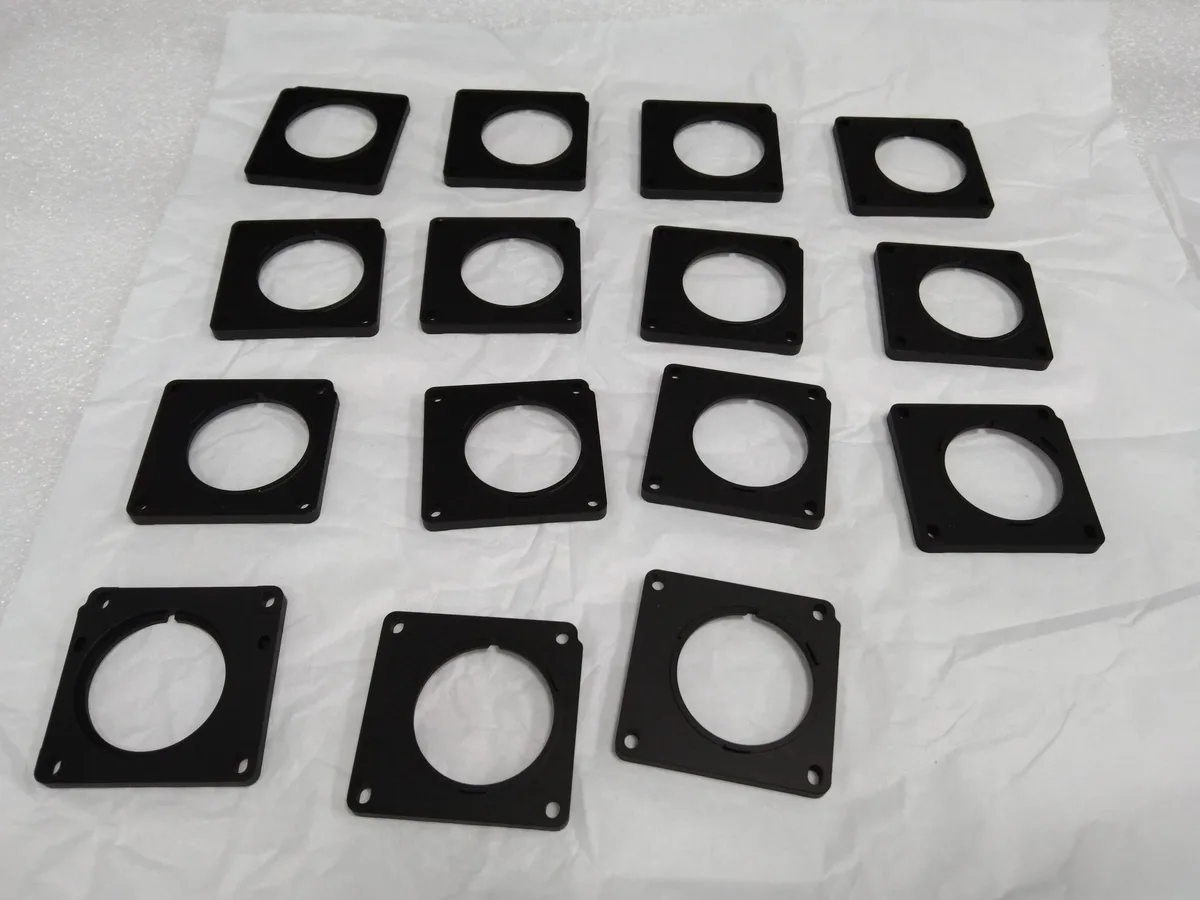
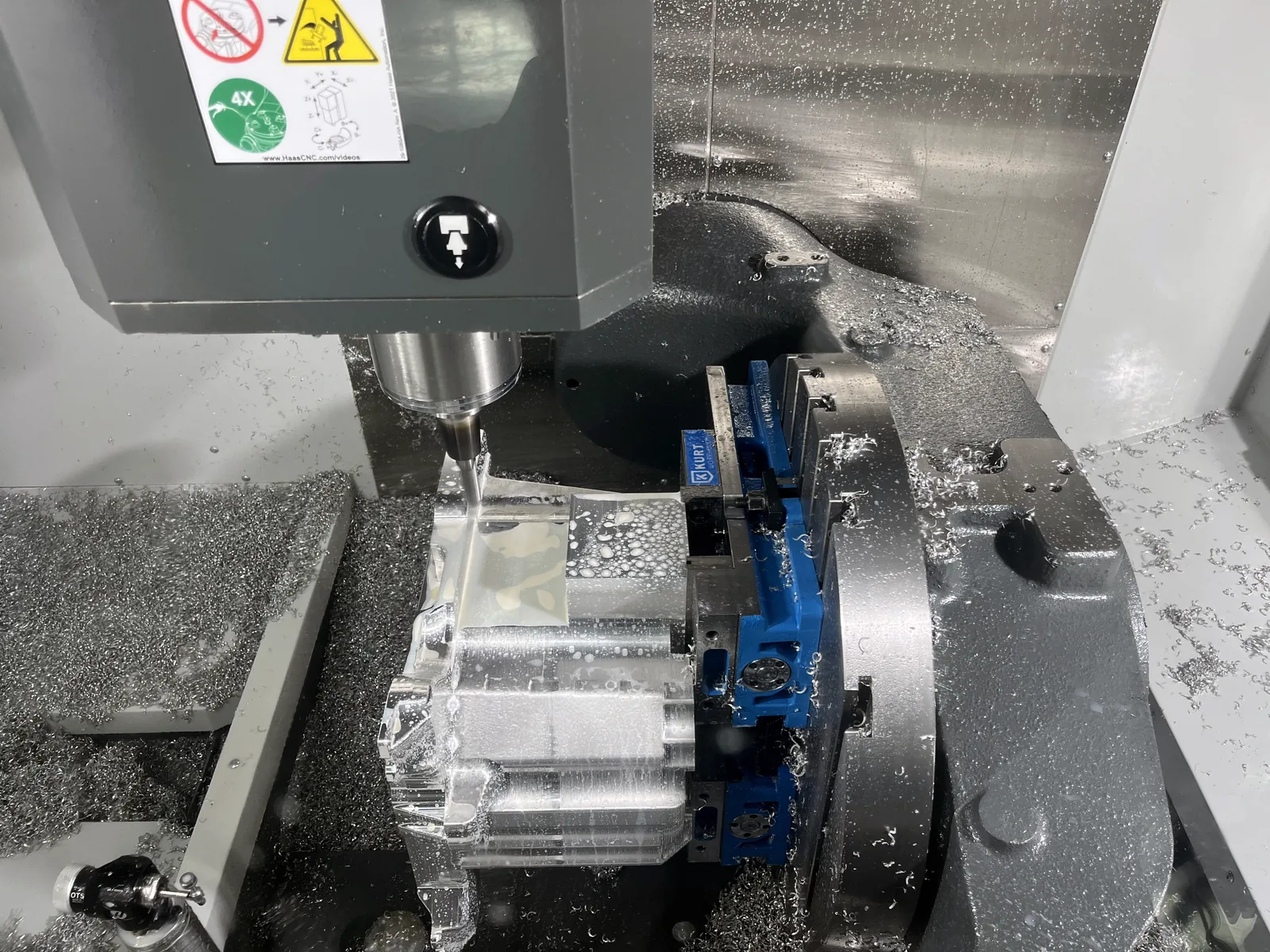
CNC machining starts from a solid block, bar or plate and removes material with rotating cutting tools until the final shape remains. Milling makes pockets, faces, slots and 3D surfaces; turning makes round parts; 5-axis machining reaches several faces in one setup. Because the part is carved rather than bent, wall thickness can change freely from one area to the next.
Our machine shop includes 3-axis machines with travel up to 1500 × 800 × 800 mm, 5-axis machines with 1016 × 635 × 635 mm travel, 4-axis machines and turn-mill centers for parts up to Ø350 × 1000 mm. We machine aluminum, stainless steel, carbon steel, brass, copper and engineering plastics such as POM, nylon, PC, ABS and PEEK.
Sheet Metal vs CNC Machining: Side-by-Side Comparison
Geometry
- Sheet metal: constant thickness, bends, flanges, tabs, slots, louvers and holes. Inside corners of bends always have a radius. Features must be reachable on a flat pattern.
- CNC machining: almost any prismatic or turned shape: thick and thin areas in one part, blind pockets, threaded bosses, counterbores, O-ring grooves and contoured surfaces. Internal pocket corners carry the radius of the cutting tool.
Tolerance and Precision
- Sheet metal: cut features follow ISO 2768-mK by default. Bent dimensions are looser (ISO 2768-c by default), because every bend adds variation from material thickness, springback and positioning.
- CNC machining: ISO 2768-mK by default, ±0.01 mm on selected features and down to ±0.005 mm on some features. Bores, fits and sealing faces are machining territory.
Surface
- Sheet metal: the surface is the surface of the sheet, plus any marks from handling and bending. Most parts are powder coated, plated or painted.
- CNC machining: as-machined surfaces are typically Ra 3.2 μm, and some surfaces can reach Ra 0.4 μm. Anodizing, bead blasting and other finishes are added through our finishing partners.
Weight and Material Use
- Sheet metal: uses close to the weight of the finished part, with offcuts from nesting. Light and material-efficient.
- CNC machining: a thin-walled housing may start as a block several times heavier than the finished part. The removed material, and the time to remove it, is part of the price.
Lead Time
- Sheet metal: laser-cut-only parts in about 1 day; bent and assembled prototypes in about 3–7 working days, depending on welding, hardware and finish.
- CNC machining: prototypes in about 7 working days, simple parts from 3 working days, 5-axis parts in about 10–15 days, and 10–500 pieces in about 12–20 working days. See how long CNC machining takes for details.
Scaling to Production
- Sheet metal: once the design is stable and annual demand passes roughly 10,000 pieces, many sheet metal parts move to a stamping die. Our guide to laser cutting vs stamping explains when.
- CNC machining: unit cost falls with batch size as setup is shared, but cycle time per part stays. At high volume, some machined parts move to die casting, extrusion or injection molding, with CNC machining for the critical features.
When Sheet Metal Is the Better Choice
- Enclosures, chassis and covers with walls of one thickness, especially larger ones where machining from solid would waste a lot of material.
- Brackets and mounting plates with simple bends, holes and slots.
- Panels with many holes or vents, which a laser or turret punch cuts quickly.
- Parts that will go to stamping later, so the prototype is already made the way production will be.
- Weight-sensitive parts where a thin, folded shape gives enough stiffness.
- Parts where cost matters more than tight tolerances on every dimension.
When CNC Machining Is the Better Choice
- Varying wall thickness: thick mounting areas next to thin walls, ribs or bosses.
- Precise features: bearing bores, dowel holes, fits, flat sealing faces and threads that must line up tightly.
- Solid or compact parts: blocks, manifolds, shafts, fittings and heat sinks with deep fins.
- 3D shapes: contoured surfaces and features on several faces, often on 5-axis machines.
- Premium cosmetic housings: one-piece machined and anodized enclosures with sharp, clean edges and no visible bends or welds.
- Plastics: POM, PEEK, nylon and other engineering plastics are machined, not bent.
Examples: The Same Part Made Both Ways
Electronics Enclosure
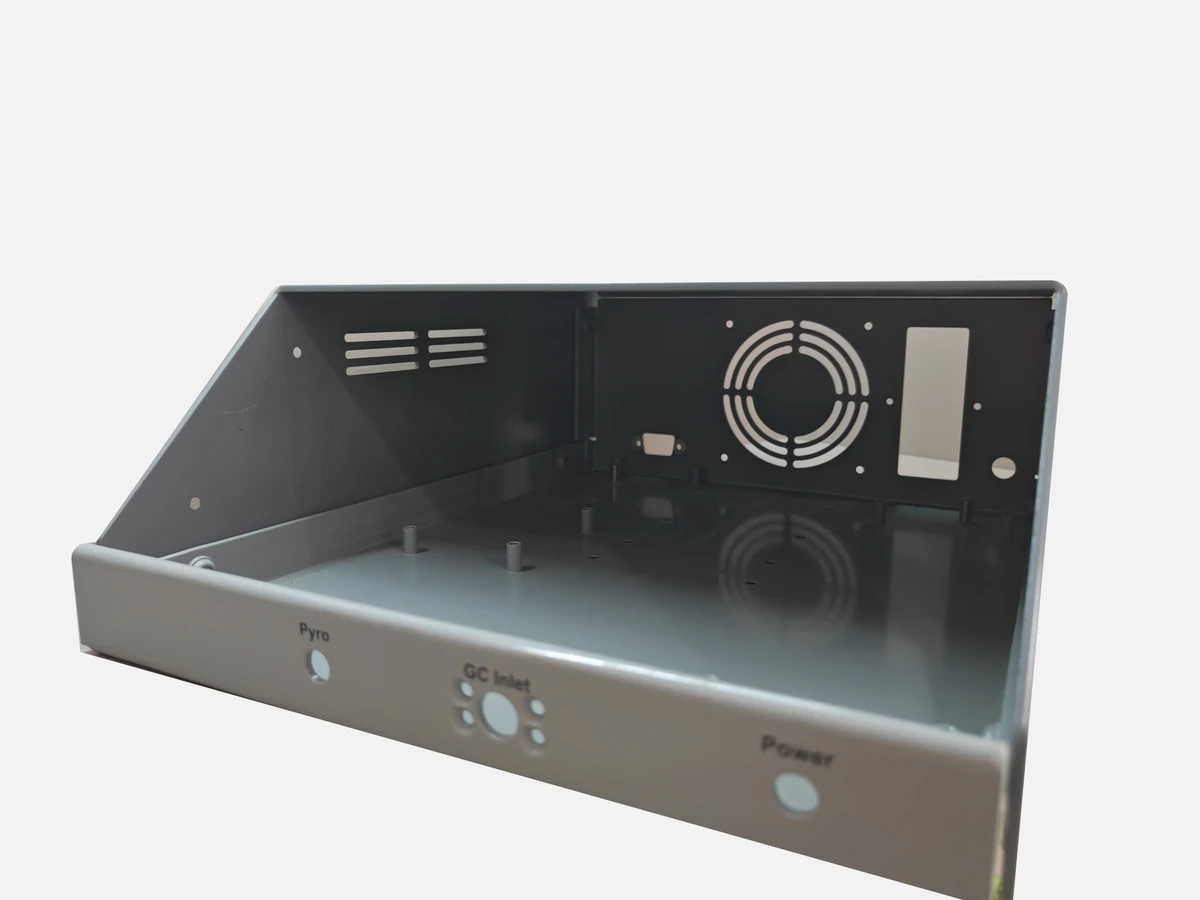
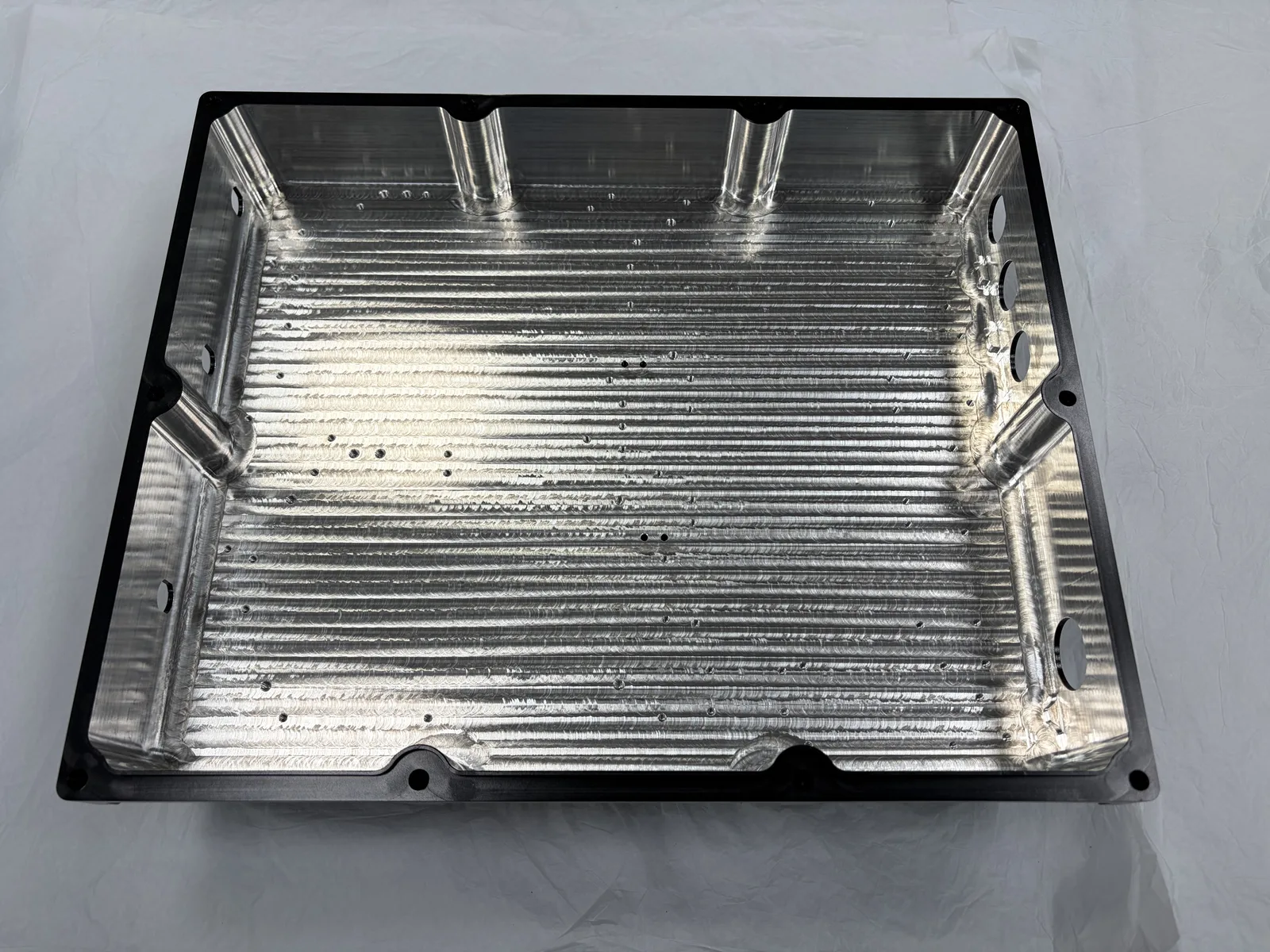
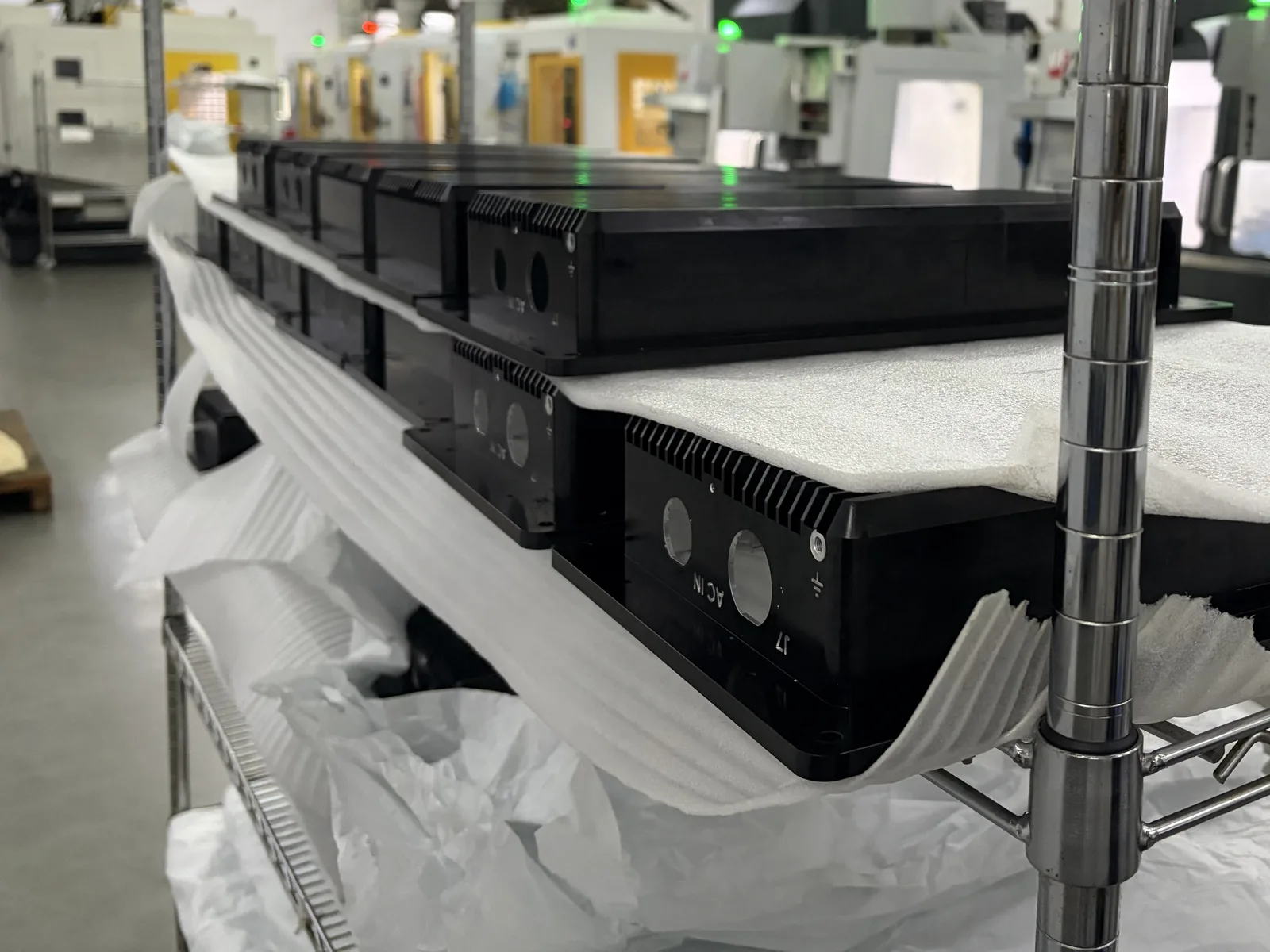
A sheet metal enclosure is usually two or more bent parts joined by screws, rivets or welds, then powder coated. It is light and economical, especially in larger sizes. A CNC machined aluminum enclosure is one solid piece with integrated bosses, pockets for boards and a precise lid seat, usually anodized. It costs more but looks and feels premium and holds tighter fits. Many customers prototype both and decide based on budget, appearance and volume.
Mounting Bracket
An L-shaped or U-shaped bracket of constant thickness is almost always cheaper in sheet metal. Machining becomes the better route when the bracket needs a thick, flat mounting face, a precise bore, threaded holes in a thick section, or a shape with ribs. Our machined aluminum bracket examples show the kind of features that push a bracket toward CNC.
Cover Plate or Panel
A flat cover with holes and a few bends is a classic sheet metal part. If the cover needs a sealing groove, a pocket for a gasket, or a very flat face across a large area, machining from plate is usually the more reliable option.
Combining Both: Hybrid Assemblies
Many products use both processes in one assembly: a sheet metal chassis or enclosure carrying machined brackets, heat sinks, shafts or mounting blocks where precision matters. Splitting a design this way often gives the best balance: sheet metal where large areas and low weight matter, and machining only where a feature really needs it.
Because we run both processes in-house, the sheet metal and machined parts of one assembly can be quoted, made and inspected together, and shipped as one order.
Sheet Metal vs CNC Machining Cost: What Drives the Price
Sheet Metal Cost Drivers
- Material type, thickness and sheet utilization
- Cutting length and number of holes
- Number of bends and how many setups they need
- Welding, grinding and hardware insertion
- Surface finish (handled by finishing partners)
Our sheet metal prototype cost guide explains each factor in more detail.
CNC Machining Cost Drivers
- Material and the size of the starting block
- Volume of material removed and machining time
- Number of setups and faces, and whether 5-axis machining is needed
- Tight tolerances, deep pockets, small internal radii and thin walls
- Inspection requirements and surface finish
See our CNC machining cost guide for twelve factors that change a machining quote.
A practical rule for sheet metal vs CNC machining: if your part is mostly thin walls of one thickness, ask for a sheet metal quote before machining it from solid. If your part is mostly solid with pockets, bores and bosses, sheet metal will not be able to make it, and machining is the right starting point.
Design Tips for Each Process
Designing for Sheet Metal
- Keep one material thickness for the whole part.
- Use an inside bend radius of at least the material thickness where possible.
- Add bend reliefs where a bend meets an edge or another bend.
- Keep holes and slots far enough from bend lines that they do not distort; see our hole-to-bend distance guide.
- Use press-in nuts and studs instead of tapped holes in thin sheet.
- Mark the critical dimensions so bending sequence and inspection focus on them.
Designing for CNC Machining
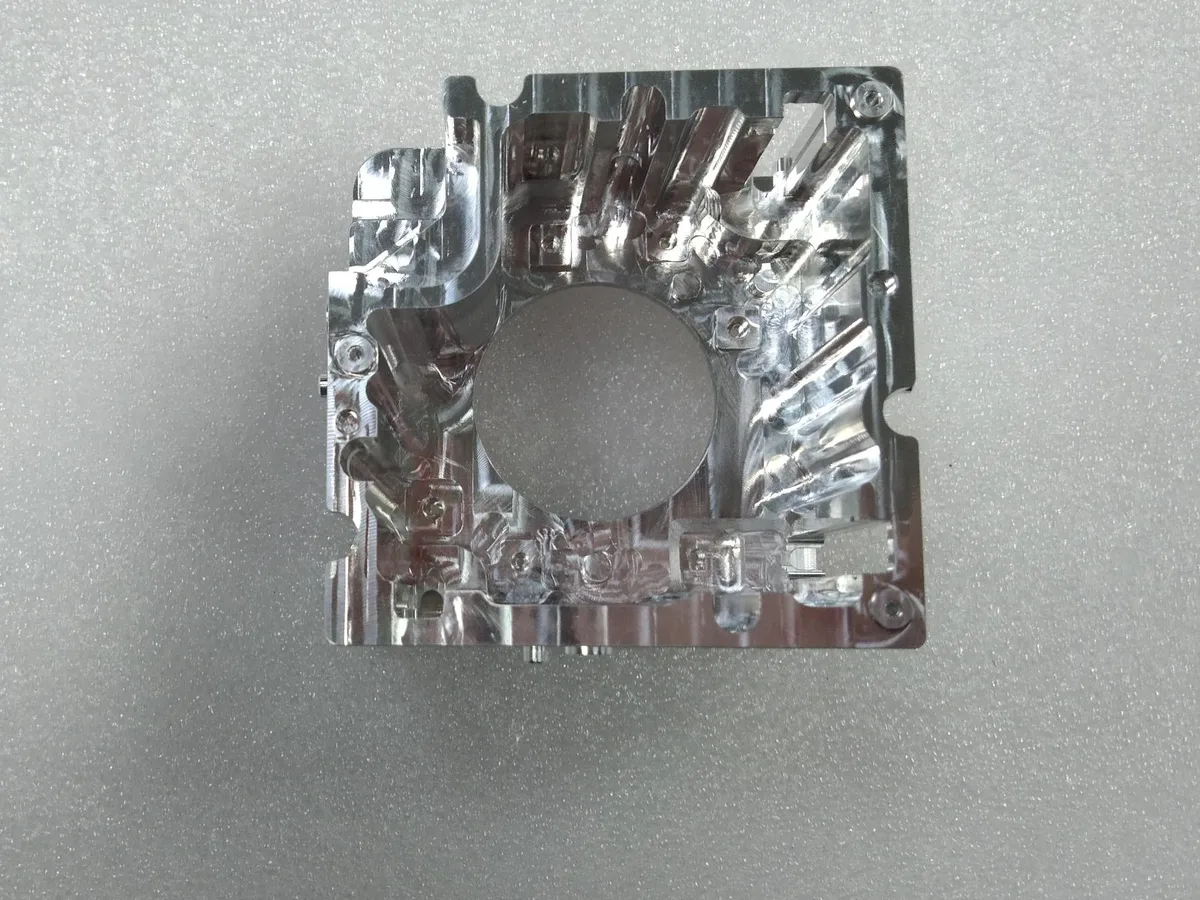
- Give internal pocket corners a radius; sharp inside corners need extra operations.
- Avoid very deep, narrow pockets and very thin walls unless they are essential.
- Fill in deep pockets that have no function. A pocket that saves material in a molded part only adds machining time on a CNC part.
- Replace sharp edges with small fillets or chamfers where the function allows.
- Apply tight tolerances only to features that need them; leave the rest at the general tolerance.
Common Mistakes When Choosing Sheet Metal vs CNC Machining
- Machining a part that is really a bent box. A uniform-thickness enclosure machined from solid can cost several times more than the sheet metal version.
- Asking sheet metal for machining tolerances. Bent dimensions cannot hold the same tolerance as a machined bore. Put precise fits on machined parts or machined features.
- Designing a sheet metal part with varying thickness. If thickness changes, the part is not sheet metal, or it needs to be split into several parts.
- Forgetting the production plan. If the part will be made in tens of thousands, a sheet metal design that can move to stamping may save more over the product’s life than a cheaper prototype route.
- Not asking for both quotes. When a part could go either way, comparing two quotes takes little time and often shows a large difference.
Quality and Inspection
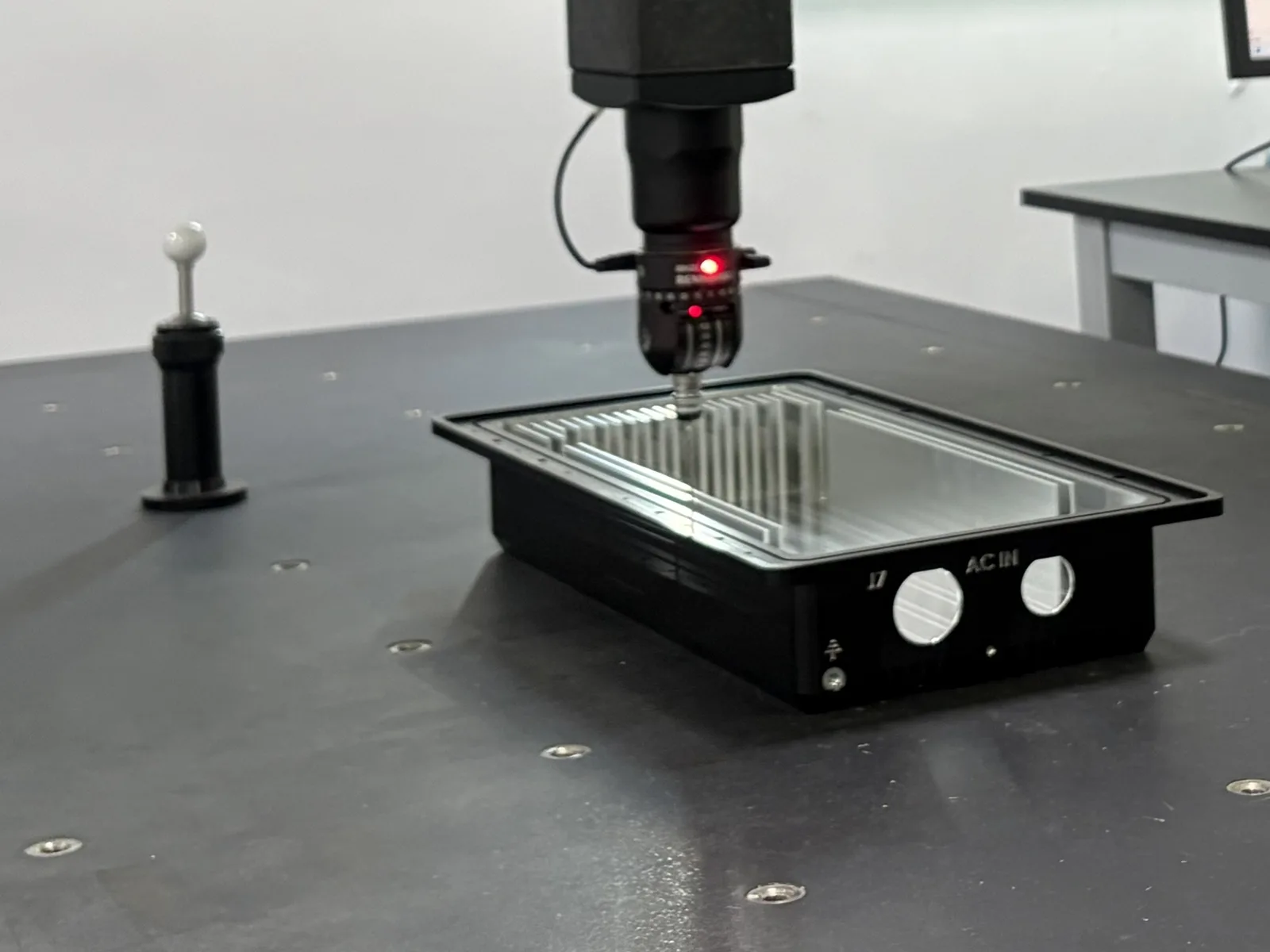
Whichever route you choose, every order ships with a full dimensional inspection report and material certificates. Machined parts are measured with CMM, height gauges, bore gauges, thread gauges and other tools; sheet metal parts are checked for flat-pattern features, bend angles and assembled dimensions. CMM and first-article inspection scope is confirmed at quotation. Read more in our guide to inspection reports.
What to Send for a Quote
- 3D model (STEP) and 2D drawing with tolerances and critical dimensions
- Material and, for sheet metal, thickness
- Surface finish and color
- Quantity now and expected annual quantity
- Assembly requirements: hardware, welding, mating parts
- Whether you would like us to quote both sheet metal and CNC machining
You can upload files on our quote page. If you are unsure which process fits, tell us and our engineers will suggest the route that suits your geometry, tolerance and quantity.
FAQ
Is sheet metal cheaper than CNC machining?
For parts of uniform thickness that can be cut flat and bent, sheet metal is usually cheaper, because it wastes little material and cutting and bending are fast. For solid parts or parts with pockets, bores and varying thickness, machining is the only practical option.
Which is more accurate, sheet metal or CNC machining?
CNC machining. Our default general tolerance for machined parts is ISO 2768-mK, with ±0.01 mm on selected features. Laser-cut sheet metal features also follow ISO 2768-mK, but bent dimensions follow ISO 2768-c by default.
What thickness of sheet metal do you work with?
Most often 0.5–6 mm, in steel, galvanized steel, stainless steel, aluminum, copper and brass.
Can you make an enclosure both ways?
Yes. We make bent and welded sheet metal enclosures and one-piece CNC machined enclosures, and we can quote both for the same design.
How fast can I get prototypes?
Laser-cut-only parts in about 1 day, bent sheet metal prototypes in about 3–7 working days, and CNC machined prototypes in about 7 working days, with simple parts from 3 working days.
What happens when my sheet metal part goes to high volume?
When the design is stable and annual demand is above roughly 10,000 pieces, we usually recommend a stamping die. We build stamping dies in-house and run presses from 25 to 300 tons.
Can one order include both sheet metal and machined parts?
Yes. Both processes run in our own factory, so mixed assemblies can be quoted, inspected and shipped together.
Final Thoughts
Sheet metal fabrication vs CNC machining is mostly a question of geometry. If the part is a thin shape of one thickness, start with sheet metal; if it has thick areas, pockets, bores or 3D surfaces, start with machining. Precision features, appearance, weight and future volume then refine the choice. When a part sits in between, ask for both quotes and let the numbers decide. We are happy to quote sheet metal vs CNC machining side by side for your drawing.