
CNC Machining Cost Guide: 12 Factors That Change Your Quote
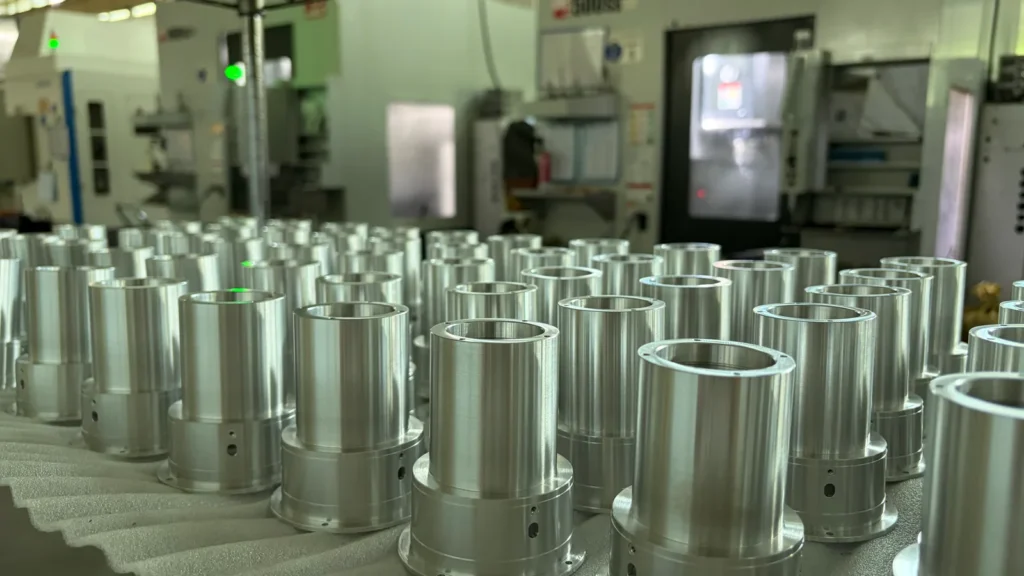
CNC machining prices depend on much more than material and machine time. This guide explains 12 major cost drivers and practical ways to reduce part prices without compromising function.
CNC Machining Polypropylene: Tolerances, Tooling and DFM
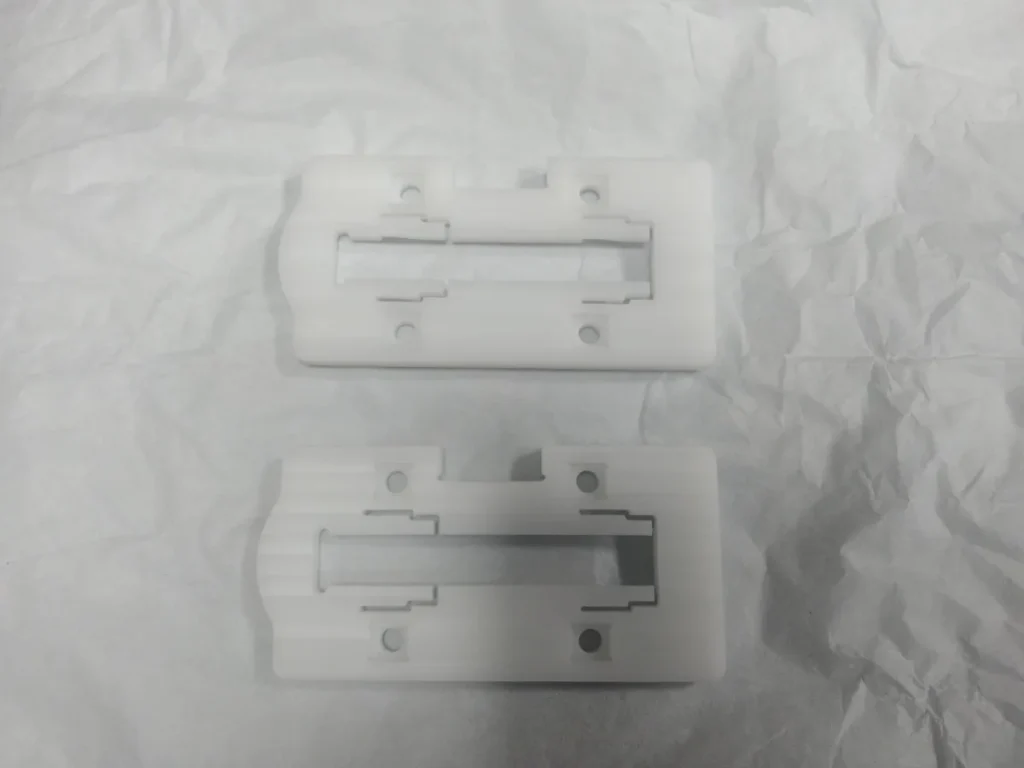
Learn how to CNC machine polypropylene with practical guidance on PP grades, tooling, heat control, workholding, tolerances, inspection, defects, DFM and RFQ preparation.
Internal Corner Radius in CNC Milling: Design Rules, Tool Access and Cost
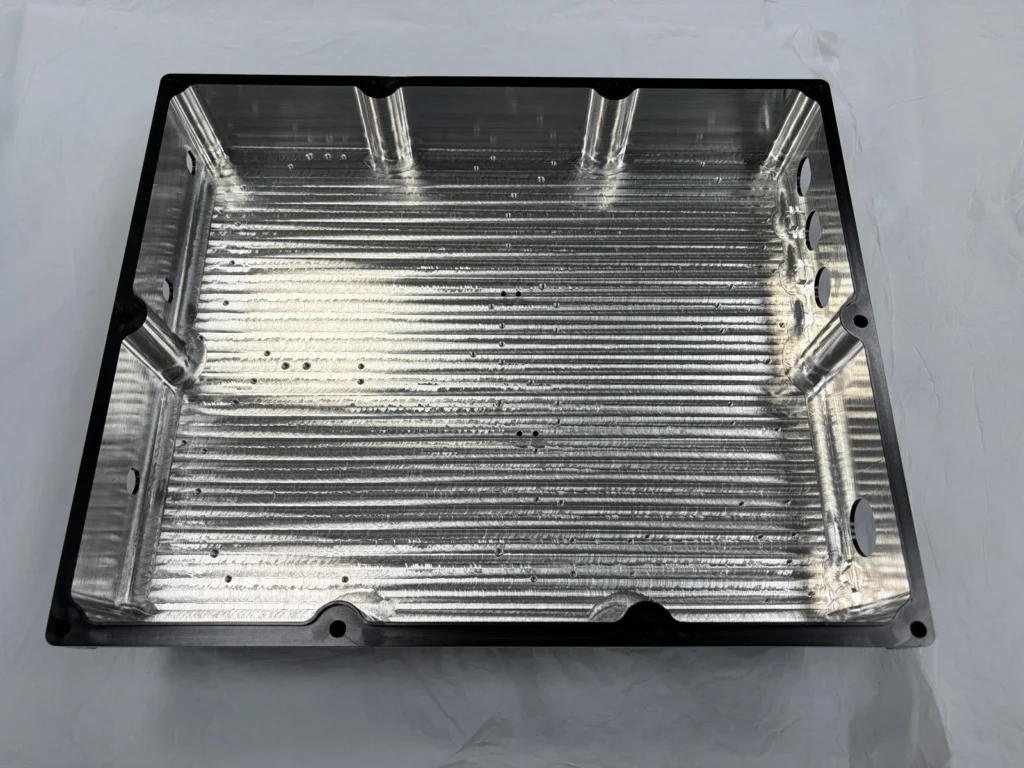
Internal corners in CNC-milled pockets are controlled by cutter diameter, tool reach, depth, material and finishing strategy. This guide explains how to select practical radii, avoid high cutter engagement and design clearance for square mating parts.
Die Casting and CNC Machining: Cost, Tolerances and Process Design
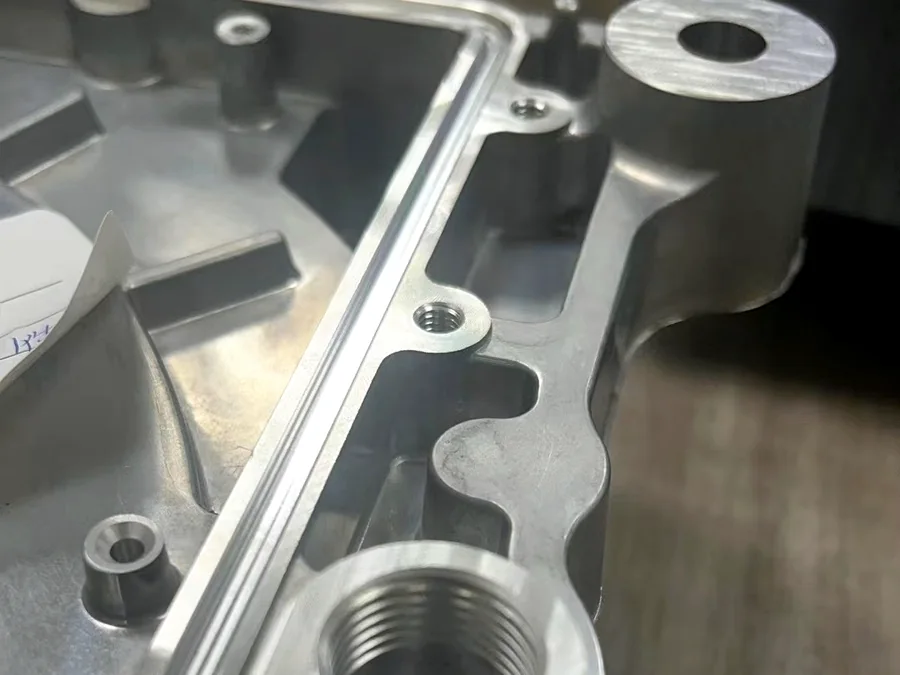
Die casting creates repeatable near-net-shape parts, while CNC machining controls critical bores, threads, datums and sealing surfaces. This guide explains when to combine the processes, how to manage tolerances and porosity, and which design and cost factors determine the right production route.
The “Tolerance Stack-up” Nightmare: Why Your CNC Prototypes Don’t Fit Together
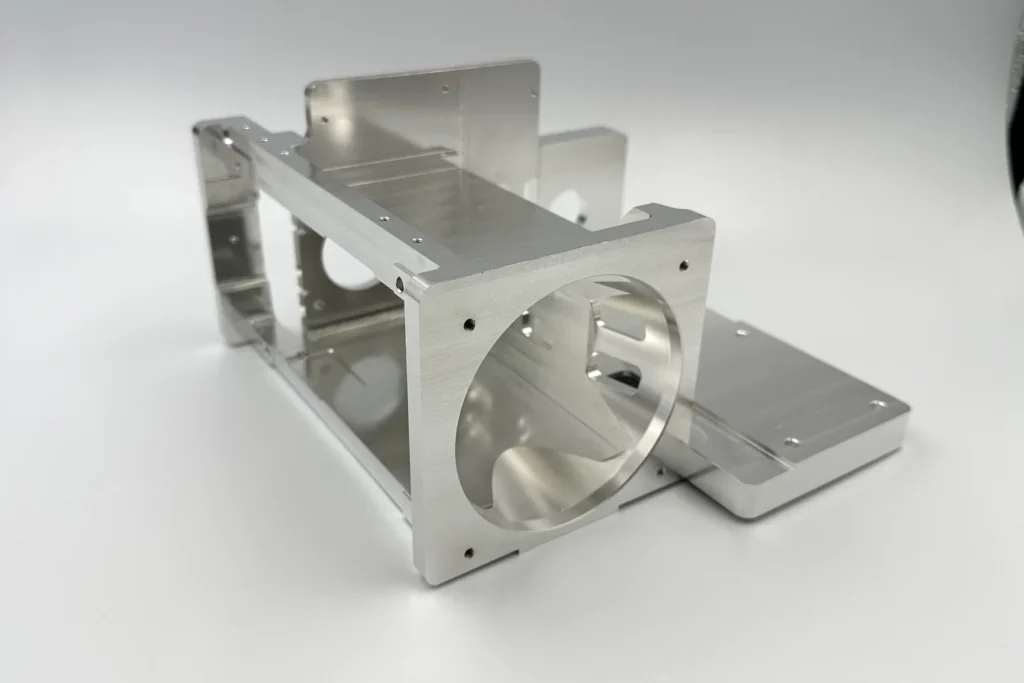
Individual dimensions can pass while an assembly fails. This guide shows how to map the functional loop, allocate tolerances and align machining with inspection.
CNC Fixturing and Setup Costs: A Practical Guide for Prototypes and Low-Volume Production
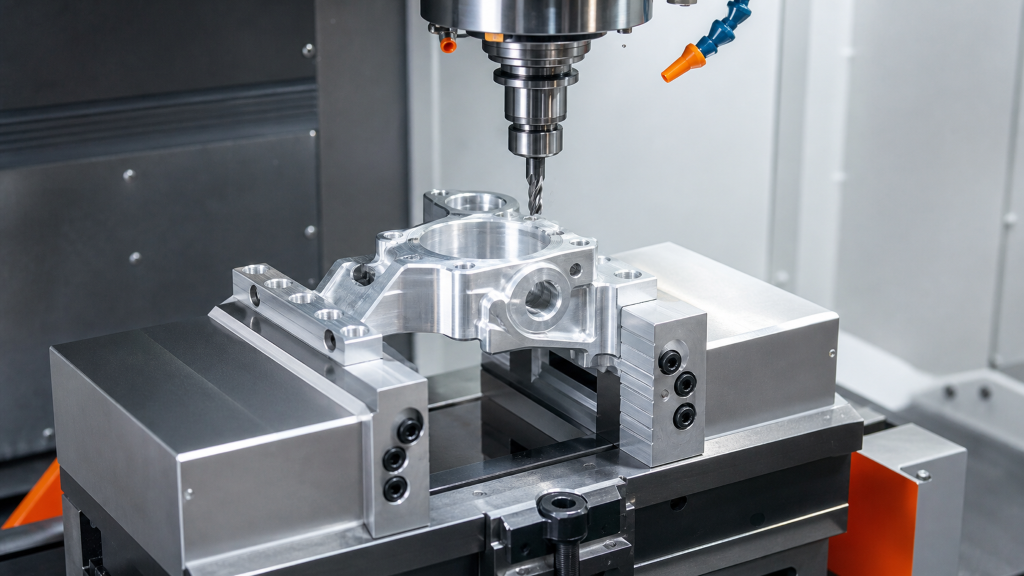
CNC prototype prices include more than cutting time. This guide explains how workholding, setup count, CAM, probing, first-off verification and quantity affect cost, plus practical ways to reduce non-recurring work without increasing manufacturing risk.
PEEK CNC Machining for Prototypes and Low-Volume Parts
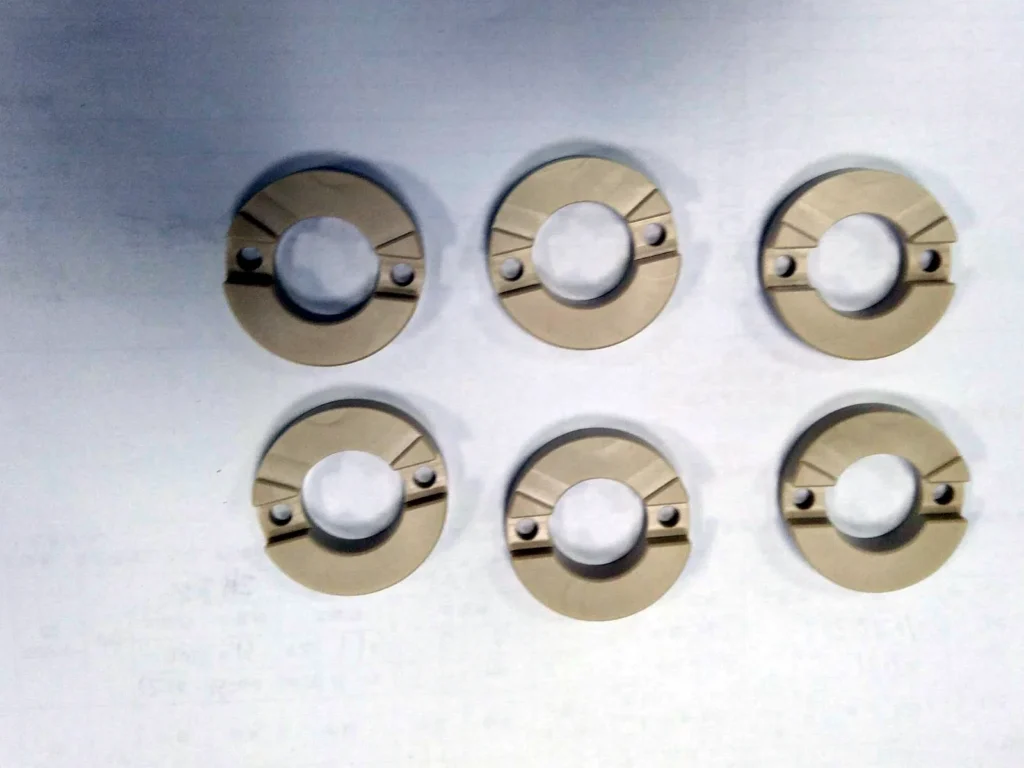
CNC machining can turn PEEK stock shapes into accurate prototypes and production parts, but the result depends on grade selection, heat control, stress management, workholding and inspection. This engineering guide explains how to specify and manufacture PEEK parts without relying on unsafe universal tolerances or machining parameters.
CNC Machining PA6 vs. PA66: Prototyping Guide and Technical Parameters
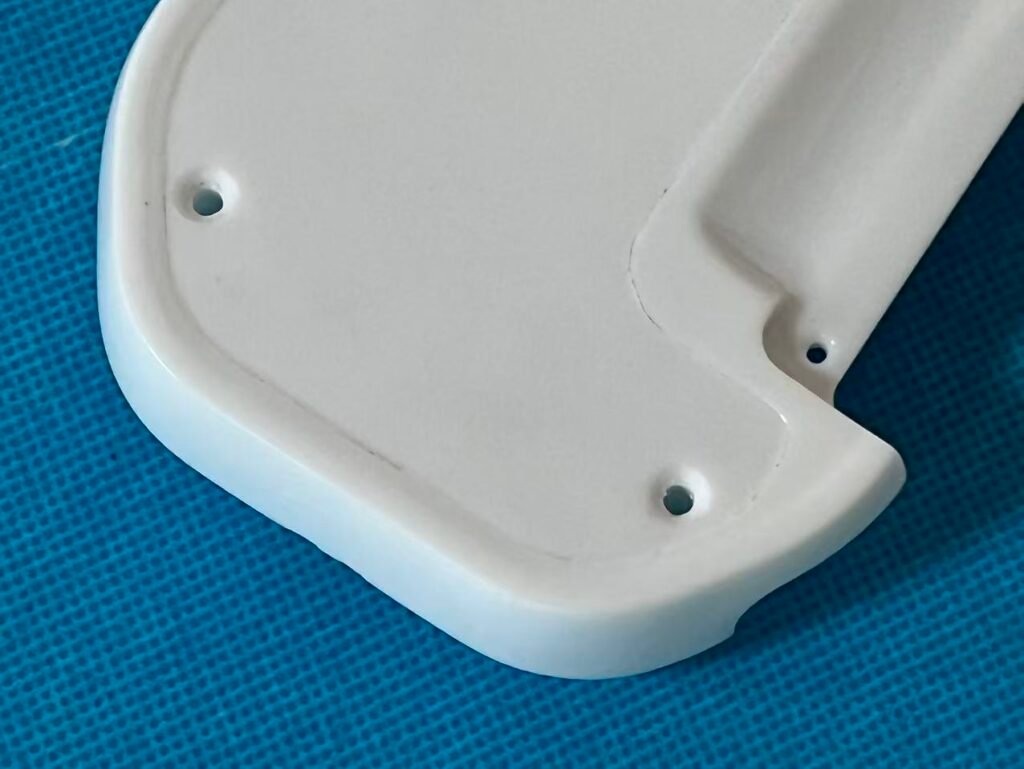
Looking for the differences between CNC machining PA6 and PA66? Explore Samshion’s guide on nylon prototyping, including speeds, feeds, and how to maintain tight tolerances for Nylon 6 and 66.
Rapid CNC Prototyping: Single Parts in 3 Working Days
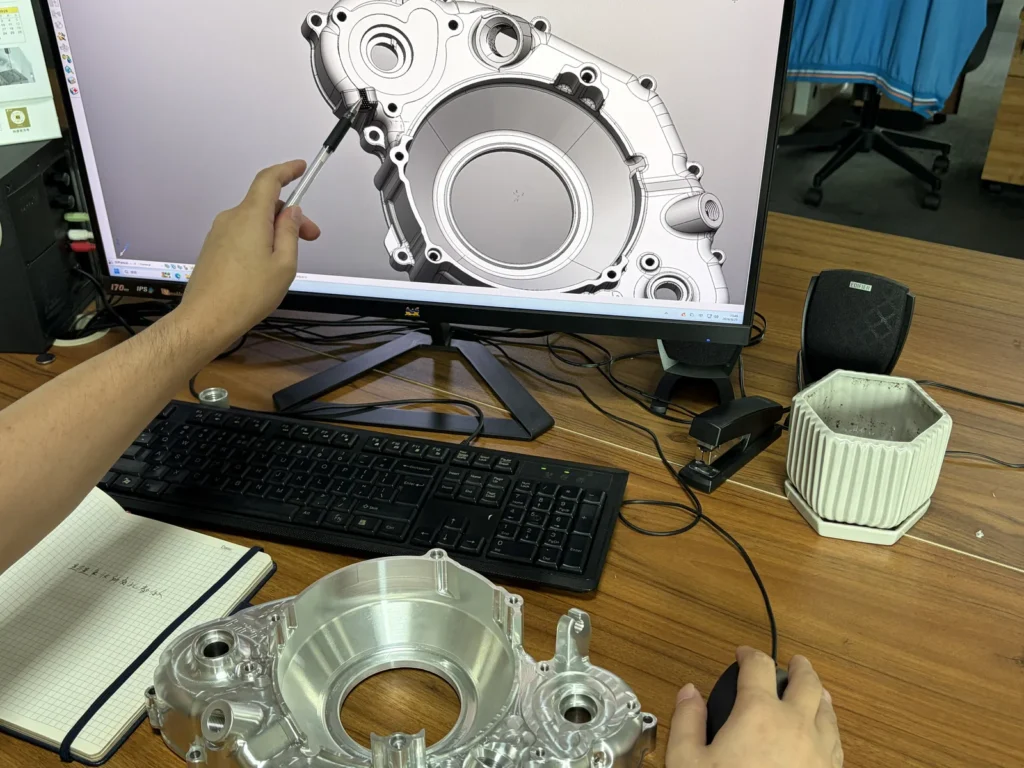
A three-day CNC prototype is possible only when geometry, material, tolerances, finishing and inspection all fit a controlled quick-turn route. This guide explains the Day 0 to Day 3 workflow, the information a supplier needs, the common causes of delay and how engineers can shorten lead time without weakening functional requirements.
Cast Iron CNC Machining for Prototypes and Low-Volume Parts
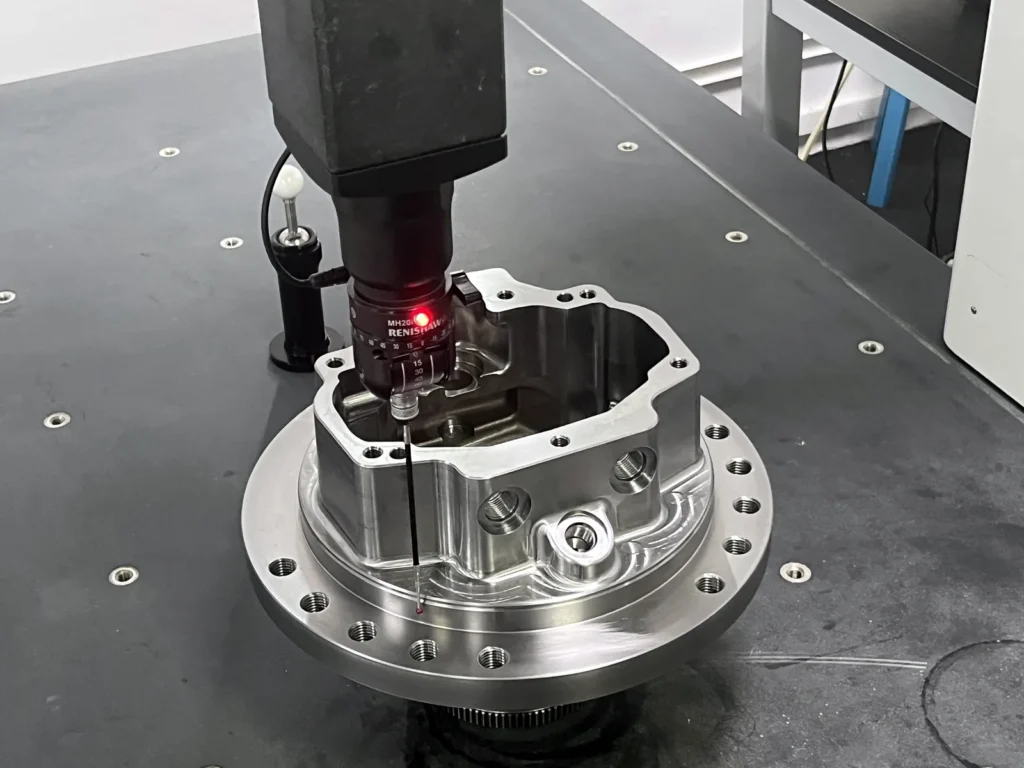
Cast iron machinability depends on more than hardness. This guide explains how graphite form, matrix, casting skin, defects, residual stress, tooling, dust control, fixturing and inspection interact in gray, ductile and compacted graphite iron machining.