
Internal Corner Radius in CNC Milling: Design Rules, Tool Access and Cost
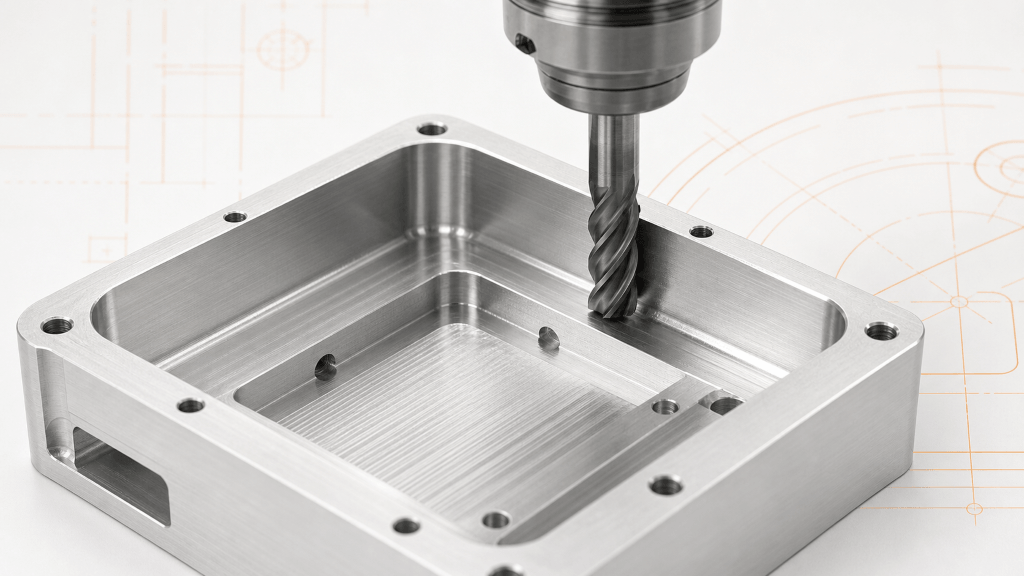
Internal corners in CNC-milled pockets are controlled by cutter diameter, tool reach, depth, material and finishing strategy. This guide explains how to select practical radii, avoid high cutter engagement and design clearance for square mating parts.
Die Casting and CNC Machining: Cost, Tolerances and Process Design
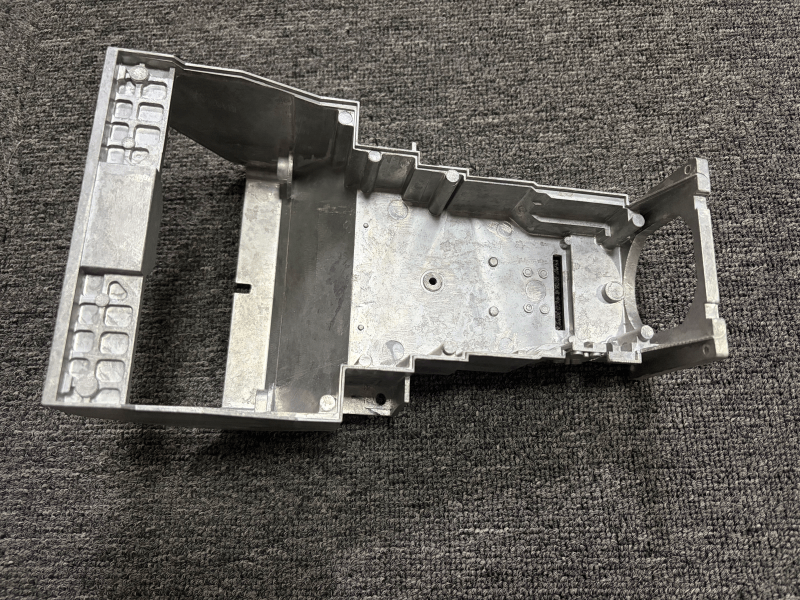
Die casting creates repeatable near-net-shape parts, while CNC machining controls critical bores, threads, datums and sealing surfaces. This guide explains when to combine the processes, how to manage tolerances and porosity, and which design and cost factors determine the right production route.
The “Tolerance Stack-up” Nightmare: Why Your CNC Prototypes Don’t Fit Together
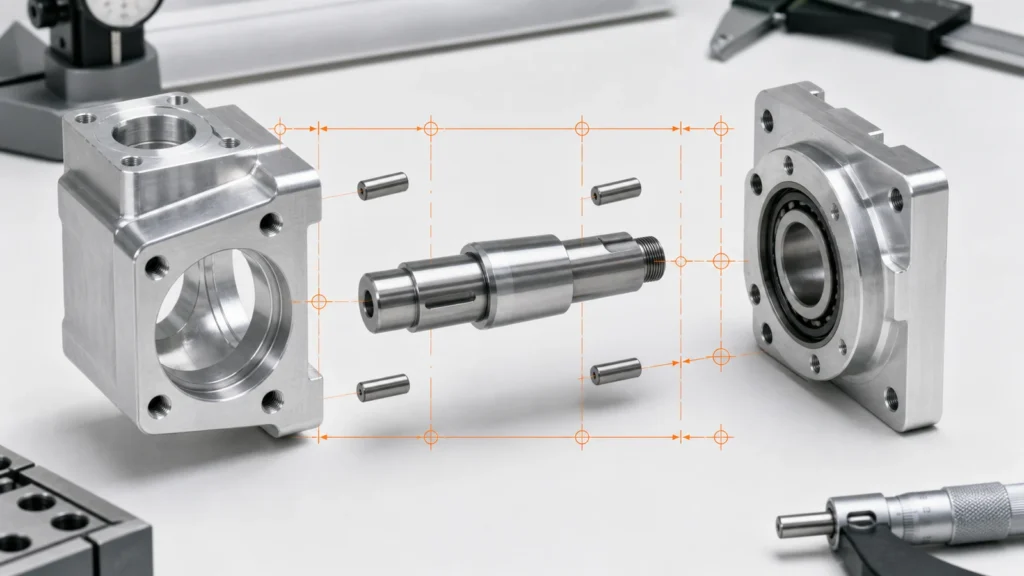
Individual dimensions can pass while an assembly fails. This guide shows how to map the functional loop, allocate tolerances and align machining with inspection.
CNC Fixturing and Setup Costs: A Practical Guide for Prototypes and Low-Volume Production
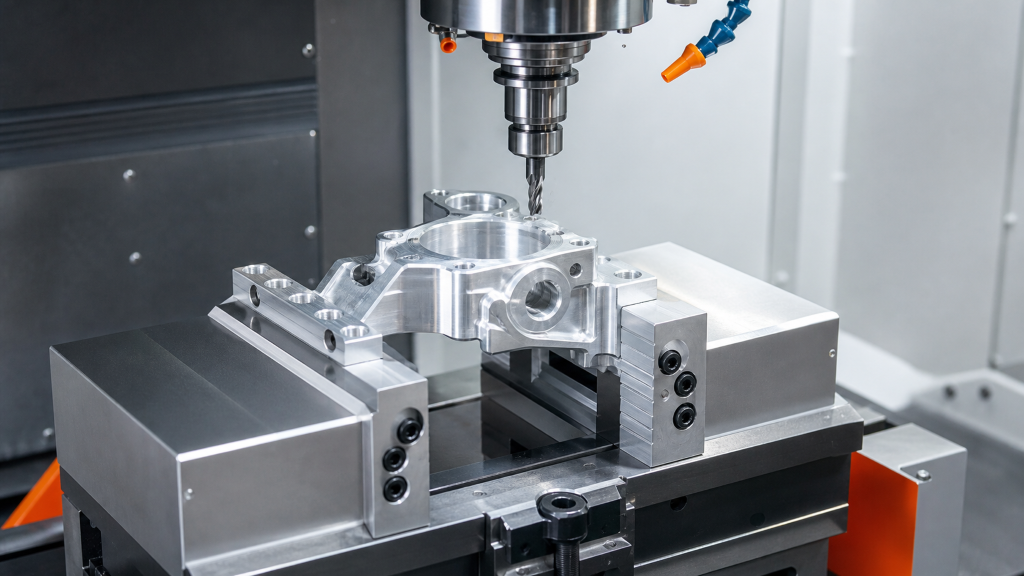
CNC prototype prices include more than cutting time. This guide explains how workholding, setup count, CAM, probing, first-off verification and quantity affect cost, plus practical ways to reduce non-recurring work without increasing manufacturing risk.
PEEK CNC Machining: Grades, Tolerances, Annealing and Cost
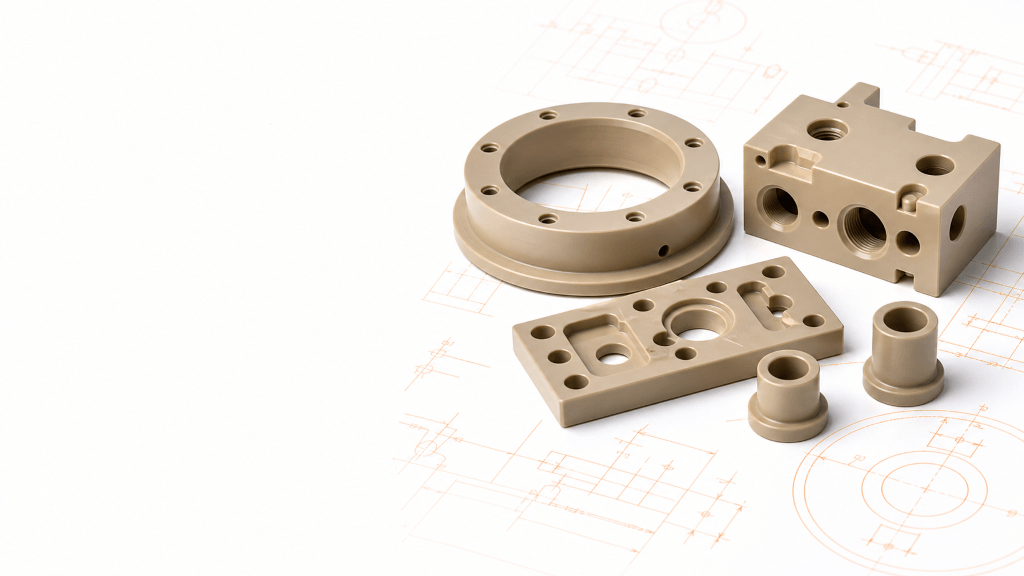
CNC machining can turn PEEK stock shapes into accurate prototypes and production parts, but the result depends on grade selection, heat control, stress management, workholding and inspection. This engineering guide explains how to specify and manufacture PEEK parts without relying on unsafe universal tolerances or machining parameters.
CNC Machining PA6 vs. PA66: Prototyping Guide and Technical Parameters
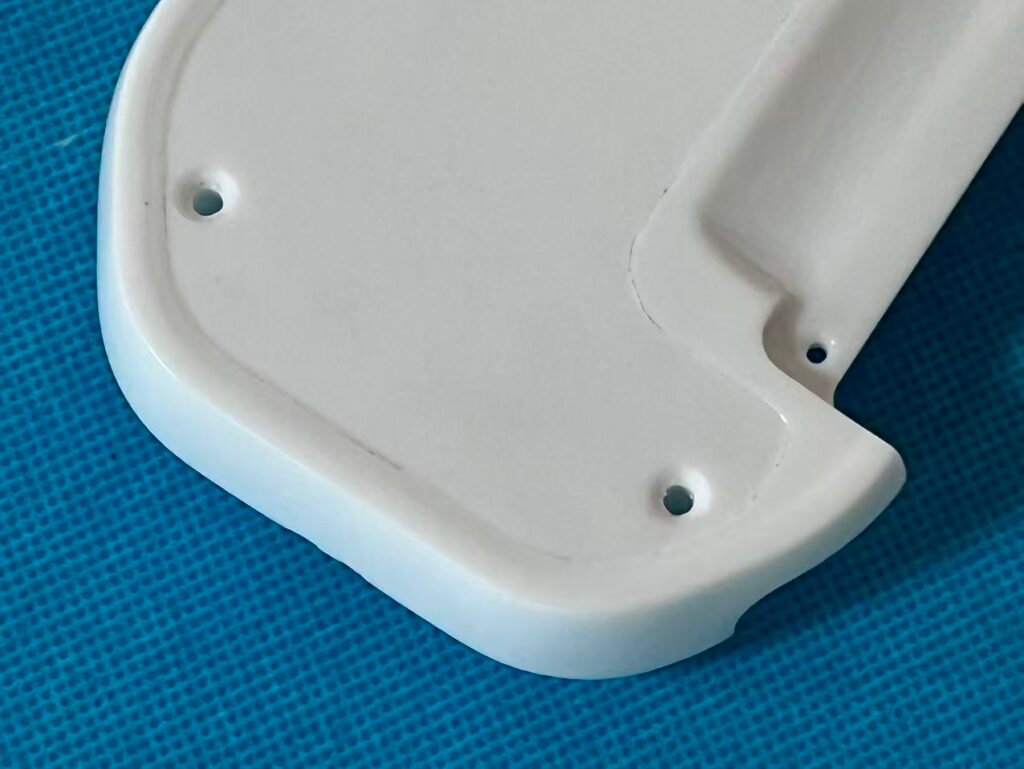
Introduction – Why PA6 and PA66 Matter in CNC Prototyping In the world of CNC prototyping plastics, Polyamide (Nylon) reigns supreme. Specifically, PA6 and PA66 are the “workhorse” materials for engineers who need to bridge the gap between a digital CAD model and a high-performance physical part. Why PA6 and PA66 Are the Go-To Materials […]
Rapid CNC Prototyping: How to Plan a 3-Day Manufacturing Timeline
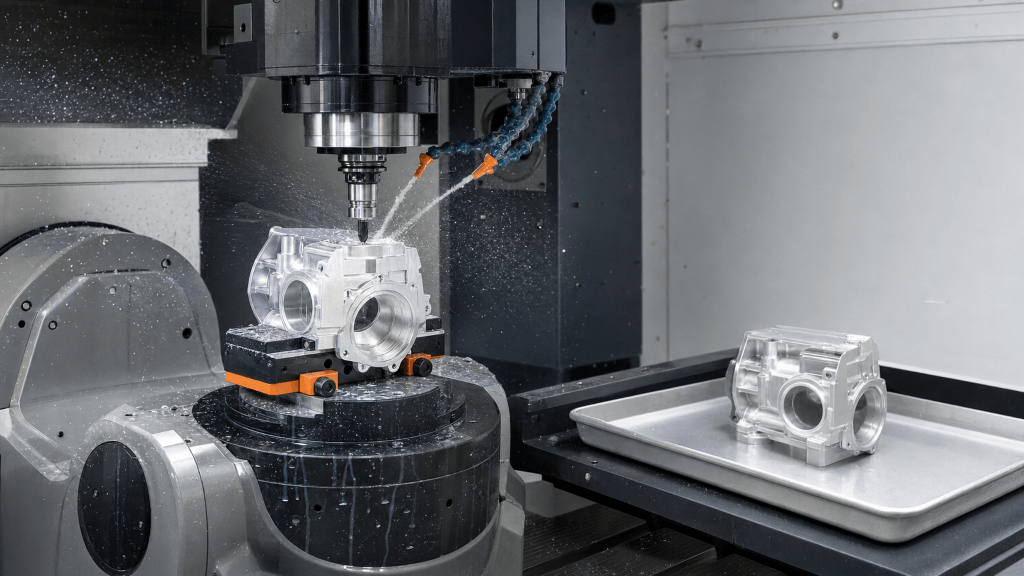
A three-day CNC prototype is possible only when geometry, material, tolerances, finishing and inspection all fit a controlled quick-turn route. This guide explains the Day 0 to Day 3 workflow, the information a supplier needs, the common causes of delay and how engineers can shorten lead time without weakening functional requirements.
Cast Iron CNC Machining Guide: Grades, Tools and Quality Control
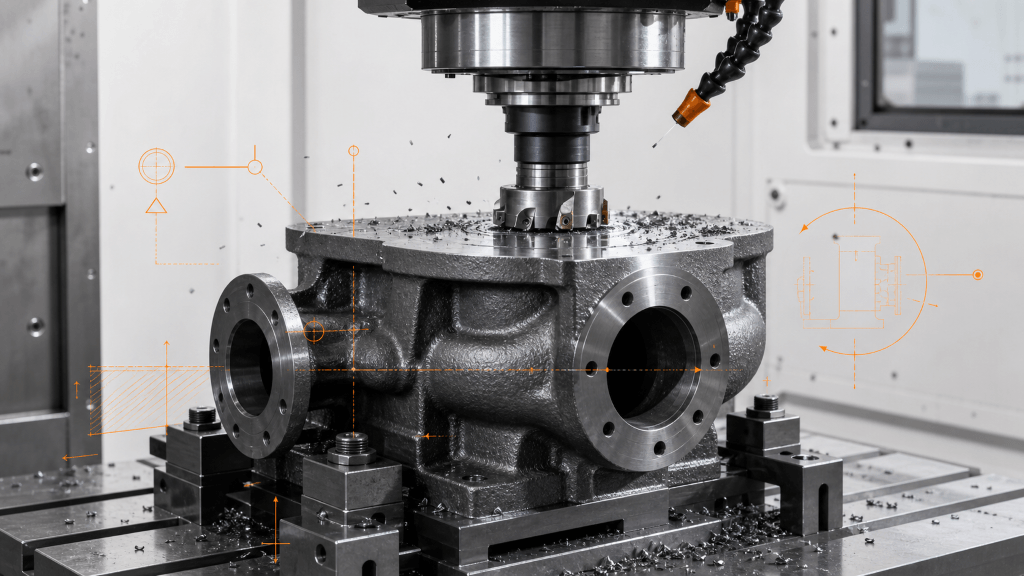
Cast iron machinability depends on more than hardness. This guide explains how graphite form, matrix, casting skin, defects, residual stress, tooling, dust control, fixturing and inspection interact in gray, ductile and compacted graphite iron machining.
6061 Aluminum CNC Machining: Tolerances, Stability and DFM
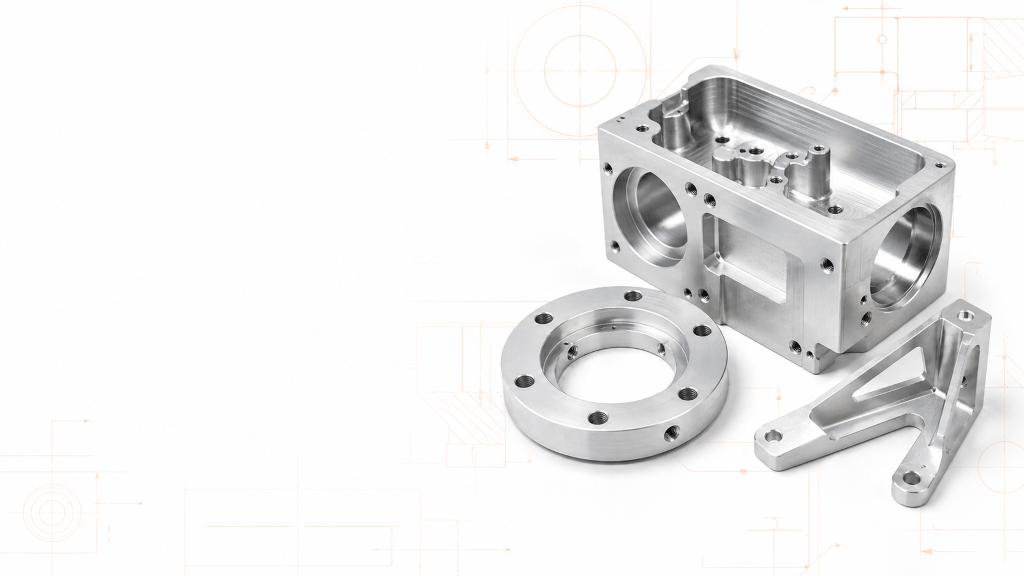
6061 aluminum is widely used for CNC-machined prototypes and production parts, but tight tolerance does not come from the alloy name alone. This engineering guide explains how 6061-T6 and 6061-T651 differ, what controls dimensional stability, when +/-0.005 mm may be feasible on selected features, and how drawing, workholding, toolpath, finishing and inspection decisions affect cost and reliability.
304 Stainless Steel CNC Machining: Critical Parameters, Tooling & Finish Requirements
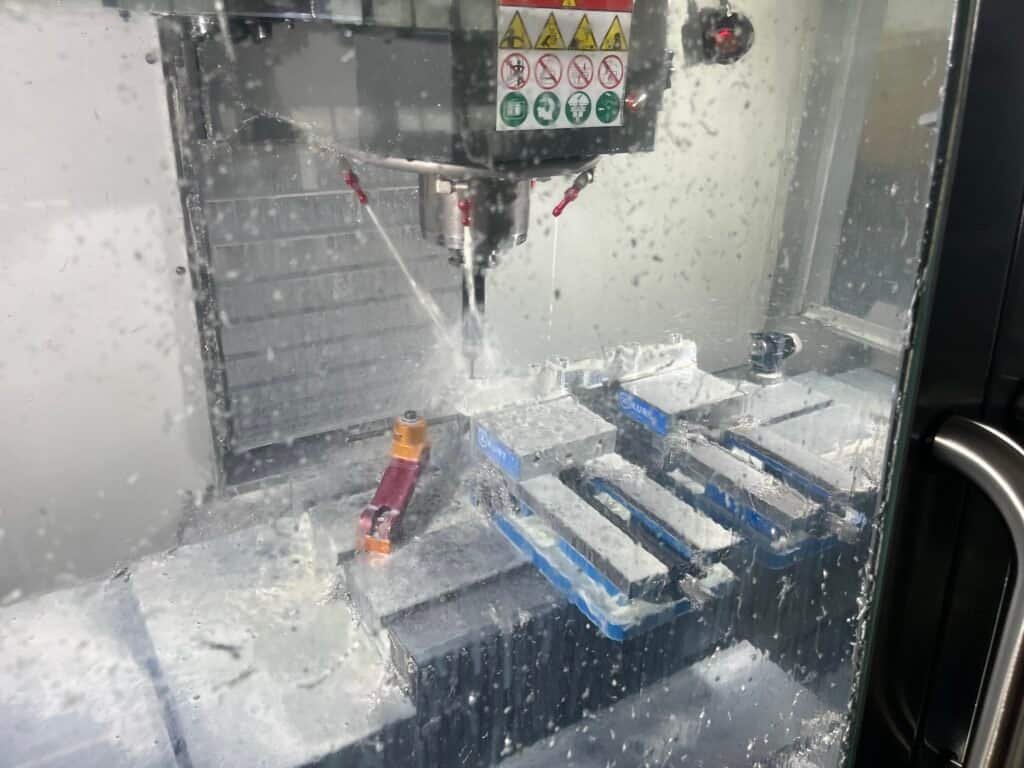
304 stainless steel is one of the most widely used materials in CNC machining due to its excellent corrosion resistance, mechanical strength, and machining versatility. As the workhorse material of stainless steel CNC machining, 304 stainless steel is commonly applied in precision components across medical, aerospace, automotive, and industrial equipment industries. At Samshion Rapid, we […]