6061 vs 7075 aluminum is a choice about the finished part, not simply which alloy has the higher strength. Evaluate 6061 when the design can meet its load requirements while prioritizing cost, joining or appearance. Evaluate 7075 when greater strength is needed within a restricted geometry, and then check the material condition, environment and finishing requirements before releasing the drawing.
For an existing drawing, the specified alloy and temper control production. A machine shop should not replace 6061 with 7075, or the reverse, without the customer’s engineering approval. This guide explains the differences that matter when choosing a material or requesting an approved alternative for a CNC machined part.
Start with the requirement that controls the choice
A bracket that permanently bends under load presents a different problem from one that springs back but moves too much during operation. The first raises a strength question; the second raises a stiffness question. A higher tensile strength does not, by itself, establish that a part will maintain lens alignment, seal correctly or meet a vibration requirement.
Before comparing alloy prices, identify the actual limit: allowable deflection, permanent deformation, fatigue, corrosion, appearance or manufacturing cost. Check the assembled load path as well as the individual component. Fastener joints, unsupported spans and the surrounding structure may matter as much as the alloy.
For a new design, use these practical starting points. They are screening questions, not permission to substitute materials on a released drawing.
Compare material properties on a stated basis
The following figures come from Kaiser’s sheet, coil and plate technical data sheets, revision 05/06. To keep the comparison explicit, the table uses the T651 condition for both alloys; the 6061 sheet groups T6 and T651 together. These are typical reference properties, not guaranteed minima or design allowables for every thickness, direction or product form.
Sources: Kaiser 6061 technical data and Kaiser 7075 technical data.
The comparison shows a substantial strength difference but a much smaller difference in elastic modulus. As an engineering inference, changing the alloy alone should not be expected to transform the elastic stiffness of an otherwise identical part. Also, 7075 is not inherently lighter per unit volume. A weight benefit would need to come from an approved redesign that uses its strength while still meeting stiffness, fatigue and other requirements.
For design approval, use the applicable material specification and data for the intended product, thickness and orientation. Do not use the highest value found in a comparison chart as the acceptance requirement for purchased stock. A 6061-T6 vs 7075-T6 comparison also needs data explicitly applicable to those conditions; the T651 values above are not a certificate for a T6 component.
Specify the temper as well as the alloy
T6 identifies solution heat treatment followed by artificial aging. T651 also includes controlled stretching for stress relief. These designations describe the supplied material condition, not a heat treatment that the machining supplier necessarily performs after cutting. See the producer’s temper definitions.
SAMSHION has machined 7075 in both T6 and T651 conditions. Our customers normally specify the material on their drawings. We therefore treat the temper as part of the order requirement, rather than selecting whichever stock is convenient to buy.
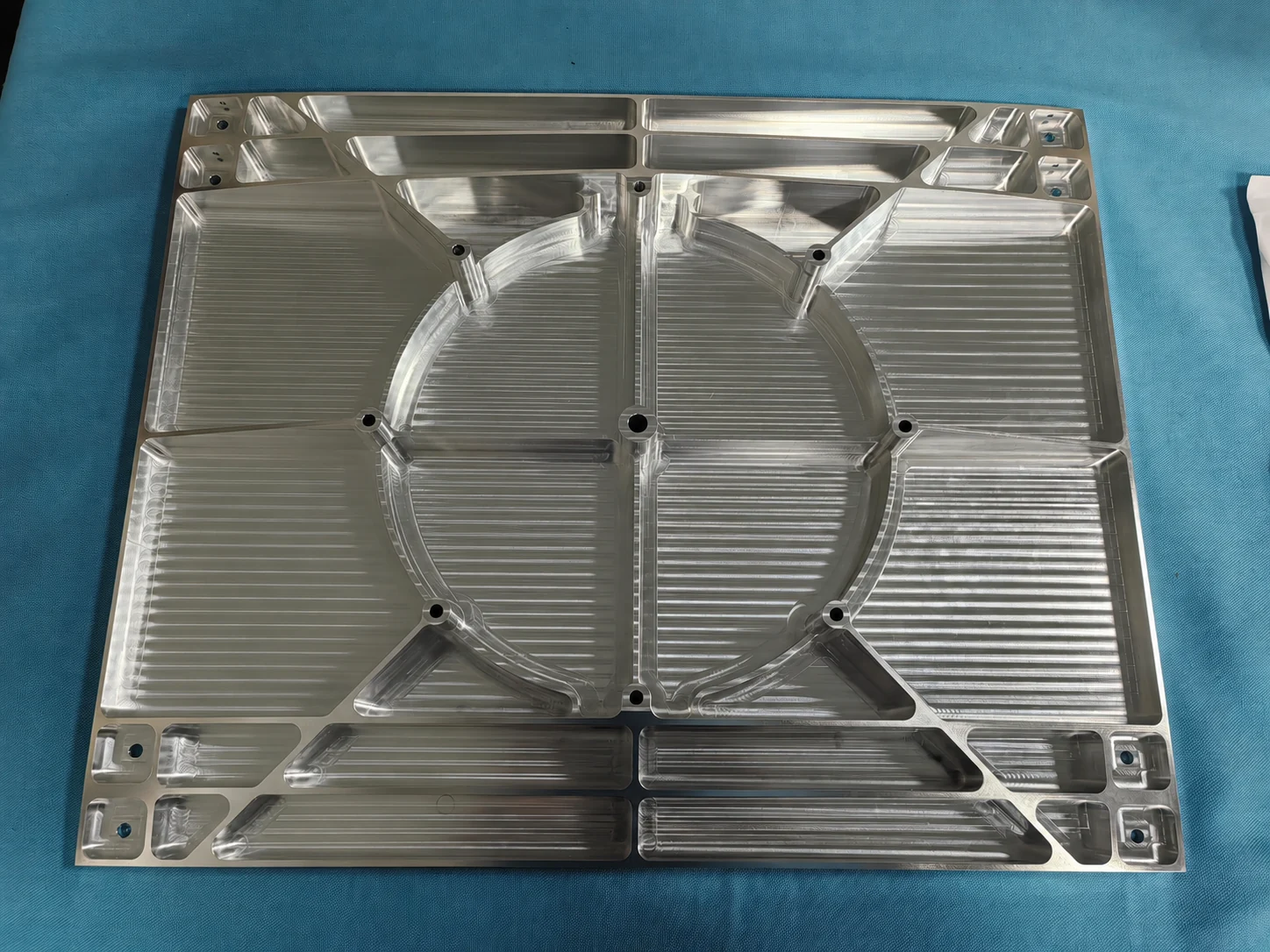
For a plate with large pockets or thin remaining sections, discuss the stock condition during manufacturing review. T651 does not guarantee that the finished component will remain flat after material removal or release from its fixture. The supplier still needs a suitable machining and clamping plan. Do not relabel T6 stock as T651 because it was left to rest after rough machining.
An RFQ should identify the alloy, temper, applicable material specification and required certification. Where material traceability is required, agree how the stock documentation will be connected to the delivered parts. Avoid a purchase description that says only “aluminum” when the drawing calls for a specific alloy and condition.
What changes in CNC machining
In the orders we have handled, the more noticeable differences between 6061 and 7075 have been material unit price and anodized appearance. We have not found the other machining differences equally prominent across those jobs. This is a shop observation from our order mix, not a controlled claim that both alloys always have identical cycle times, tool life or distortion behavior.
That distinction matters when reading a quotation. A supplier should explain the operations required by your geometry instead of attaching a generic machining penalty to the alloy name. A part with accessible faces and moderate stock removal is not equivalent to a deeply pocketed plate with narrow ribs, even if both are 7075-T6.
Ask which features drive the process: a small internal radius, a deep pocket, a thin wall, a tight bore or a relationship between surfaces machined in different setups. The answer should connect the proposed manufacturing route to the drawing. Our 6061 aluminum machining guide discusses dimensional stability and tolerance control in more detail.
The same care applies to material comparisons during prototyping. A 6061 prototype can help check geometry and assembly, but its successful fit does not validate the structural or environmental performance of a later 7075 version. If material changes, decide which checks must be repeated before production approval.
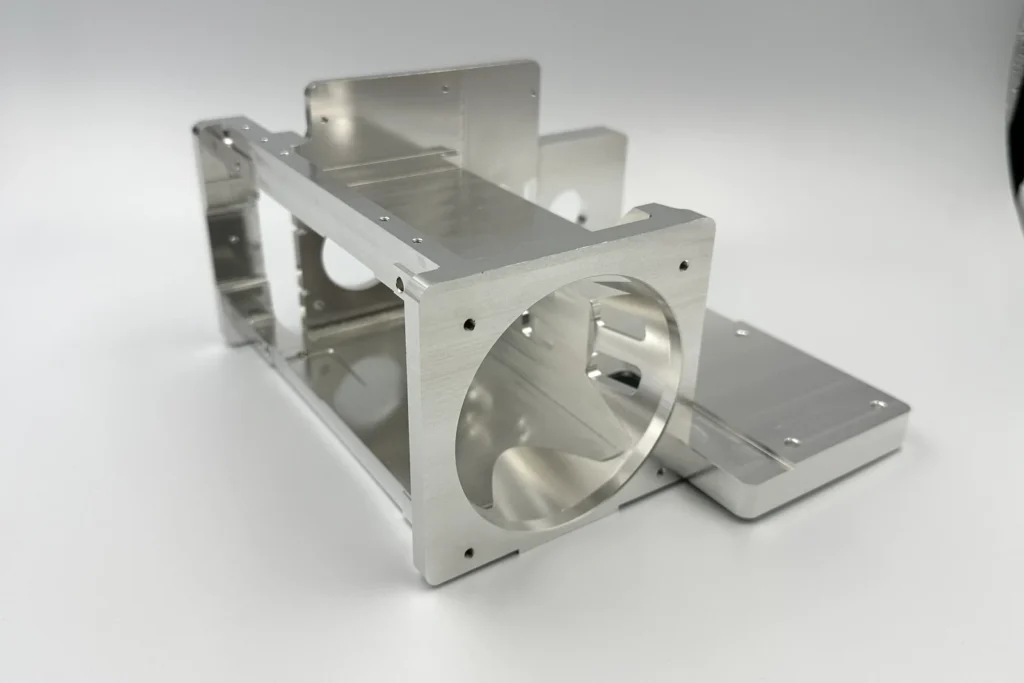
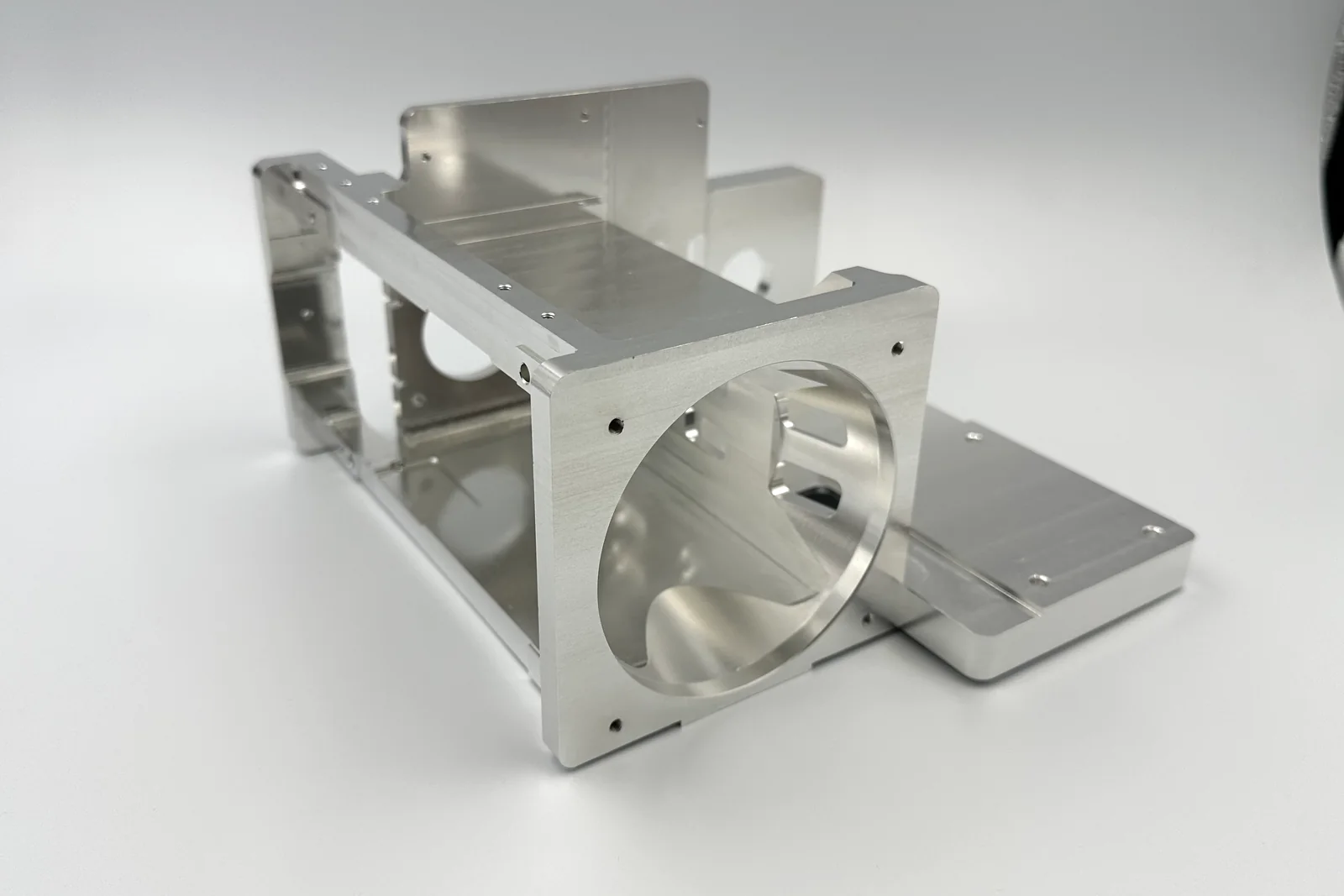
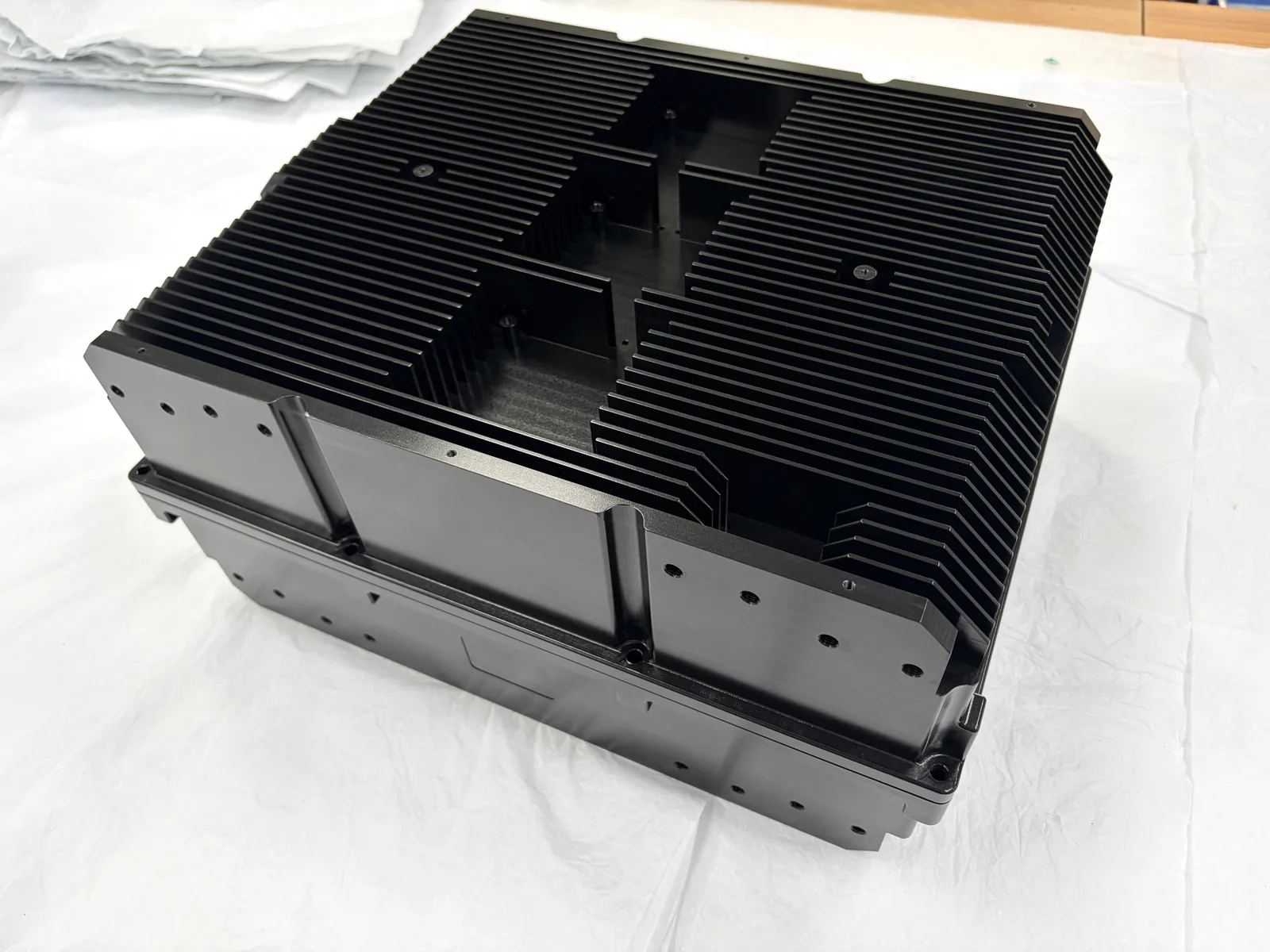
The bracket above and the 7075-T6 part shown earlier are separate products. They illustrate our machining work; they are not paired specimens for comparing surface finish, machining time or mechanical performance. We have also machined customer-specified 7075 components for drone and automotive applications, but an application label alone does not establish the correct alloy for a new design.
Anodizing appearance needs its own acceptance criteria
The Aluminum Anodizers Council guidance explains that alloy and temper affect anodized appearance, and that different alloys can look different even after the same process. Mechanical preparation also influences the visible result. Clear anodizing should therefore not be treated as a promise that 6061 and 7075 will have an identical silver appearance.
For a visible assembly, define the surfaces that matter and approve a representative finish sample. Specify whether the surface remains as machined or receives a preparation such as blasting, together with the required anodizing specification and coating requirements. If adjacent parts use different alloys, review them together rather than approving each in isolation.
A 7075 T6 appearance issue from our work
On 7075-T6 components that received localized sandblasting followed by clear anodizing, we found localized dark marks after anodizing. The anodizing supplier reported that similar issues can occur more readily with 7075. That feedback did not establish the specific cause of the marks on these parts, and the photographs alone cannot determine it.
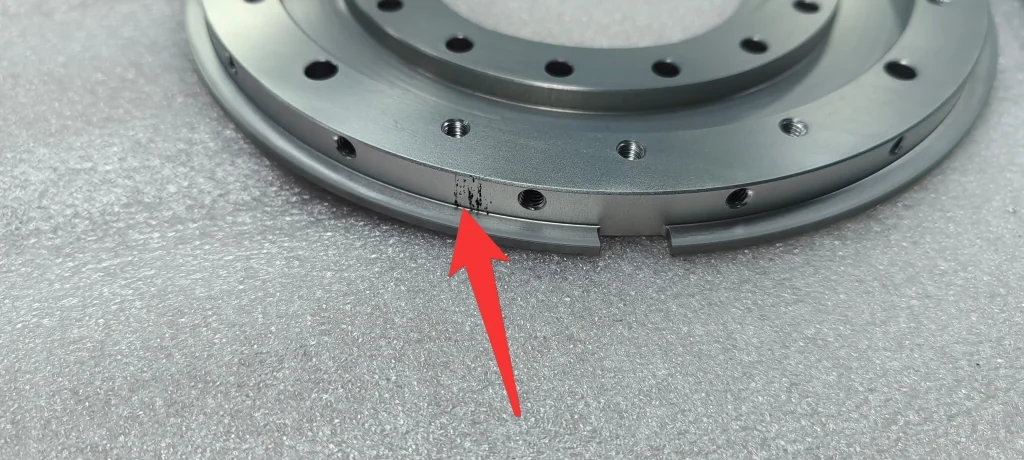
Our general handling rule is to have unacceptable cosmetic surfaces reprocessed. On non-cosmetic surfaces, acceptance requires customer confirmation; we do not release an appearance deviation simply because the area is less visible. A customer concession also should not be assumed to waive dimensional, coating or functional requirements that remain applicable.
This example supports agreeing on finish acceptance before ordering. It does not establish a defect rate for 7075, show that all 7075 parts will develop marks, or prove that 6061 would have avoided the same issue. Reprocessing feasibility and the need for subsequent checks should be reviewed before work begins; refinishing is not an unlimited remedy.
For fit-critical parts, state whether dimensions apply before or after anodizing. Keep coating requirements and dimensional acceptance consistent with the drawing. Our aluminum anodizing guide covers finish types and dimensional allowance considerations without relying on a universal compensation value.
Check the service environment and joining route
Strength is only one part of material suitability. The Kaiser data sheets distinguish the alloys’ corrosion and joining characteristics; the 7075 sheet also distinguishes T651 from overaged conditions. Do not transfer a corrosion statement about one temper to every version of 7075.
For welded assemblies, 6061 is generally the more practical starting point, but welding can change local properties in the T6 condition. Hydro discusses this in its 6061-T6 properties overview. Do not specify a 7075 replacement solely to increase nominal strength without reviewing the joining method.
Tell the supplier about outdoor exposure, moisture, contact with other metals and any assembly operations that involve heat. These details help establish what needs engineering review. A coating color, an industry label or a material’s reputation cannot replace the requirements of the actual operating environment.
Compare total part cost rather than material price alone
Material unit price is a real difference in our experience, but a fixed percentage premium would be misleading without a current quotation. Compare the actual stock size, temper, quantity and documentation requirements. A price per kilogram does not tell you the cost of the blank required for the part.
Request comparable quotations with the same drawing revision, order quantity, tolerances, finish and inspection scope. Separate any changes needed to make an alternative material acceptable. If the geometry is also redesigned, you are comparing two manufacturing proposals rather than measuring an alloy-only price difference.
For a pocketed component, ask about the purchased blank and material removal. For an appearance-sensitive part, ask how sample approval and finishing acceptance are handled. For repeat production, identify whether the first order includes fixtures or first-article work that will not recur in the same way.
Our guide to comparing CNC machining quotes explains how to check that suppliers are quoting the same scope. Neither a lower raw material price nor a shorter quoted machining time is useful if the proposed part does not meet the agreed requirements.
Information to provide before requesting a material alternative
If the drawing already specifies 7075-T6, ask for that material first. A separate 6061 option should be clearly marked as an alternative requiring engineering approval, not silently substituted into the production quote.
- Supply the current 3D model and dimensioned drawing, including the alloy, temper and revision.
- Identify the loads, allowable deflection and environmental requirements relevant to material selection. Flag requirements needing further design review.
- Mark cosmetic surfaces, required finish, representative appearance samples and the final dimensional acceptance state.
- State the quantity, delivery requirement, required material documents and inspection scope.
- Explain any welding, bonding, heating or other downstream operation that may affect the decision.
- State who may approve an alternative material and how that approval will be recorded.
Frequently asked questions
Is 7075 always better than 6061 for CNC machined parts
No. Its greater strength in the compared conditions is useful only when the design needs it. Cost, stiffness, joining, corrosion and finishing requirements may lead to a different choice. Start from the component’s function and the released specification.
Does 7075 automatically hold tighter tolerances
No alloy designation guarantees a finished tolerance. Evaluate the particular geometry, stock condition, setup plan, finishing route and inspection requirement. Our order experience does not support promising a universal accuracy advantage for 7075 over 6061.
Can 7075 be clear anodized
Yes, including the 7075-T6 parts discussed here. However, clear anodizing does not guarantee the same appearance across alloys or every batch. Agree on the required finish and how visible deviations will be evaluated.
Can a supplier change 6061 to 7075 without changing the drawing
Do not treat it as an automatic upgrade. Obtain approval from the responsible customer engineer and keep the drawing or authorized deviation consistent with production and inspection records.
Are T6 and T651 interchangeable
Do not assume they are. They describe different processing conditions, and the required product specification matters. Ask for an approved material clarification if stock availability does not match the drawing.
Discuss your specified aluminum part with SAMSHION
Send the model, drawing, material condition, quantity and finish requirements for a review of your aluminum CNC machining project. If you want quotations for both 6061 and 7075, identify them as separate options and state which engineering and appearance requirements each must meet. We normally manufacture to the customer-specified alloy and temper.