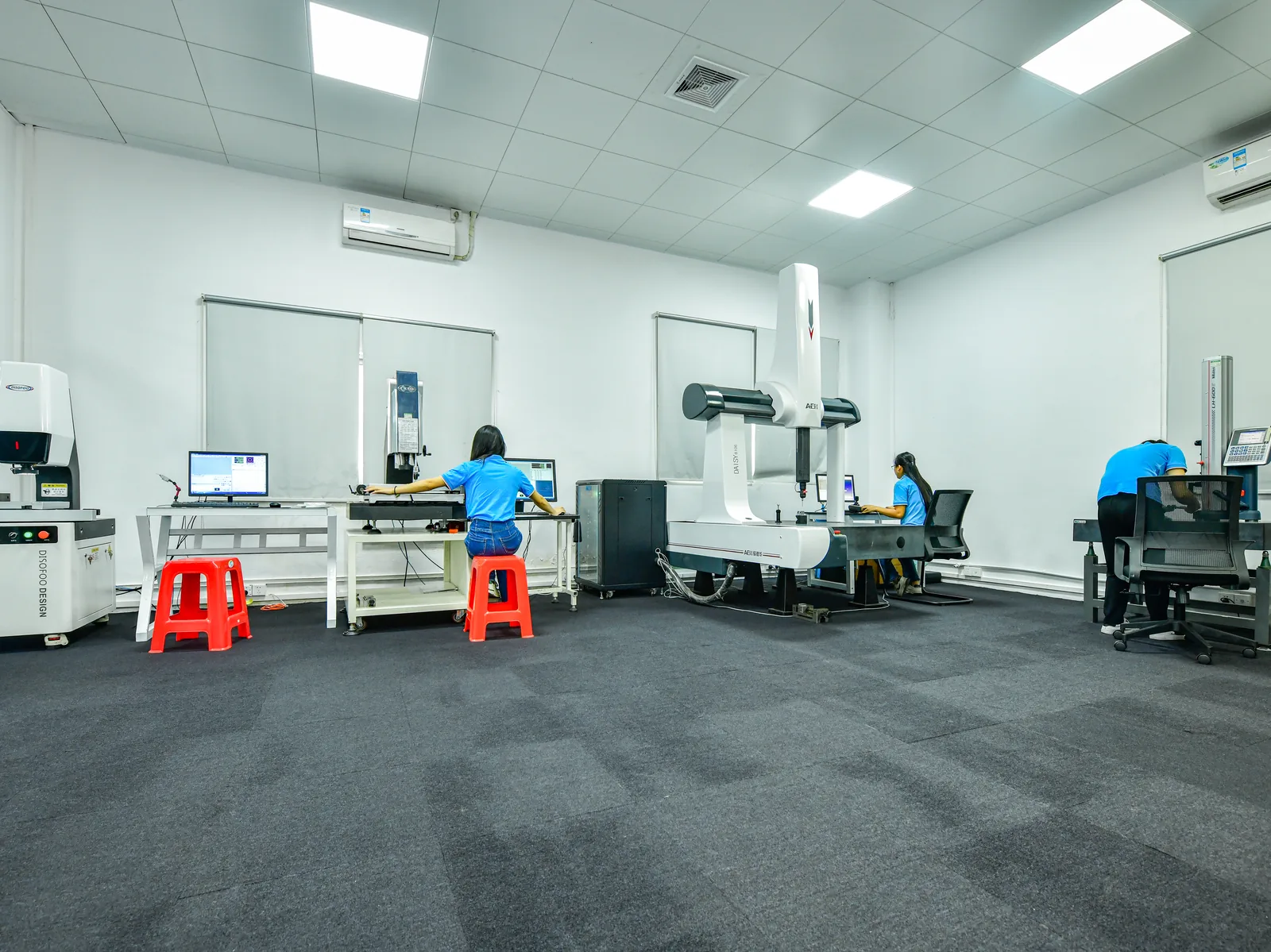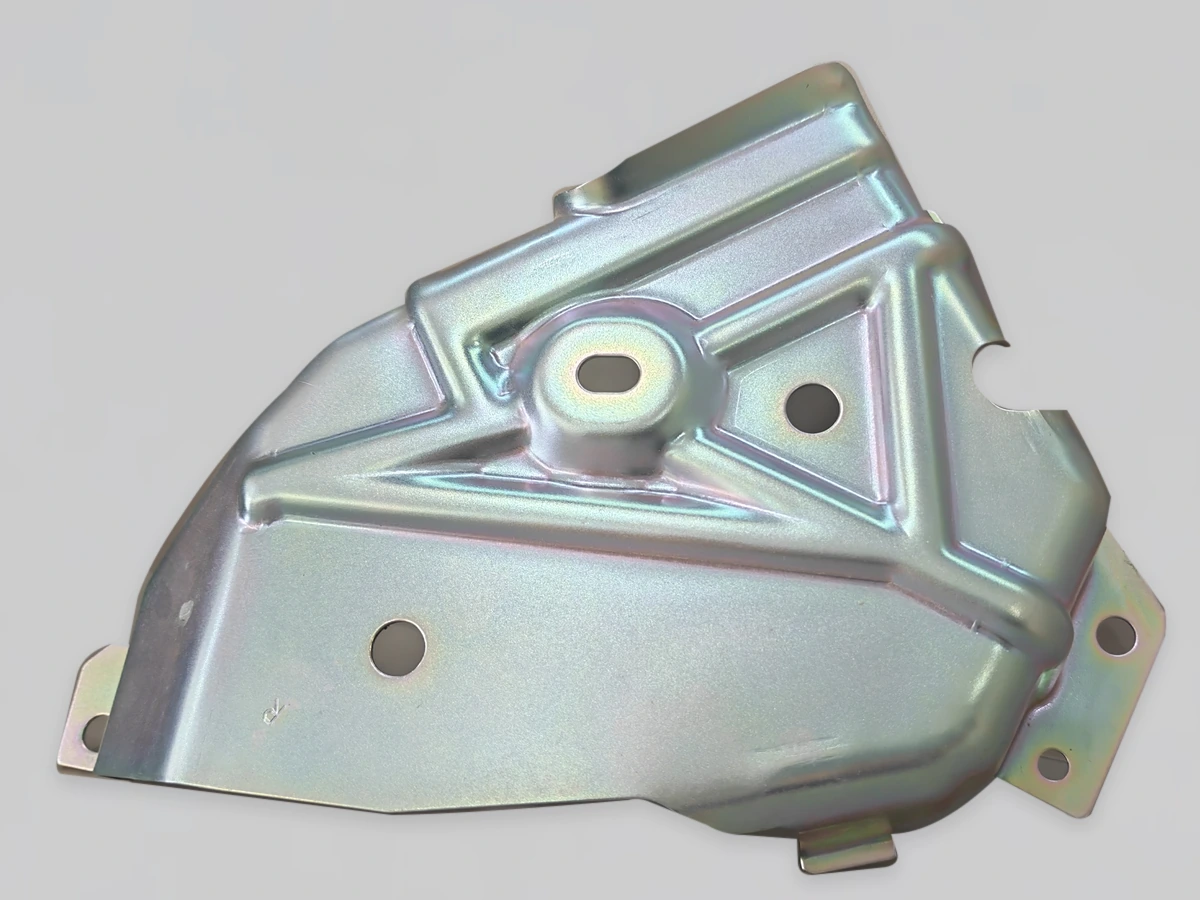
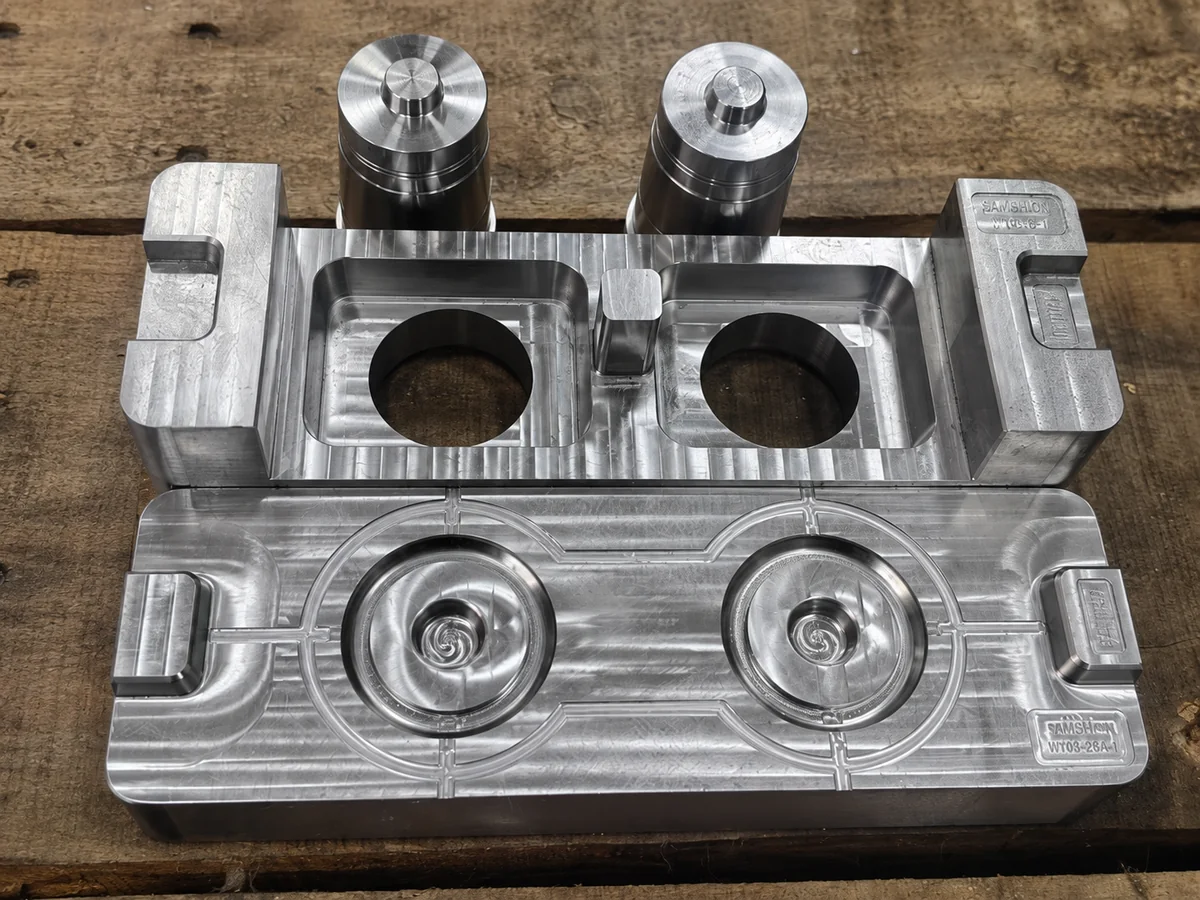
P20 and S136 are the two mold steels we use most in our own tool shop at SAMSHION. P20 is the steel for most of our rapid tooling; S136 is the steel for production molds, clear parts and high-polish surfaces. Choosing between them decides how long the mold lasts, how good the surface can be, how long it takes to build and how much it costs.
This guide compares the two steels in plain terms and explains how we choose between them for a real project.
P20 vs S136 at a Glance
- Steel type: P20 is a pre-hardened low-alloy mold steel (similar grades include 1.2311 and 1.2738). S136 is a corrosion-resistant martensitic stainless mold steel, comparable to 420-type stainless mold steels such as 1.2083.
- Typical hardness: P20 is supplied pre-hardened, typically around 28–34 HRC, and is machined in that condition. S136 can be used pre-hardened for easier machining or through-hardened to a much higher hardness for wear resistance and the best polish. We use both, depending on the part requirements.
- Mold life at SAMSHION: our P20 rapid molds are typically built for about 10,000 shots; our S136 production molds for about 300,000 shots.
- Lead time to T1 at SAMSHION: about 15 working days for a P20 rapid mold; about 4 weeks for an S136 production mold.
- Polishability: P20 polishes well for general parts; S136 reaches mirror finishes for clear and cosmetic parts.
- Corrosion resistance: P20 can rust in humid storage or with corrosive plastics; S136 resists rust and corrosive resins much better.
- Cost: P20 steel is cheaper and faster to machine; S136 costs more as material and takes longer to machine, polish and fit.
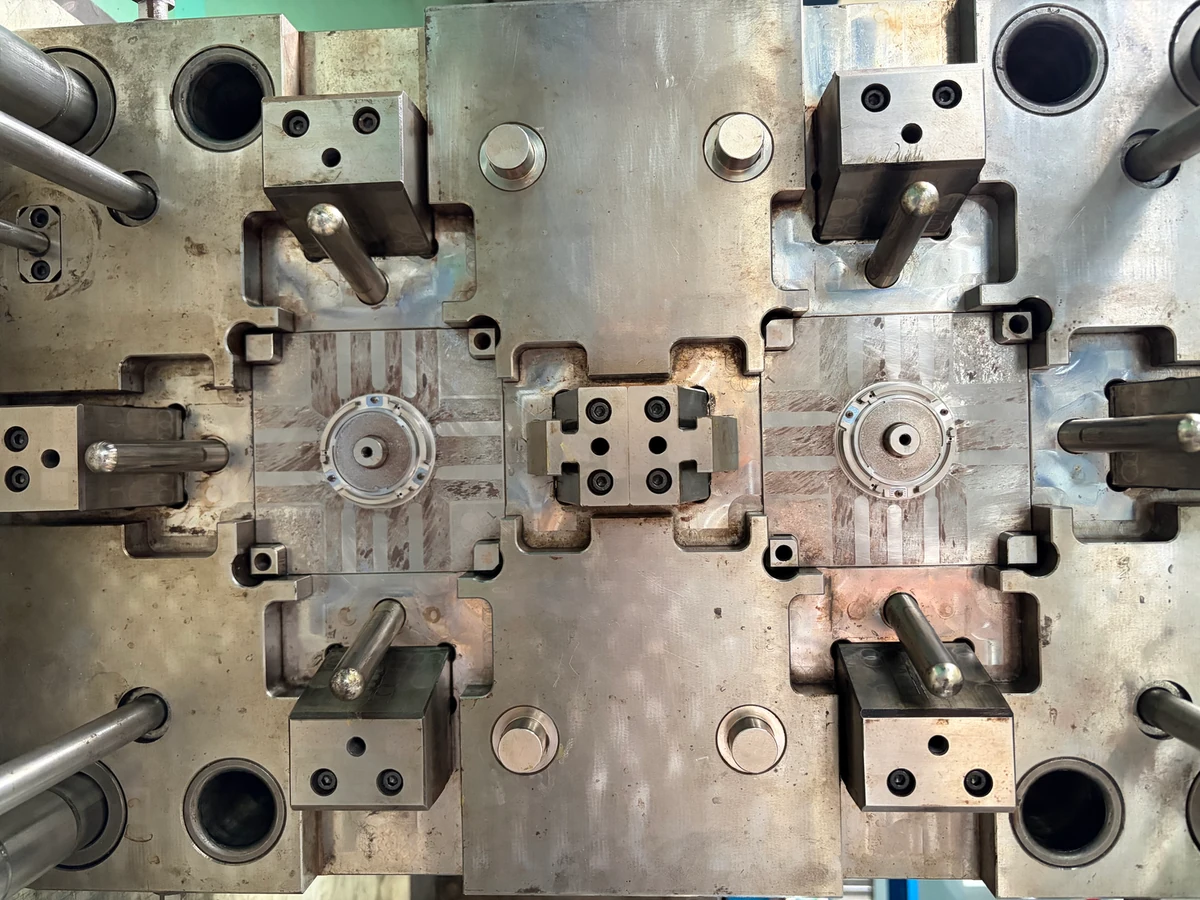
What Is P20 Mold Steel?
P20 is the most common general-purpose plastic mold steel. Because it is delivered already hardened to a moderate level, it can be machined, EDM-ed and polished without a heat treatment step, which saves time and avoids distortion. It is tough, easy to weld for repairs and modifications, and suitable for most commodity and engineering plastics.
Its limits are wear and corrosion. Glass-filled materials gradually wear gates, shut-offs and cores, and the surface can rust if the mold is stored in a humid environment or used with resins that release corrosive gases.
What Is S136 Mold Steel?
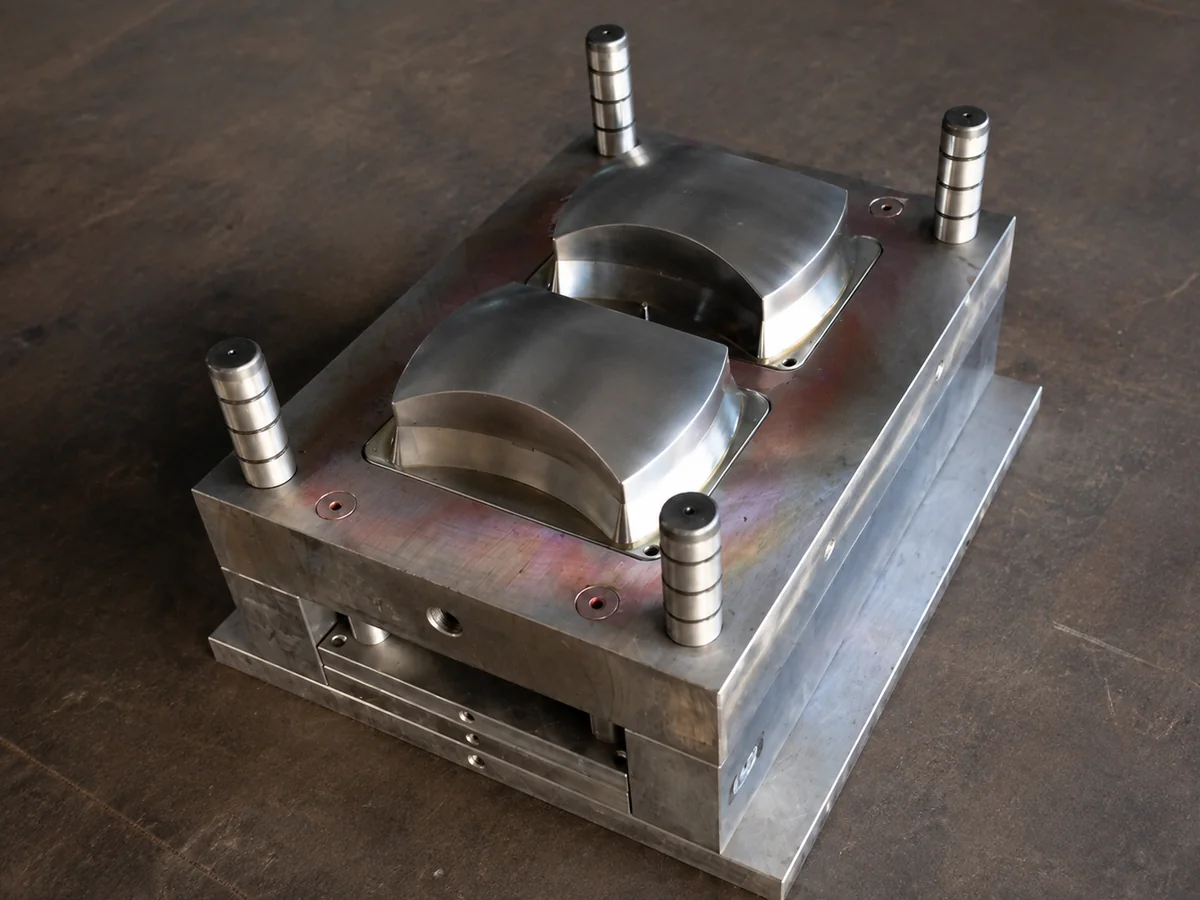
S136 is a stainless mold steel made for high polish and corrosion resistance. It is the usual choice for clear parts such as lenses and covers, high-gloss cosmetic parts, medical and food-contact parts, and materials such as PVC that can attack ordinary steel. When hardened, it also resists wear far better than P20, which is why it suits long production runs.
The trade-offs are cost and time: the steel is more expensive, harder steel takes longer to machine and EDM, and mirror polishing is skilled, time-consuming work.
How We Choose Between P20 and S136
At SAMSHION the choice is based on the part requirements, the quantity needed and the material:
- Quantity: up to a few thousand parts, or a pilot run before launch, usually means a P20 rapid mold. Ongoing production into the tens or hundreds of thousands of parts usually means S136. See rapid mold vs production mold.
- Surface: clear parts and mirror or high-gloss surfaces need S136. Textured and standard cosmetic surfaces can be made in P20.
- Material: glass-filled and other abrasive plastics favor S136 for longer runs; corrosive resins need stainless steel.
- Design stability: if the design may still change, P20 is easier and cheaper to modify and weld.
- Budget and timing: P20 gives faster T1 samples and a lower tooling cost.
We also build aluminum rapid molds occasionally, but most of our rapid molds are P20 steel, because it lasts longer and handles more materials while keeping a short lead time.
Mold Steel and Surface Finish
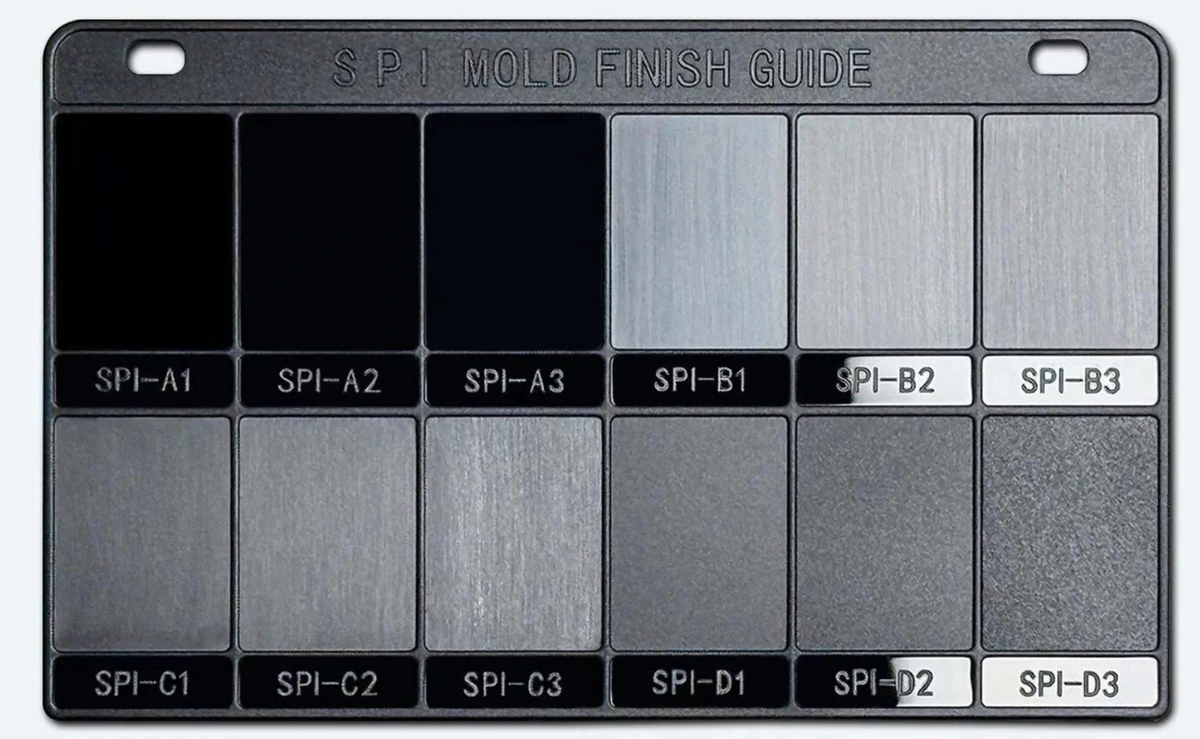
The steel limits which finishes can be achieved. SPI A-grade mirror finishes are normally specified on S136 or similar stainless steels. SPI B and C finishes and textures can be produced on P20 as well. VDI EDM textures are made on our own EDM machines; mold polishing and chemical textures such as Mold-Tech are done by specialist partners. See SPI, VDI and Mold-Tech finishes.
Other Steels You May See on a Quote
- 718 / 718H: a pre-hardened steel similar to P20 with slightly better polish and consistency. We also use 718, often for larger molds.
- NAK80: a pre-hardened steel with very good polishability, used for high-gloss parts without heat treatment. We use it alongside S136 for mirror-finish molds.
- H13: a hot-work steel that can be hardened for high wear resistance; used for inserts in abrasive or high-temperature applications.
- Aluminum: fastest to machine and lowest cost, but the shortest life; suitable only for very small quantities.
Common Mistakes When Choosing Mold Steel
- Choosing by price only: a P20 mold asked to run far beyond its intended life needs repairs or replacement before the project ends.
- Over-specifying for a short run: paying for S136 when a few thousand parts are needed adds cost and weeks of lead time.
- Forgetting the material: glass-filled or corrosive resins change the right steel choice.
- Specifying mirror finish on P20: P20 does not reach the same optical finish as S136.
- Ignoring future demand: if a rapid mold is likely to become a production mold, plan the transition early.
How We Build and Look After Molds
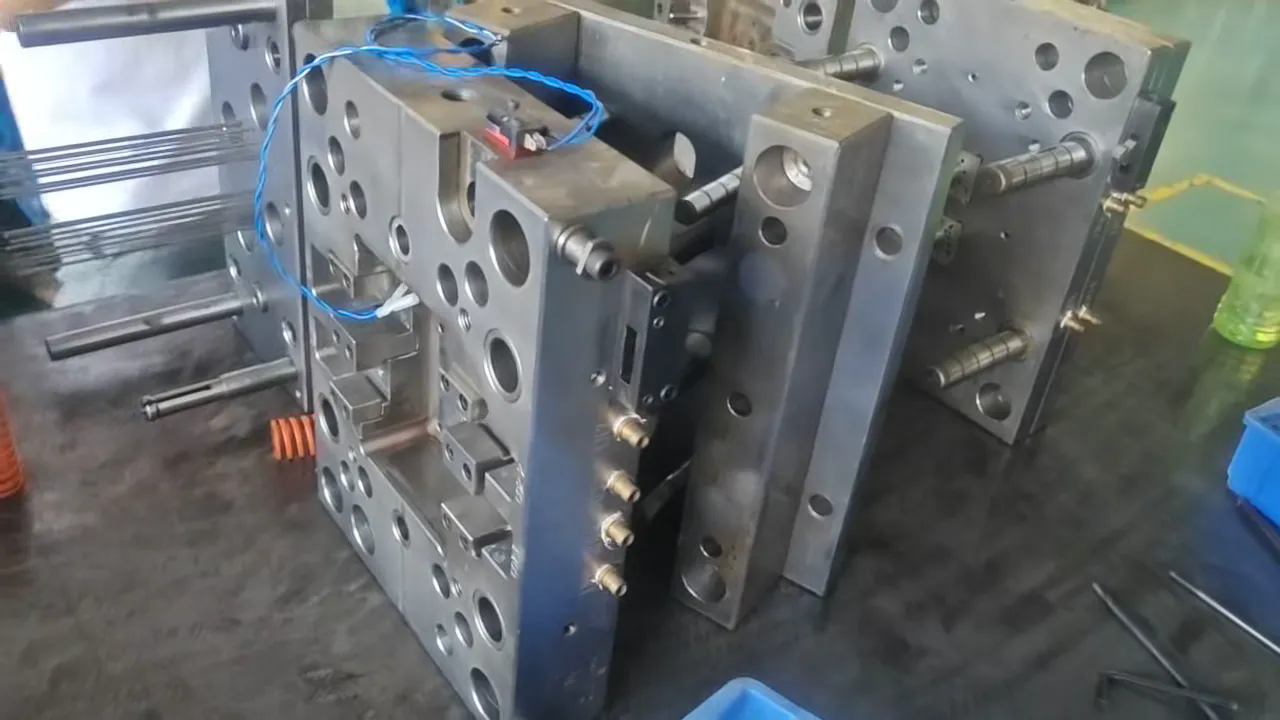
- Molds are designed and built in our own tool shop and run on our 40 injection molding machines from 80 to 800 tons.
- DFM review and mold flow analysis are done before steel is cut.
- Tight-tolerance features are left steel-safe and adjusted after T1 measurement.
- The mold belongs to the customer.
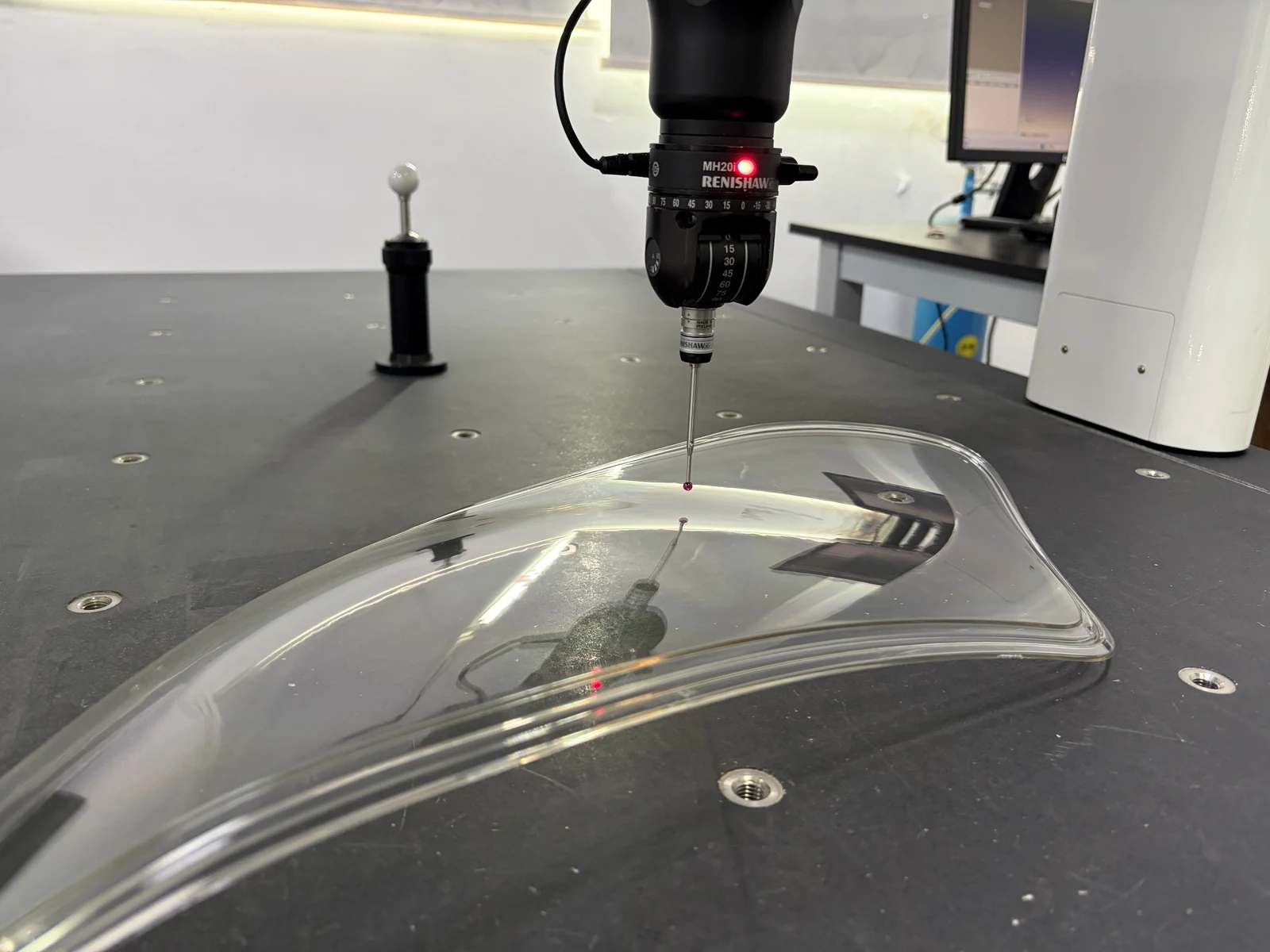
- Every order ships with a full dimensional inspection report and material certificates.
Frequently Asked Questions
Is S136 better than P20?
Not in every case. S136 lasts longer, resists corrosion and polishes to a mirror finish, but it costs more and takes longer to build. P20 is the better choice for prototypes, pilot runs and low volumes.
How many shots can a P20 mold make?
It depends on the part, material and maintenance. Our P20 rapid molds are typically built for about 10,000 shots.
Which steel do I need for clear plastic parts?
Clear parts normally need S136 or another high-polish stainless mold steel, polished to an SPI A-grade finish.
Can a P20 mold be upgraded later?
When volume grows, the usual route is a new production mold in S136 based on the proven P20 design. Parts and lessons from the rapid mold make the production mold faster to approve. See how long it takes to make a mold or send your files through our quote page.