When we manufacture a complete set of prototype parts, we put the mating components together before delivery. At SAMSHION, this prototype assembly check includes fitting the housings, installing and tightening the screws or nuts used in the assembly, and checking how the parts sit together against the customer’s drawings or 3D model.
Many of the plastic prototype orders we handle are complete product sets rather than isolated components. Customers need the parts to assemble, even when they have not specified unusually tight tolerances. A housing, its cover and its internal components need to work together in the same physical build.
This article explains our normal fit-check scope using photographs of a screw-fastened ABS prototype made by CNC machining. It also explains what to specify if your order includes mating metal parts, photographs or a particular delivery arrangement.
A CNC Machined ABS Prototype in Separate and Assembled States
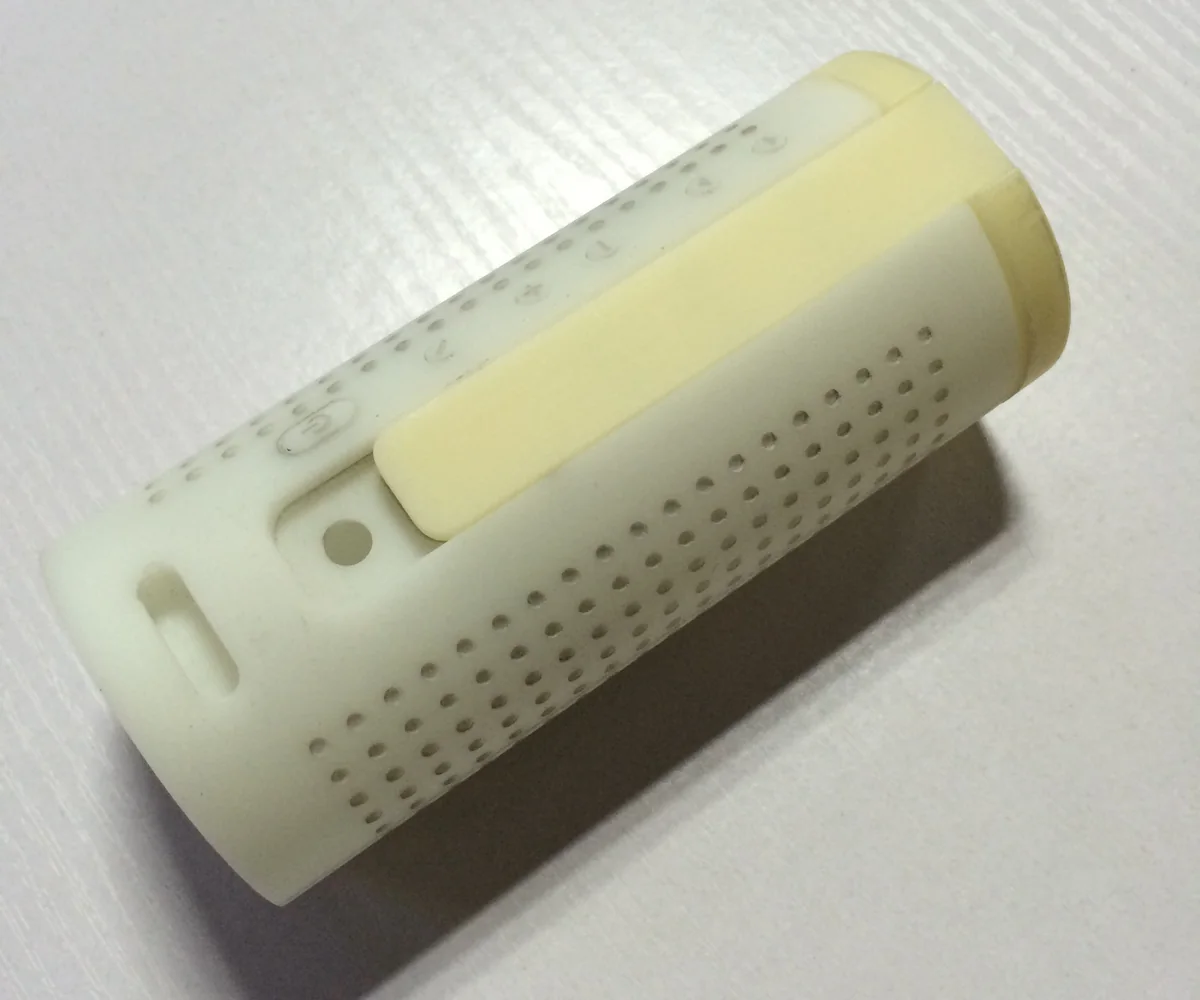
The two photographs show the same prototype set. The parts were CNC machined from ABS, and the assembly is secured with screws. In the first photograph, the open housings reveal internal posts, holes and other features that are hidden when the enclosure is closed. The separate smaller parts also show that the order includes more than an outer shell.
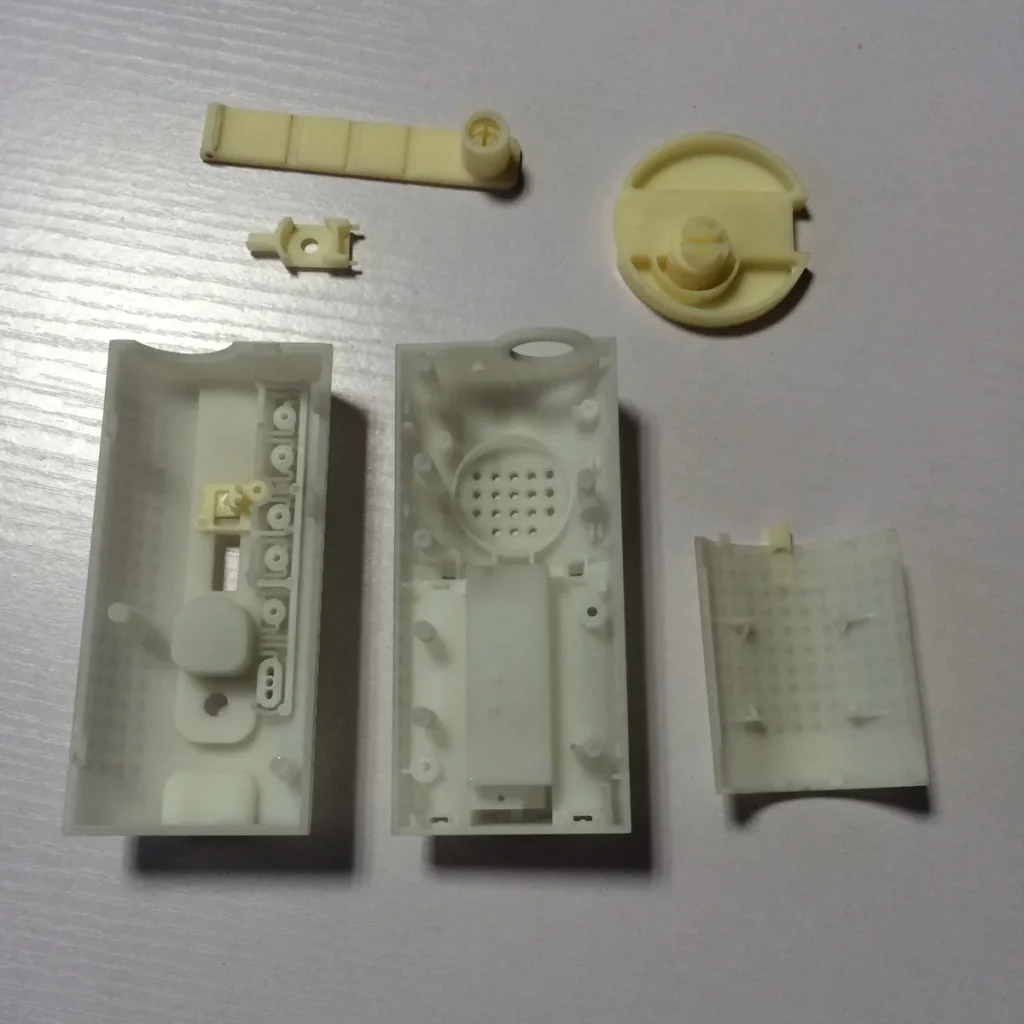
The second photograph shows the assembled exterior. Bringing the components together allows us to check the housing closure and the positions of the fitted parts in their assembled condition. These are views of the actual prototype, not a rendering of how the CAD model should look.
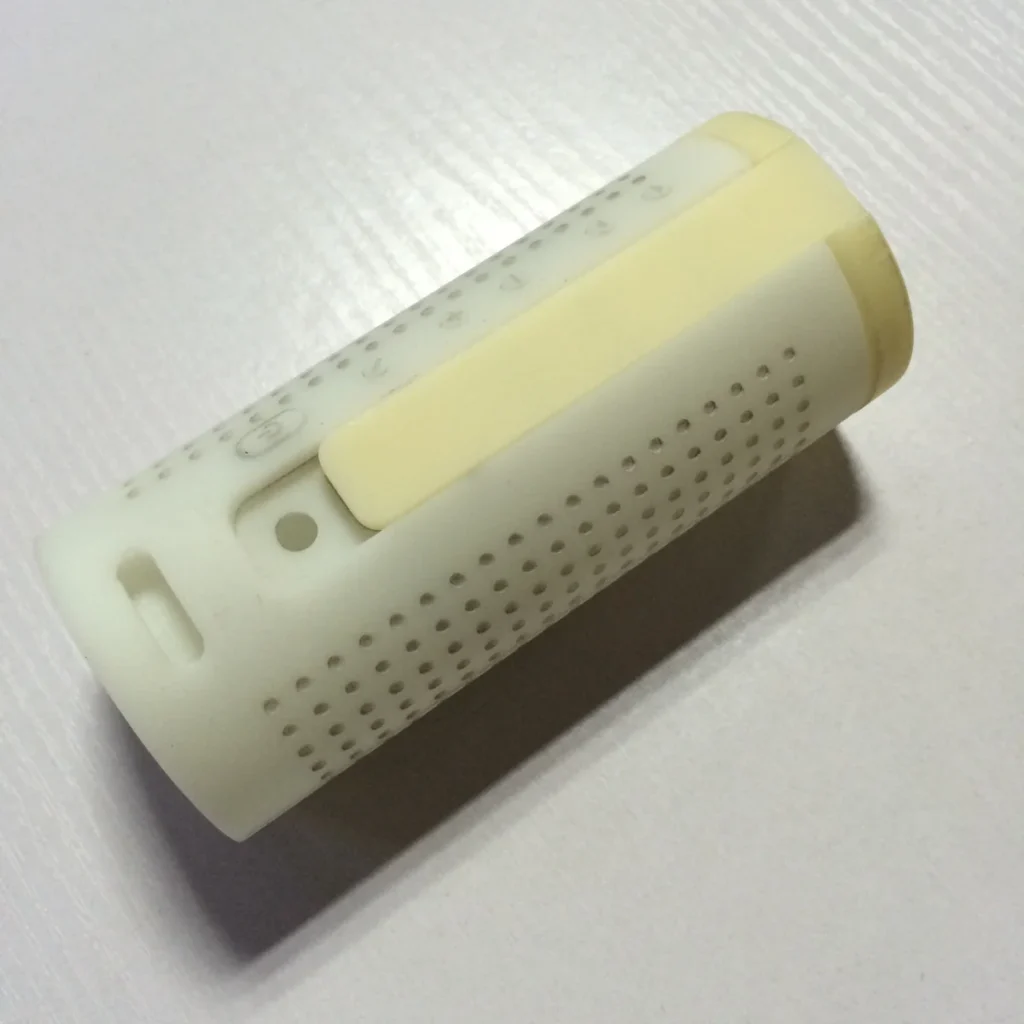
The photographs show component arrangement and the assembled condition. They do not provide measured gap values or establish a torque rating. This example is a screw-fastened assembly; it should not be treated as a demonstration of snap-fit retention or metal-to-plastic interfaces.
Start With the Customer Drawing or 3D Model
We manufacture to the customer’s design. For assembly checks, the references are the drawing dimensions and notes or the supplied 3D model. We do not create a new gap requirement, change the specified material or alter the product design simply because a different arrangement would be easier to assemble.
For an order containing multiple parts, send the complete assembly model as well as the files needed to manufacture the individual components. An individual part file shows its own shape. The assembly model shows which components mate, their orientation and how they are intended to sit together.
If a seam, mounting position or clearance has a specific acceptance requirement, identify it on the drawing or in the agreed specification. A model can show a nominal relationship without stating the permissible variation. Likewise, an intentional opening should not be mistaken for a defect simply because the surrounding housing closes tightly.
Keep the part drawings and assembly model consistent. If they show different geometry or revisions, identify the version that should govern the order before machining starts. This is a useful customer preparation step even for a prototype with relatively straightforward dimensional requirements.
What We Look at During Trial Assembly
Our usual checks concern the assembled relationship between parts: whether screw holes line up, housing halves close, intended catches engage, and mating components have interference or obvious gaps. The features present in the customer’s design determine which checks apply. We also check the fit with mating metal components when they are included in the assembly scope.
Screw Holes and Housing Closure
We actually install and tighten the assembly fasteners rather than only place the housings next to each other. This brings the parts into the condition in which their mounting points and closing surfaces can be checked together.
For the ABS example, the useful questions are whether the screw locations correspond between the mating components and whether the housing closes as intended once assembled. Looking at a loose cover alone cannot show that relationship.
The screw specification matters as well as the hole position. Tell us which fasteners belong in the prototype and whether any are to be supplied by you. If a controlled tightening torque is required, state it separately; our normal trial assembly is not a published torque or thread pull-out test.
Mating Edges and Internal Parts
We check the relationship between the housing edges and the fitted components, including obvious interference and gaps. The reference is the intended geometry, not an assumption that every visible joint should disappear.
The open view of the ABS prototype is useful here because it exposes features that are no longer visible from the assembled exterior. A photograph of the closed housing alone does not explain which internal parts or mounting points must fit inside it. Supplying the full set makes these relationships available for physical assembly.
For other projects with snap-fit features, the normal check includes whether the catches engage. The photographed example uses screws, so it does not illustrate that particular check.
Plastic Parts With Metal Counterparts
Some of our prototype sets combine plastic components with metal parts. In those orders, the mating relationship can include metal brackets, mounting components or other counterparts specified by the customer. These are checked as part of the supplied assembly, not inferred from the appearance of the plastic housing.
If you retain a mating component rather than include it in our manufacturing scope, tell us whether it can be supplied for trial assembly. Checking the plastic part to its drawing and physically checking it against that particular counterpart are different tasks. The order should make clear which is required and which components will be available.
A Practical Assembly Check List
Use the following list to identify the relevant interfaces in your own prototype order. A design may use only some of them.
An assembly check complements dimensional inspection. If you need numerical results for particular dimensions, identify them and request the required report. Our CNC inspection guide explains dimensional inspection and reporting separately.
Agree on the Condition That Must Be Checked
Be clear about whether the required fit is for the machined parts or the finished prototype. If the order includes painting or another surface treatment, tell us which mating surfaces and visible joints matter in the finished condition. Do not leave a final-fit requirement implicit in a request for appearance finishing. Our plastic painting guide covers that finishing scope in more detail.
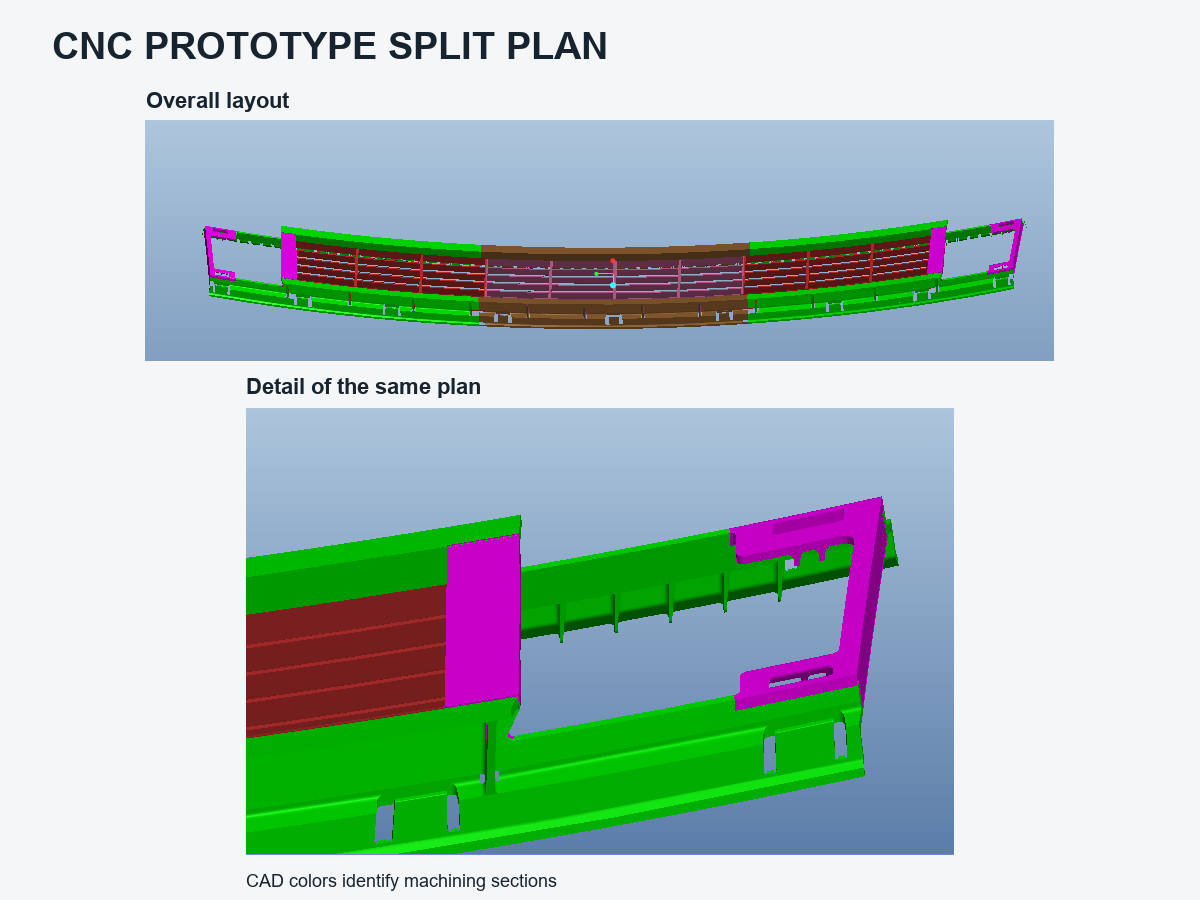
The manufacturing route also needs to remain clear. A prototype assembled from separately designed components is not the same as one component intentionally split into sections for machining and then bonded. The ABS set shown here is an example of screw assembly. For the separate decision about splitting a difficult component, see our CNC plastic prototype splitting and bonding guide.
These distinctions help avoid asking a photograph or a basic fit check to answer a different engineering question. SAMSHION works to customer drawings; this routine assembly work does not include developing the customer’s product or verifying its structural strength. Electrical operation, sealing, drop resistance and service life need their own defined validation scope where relevant.
Photos and Delivery Follow the Customer Request
We provide trial-assembly photographs or videos when the customer requests them. They are not an automatic inspection package for every order. If you need them, identify the views that matter, such as an open housing, a particular mating edge or the complete assembled set.
Photos can help you review component arrangement and visible fit before delivery. A photograph without a measurement does not establish a numerical clearance, and a video of one assembly operation does not establish durability over repeated use. Request any separate measurement or test explicitly.
After trial assembly, we can deliver the parts assembled or take them apart for shipment according to the customer’s requirement. Tell us which condition you need. A customer planning to install internal components may need access to the open housings, while another may request the set in its assembled state. Neither arrangement should be assumed from the fact that trial assembly has been completed.
What to Send With a Prototype Assembly Enquiry
Alongside quantity, material and finish requirements, include the information needed to reproduce the intended assembly:
- The complete assembly model and the individual part files, with matching revisions.
- Drawings or notes identifying important mounting positions, mating surfaces and gaps.
- The fasteners and other components to be used, including any customer-supplied counterparts.
- The condition in which fit must be checked, particularly when finishing is included.
- Any requested photographs, videos or dimensional results.
- Whether the set should be delivered assembled or disassembled.
For the complete prototype sets described here, trial assembly is a routine part of checking how the manufactured components fit together. It remains useful when an order has ordinary rather than unusually tight dimensional requirements. The customer receives parts that have been brought together against the supplied design, with delivery and documentation arranged to suit the order.
Send your part files and assembly model through our CNC machining service and tell us which mating components and delivery requirements belong in the quotation.