Stainless steel passivation is a chemical surface treatment used to remove contamination and support the protective passive surface of a stainless component. When ordering CNC machined parts, define the treatment together with the material, drawing and acceptance requirements. A clean-looking part and a dimensional inspection report answer different questions from a specified passivation verification test.
SAMSHION has supplied machined stainless steel parts with passivation performed by an external finishing supplier. We machine and inspect to customer drawings and coordinate the required treatment with the supplier. This guide explains what buyers and engineers should review before production, including material selection, surface preparation, threaded features, inspection and documentation.
What Stainless Steel Passivation Means
Stainless steel naturally develops a thin, chromium-rich oxide film at its surface. Worldstainless explains this passive film and its regeneration when the surface has access to oxygen. This natural behavior is part of the material’s corrosion resistance, although the alloy and service environment still determine where it can be used successfully.
In manufacturing, passivation also refers to a controlled treatment of a prepared stainless surface. The objective includes removing contaminant iron and other foreign matter that can interfere with the desired surface condition. It is a different operation from adding a nickel deposit, paint film or decorative coating.
This distinction matters when writing a drawing note. A request for a silver appearance, a roughness value or a shiny finish does not define a passivation process. Likewise, specifying passivation does not establish a mirror finish or change an unsuitable stainless grade into a suitable one.
Why Review Passivation After CNC Machining
A manufacturing route can expose a stainless component to cutting fluids, handling equipment, abrasive media and metal debris. Depending on how these are controlled, the surface may carry residues or transferred contamination after the dimensions have been machined. Cleaning and treatment requirements should therefore be considered before the completed part moves to finishing.
Machining does not mean that every stainless component needs the same chemical treatment. The drawing, material, application and required acceptance evidence determine the route. Where passivation is specified, the machining supplier and finishing supplier need a common understanding of the condition in which the parts will be handed over.
For example, residual oil in a pocket can prevent a treatment from contacting the surface consistently. A bore that traps liquid presents a different cleaning and rinsing question from an open external face. These details should be reviewed with the finishing supplier while the geometry and production sequence can still be adjusted if necessary.
Our surface finishing overview describes how finishing requirements are coordinated with machining and other manufacturing processes. The passivation review adds the material-specific preparation and verification details for the stainless component.
Cleaning Pickling Passivation and Electropolishing
These terms describe different operations. They should not be used interchangeably in a quotation or drawing note. The Australian Stainless Steel Development Association’s chemical treatment guidance distinguishes their purposes.
Passivation Versus Pickling
Passivation should not be assumed to remove heavy oxide scale or weld heat tint. If the manufacturing route includes welding or heat treatment, review whether a separate descaling operation is needed. The ASSDA discussion of pickling and passivation explains why surface condition and preparation affect the treatment route.
For a machined component, the practical point is to identify the condition that needs correction. A chemical finish note is not a substitute for defining allowable burrs, scratches, oxide scale or other visible defects.
Passivation Versus Electropolishing
Electropolishing can change the surface texture through controlled metal removal. A passivation callout alone does not request that operation. If an edge, precision bore or small feature must retain its geometry, any process involving material removal needs an explicit allowance and acceptance review.
A buyer who requires a smoother surface should specify that outcome separately. The manufacturing route can then be evaluated against both the surface requirement and the final dimensional tolerance.
Choose the Treatment From the Stainless Grade and Drawing
Provide the complete stainless steel designation and any required material condition. Treatment selection should use the drawing and material records, rather than the color or reflectivity of a photograph. This is especially important when orders involve different stainless families or free-machining grades.
304 and 316 stainless steels are common subjects in passivation enquiries. Both still require a process suited to the actual grade and job requirements. A change from one grade to another can also affect the underlying suitability of the component for its service environment. Passivation does not remove the need for that material decision.
Our 304 versus 316 versus 17-4PH machining guide discusses grade selection and manufacturing considerations. For a passivated part, the material condition and finish requirement should remain consistent across the model, drawing and order documents.
Citric Acid Versus Nitric Acid Passivation
Citric acid and nitric acid are established passivation routes. The British Stainless Steel Association discusses both treatments. The appropriate choice depends on the material, applicable specification, surface condition and the supplier’s controlled process.
The acid name alone is not a complete process instruction. Nor should a supplier substitute one route simply because another product uses it. If the customer specifies a treatment, a proposed change needs review against the drawing and order requirements before processing.
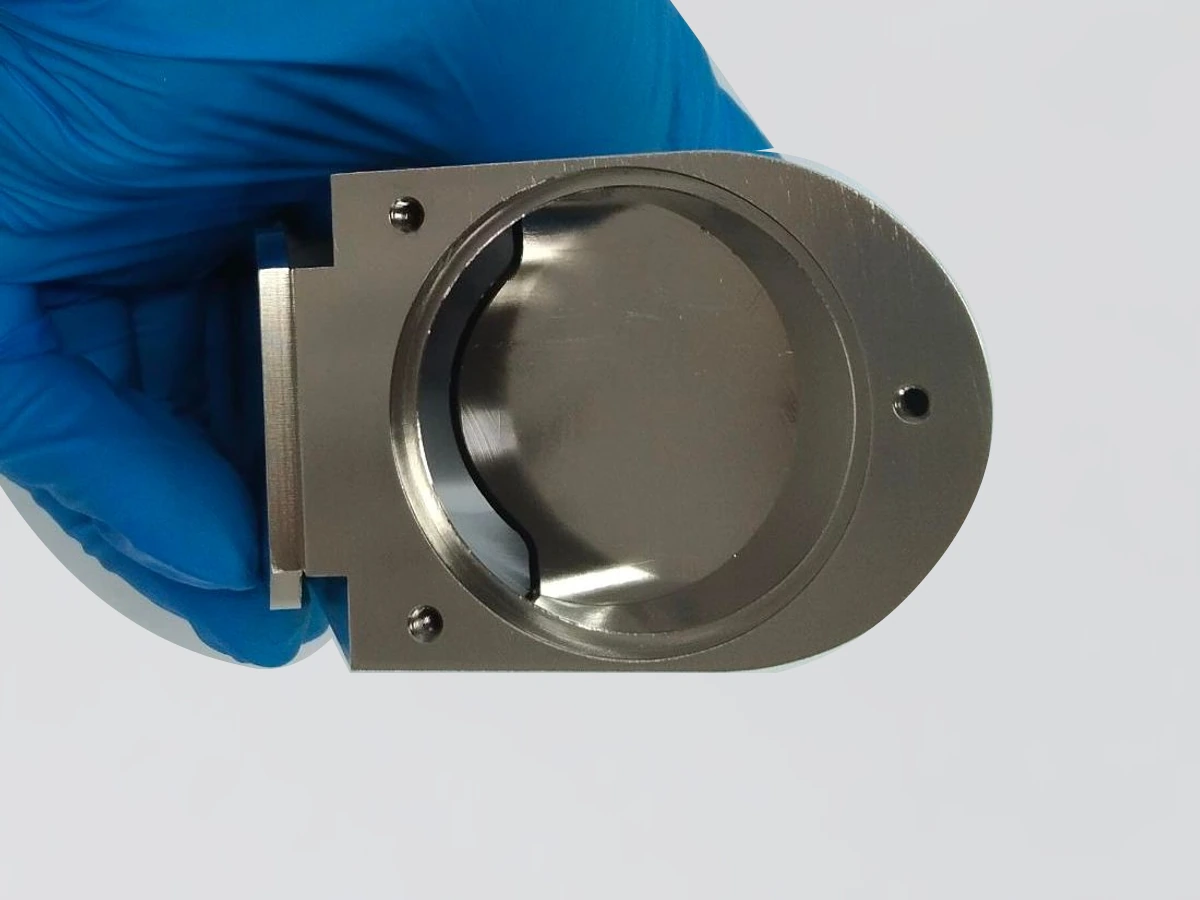
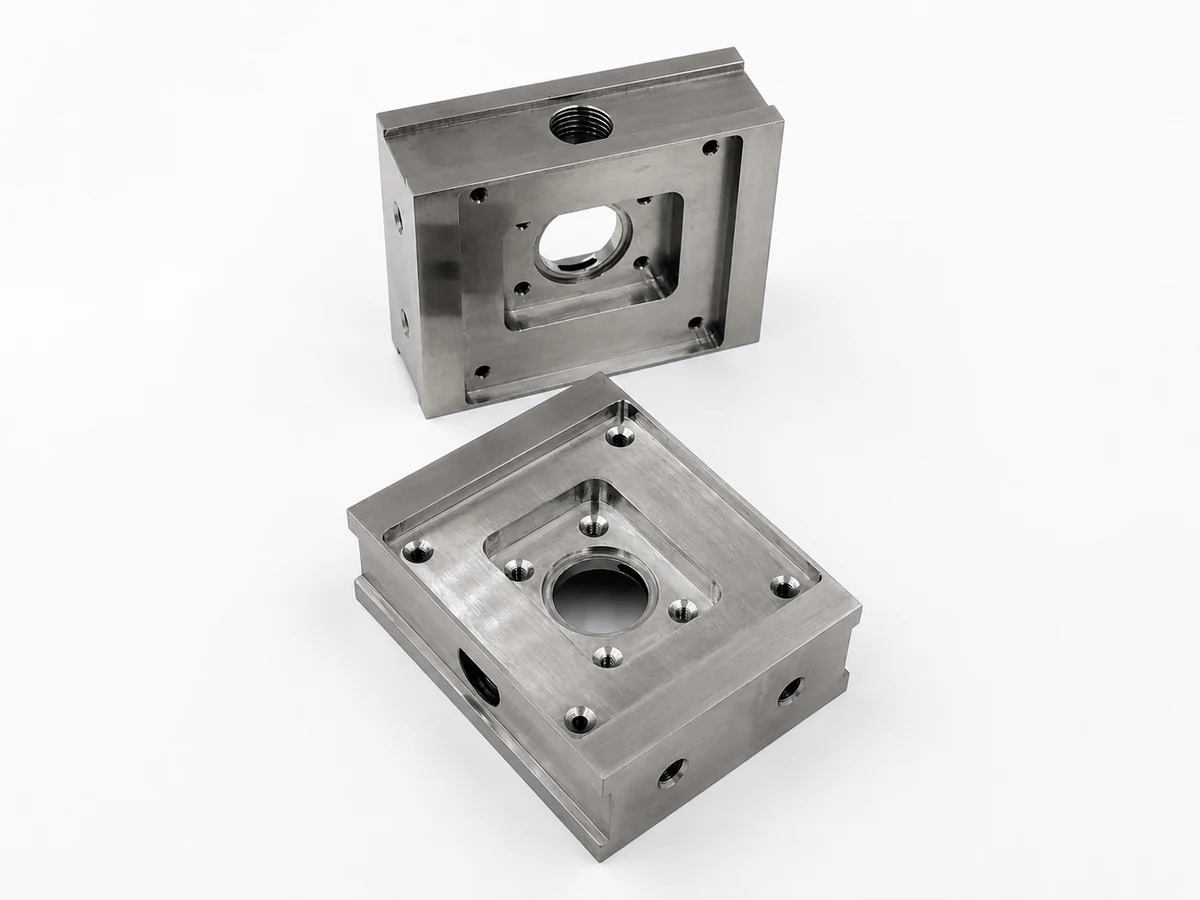
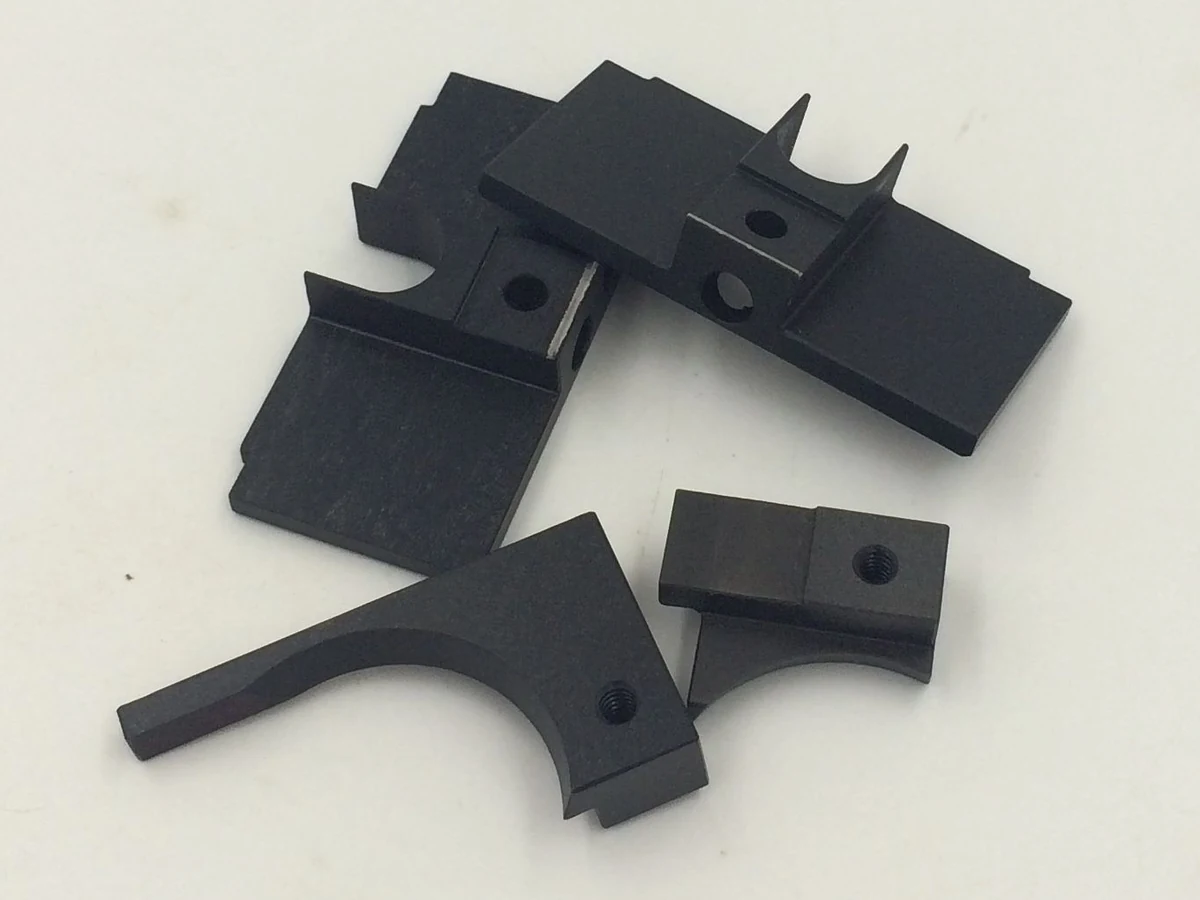
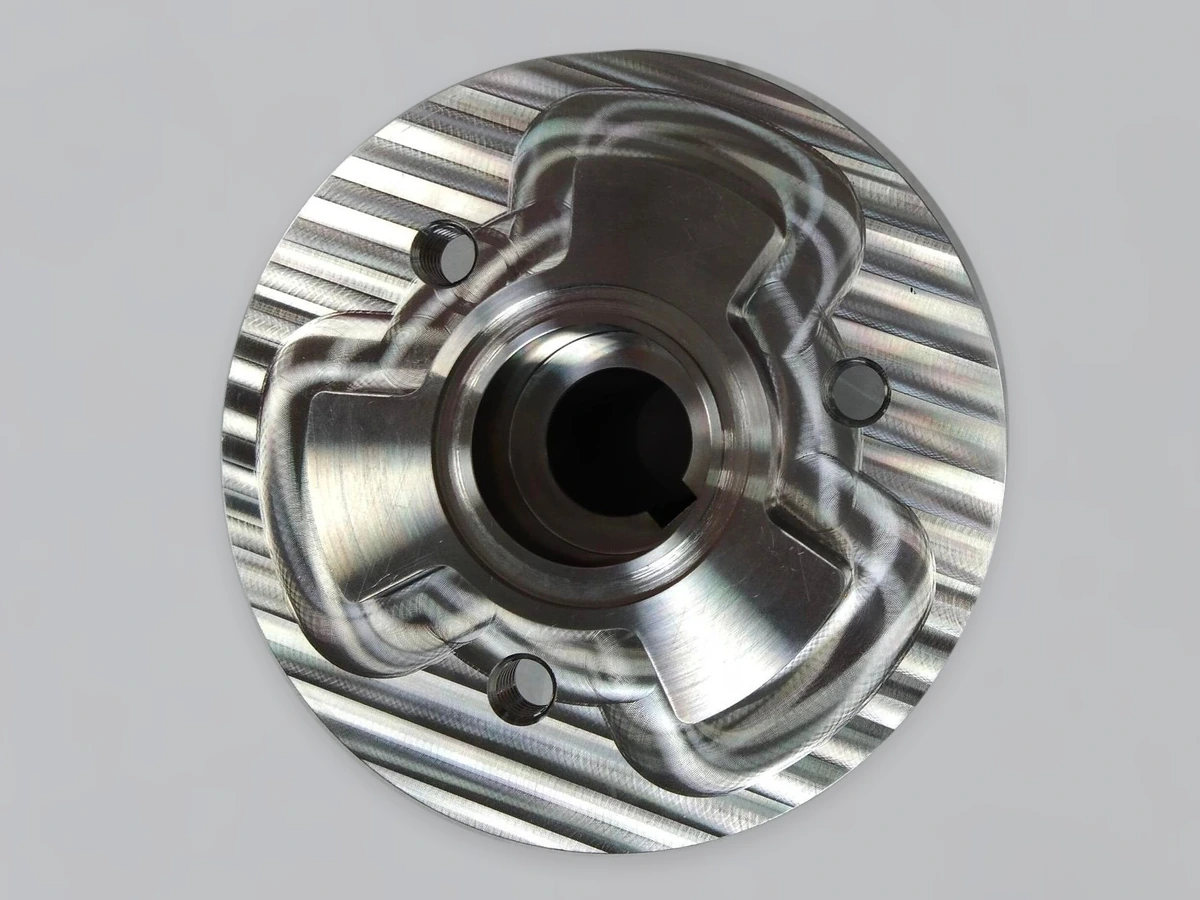
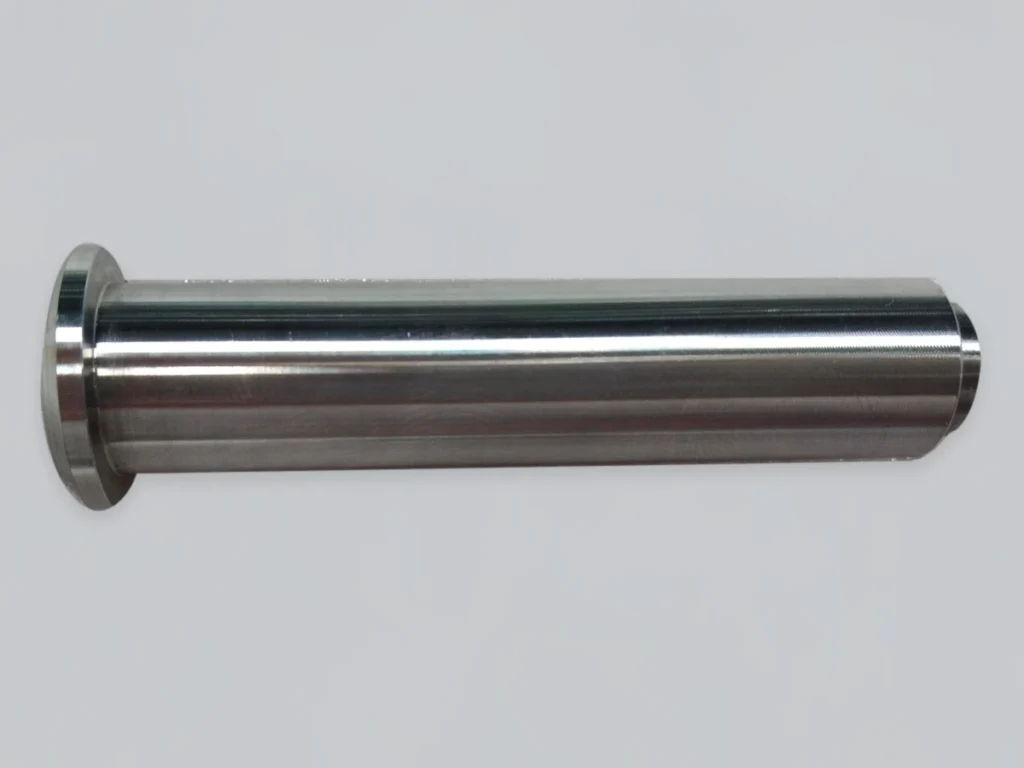
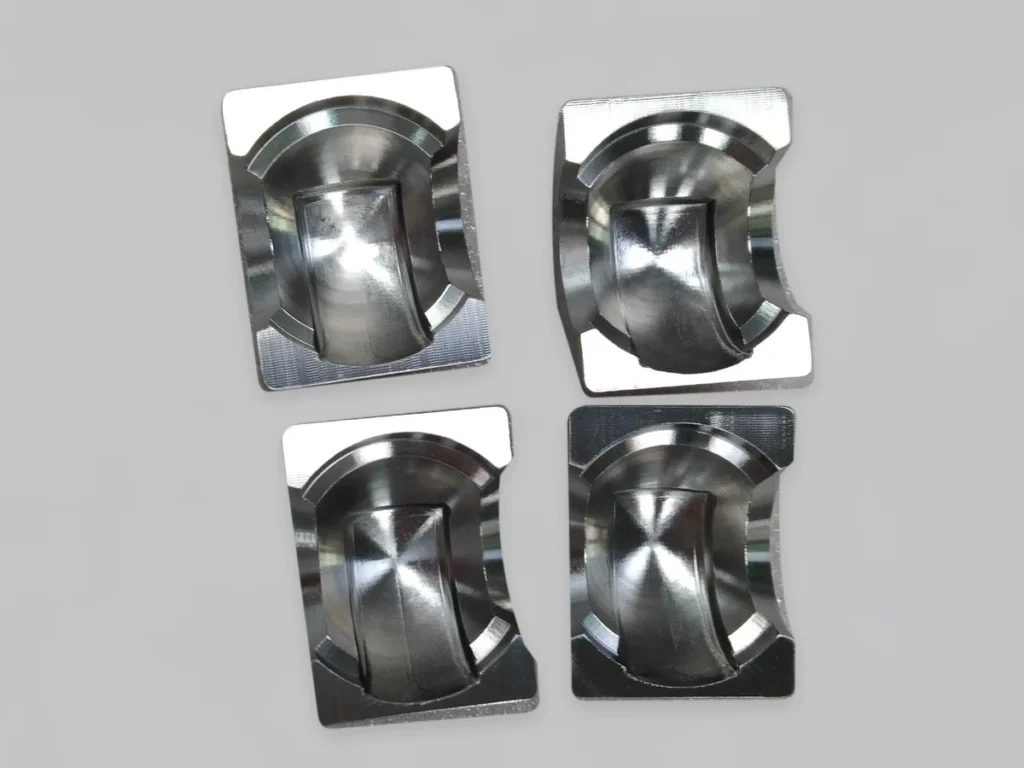
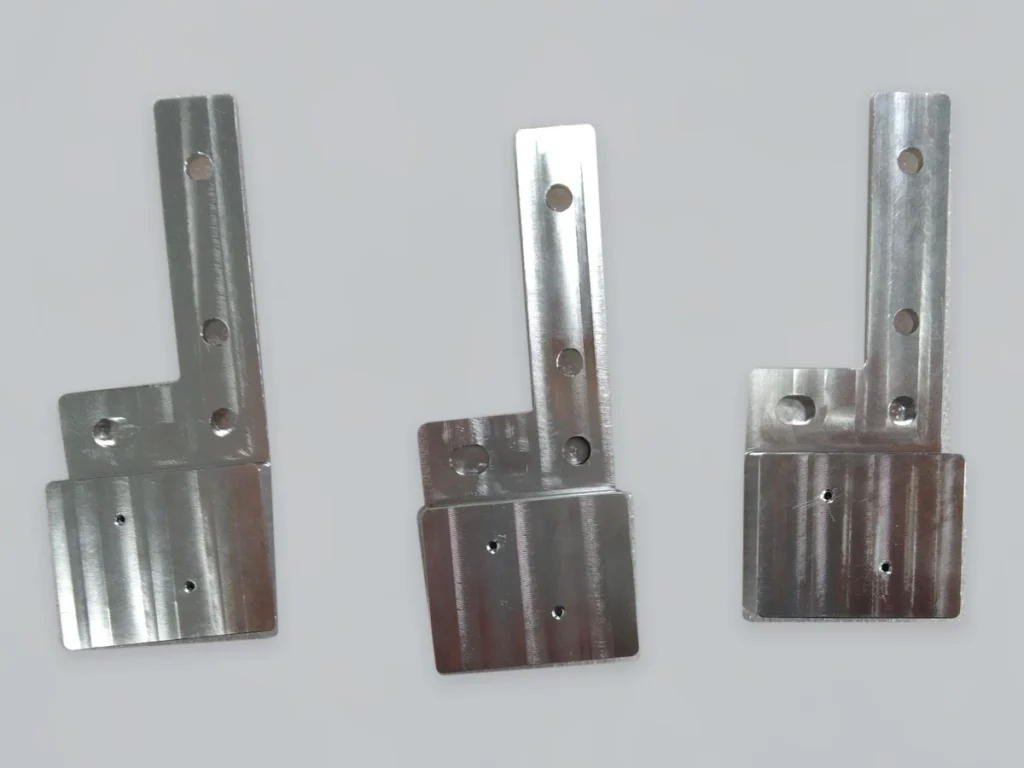
SAMSHION coordinates passivation through an external supplier. The specific treatment for a new job is confirmed from its requirements; the product photographs in this guide do not identify a particular acid system or demonstrate conformity to a named standard.
Does Passivation Change Dimensions or Surface Finish
Passivation is not planned as a deposited coating with a specified buildup on each wall of a bore. The dimensional allowance used for nickel plating should therefore not be transferred automatically to passivation. Review the actual preparation and treatment sequence instead.
A correctly selected process should preserve the required condition of the stainless surface. However, preparation steps, inappropriate chemical exposure or another specified finishing operation can affect an edge, texture or dimension. A statement that a process is “dimensionally neutral” should not replace the final drawing requirements.
As one example of process-specific information, Stellar Solutions describes surface finish behavior for its CitriSurf products. That guidance depends on selecting the appropriate product and conditions. It is not a universal tolerance guarantee for every stainless grade or every finishing route.
Identify Critical Finished Features
Mark the features that control assembly before arranging treatment. Depending on the component, these may include a mating outside diameter, precision bore, step length, slot width, thread or installation face. State whether the drawing requirements apply after all finishing operations.
For a close fit, agree on the relevant inspection stage and method. If the process includes polishing, blasting or electropolishing as well as passivation, account for those operations separately. Their dimensional effects should not be hidden under the word “passivate.”
Tool marks also need their own acceptance condition. Passivation should not be presented as a way to remove machining texture or produce a polished appearance. Use a roughness requirement or an agreed appearance reference when those characteristics matter, and define the surfaces to which they apply.
Bores Threads and Recesses Need Process Access
An exposed face and an internal feature do not present the same handling, cleaning and rinsing conditions. Before sending a part for treatment, review blind holes, intersecting passages, narrow grooves and recesses with the finishing supplier. The review should address access to the required surfaces and the ability to remove processing residues.
This is a manufacturing planning question rather than a reason to modify every part. Where the existing geometry is suitable, the supplier can select an appropriate handling arrangement. Where access is uncertain, clarify it before committing to the finished requirement or changing the design.
For threaded holes, identify the specified thread and acceptance condition. A thread gauge can evaluate the applicable thread requirements, but it does not verify passivation effectiveness. A coating or surface treatment report likewise does not establish that every thread or hole meets its dimensional tolerance.
Our CNC threaded hole guide explains the information needed to define the thread. Keep that requirement alongside the passivation callout so each inspection addresses its intended feature.
What to Put on a Passivation Drawing Note
A note that only says “passivate” can leave the manufacturing and finishing suppliers making different assumptions. A useful specification identifies the governing requirement and the information needed to apply it to the part. That information may include:
- Complete stainless grade, material condition and any required material certification.
- Applicable passivation specification and its required edition.
- Treatment designation or permitted process route where specified.
- Surfaces to be treated and any exclusions, mixed materials or installed inserts.
- Preparation, roughness and appearance requirements on identified faces.
- Dimensions and thread requirements that apply to the finished component.
- Required verification method, acceptance criteria, sampling and documentation.
ASTM A967/A967M covers chemical passivation treatments for stainless parts and alternative tests for verifying their effectiveness. Its public scope directs attention to contaminant iron and other foreign matter. The applicable treatment and verification requirements must be established for the order rather than inferred from the standard number alone.
If a customer specifies another standard or an older controlled edition, review that exact requirement. A current web reference should not silently replace the contractual drawing. Any uncertainty about the treatment or acceptance condition should be resolved before production.
Separate Dimensional Inspection From Passivation Verification
Inspection needs to answer the requirement being checked. SAMSHION manufactures and inspects according to customer drawings; passivation is carried out by an external supplier. The order should define which checks and records are required at each stage.
Dimensional and Visual Checks
Dimensions can include hole diameters and positions, mating diameters, step lengths, slot widths, thicknesses and installation faces. Choose measurement methods according to the tolerance and feature access. Our CNC machining inspection guide explains this drawing-based approach.
Visual checks can identify visible contamination, staining, handling damage and unacceptable surface change. An appearance reference should state which faces matter and how they are evaluated. Differences caused by reflections in photographs should not be confused with a documented treatment defect.
Verification of the Specified Passivation Requirement
A passivation verification test addresses a surface treatment requirement. Depending on the applicable specification and stainless grade, possible approaches include water immersion, high humidity or a suitable contaminant-iron detection test. The ASTM A967/A967M public scope describes alternative qualitative tests; they should not be represented as an automatic list of tests performed on every SAMSHION order.
Agree on the test method, acceptance criterion, sampling and responsibility for the record. If the customer requires a supplier certificate, a test report or both, include that requirement at quotation. Do not infer a salt spray result, corrosion exposure duration or passivation test result from a dimensional inspection report.
A verification result should also be read within its stated scope. It does not by itself establish suitability for every service environment or guarantee that the component can never corrode. The application still depends on material selection, design, handling and use conditions.
Documentation and Protection After Treatment
For a new order, identify the required documents before the finishing work is booked. A supplier certificate should be linked to the relevant part, drawing revision and order or batch, with the treatment reference required by the purchase documents. If a test report is specified, it should identify the method, applicable acceptance requirement and result.
The document name alone is not enough to establish what was checked. A certificate confirming processing and a report recording a particular verification test may serve different purposes. The customer and supplier should agree on the evidence needed for acceptance.
Handling after treatment also deserves attention. Contact with dirty equipment, shared metal debris or unsuitable packing can undermine the condition expected at delivery. Define any special cleanliness or packaging requirement and keep it consistent with the part’s intended use.
Where the customer will perform assembly, leakage, pressure or other application tests, define those responsibilities separately. Passivation and dimensional inspection should not be described as substitutes for the customer’s agreed functional validation.
Information to Send With a Passivated Parts RFQ
Send the latest model and a controlled drawing, together with the quantity, delivery requirement and finish specification. Identify the critical finished features and any surfaces where appearance or cleanliness controls acceptance. This gives the machining and finishing suppliers a practical basis for reviewing the route.
If a part contains installed components or mixed materials, identify them before treatment. Do not assume a process selected for the stainless body is suitable for every attached item. The supplier needs to review the actual assembly and the specified treatment condition.
The quotation should also account for the required evidence. Additional preparation, difficult internal access, special handling and specified testing can affect work content and lead time. Clarifying these items before production helps avoid a finished component being measured against an acceptance requirement that was never included in the order.
Frequently Asked Questions
Is Passivation Required After Every CNC Machining Operation
The need follows the drawing, material, application and agreed manufacturing route. Stainless steel can form a passive surface naturally, but specified chemical passivation provides a controlled treatment for the required surface condition. Confirm the requirement before production.
Can 304 and 316 Stainless Steel Be Passivated
Both are commonly considered for passivation. The process must suit the exact grade, condition and specification. The general discussion of these grades does not identify the grade of every photographed product.
Does Passivation Make Stainless Steel Shiny
Passivation does not define a polishing operation. Brightness and tool marks depend on the existing surface and any separately specified mechanical or electrochemical finishing. Specify the required texture or appearance directly when it matters.
Can a Photograph Prove That Passivation Was Successful
A photograph can show the part and visible surface condition. It cannot establish removal of contaminant iron or a passivation verification result. Use the documentation and tests specified for the order.
Does Passing a Thread Gauge Verify Passivation
No. A thread gauge addresses the applicable thread requirements. Passivation verification needs its own defined method and acceptance condition. Keep both requirements in the inspection plan when both apply.
Does Passivation Prevent All Future Rust
No treatment makes every stainless grade suitable for every environment. Passivation supports the intended surface condition, while corrosion behavior also depends on the alloy, geometry, contamination and actual use conditions.
Coordinate Machining and Passivation Before Production
SAMSHION machines stainless components to customer drawings and coordinates passivation through an external finishing supplier. Send the current drawing, material designation, quantity, finish requirement and inspection needs through our project quotation page. Identify critical bores, threads and mating faces so the machining, treatment and acceptance requirements can be reviewed together.