Clear polycarbonate injection molding is used to make transparent parts that also need defined shapes and mounting features. Automotive lamp covers, electronic housings and instrument display covers may all use PC, but their appearance, assembly and service requirements can differ considerably.
For a custom part, the starting point is its intended use. The resin grade, visible surfaces, installation features and inspection requirements should be considered together before committing to a mold. This guide explains what to define and includes a SAMSHION automotive lamp cover project, illustrated with the corresponding mold, molded part and CMM inspection photographs.
What Is Clear Polycarbonate Injection Molding
Polycarbonate, commonly abbreviated to PC, is a thermoplastic available in grades for transparent molded parts. During injection molding, molten resin fills a mold and cools into the required shape. The process can combine a curved transparent surface with a perimeter flange, mounting features or other structural details in one component.
The material designation alone does not fully specify the finished part. Clear PC injection molding requires a suitable resin grade and a design that accounts for both the visible surface and the way the part will be assembled. A transparent cover for viewing an indicator, for example, has a different job from a component with defined optical performance.
Our injection molding services support project review around the part geometry, material and production requirements.
Industry Applications for Transparent PC Parts
The required viewing area, installation geometry and operating environment vary by application. These differences should guide the material and part specification.
Automotive Lamp Covers
Polycarbonate injection molding for automotive lamp covers brings together a visible curved surface and a mounting perimeter. Design review should identify which areas remain exposed after assembly, which dimensions control fit and whether the part needs additional surface protection.
Resin selection also depends on the service environment. SABIC’s automotive PC material information describes grades with different flow and stabilization characteristics, as well as applications involving protective coatings. These options must be evaluated at grade level; a clear appearance does not establish suitability for every automotive lighting application.
Consumer Electronics Housings
Clear polycarbonate housings for consumer electronics may reveal internal components, show indicator lights or form part of the product’s visual design. Ribs, screw bosses and snap features therefore need to be considered alongside the exterior appearance.
A feature hidden in an opaque enclosure may be visible through a clear wall. Specify which internal structures may remain visible and which viewing areas should stay unobstructed. Material suppliers offer different transparent and visual-effect options, as illustrated by SABIC’s aesthetic material solutions for electronics.
Industrial Inspection Windows and Covers
Injection molded polycarbonate inspection windows can provide visual access to indicators or equipment interiors. Molding is worth evaluating when the window needs integrated mounting geometry and the expected quantity supports tooling investment.
Define the viewing area separately from the installation edge. Where the window forms part of a protective enclosure, sealing and other required protection performance must be specified and verified for the assembled design. A transparent molded cover alone does not establish an enclosure rating.
Instrument and Display Covers
Injection molded polycarbonate display covers need to fit the surrounding housing while allowing the underlying information to be seen. Surface curvature, viewing angle and the position of mounting features should be reviewed together.
Identify the actual display area and explain whether acceptance concerns ordinary visual readability or a quantified optical requirement. These are different specifications and may require different verification methods.
LED Lighting Covers
Clear polycarbonate injection molding for LED covers may be considered where the cover protects the light source while transmitting light. A transparent protective cover and a light-diffusing cover serve different purposes, so the intended lighting effect should be clear before choosing a material.
Outdoor exposure adds further considerations. SABIC’s lighting weatherability guidance distinguishes material solutions for weathering resistance. The selected grade, operating temperature and any required finish should match the intended environment.
When Injection Molding Is a Suitable Route
Injection molding is worth evaluating when the design is sufficiently mature for tooling and repeat parts are required. It can be particularly useful when a transparent surface and several installation features need to be produced together.
Before choosing this route, consider:
- Whether the project requires a particular injection-molding resin grade.
- How much the geometry may still change.
- The initial batch quantity and likely repeat demand.
- Which appearance and assembly features control acceptance.
- Whether the project needs molded samples before production release.
For early development, select the manufacturing route according to what the prototype must demonstrate. A visual model, an assembly prototype and a part used to evaluate actual molding behavior have different purposes. If production-resin molded samples are needed, rapid tooling for injection molded parts may be an option after review.
Low-volume polycarbonate injection molding should be assessed on tooling cost, design stability and repeat demand rather than a universal minimum quantity. A small initial batch with recurring orders presents a different decision from a one-off model whose shape is still changing.
Design Considerations for Custom Clear PC Parts
Transparent injection molding benefits from a clear definition of what the customer will see and how the part will fit. The following information helps focus a DFM review for transparent plastic parts.
Identify the Surfaces That Matter
A central viewing area and a concealed mounting flange rarely have the same visual role. Mark these zones on a drawing or annotated image so the appearance requirement can be applied where it matters.
A reference sample can also help explain the intended finish. It should accompany the specification rather than replace dimensional requirements or become an undefined promise that every surface will look identical under every lighting condition.
Coordinate Structural Features with Transparent Surfaces
Review the inside and outside of a clear part together. Ribs, bosses and local thick sections may influence what is visible through the wall, while mounting details still need to support the intended assembly.
Draft and the locations of molding features also belong in this review. Our guides to injection molding draft angles and gate design and location explain these topics separately.
Match Mold Surface Requirements to the Target Appearance
Agree on the required appearance before tool manufacture. The viewing area may call for a different surface specification from a hidden edge or mounting feature. Clearly assigned surface requirements help the tooling review concentrate on the areas that affect the finished product.
For projects using specified polish or texture references, our injection mold surface finish guide explains the relevant terminology. A mold finish designation is one part of the specification, not a standalone guarantee of the finished part’s optical performance.
Quality Requirements for Clear Injection Molded Parts
Appearance, dimensional fit and in-use performance should be defined separately. This makes it easier to agree on acceptance and avoids assuming that one inspection result covers every requirement.
Transparent Appearance
Visible features such as streaks, flow marks, black specks, bubbles or cloudy areas can affect acceptance. Different causes can produce similar visual symptoms, so a photograph alone is not enough to diagnose a molding issue. Covestro’s automotive lens molding defect guidance illustrates why these observations need to be evaluated in context.
For purchasing and approval, identify the critical visible zones and agree on the appearance reference and viewing conditions. Photographs help communicate the part and its surface, but they do not replace the agreed acceptance criteria.
Dimensions and Assembly
A clear cover must also fit its mating components. The drawing should identify the dimensions and geometric requirements that control the installation perimeter, mounting locations and other functional interfaces.
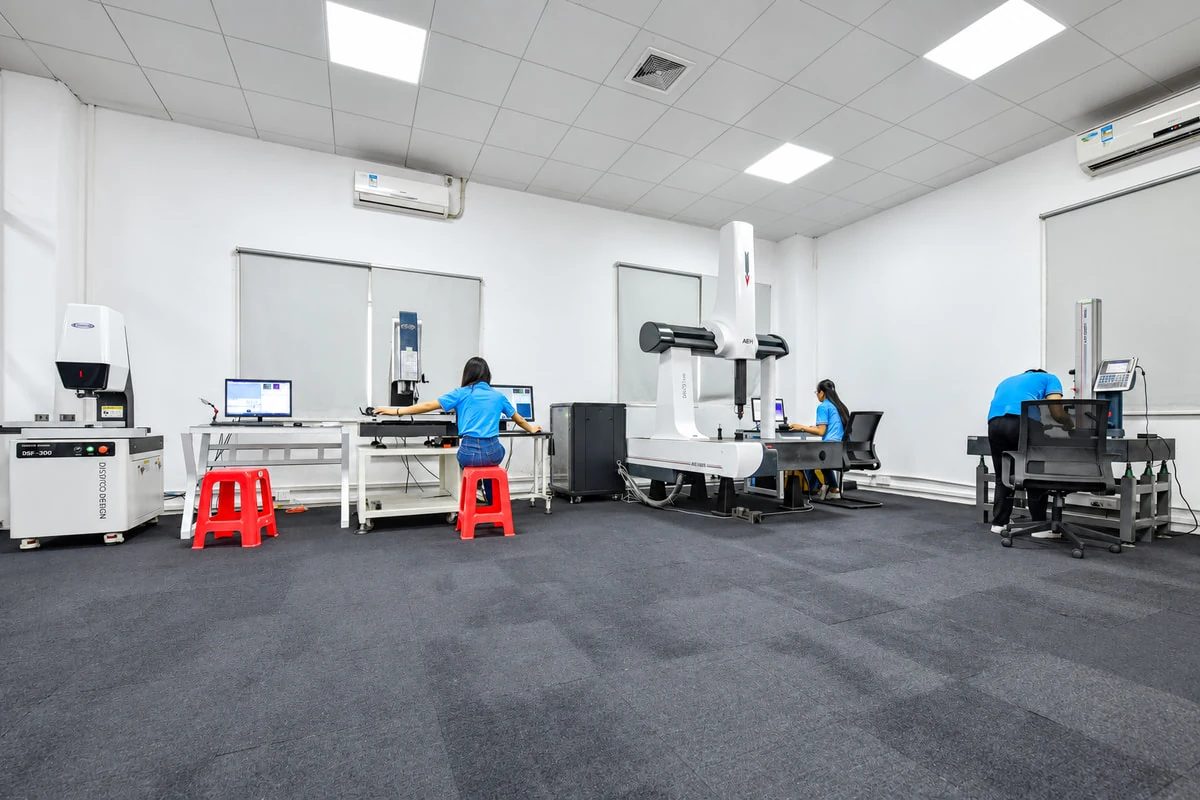
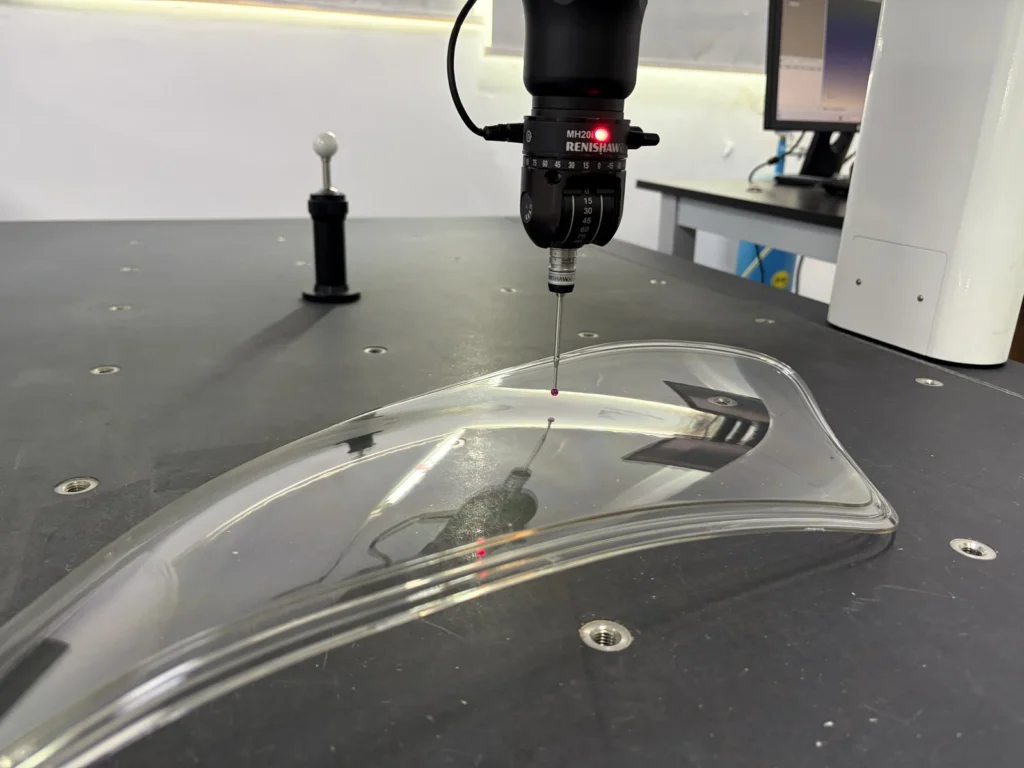
CMM inspection can support dimensional verification where appropriate to the feature and measurement plan. The required report scope should be agreed during quotation. Dimensional inspection does not measure transparency or establish optical performance.
Performance in Use
Explain the operating environment when requesting custom clear plastic parts. Outdoor exposure, operating temperature, cleaning chemicals, coating requirements or sealing interfaces may introduce requirements beyond appearance and dimensions.
If light transmission, haze or another optical characteristic is important, state the target and test method explicitly. An attractive transparent sample should not be described as meeting a quantified optical specification unless that performance has actually been verified.
SAMSHION Project Example with a Transparent PC Automotive Lamp Cover
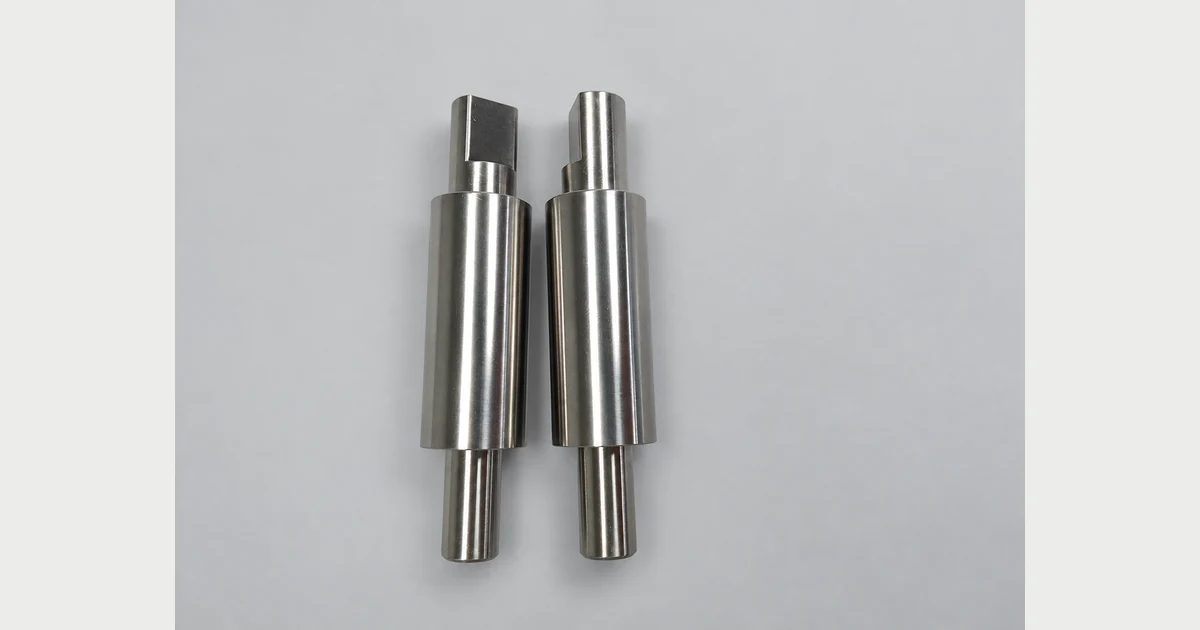
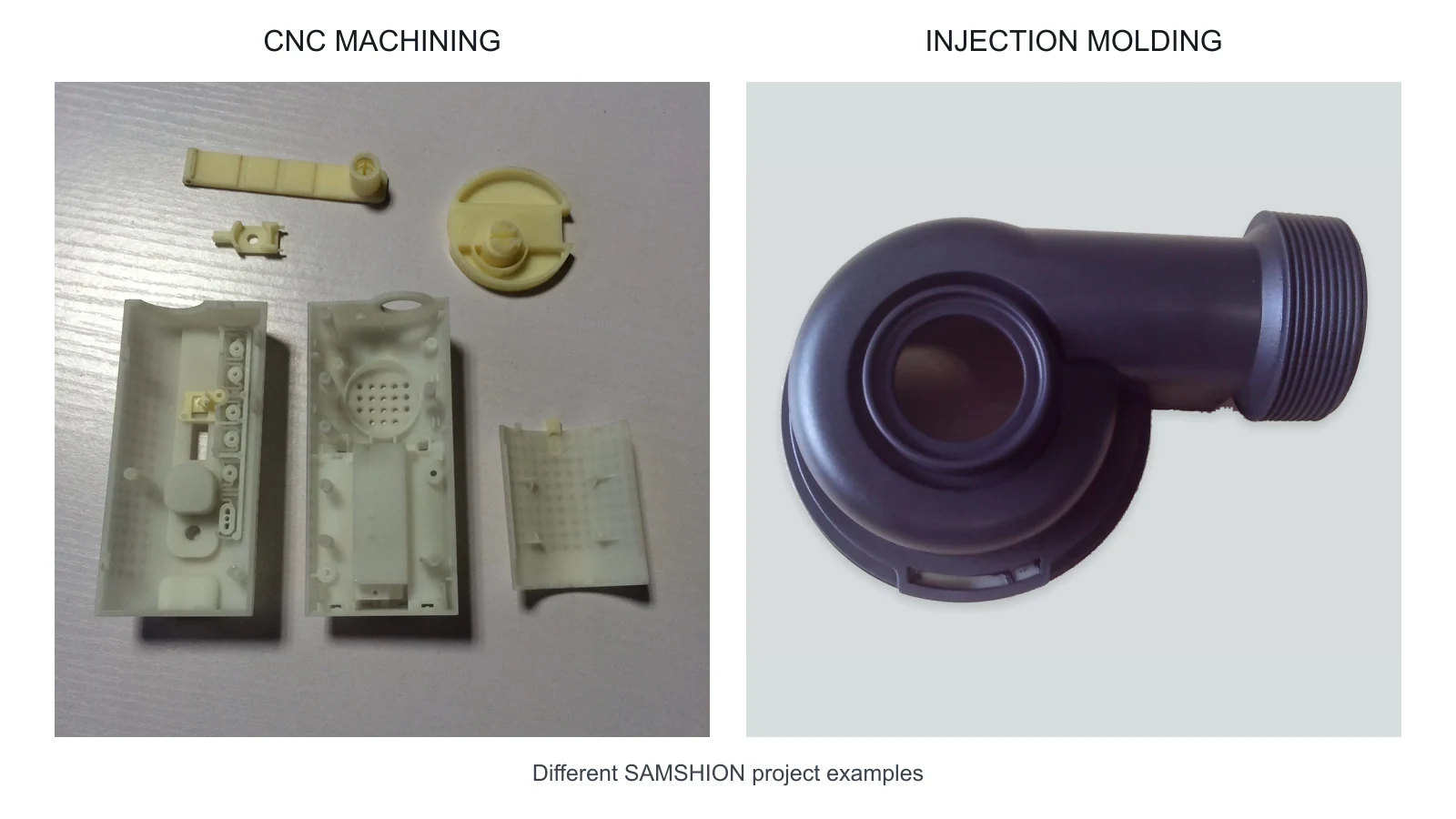
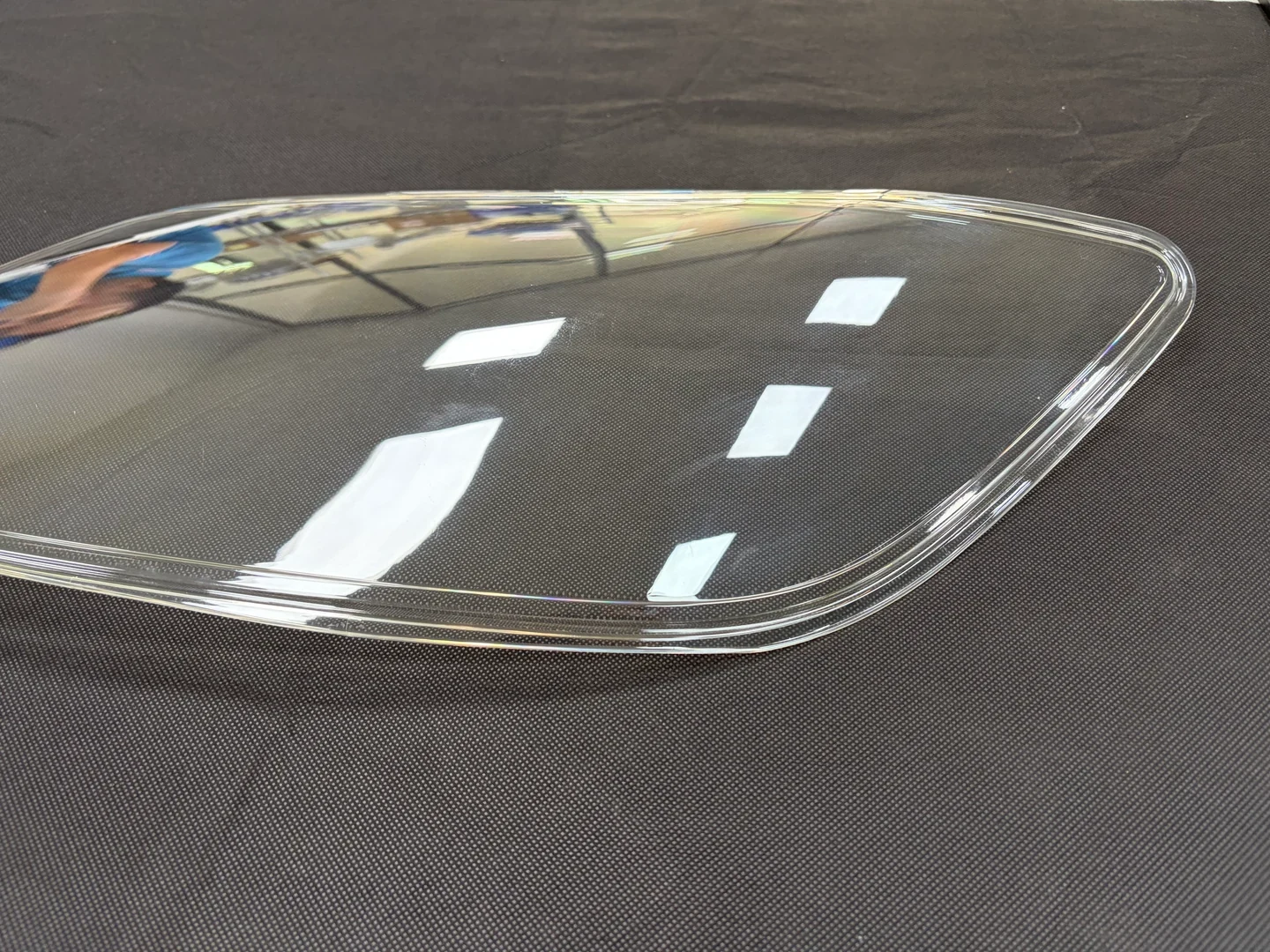
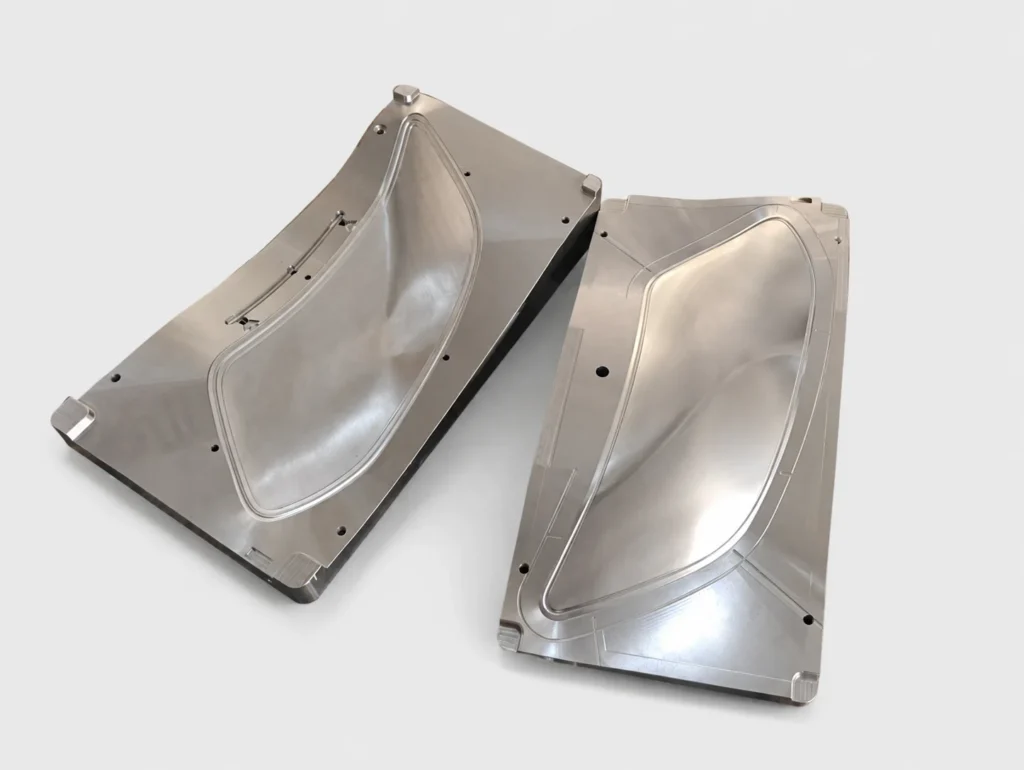
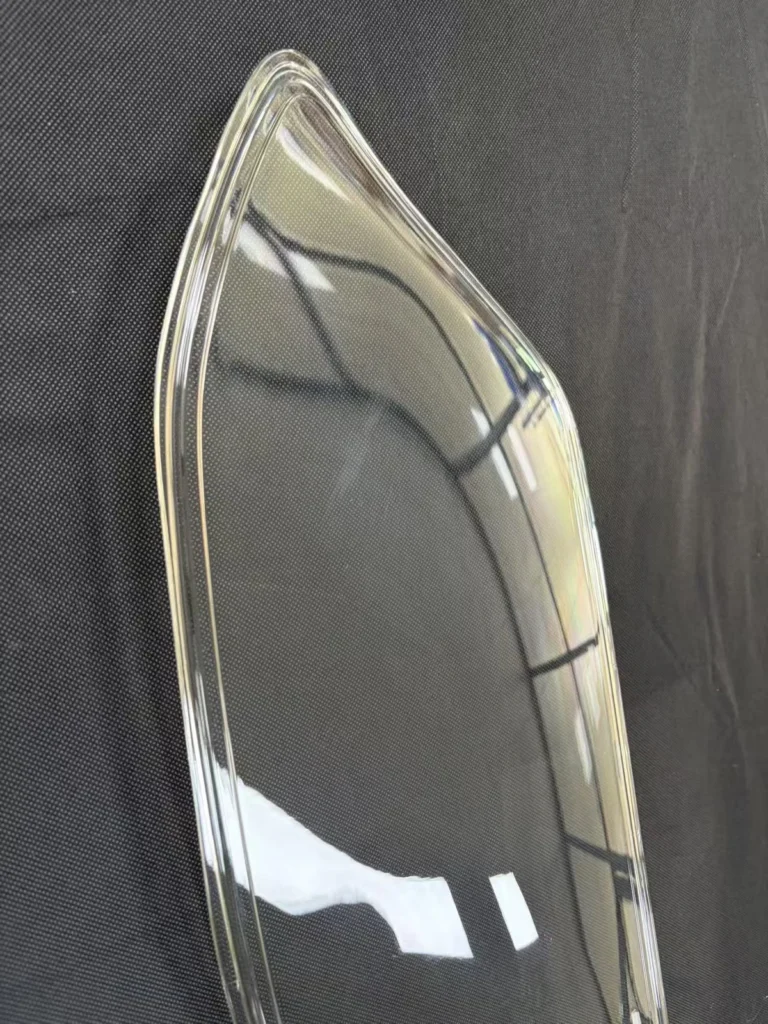
SAMSHION produced the PC automotive lamp cover shown in this article by injection molding for a batch-production project. The project requirements covered transparent appearance and dimensions, with CMM inspection used for dimensional verification.
The photographs show the part’s curved transparent surface, raised perimeter edge, corresponding mold components and CMM inspection setup. This example illustrates how a clear part combines a visible surface with installation geometry, with appearance and dimensional requirements considered separately.
Factors That Affect Cost and Lead Time
For custom polycarbonate injection molded parts, tooling and part production should be considered together. Part geometry, the required mold surface finish and changes made after tooling begins can all influence the scope of work.
The quotation also needs the resin grade, color and appearance requirements. A concealed cover with limited cosmetic requirements presents a different scope from a highly visible part with several defined viewing zones.
Provide both the first-order quantity and expected repeat demand. Where required, include coating, printing, inspection reports and protective packaging so they can be considered from the start. Lead time should reflect the agreed tooling, sample review and production scope rather than a general promise based on a photograph.
Information to Include in a Clear Plastic Injection Molding Quote
A useful RFQ for custom clear polycarbonate injection molded parts includes:
- The current 3D model and a 2D drawing for controlled dimensions, tolerances and notes.
- The required PC grade and color, or the intended use and material requirements if a grade has not been selected.
- The initial order quantity, expected repeat demand and target delivery date.
- The visible areas, appearance references and any restrictions on molding marks.
- The mating interfaces and dimensions that control assembly.
- The service environment, secondary operations, inspection documents and packaging requirements.
If a requirement is still open, identify it explicitly. A missing material decision or unresolved appearance target is easier to address during review than after the mold and acceptance expectations have diverged.
Frequently Asked Questions
Are All Polycarbonate Grades Suitable for Transparent Parts
No. Polycarbonate grades and formulations differ, including options that are colored, filled or modified for particular functions. Specify a grade suitable for the required appearance and application rather than relying on the generic designation PC.
Can Clear PC Injection Molded Parts Be Used Outdoors
They may be suitable when the resin grade and any surface treatment match the exposure requirements. Consider UV exposure, temperature and the expected service conditions. Outdoor suitability must be checked for the selected material and finished part.
Does a Transparent Appearance Mean a Part Is Optical Grade
No. A part that looks clear has not necessarily been tested for transmission, haze, distortion or another optical characteristic. If optical performance matters, define the relevant requirements and verification method separately from ordinary appearance inspection.
Is Polycarbonate Injection Molding Suitable for Small Batches
It can be, depending on tooling investment, geometry, design stability and repeat demand. Review the initial quantity together with the expected production program. A limited batch does not automatically make injection molding either the best or the wrong choice.
Can Samples Be Reviewed Before Batch Production
Sample review can be included in the project plan. Agree on the sample scope, drawing revision, appearance reference and required inspection before production release. The quotation should establish the approval steps and their effect on timing.
Discuss Your Clear PC Injection Molding Project
For automotive lamp covers, electronics housings, instrument covers or other transparent components, send SAMSHION the current CAD files, material requirements and production quantity. Include the visible areas and assembly requirements so the manufacturing review addresses the part’s actual use.
Learn more about our injection molding services to discuss tooling, molded parts and the agreed inspection scope for your project.