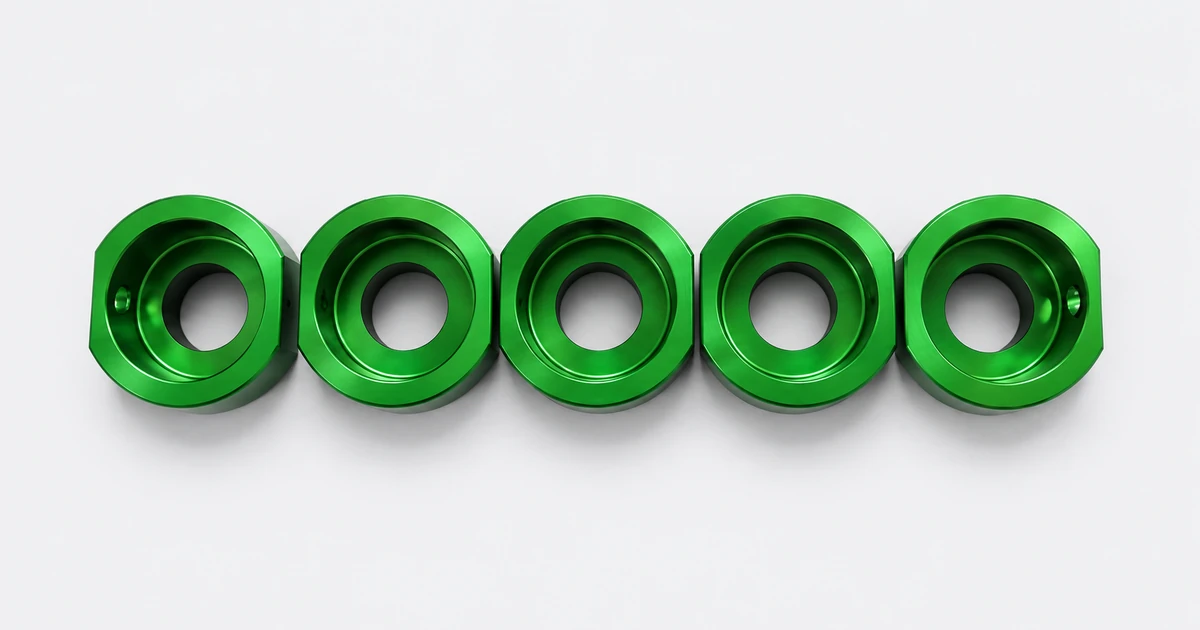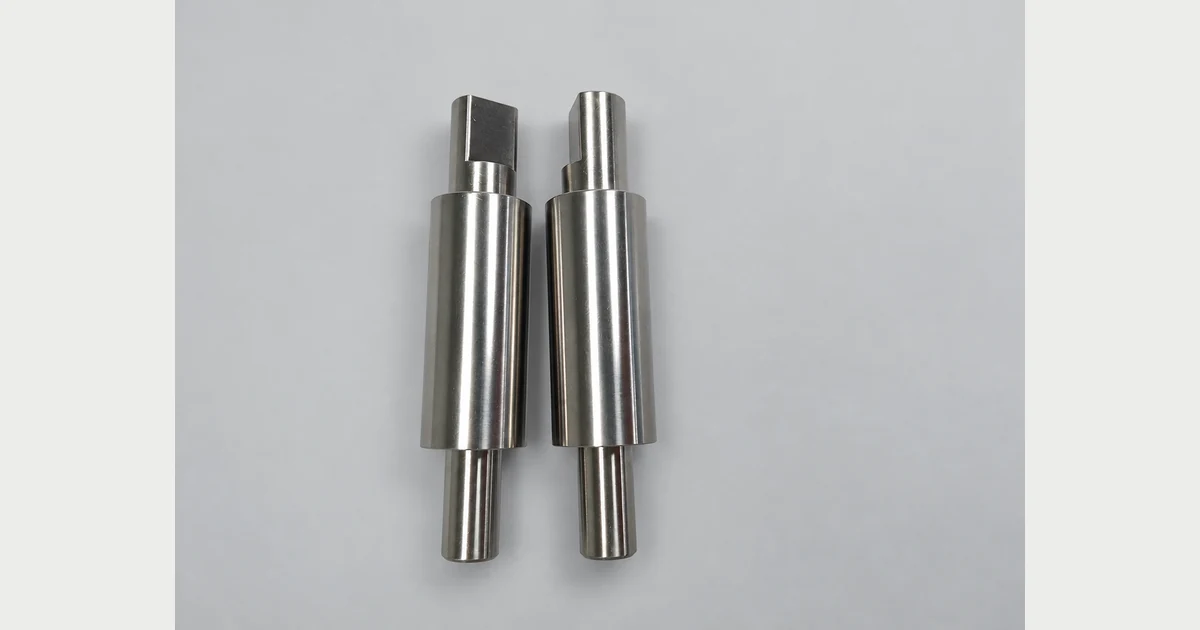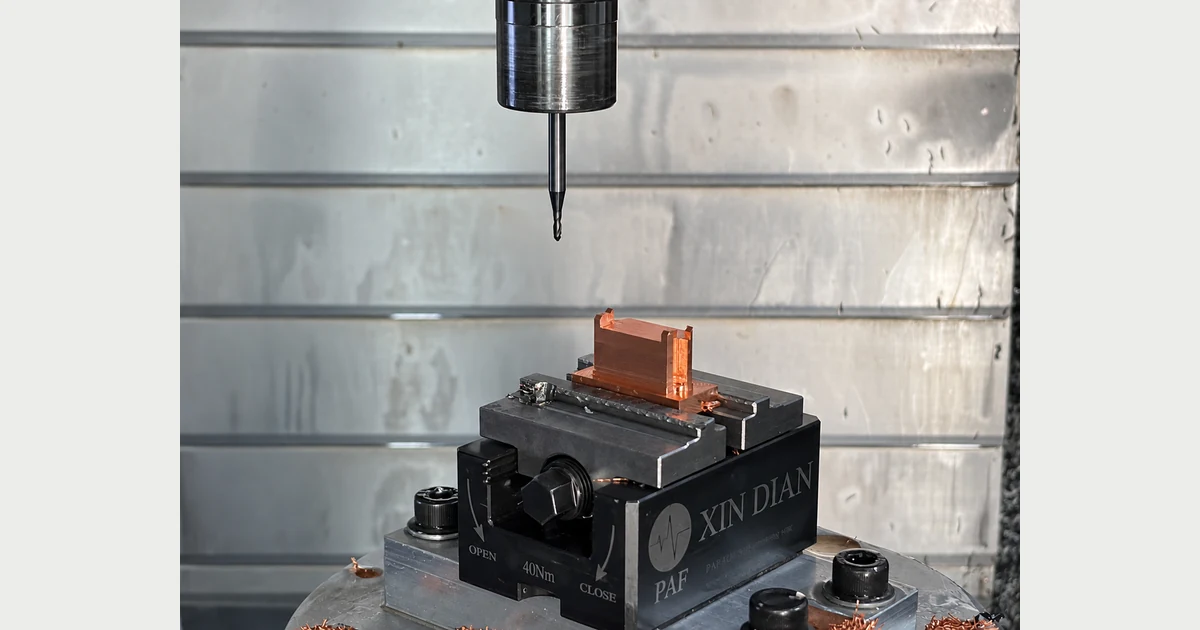
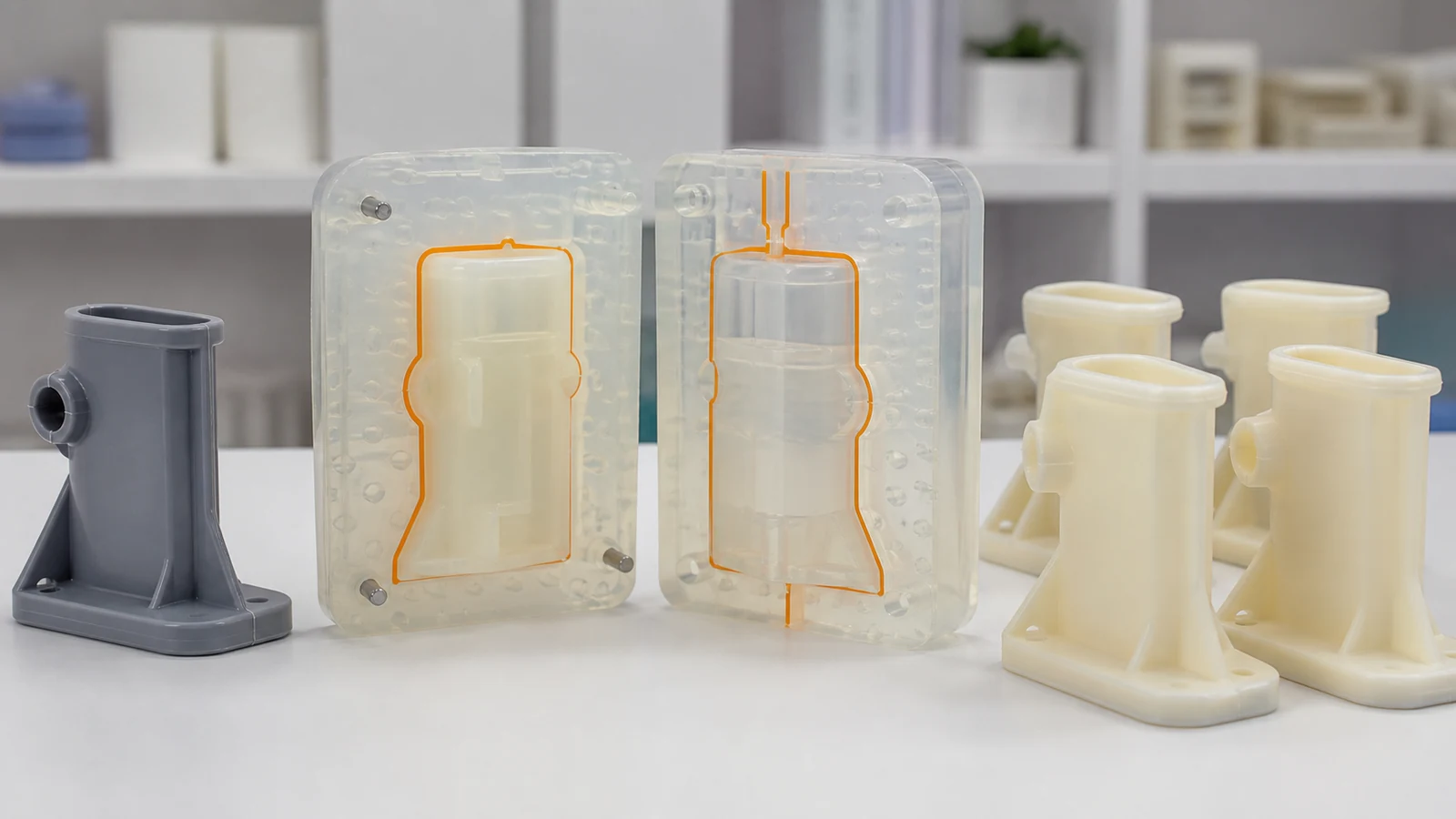
The master pattern is the visual and geometric source for every cavity created from it. Tool marks, support scars, seam decisions, repaired edges and intentional textures can all transfer into the silicone tool and then into cast parts.
Design review should therefore begin before the master is printed or machined. Part orientation, mold split, gate and vent access, undercuts, inserts, wall transitions, cosmetic faces and the expected number of parts must be considered as one process.
Scope, Search Intent and Technical Boundary
This article is a pre-tooling DFM and acceptance guide for the master pattern, silicone split, extraction path, witness locations and cosmetic transfer. It does not repeat the general casting process, resin selection, production quantities, lead time or supplier capability described on SAMSHION’s vacuum casting services page.
The article begins after vacuum casting has been selected. It asks what must be approved on the master before silicone is poured, where seams, gates and vents may leave evidence, and how early and later castings are compared with the approved master. When a printed master is proposed, use the 3D printing services page for process capability; this article remains focused on master and silicone-tool decisions.
Key Takeaways
- Treat the master as controlled production tooling, not a disposable model.
- Approve its surface and geometry before making the silicone mold.
- Place split lines where they can be trimmed and inspected.
- Plan vents and feed paths around trapped-air risk.
- Use production-representative castings for dimensional and cosmetic approval.
Select and Prepare the Master Pattern
SLA, CNC-machined and combined master routes offer different detail, stability and preparation effort. The decision in this article is the approved geometry and surface condition that enters silicone tooling; production capacity and resin options remain on the vacuum casting services page.
Define the Silicone Mold Split and Extraction
The split should release the master and castings without uncontrolled tearing while placing seams away from critical faces. This is a tool-layout decision after process selection; broader prototype-route comparison belongs to SAMSHION’s rapid prototyping services page.
Plan Gates, Vents and Resin Flow
This section considers gates, vents, reservoirs and overflows only where their witness locations affect the master orientation, silicone split, cosmetic zones, trimming access or functional surfaces. It does not prescribe one universal mixing, vacuum, temperature or cure setting.
Control Texture, Gloss and Cosmetic Transfer
The silicone mold records surface detail, so polishing, primer, paint and texture on the master must be intentional. For the corresponding manufacturing decision and capability context, consult SAMSHION’s surface finishing services.
Approve Cast Parts and Manage Mold Aging
Approval here means comparing the controlled master, first casting and selected later casting so teams can distinguish a master defect from a split-line, trimming or silicone-aging change. General production quality control and order release remain part of the vacuum casting service workflow.
Engineering Variables to Confirm Before Quotation
Master-pattern process and dimensional stability
Confirm master-pattern process and dimensional stability before quotation. Evaluate it against master stability, silicone split, resin flow, replicated surface and cast-part dimensions. Record the agreed value, part condition and acceptance stage on the controlled drawing or DFM record so master preparation, silicone tooling, casting, trimming and final inspection use the same requirement.
Silicone split geometry and extraction direction
Confirm silicone split geometry and extraction direction before quotation. Evaluate it against master stability, silicone split, resin flow, replicated surface and cast-part dimensions. Record the agreed value, part condition and acceptance stage on the controlled drawing or DFM record so master preparation, silicone tooling, casting, trimming and final inspection use the same requirement.
Polyurethane system, color and target properties
Confirm polyurethane system, color and target properties before quotation. Evaluate it against master stability, silicone split, resin flow, replicated surface and cast-part dimensions. Record the agreed value, part condition and acceptance stage on the controlled drawing or DFM record so master preparation, silicone tooling, casting, trimming and final inspection use the same requirement.
Wall thickness, undercuts and flexible sections
Confirm wall thickness, undercuts and flexible sections before quotation. Evaluate it against master stability, silicone split, resin flow, replicated surface and cast-part dimensions. Record the agreed value, part condition and acceptance stage on the controlled drawing or DFM record so master preparation, silicone tooling, casting, trimming and final inspection use the same requirement.
Gate, vent, reservoir and overflow location
Confirm gate, vent, reservoir and overflow location before quotation. Evaluate it against master stability, silicone split, resin flow, replicated surface and cast-part dimensions. Record the agreed value, part condition and acceptance stage on the controlled drawing or DFM record so master preparation, silicone tooling, casting, trimming and final inspection use the same requirement.
Quantity, cosmetic standard and inspection requirement
Confirm quantity, cosmetic standard and inspection requirement before quotation. Evaluate it against master stability, silicone split, resin flow, replicated surface and cast-part dimensions. Record the agreed value, part condition and acceptance stage on the controlled drawing or DFM record so master preparation, silicone tooling, casting, trimming and final inspection use the same requirement.
Failure Modes and Root-Cause Diagnosis
A support scar on the master repeats on every casting
When a support scar on the master repeats on every casting, inspect master defects, split geometry, gate and vent placement, resin behavior, cure condition and silicone-tool aging. Compare the affected part with a controlled reference and change one suspected variable at a time. Retain the failed part, process record and measurement evidence until the root cause is confirmed.
Air remains trapped at a high point or thin rib
When air remains trapped at a high point or thin rib, inspect master defects, split geometry, gate and vent placement, resin behavior, cure condition and silicone-tool aging. Compare the affected part with a controlled reference and change one suspected variable at a time. Retain the failed part, process record and measurement evidence until the root cause is confirmed.
An uncontrolled split line crosses a cosmetic surface
When an uncontrolled split line crosses a cosmetic surface, inspect master defects, split geometry, gate and vent placement, resin behavior, cure condition and silicone-tool aging. Compare the affected part with a controlled reference and change one suspected variable at a time. Retain the failed part, process record and measurement evidence until the root cause is confirmed.
The silicone tool deforms and the part drifts over repeated cycles
When the silicone tool deforms and the part drifts over repeated cycles, inspect master defects, split geometry, gate and vent placement, resin behavior, cure condition and silicone-tool aging. Compare the affected part with a controlled reference and change one suspected variable at a time. Retain the failed part, process record and measurement evidence until the root cause is confirmed.
Process Controls for a Repeatable Result
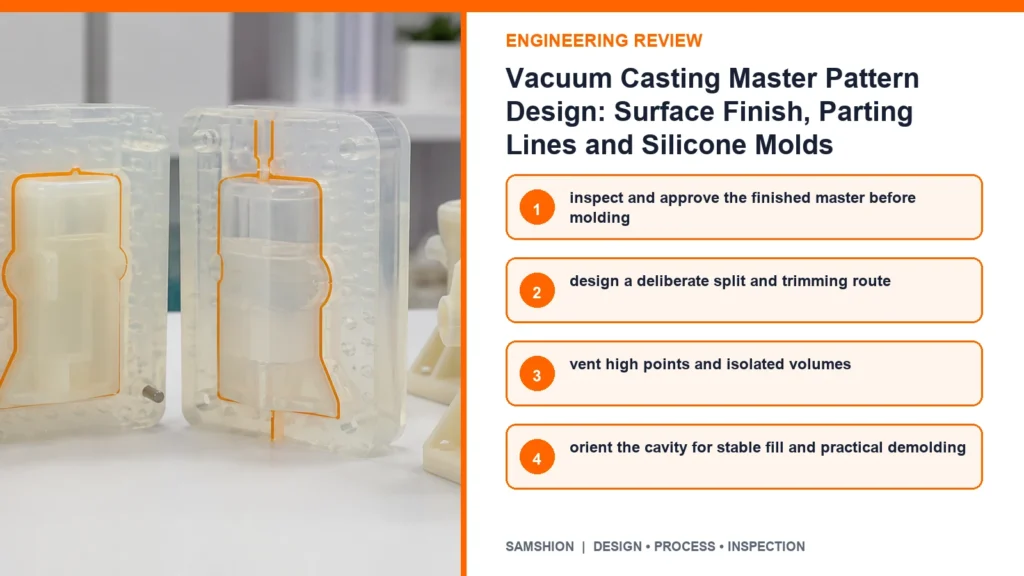
Inspect and approve the finished master before molding
Implement inspect and approve the finished master before molding as a documented process control. Record master revision, silicone tool number, resin batch, mix ratio, vacuum cycle, cure schedule and casting sequence. Verify the control on the first article, then define the check frequency and reaction limit for repeat production.
Design a deliberate split and trimming route
Implement design a deliberate split and trimming route as a documented process control. Record master revision, silicone tool number, resin batch, mix ratio, vacuum cycle, cure schedule and casting sequence. Verify the control on the first article, then define the check frequency and reaction limit for repeat production.
Vent high points and isolated volumes
Implement vent high points and isolated volumes as a documented process control. Record master revision, silicone tool number, resin batch, mix ratio, vacuum cycle, cure schedule and casting sequence. Verify the control on the first article, then define the check frequency and reaction limit for repeat production.
Orient the cavity for stable fill and practical demolding
Implement orient the cavity for stable fill and practical demolding as a documented process control. Record master revision, silicone tool number, resin batch, mix ratio, vacuum cycle, cure schedule and casting sequence. Verify the control on the first article, then define the check frequency and reaction limit for repeat production.
Record the casting formulation and cure sequence
Lorem ipsum dolor sit amet, consectetur adipiscing elit. Ut elit tellus, luctus nec ullamcorper mattis, pulvinar dapibus leo.
Record the casting formulation and cure sequence
Implement record the casting formulation and cure sequence as a documented process control. Record master revision, silicone tool number, resin batch, mix ratio, vacuum cycle, cure schedule and casting sequence. Verify the control on the first article, then define the check frequency and reaction limit for repeat production.
Monitor critical dimensions and appearance through the batch
Implement monitor critical dimensions and appearance through the batch as a documented process control. Record master revision, silicone tool number, resin batch, mix ratio, vacuum cycle, cure schedule and casting sequence. Verify the control on the first article, then define the check frequency and reaction limit for repeat production.
Inspection Strategy and Acceptance Evidence
Master geometry and approved surface standard
Evaluate master geometry and approved surface standard using controlled surface comparison, seam and gate review, dimensional checks by tool age, void inspection and color or gloss evaluation. State the part condition, datum or reference, acceptance limit and actual result. Keep the result traceable to master approval, silicone mold number, casting number and resin batch.
Seam, gate and vent witness after trimming
Evaluate seam, gate and vent witness after trimming using controlled surface comparison, seam and gate review, dimensional checks by tool age, void inspection and color or gloss evaluation. State the part condition, datum or reference, acceptance limit and actual result. Keep the result traceable to master approval, silicone mold number, casting number and resin batch.
Voids, bubbles, short fill and inclusions
Evaluate voids, bubbles, short fill and inclusions using controlled surface comparison, seam and gate review, dimensional checks by tool age, void inspection and color or gloss evaluation. State the part condition, datum or reference, acceptance limit and actual result. Keep the result traceable to master approval, silicone mold number, casting number and resin batch.
Critical dimensions across early and later castings
Evaluate critical dimensions across early and later castings using controlled surface comparison, seam and gate review, dimensional checks by tool age, void inspection and color or gloss evaluation. State the part condition, datum or reference, acceptance limit and actual result. Keep the result traceable to master approval, silicone mold number, casting number and resin batch.
Color, gloss and texture under consistent lighting
Evaluate color, gloss and texture under consistent lighting using controlled surface comparison, seam and gate review, dimensional checks by tool age, void inspection and color or gloss evaluation. State the part condition, datum or reference, acceptance limit and actual result. Keep the result traceable to master approval, silicone mold number, casting number and resin batch.
Cost, Lead Time and Quotation Transparency
Master finishing and cosmetic preparation
Treat master finishing and cosmetic preparation as a separate quotation driver when it changes master finishing, silicone-tool complexity, gates and vents, trimming, scrap or mold replacement. State what is included, the assumed acceptance evidence and which design or process change would require requotation.
Complex multi-part silicone molds
Treat complex multi-part silicone molds as a separate quotation driver when it changes master finishing, silicone-tool complexity, gates and vents, trimming, scrap or mold replacement. State what is included, the assumed acceptance evidence and which design or process change would require requotation.
Insert placement and secondary trimming
Treat insert placement and secondary trimming as a separate quotation driver when it changes master finishing, silicone-tool complexity, gates and vents, trimming, scrap or mold replacement. State what is included, the assumed acceptance evidence and which design or process change would require requotation.
Additional tools when quantity or mold wear requires them
Treat additional tools when quantity or mold wear requires them as a separate quotation driver when it changes master finishing, silicone-tool complexity, gates and vents, trimming, scrap or mold replacement. State what is included, the assumed acceptance evidence and which design or process change would require requotation.
A Practical Engineering Review Sequence
Approve the master as the source of truth before molding silicone. Record which layer lines, support scars, seams, textures and gloss levels must be removed or retained because the silicone tool will reproduce them.
Next, design the split, extraction path, gates, vents and reservoirs as one system. Confirm how flexible features leave the mold, how air escapes from high points and where trimming marks are permitted.
Finally, compare early and late castings from the same silicone tool. Track dimensions, seam condition, surface, color and voids by casting number so tool aging and resin variation are visible before acceptance drifts.
RFQ and DFM Checklist
- 3D model and drawing with critical dimensions and cosmetic zones
- Master-pattern process, material, stability and required surface finish
- Target polyurethane, hardness, color, transparency and performance requirement
- Preferred or prohibited parting-line, gate, vent and trimming locations
- Undercuts, flexible features, inserts and extraction limitations
- Required quantity, silicone-tool life expectation and replacement plan
- Approved appearance sample, inspection timing and acceptance method
Frequently Asked Questions
Does every 3D-printed master need painting?
No. The required finish depends on the print process and the intended cast-part appearance. Final acceptance depends on the stated datum, delivered state and inspection approach.
Can silicone molds reproduce texture?
Yes, they can copy fine surface detail, including unwanted scratches and layer evidence. Confirm the project-specific answer from the controlled drawing and the actual material condition.
Where should the parting line go?
Place it where the master and casting can release and where the remaining seam can be trimmed and accepted. Treat this as planning guidance and document any project assumption in the quotation.
How many parts can one silicone mold produce?
There is no universal number; resin, geometry, undercuts, cure conditions and acceptance criteria matter. Final acceptance depends on the stated datum, delivered state and inspection approach.
Are vacuum-cast materials identical to injection-molding grades?
They can approximate selected properties, but material equivalence must not be assumed without data. Final acceptance depends on the stated datum, delivered state and inspection approach.
Get an Engineering Review
Upload the native CAD model, controlled drawing, material specification, quantity and required finish for a project-specific review of vacuum casting master pattern design.
For a review of vacuum casting master pattern design, send the native CAD model, controlled drawing, material specification, quantity, finishing route and required acceptance records. SAMSHION’s engineering team can return project-specific DFM questions and documented quotation assumptions before production begins. When the model and drawing are ready, use upload your master-pattern files and include the material, quantity, finish and inspection requirements.