At SAMSHION, a silicone mold used with routine vacuum casting materials commonly produces around 20 to 25 castings. A useful planning comparison from our workshop is about 25 with routine materials, about 20 with DPI 6160 heat-resistant casting material, and about 15 with the transparent materials we commonly use. These totals include rejected parts. They are not promised quantities of acceptable parts for delivery.
The reason for replacement also matters. A mold may tear around an undercut or a delicate feature. A clear-part mold may still release an intact casting, yet produce a hazy surface that no longer meets the appearance requirement. The remaining order quantity then affects whether continued use is worthwhile, provided the tool is undamaged and the parts still pass inspection.
This guide explains how we separate casting count from deliverable output, assess mold condition, and plan replacements and repeat orders. For the complete manufacturing route, see our vacuum casting services.
Typical Casting Counts and What They Include
These figures summarize production experience across jobs, not a controlled comparison using identical geometry, silicone and processing conditions. A difficult release feature or a demanding visible surface can change the result. The material supplier has not certified these numbers as a mold-life rating.
Our usual arrangement is one cavity producing one part per casting cycle. A cycle that produces a rejected part still uses the mold. Accepted output is therefore the total castings minus the parts that fail inspection. Keeping these counts separate prevents a quotation from treating every use of the mold as one deliverable part.
For example, two molds at a nominal 25 castings each provide 50 gross castings, not automatically 50 accepted parts. If the order requires 50 acceptable parts, the production plan must account for expected rejects. This arithmetic explains the distinction; it is not a quotation for a particular 50-part job.
Where Silicone Molds Tend to Fail
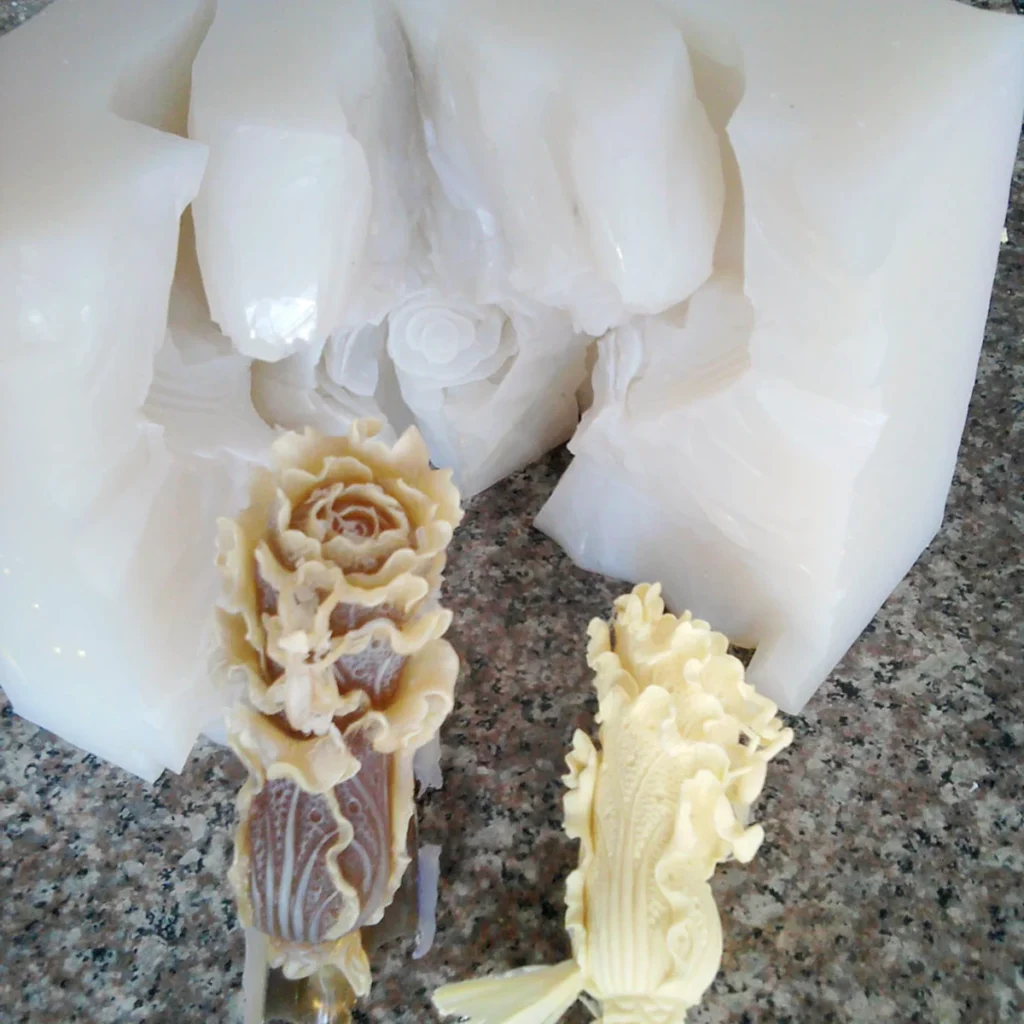
In our work, vulnerable areas are often the silicone around undercuts and the silicone features corresponding to fine ribs or deep holes. Removing the part requires these areas to flex or release around the geometry. A small projecting silicone feature has a different handling problem from a broad, open cavity, even when the finished parts are similar in overall size.
Once these areas are damaged, we have encountered excess material, flash, distorted or missing detail, and parts damaged during removal. A dimensional or assembly problem can matter even if the damaged area looks small. When we confirm this kind of local mold damage, our normal response is to make a new silicone mold rather than patch the damaged area and keep producing.
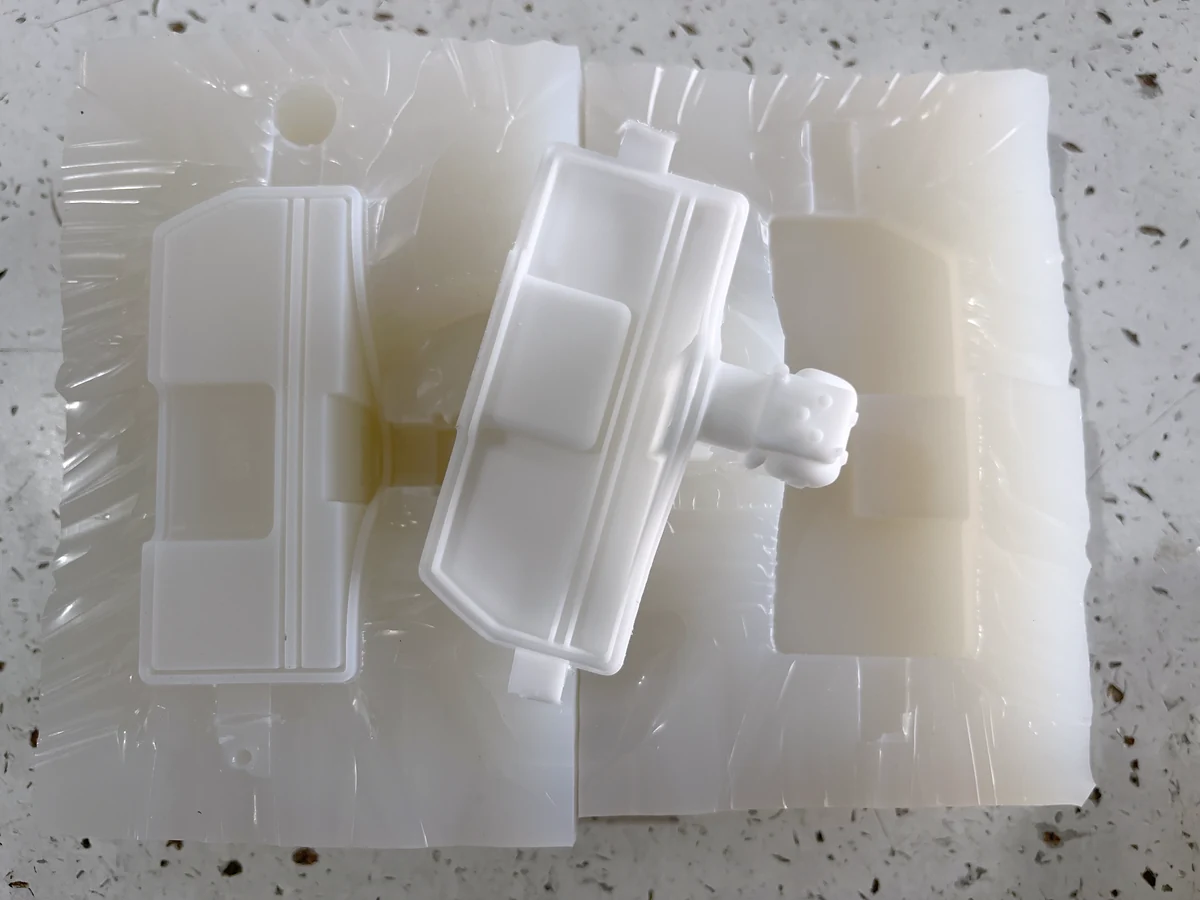
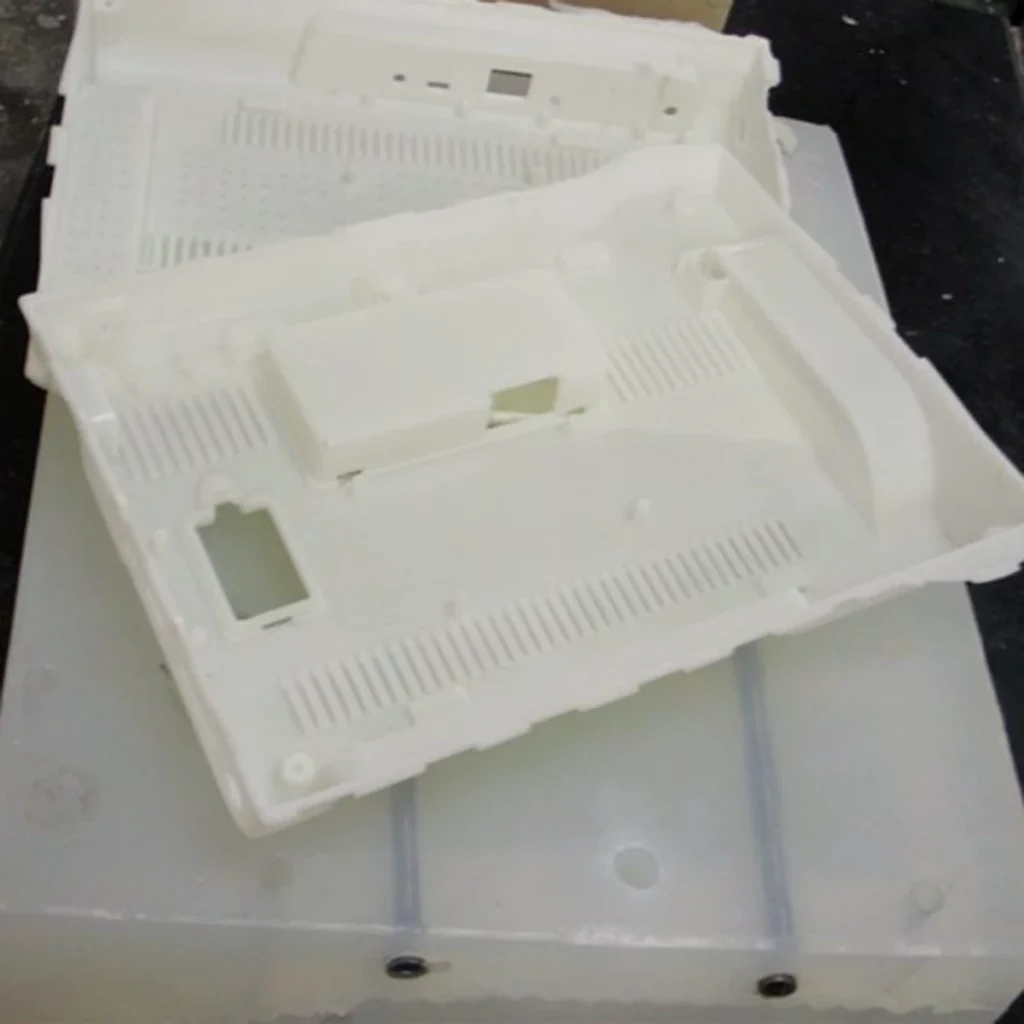
A normal parting cut is different. Silicone molds are deliberately opened so that the master and cast parts can be removed. An irregular-looking cut surface in a workshop photograph is not enough to diagnose a tear. The relevant question is whether an intended cavity feature or parting surface has deteriorated and whether that change affects the casting.
For a new design, discuss difficult extraction paths before making the master. Any proposed geometry change needs customer approval. Our vacuum casting master pattern guide explains how master surfaces and parting decisions affect the subsequent tool.
Material Grade Matters but the Numbers Are Production Experience
DPI 6160 is one heat-resistant casting material used in our production. Our approximate 20-casting figure describes what we commonly see with it, not a universal limit for all heat-resistant resins. A material label identifies a product; it does not establish the life of the silicone mold used with it.
The mold and casting resin must be considered together. Silicone manufacturer Elkem highlights tear resistance and resistance to casting resins among the properties supporting parts-per-mold output. That supports checking the actual material combination rather than treating every resin or silicone as interchangeable.
Specify the required performance and commercial grade when it is known. Descriptions such as ABS-like or PC-like identify a selection objective, not the same chemistry as the injection-molding thermoplastic. Likewise, transparent describes appearance, not a complete material specification. A material substitution intended to obtain more castings must not undermine the temperature, fit or other requirement the prototype is meant to demonstrate.
Why Clear Parts Can Require Earlier Mold Replacement
For the transparent materials we commonly use, the practical limit is often appearance. Later castings can become hazy or less clear than required. The silicone may still hold its shape well enough to produce a complete part, but the result is no longer suitable for the agreed visible area. Waiting for a large tear would miss the actual reason to stop.
In these cases, we normally remake the silicone mold and cast again. Polishing or other corrective finishing can cost more than making a new mold in our jobs. That is an economic and quality decision, not a statement that all haze is impossible to improve by finishing. The comparison should include the remaining quantity and the work needed on each affected part, rather than the mold charge alone.
A customer can make this decision clearer by defining which surfaces must be transparent, the intended viewing conditions and an appearance reference. If quantified haze or light transmission is required, specify the measurement and acceptance limit separately. A visual photograph is not that measurement. Our clear plastic prototypes guide covers the relationship between viewing purpose, material and finishing.
When appearance changes during a run, review the mold surface, earlier accepted parts and the processing history before assigning a cause. Our approximate 15-casting experience does not establish that every clear resin chemically damages every silicone faster than an opaque resin. The stricter appearance requirement is itself part of the usable-life decision.
How We Decide Whether to Continue or Replace a Mold
We also see molds develop a whitish surface together with increasing difficulty in demolding. Associated problems can include mold tears, damaged parts, surface defects, dimensional changes, distortion and misalignment. These observations call for checking both the tool and the castings. Surface color alone does not establish the chemical cause or explain every defect.
The one-or-two-part exception applies to harder release while acceptable production remains possible. It does not override our response to a torn feature, or permit delivery of a cloudy clear part that fails the agreed appearance standard. If additional casts are rejected, their count still contributes to tool use, but they do not complete the order.
Planning Multiple Molds and Allowing for Rejects
A larger order is not normally planned as one mold followed by another only after the first wears out. We arrange the number of master patterns according to the order quantity so that multiple silicone molds can be made at the same time. Planned mold capacity is prepared as part of the original production schedule.
We account for expected rejects when determining how many production molds are needed. We do not then add separate standby molds beyond that plan. These are different decisions: allowing for normal production losses is not the same as keeping unused replacement tools ready for an unexpected failure.
The buyer should therefore separate three quantities: parts ordered, total castings expected, and acceptable output expected from the planned molds. A useful quotation discussion starts with the required accepted quantity and the material and appearance standard. It should not start by assuming that an approximate 25-casting mold will supply 25 deliverable parts.
Making planned molds together avoids automatically adding a separate mold-making period for every group of parts. It does not guarantee that an unexpected early failure has no effect on delivery. If the available molds cannot finish the order and a replacement must be made, our usual additional time is about one to two days when the original master remains intact and reusable. A damaged or unavailable master requires a new assessment.
Checking the First Casting from a Replacement Mold
Making a replacement silicone mold does not automatically require a new master. We reuse the original master if it is undamaged. If it has been damaged, we make a new master before making the silicone mold. Checking which item has failed prevents the cost and timing of these two operations from being confused.
Before continuing production with the replacement mold, we check its first casting for appearance detail, overall dimensions and hole positions, with trial assembly or fit checks where needed. The earlier problem provides a specific point to recheck. For example, a replacement made because clear parts had become hazy needs an appearance check; completing a casting without tearing is not enough to resolve that concern.
Likewise, an enclosure must retain the features that allow it to fit with the mating part. A clean surface does not replace checking hole locations or the overall assembly envelope. When you request a repeat or replacement run, identify the dimensions and interfaces that control fit so that those features remain part of acceptance.
Repeat Orders and the One Month Master Retention Period
For repeat orders placed after a gap, we normally make new silicone molds. An old tool should not be assumed to have reserved capacity just because it was used fewer times than the original estimate. Its condition and its ability to meet the new order requirements still matter.
Our normal practice is to retain an undamaged master for approximately one month, then clear it out. This is our master-retention arrangement, not a claim that a master physically expires after one month. It is also not a statement of the storage life of a silicone mold. The master creates the cavity; the silicone mold produces the castings.
If the master is still available and intact, it can be reused for a new silicone mold. If it has been cleared out or damaged, a new master is needed as well. An intact master may be physically reusable, but a design revision still needs review before reuse. Confirm availability and the current drawing before promising a repeat delivery date.
Tell us about an expected follow-up order when placing the first batch. Do not assume that payment for the first tooling provides indefinite storage or unchanged tooling cost on every later order. Master availability, the quantity required and the material and finish requirements should be included in the repeat quotation.
What to Send for a Useful Mold Life Estimate
Send the current CAD model and drawing together with the quantity of acceptable parts required. Identify undercuts, narrow features and the interfaces that control assembly. For a clear component, mark the surfaces that must remain clear and provide the appearance reference or a defined optical requirement.
Include the commercial casting material if already selected, otherwise state the required properties. Separate the immediate order from possible later demand. For a repeat job, include the previous order or part reference, the drawing revision and the expected timing so that master availability can be checked. This information lets the quotation address actual usable output and replacement work rather than relying on one general mold-life number.
Frequently Asked Questions
Can a silicone mold make more than 25 parts
The number 25 is an approximate reference from our routine work, not a mandatory stop count or guaranteed output. A mold must remain suitable for the actual part requirements. For a larger order, we plan multiple molds rather than promise that one mold will produce the entire quantity.
Does a visible mold seam prove that the mold is damaged
No. A deliberate parting cut allows the mold to open. Damage must be distinguished from that original opening. Check the condition of the cavity and the corresponding part feature rather than judging an opened mold only from the shape of its cut edges.
Can a one month old master still be used for a repeat order
Do not assume it is still available. Our normal retention period is approximately one month for an undamaged master, after which it is cleared out. Confirm with us before scheduling a repeat order. A new master may be required, even when the design has not changed.
Will replacing a mold always fix a cloudy or distorted casting
No. Confirm the cause before treating replacement as the remedy. Our mold-life examples describe the conditions encountered in our production, but a rejected casting can also require investigation of the resin and processing. Inspect the first casting from the new mold rather than assuming that new tooling guarantees acceptance.
Discuss Mold Quantity and Repeat Orders Before Production
Send SAMSHION your CAD files and batch requirements with the material, appearance reference and delivery needs. We can review the mold arrangement against the accepted quantity you need and explain how replacements or a later repeat order may affect the work. If you expect to reorder after the first batch, raise master retention at the quotation stage.