
Understanding Plastic Shrinkage in Injection Molding: How It Happens
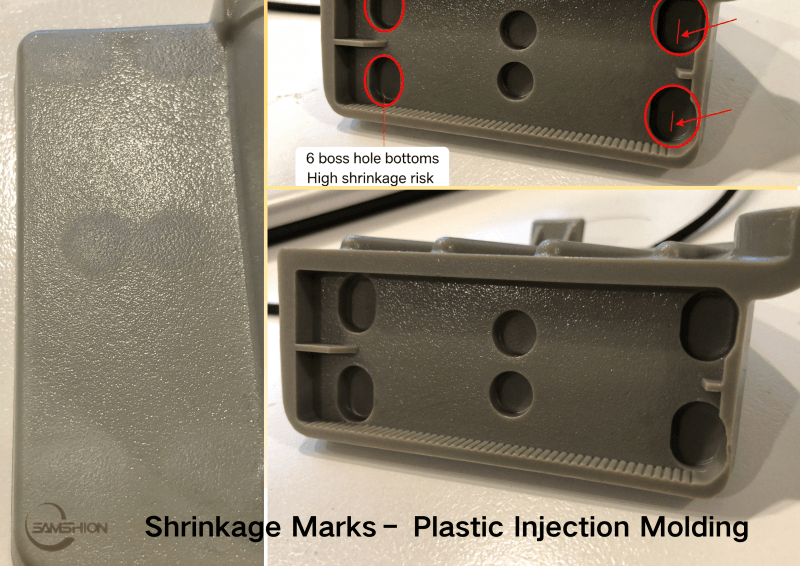
Let’s take a closer look at plastic shrinkage in injection molding and figure out how it occurs. All thermoplastics expand when melted at high temperatures and contract as they cool and solidify inside the mold. This dimensional reduction is called shrinkage, an unavoidable physical property of plastic materials. Uncontrolled shrinkage leads to sink marks, dimensional […]
Plastic Snap Fit Injection Molding Guide | Design & Types
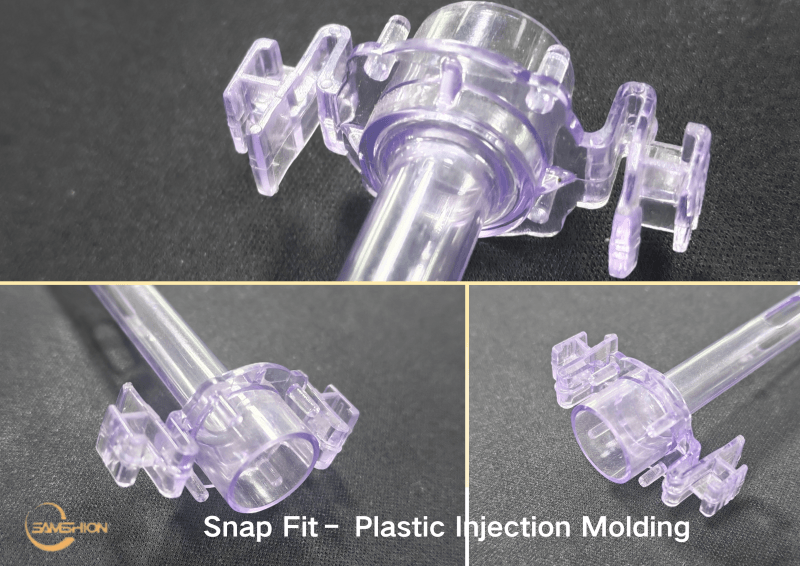
Why are plastic snap fits manufactured via injection molding? Snap fits are one of the most cost-effective, fast-assembly solutions for injection-molded plastic parts. They eliminate the need for screws, adhesives, or extra fasteners, streamline mass production, and reduce overall product assembly time. However, poorly designed snap fits commonly cause cracking, loosening, difficult assembly, fatigue failure, […]
Deep Drawing Process: Complete Guide for Sheet Metal
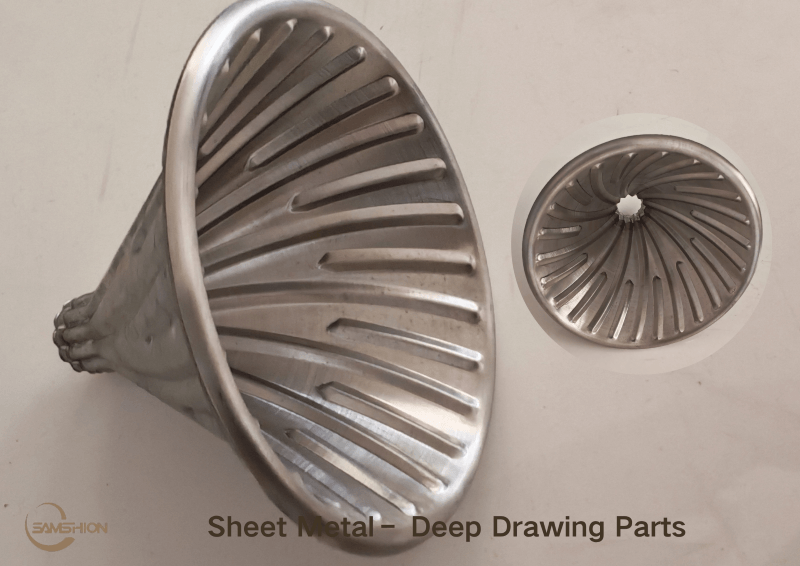
In modern sheet metal manufacturing, deep drawing stands out as a precision cold-forming process for producing seamless, hollow thin-wall components. Unlike conventional stamping that merely bends or cuts metal sheets, deep drawing pushes flat metal blanks into dies via punch pressure, achieving one-piece forming with ultra-deep depth, uniform wall thickness and superior structural integrity. What […]
CNC Machining Polypropylene: Challenges & Fixes
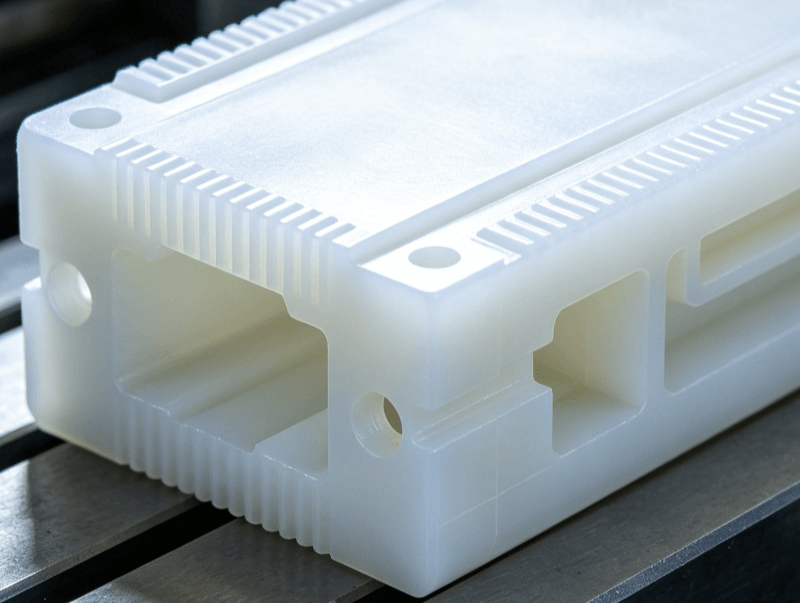
Learn the core technical bottlenecks of CNC machining for small-size PP (polypropylene) workpieces, including thermal deformation, dimensional instability, and burr issues. Explore practical, industry-proven solutions to improve precision and yield. What Is PP Material? Polypropylene (PP) is one of the most widely used thermoplastic materials in precision manufacturing, valued for its lightweight, chemical resistance, low […]
Complete Guide, Critical Guidelines & Practical Hacks for Overmolding Production
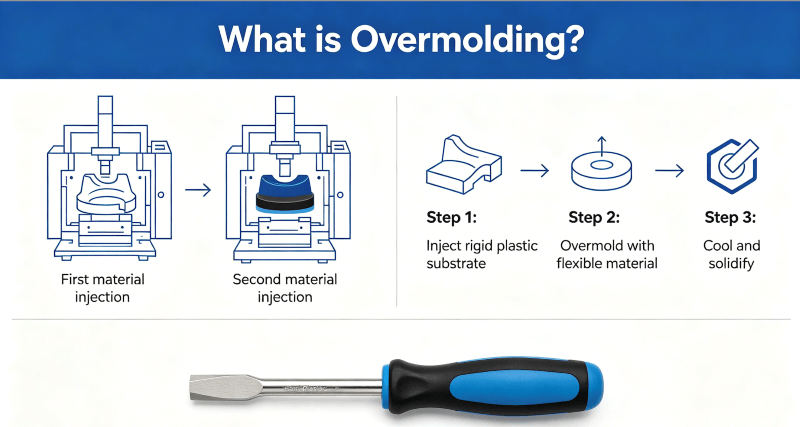
Learn the full overmolding process, critical precautions, and actionable pro tips. Master multi-material overmolding to avoid delamination, warpage, and molding defects for high-quality plastic parts. What Is Overmolding Process? Overmolding (also known as two-shot molding or multi-material insert molding) is an advanced injection molding process that bonds two or more different materials into a single […]
How Springs Are Made | Spring Manufacturing Guide
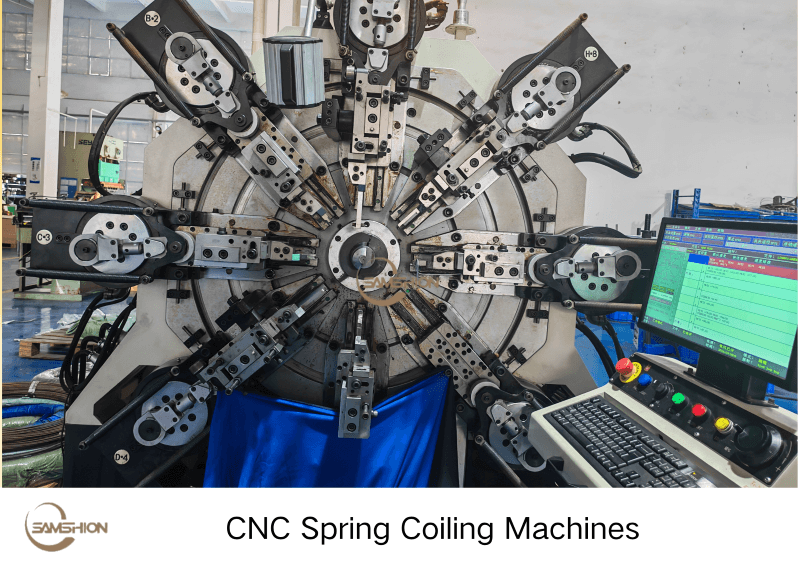
Spring making seems simple, but it is a rigorous precision manufacturing technology. From tiny electronic gadgets and household appliances to heavy industrial machinery and automotive systems, custom and standard springs deliver consistent elastic performance across billions of working cycles. Little Spring Things Make a Big Difference Springs are everywhere in our daily life and industrial […]
Rubber Vulcanization Molding: Process, Types & Applications
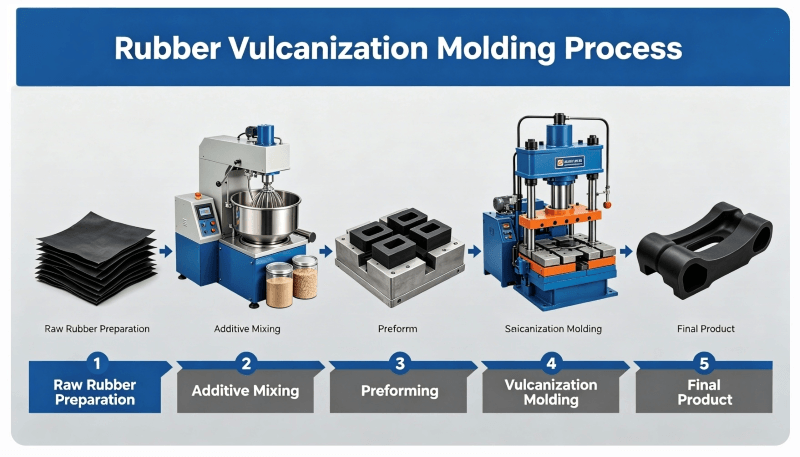
Vulcanization (also known as curing) is the core manufacturing process for rubber products. It is an irreversible chemical cross-linking reaction. By applying precise heat, pressure and holding time, raw linear rubber polymer chains are connected into a stable 3D network structure. This process converts soft, easily deformed raw rubber into elastic, wear-resistant, high-temperature resistant and […]
Vacuum Casting (Replica Molding): Rapid Low-Volume Manufacturing
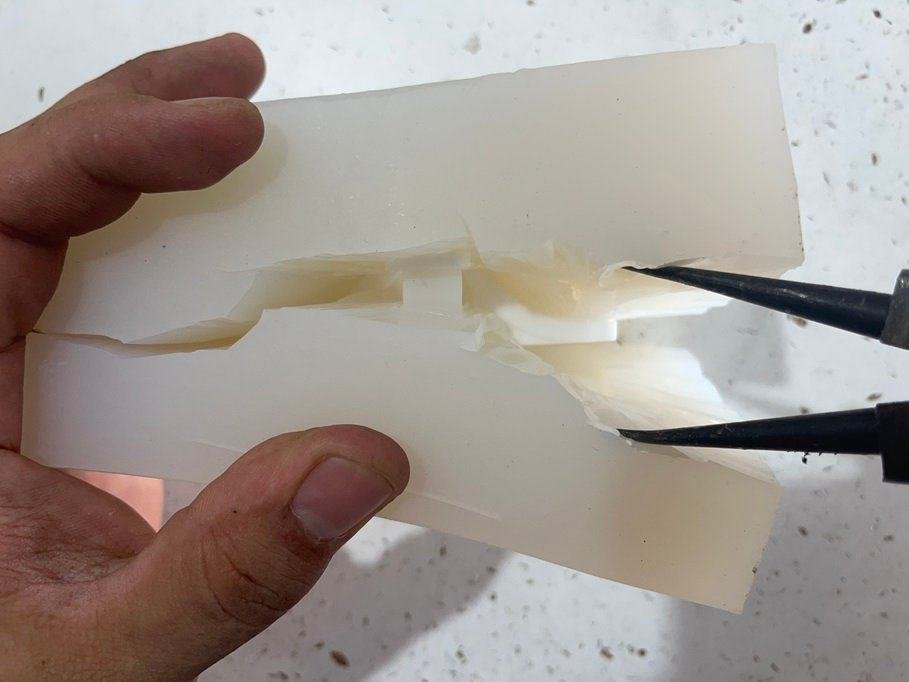
In product development and small-batch manufacturing, balancing speed, cost, and surface quality is always a core challenge. Traditional steel mold injection is reliable for mass production but involves high tooling costs and long lead times, making it uneconomical for prototype verification, trial orders, and low-volume batches. This is where vacuum casting, also known as replica […]
Understanding of Insert Injection Molding
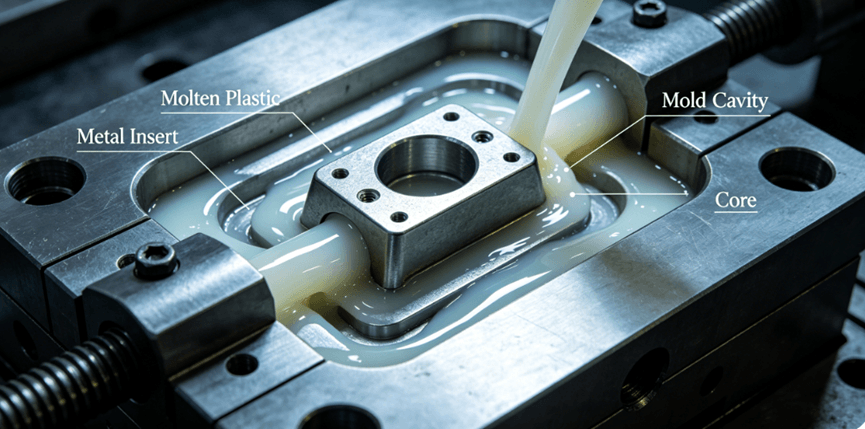
Insert injection molding is a specialized variant of traditional injection molding that integrates pre-manufactured inserts into plastic parts in a single molding cycle. Unlike standard plastic molding that produces pure plastic components, this advanced manufacturing technology encapsulates metal, ceramic, or rigid plastic inserts with molten thermoplastic, creating high-strength, multi-material hybrid parts. The Applications of Insert […]
How to Choose the Right Surface Treatment for Plastic Parts
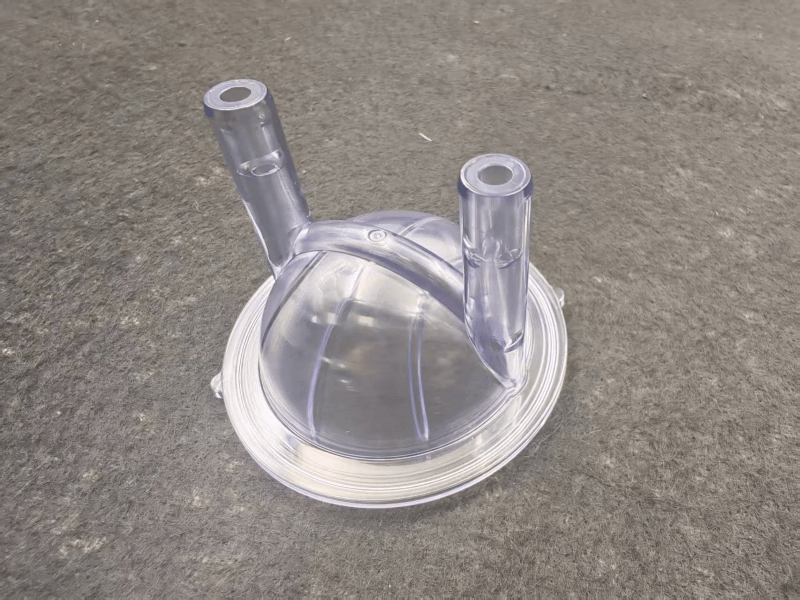
Introduction Plastic surface treatment is not only for aesthetic improvement, but also a key process to enhance part durability, functionality, and assembly performance. Improper surface finishing will cause peeling, poor adhesion, uneven texture, low wear resistance, and increase production costs. This guide systematically explains how to select the most suitable plastic surface treatment based on […]