
Manufacturing Quality Assurance and Inspection
Quality begins before production, with a controlled drawing, a clear material specification and an agreed method for deciding whether critical requirements are met. SAMSHION coordinates requirement review, material control, first-off verification, in-process inspection, final release and project-specific quality documentation for custom metal and plastic parts.
- Drawing and revision review before manufacturing release
- Measurement method selected around the characteristic
- First-off and in-process checks based on production risk
- Reports, certificates and traceability defined by project scope
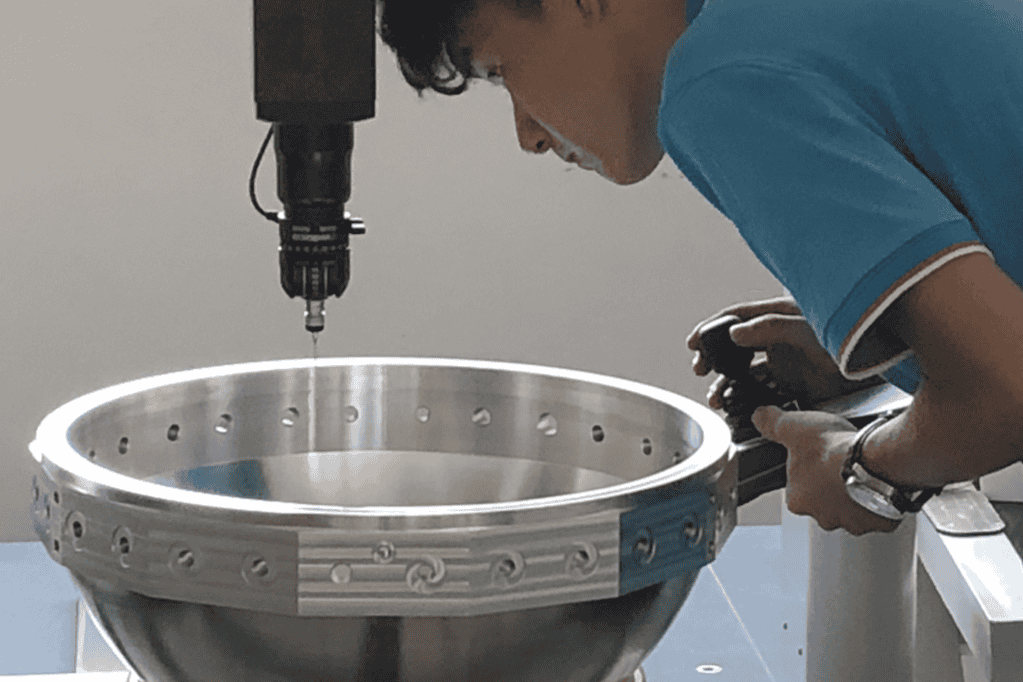
Quality Is a Controlled Process, Not a Final Check
Final inspection cannot repair an incorrect drawing, an unapproved material substitution or a misunderstood tolerance. Effective manufacturing quality assurance connects customer requirements to production instructions, measurement methods, records and release decisions from the beginning of the order.
At SAMSHION, the quality plan starts with contract and technical review. The team confirms which CAD model and drawing revision control the part, identifies critical characteristics, checks material and finish requirements, and determines what evidence is needed before shipment. Production and inspection then work from the same approved information.
This approach supports one-off prototypes, pilot builds and repeat orders without pretending that every project needs the same level of documentation. A simple appearance model may need dimensional spot checks and visual approval. A precision production component may require defined datum setup, full first-article data, material certificates, process records and customer approval before the batch proceeds.

ISO 9001:2015 Quality Management Framework
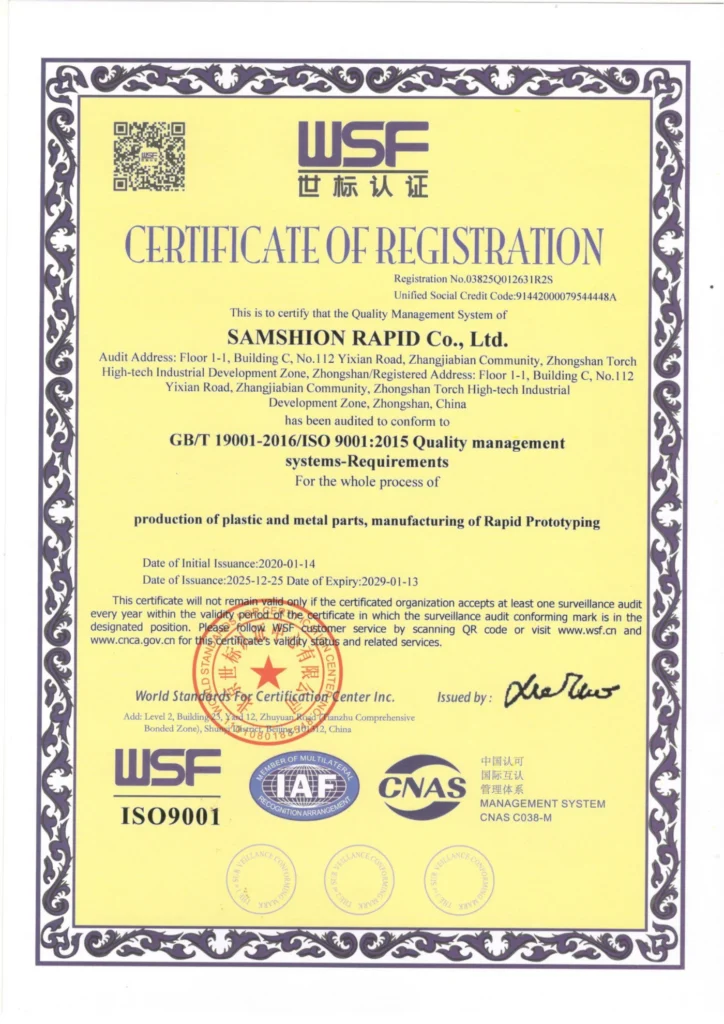
SAMSHION operates under an ISO 9001:2015-certified quality management system. The official ISO 9001:2015 standard page explains that the standard establishes requirements for creating, maintaining and continually improving a quality management system so an organization can meet customer and applicable requirements.
ISO 9001 certification is a management-system foundation. It does not, by itself, define a part tolerance, sampling plan, report format or regulatory approval. Those requirements must still be stated in the drawing, purchase order, specification and approved project scope.
Customers may request a copy of SAMSHION’s current ISO 9001:2015 certificate to verify the certified organization, manufacturing site, certification scope, issuing body and certificate validity.
Please contact our team if your project requires additional quality documentation, customer-specific inspection procedures or compliance records.
Quality Planning Before Production
Contract and Requirement Review
The quotation team reviews the part number, revision, quantity, material, finish, tolerances, special processes, inspection, packaging and delivery requirements. Conflicting information between the CAD model, drawing, email and purchase order is resolved before release.
Drawing and CAD Review
A 3D model defines nominal geometry, while the controlled drawing communicates tolerances, datum references, surface finish, threads, material, treatment, cosmetic zones and inspection notes. Where model-based definition is used, the approved dataset and applicable product manufacturing information must be identified.
Critical Characteristic Identification
Features that protect fit, function, sealing, alignment, safety or regulatory compliance receive priority. Critical status should be based on customer requirements and process risk, not added casually to every dimension. The measurement method and frequency are planned before production.
Manufacturing and Inspection Feasibility
Design for manufacturability and design for inspection are reviewed together. A characteristic cannot be controlled effectively if the datum is unstable, the surface is inaccessible or the part changes shape under measurement force. SAMSHION identifies features that may require revised datum strategy, a checking fixture, dedicated gauge, secondary operation or customer clarification.
Quality Documentation Scope
Required dimensional reports, material certificates, Certificates of Conformance, first-article formats, coating records, inspection photographs or third-party test results are included in the quotation scope. This prevents missing documents from delaying final release.

Quality Control from Incoming Material to Shipment
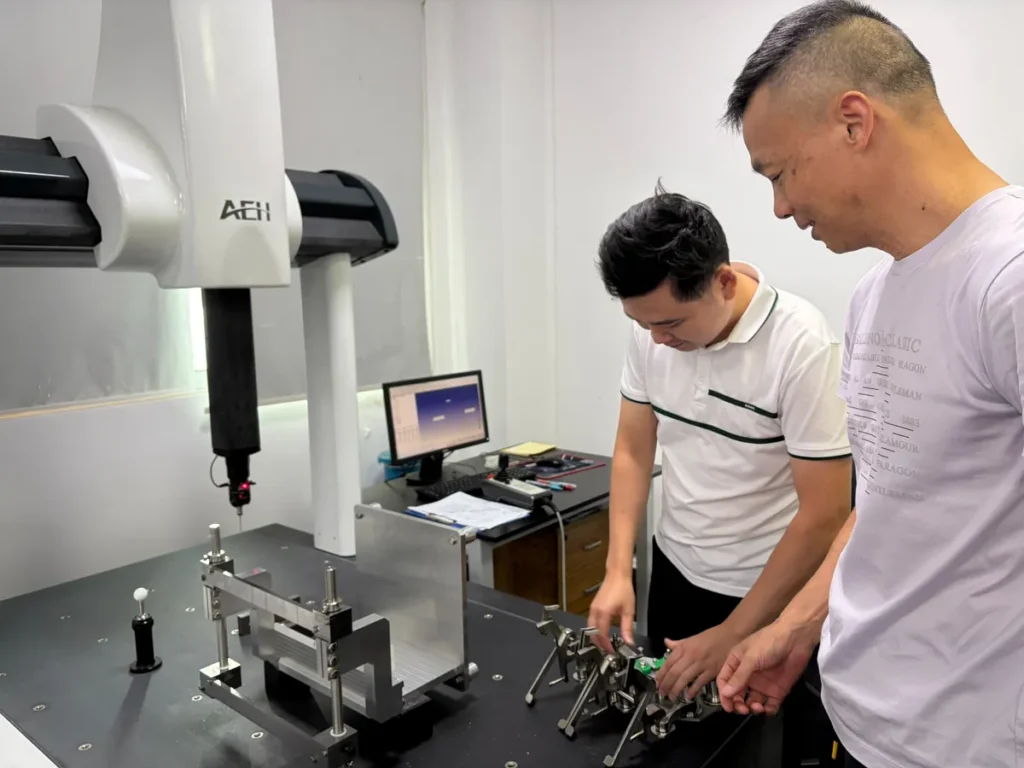
1. Incoming Material and Purchased-Item Control
Material identity, specification, condition, dimensions and accompanying documents are checked to the level required by the order. Verification may include supplier documentation review, receiving inspection, lot identification or appropriate material testing. Not every raw material needs the same test, and an analyzer reading does not replace all metallurgical or regulatory evidence.
The manufacturing materials guide helps customers identify common alloys and polymers, but the drawing or purchase order should state the exact grade, temper, condition and governing specification where material properties matter.
2. Production Setup and First-Off Verification
Before the full quantity proceeds, the initial acceptable output is checked against the controlled requirements. The scope focuses on setup-sensitive and critical features such as datums, tool access, bend angle, molded dimensions, assembly interfaces or surface condition.
A first-off check is not automatically the same as a formal first article inspection report. If the customer needs a ballooned drawing, characteristic accountability, AS9102-style format, PPAP element or another prescribed report, that requirement must be defined before quotation and production.
3. In-Process Inspection
In-process checks monitor characteristics that can change with tool wear, machine drift, forming sequence, welding heat, molding conditions, casting tool condition, print orientation or finishing. Frequency is selected around risk, process stability, quantity and customer requirements rather than one universal percentage.
Results that indicate a trend toward a limit are reviewed before the process produces nonconforming output. Appropriate actions may include tool compensation, fixture check, process adjustment, equipment verification or production hold.
4. Final Dimensional and Visual Inspection
Final inspection confirms the accepted revision, quantity and agreed characteristics after all relevant manufacturing and finishing operations. Parts are measured in a defined condition and at a suitable temperature when dimensional stability matters.
Visual checks address burrs, damage, contamination, color, gloss, texture, coating coverage, marking and workmanship according to measurable requirements or approved samples. “Perfect appearance” is not an objective acceptance criterion; cosmetic zones, viewing conditions and allowable marks should be defined.
5. Documentation and Release
The inspector or authorized release function reviews required results, open nonconformities, documentation, labeling and packaging before shipment. Only accepted material is released. Records are retained according to the agreed customer, contractual and quality-system requirements.
6. Packaging and Delivery Verification
Packaging is part of quality control. Cosmetic faces, threads, sealing surfaces, sharp edges, flexible parts and corrosion-sensitive materials need protection suitable for transportation and storage. The order is checked for quantity, identity, variant, labeling and accompanying documents before dispatch.
Inspection Methods and Equipment
The most advanced instrument is not automatically the best instrument. Measurement method selection considers tolerance, geometry, datum simulation, surface, material, accessibility, measurement force, environment, quantity and required evidence.
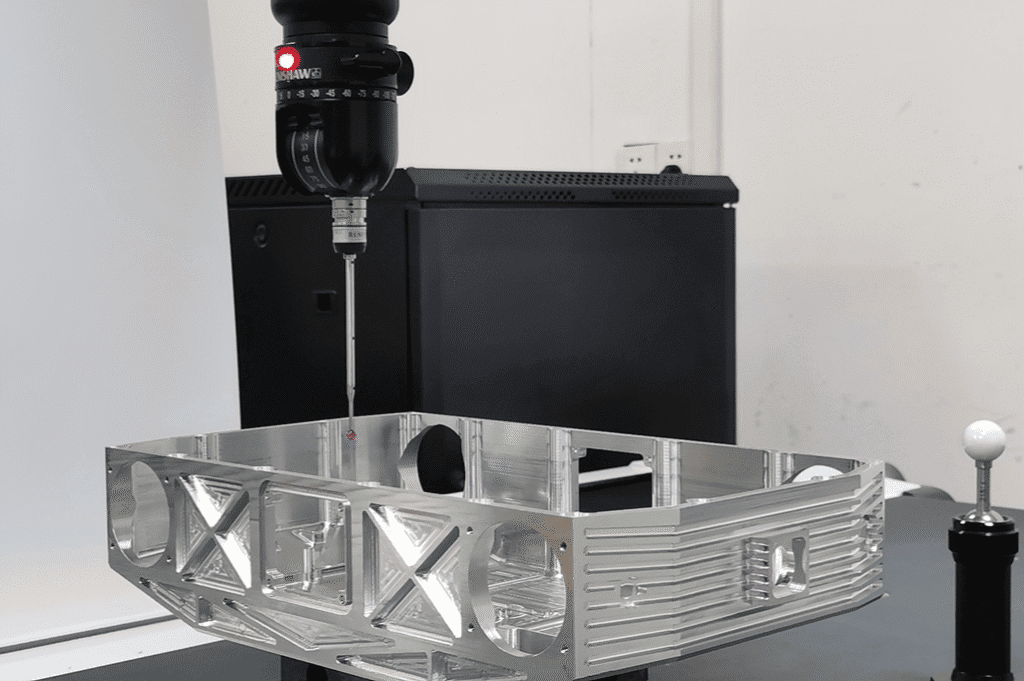
Coordinate Measuring Machines (CMM)
A CMM can measure three-dimensional coordinates and evaluate size, position, orientation, profile and relationships between features. It is useful for complex machined parts, assemblies and geometric tolerances when the datum setup and probing strategy are appropriate. Program validation, stylus selection, fixture stability and measurement uncertainty still matter.
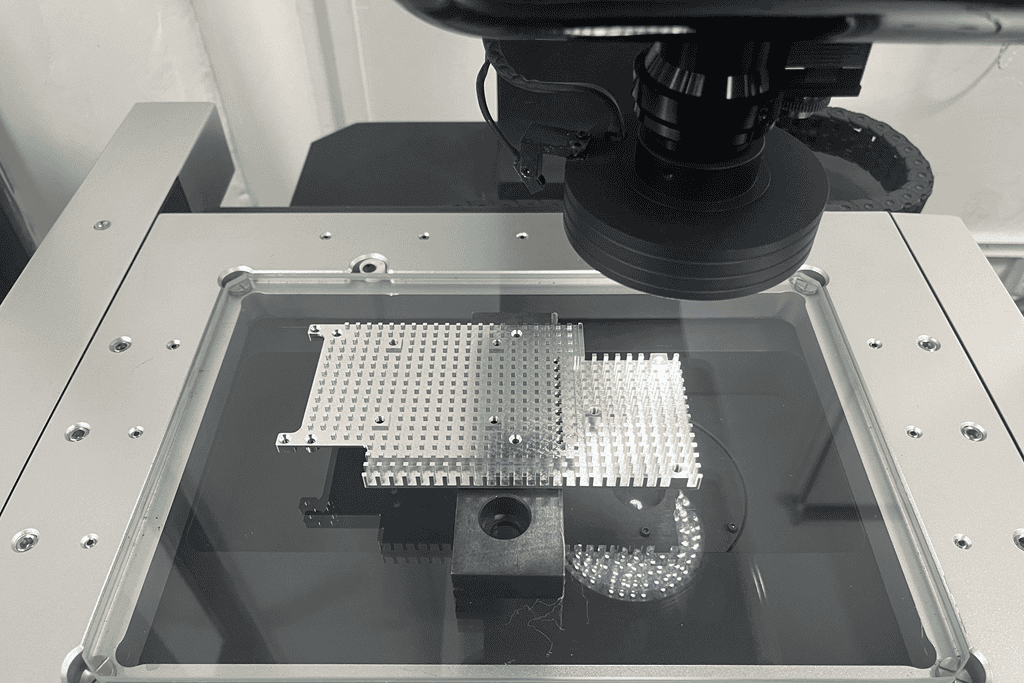
Optical and Vision Measurement
Non-contact optical systems can evaluate profiles, edges, hole patterns and small features without applying probe force. Edge detection can be affected by surface reflectivity, burrs, transparency, lighting and focus, so the method should be validated against the actual part.
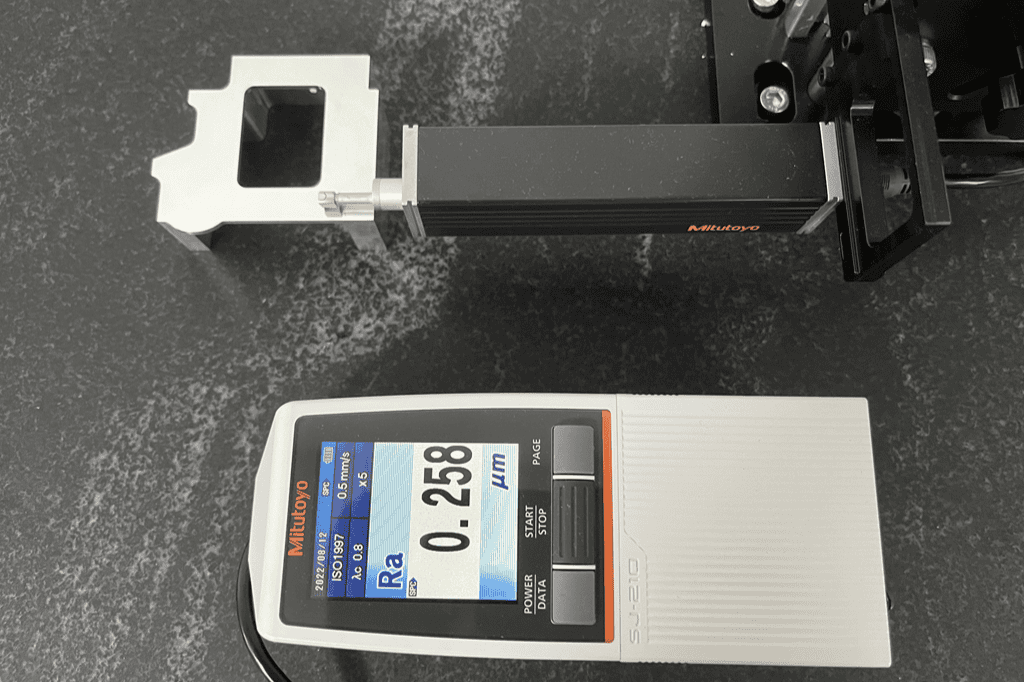
Surface Roughness Measurement
Surface texture measurement may use contact or non-contact methods depending on the specification and geometry. The required parameter, cutoff, evaluation length, direction and standard should be stated. A generic “smooth finish” or Ra value without measurement conditions can be ambiguous.
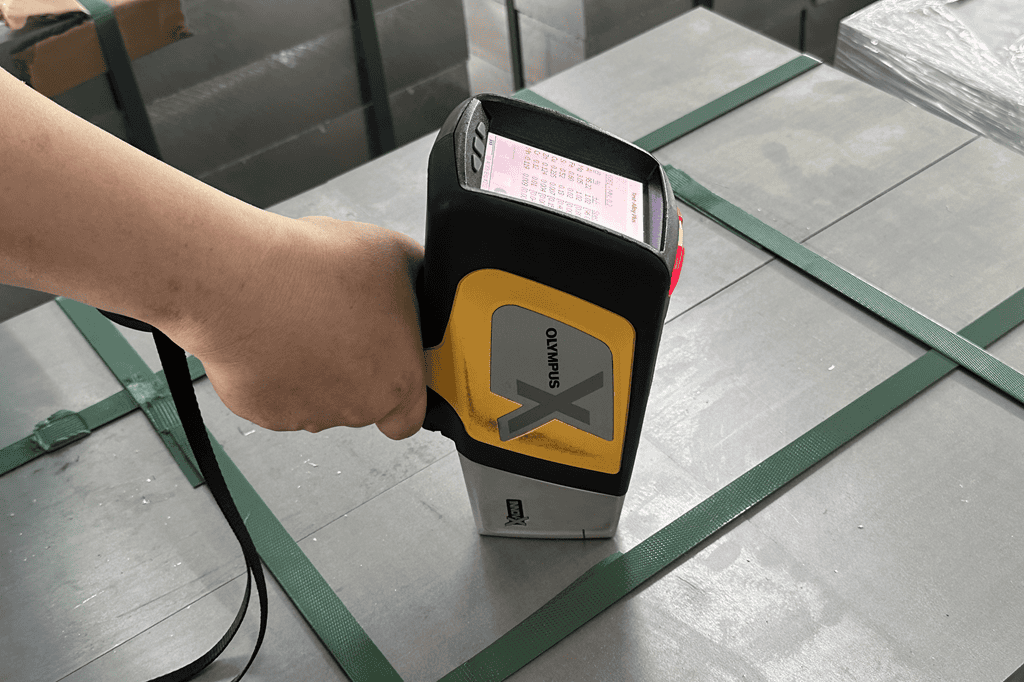
Material Identification and Property Testing
Material checks may include certificate review, alloy identification, hardness or third-party testing according to project requirements. Each method has limits. XRF, for example, may help distinguish many alloys but does not establish every material property, heat-treatment condition or compliance requirement.
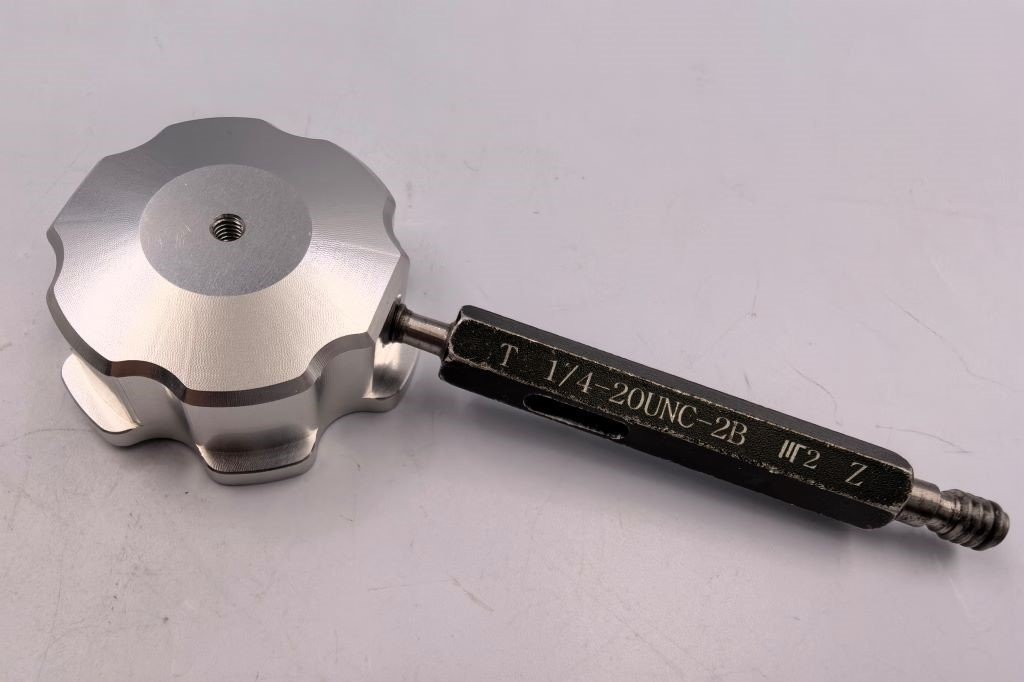
Go/No-Go Thread Gauges
Go/no-go gauges and thread gauges provide efficient attribute inspection of defined limits. The drawing must identify thread standard, class, depth and any coating condition. Gauge status and wear must be controlled.
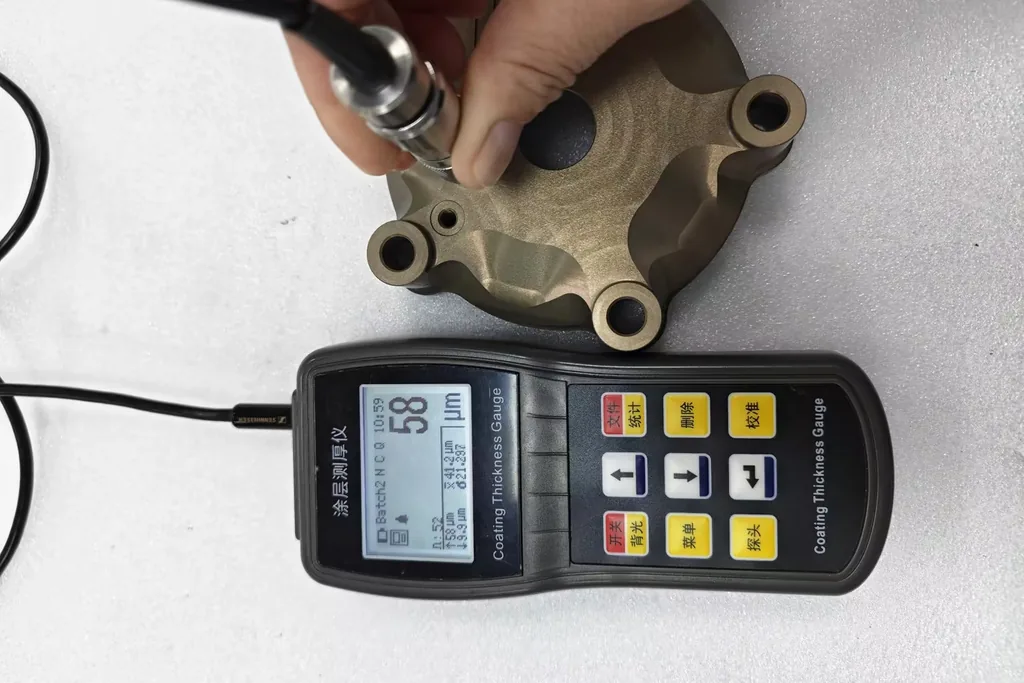
Coating, Color and Appearance Verification
Coating thickness, color, gloss and surface appearance require suitable instruments or approved reference standards. Measurement location, base material, texture, curvature and lighting can affect the result. The finish requirement should be coordinated through surface finishing services before production.
Choosing the Right Measurement Method
Measurement Traceability, Calibration and Uncertainty
Calibration status is necessary, but a calibrated instrument alone does not guarantee that a measurement result is suitable for a specific tolerance. The method, environment, fixture, operator, part condition and uncertainty all contribute.
The NIST guidance on metrological traceability explains that traceability is a property of a measurement result established through a documented unbroken chain of calibrations, each contributing to measurement uncertainty. It also notes that traceability alone does not guarantee fitness for purpose.
For manufacturing decisions, SAMSHION considers whether the selected equipment and method can provide useful evidence relative to the tolerance and risk. Where measurement uncertainty or decision rules are contractually important, customers should state the required standard and reporting expectations before production.
Calibration Records and Certificate Availability
SAMSHION maintains calibration records for applicable inspection and measurement equipment. Where external calibration is required, equipment is calibrated by qualified third-party service providers, and the corresponding certificates are retained as controlled quality records.
Current calibration status, equipment identification and certificate validity are reviewed before the equipment is used for product acceptance. Calibration alone does not determine whether a measurement method is suitable for a particular characteristic; resolution, measurement uncertainty, fixturing, environmental conditions and the required tolerance must also be considered.
Representative calibration certificates may be provided for customer review. Project-specific calibration records, inspection reports and measurement documentation are available upon request when included in the agreed quality requirements.
Quality Assurance FAQs
Does every order receive a CMM report?
No. The inspection method and report are selected around geometry, tolerance, risk and customer requirements. A CMM report can be provided when appropriate and included in the approved scope; simpler parts may be verified with other suitable instruments.
Is first-off inspection the same as a formal FAI?
No. First-off inspection is an operational check before the batch proceeds. A formal FAI uses an agreed structured format and characteristic coverage. State the required format and documentation before quotation.
Can SAMSHION provide material certificates?
Material documentation can be supplied according to the material, source and project scope. Specify the required certificate type, lot traceability and governing standard in the RFQ.
Do you inspect every dimension on every part?
Inspection coverage depends on the drawing, quantity, process risk, customer requirements and sampling plan. Critical characteristics may receive more frequent or complete checks, while stable noncritical features may be sampled.
How are cosmetic requirements inspected?
Cosmetic zones, color, gloss, texture, allowable marks and viewing conditions should be defined on the drawing or through an approved sample. Visual acceptance is then performed under the agreed conditions.
What happens if a part does not meet a requirement?
Affected material is identified and controlled. SAMSHION evaluates the scope and disposition, communicates when customer authorization is required, and implements corrective action appropriate to recurrence risk.
Can you follow ASME, ISO or customer-specific drawing standards?
Applicable standards can be followed when identified in the controlled requirements and supported by the project scope. Provide the standard revision and any customer-specific interpretations or forms before production.
How should I specify inspection requirements?
Identify critical characteristics, measurement or report standards, sampling, first-article expectations, material documents, special-process records and release approvals in the drawing or RFQ. If uncertain, contact the engineering team before placing the order.