
Medical Prototyping and Custom Parts Manufacturing
Develop custom metal and plastic components for medical equipment, diagnostic systems, laboratory instruments and healthcare product development. SAMSHION supports concept models, functional prototypes, pilot builds and approved low-volume production with process selection, DFM feedback and requirements-based inspection.
- CNC machining, injection molding, sheet metal fabrication, 3D printing and vacuum casting
- Support for concept, functional, pilot and repeat low-volume builds
- Material, finish and inspection requirements confirmed for each project
- ISO 9001:2015-certified quality management system
Manufacturing Support for Medical Product Development
Medical product development places unusual emphasis on requirement clarity. A component may need to fit an instrument assembly, resist repeated cleaning, maintain an intentional cosmetic surface, protect an optical or electronic subsystem, or remain traceable through design revisions. The correct manufacturing route depends on what the build is intended to prove and which requirements have already been verified by the product owner.
SAMSHION provides build-to-print manufacturing support for medical equipment companies, laboratory product developers and engineering teams. We manufacture parts according to the released CAD data, drawings, material specifications, finish requirements and acceptance criteria supplied for the project. We do not represent ourselves as the legal manufacturer of a finished medical device. Device classification, regulatory strategy, design controls, biological evaluation, sterilization validation, clinical use approval and final application suitability remain the responsibility of the customer and its authorized specialists.
For designs that are still changing, our rapid prototyping services help teams compare form, fit and function before committing to production tooling. When requirements and geometry are stable, low-volume manufacturing can support pilot assemblies, engineering builds and repeat orders using a process selected for the expected quantity and risk.
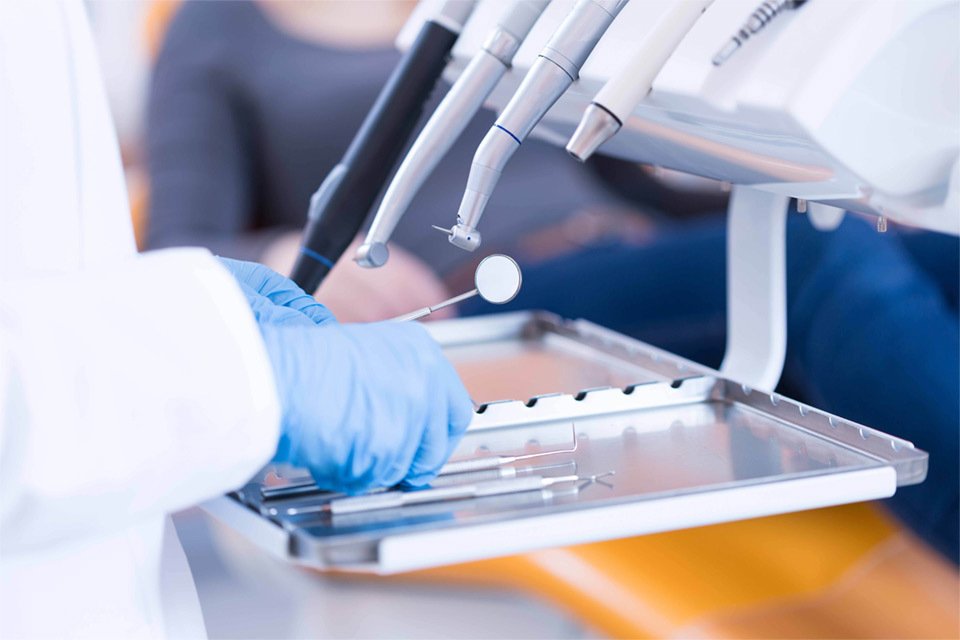
Match the Manufacturing Process to the Development Stage
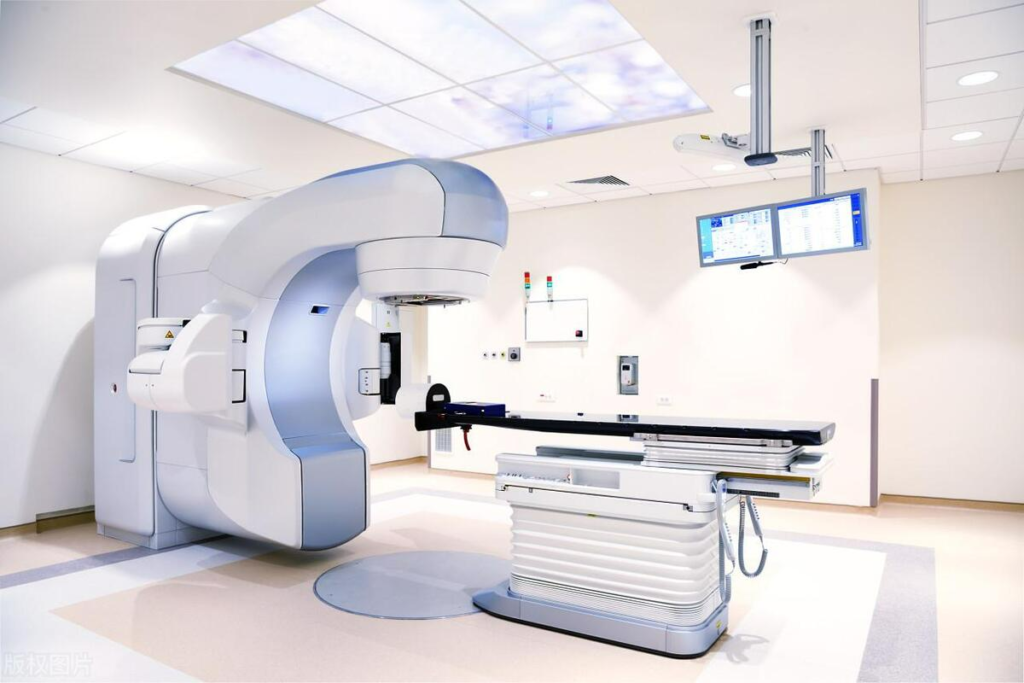
Concept and Ergonomic Models
Early models are used to evaluate envelope, grip, user interface, component placement and visual proportion. At this stage, speed and design flexibility can be more important than production-equivalent material. SLA, SLS, FDM and vacuum-cast models can help teams compare housings, handles, covers and assembly concepts without releasing hard tooling.
The intended evaluation should be stated clearly. A model built for appearance should not be treated as evidence of mechanical performance, chemical resistance or suitability for patient contact. When a concept must also support limited assembly or handling tests, the process and material should be chosen for those specific loads.
Functional Engineering Prototypes
Functional prototypes should reproduce the interfaces and material behavior that matter to the test. CNC machining is useful for metal and engineering-plastic components where stiffness, threads, sealing faces or controlled geometry are important. Sheet metal fabrication is appropriate for brackets, frames, panels and equipment enclosures. If molded behavior, weld lines, gate effects or the specified production resin must be evaluated, rapid tooling may be more representative than a machined plastic substitute.
Pilot and Pre-Production Builds
Pilot quantities allow the product team to verify assembly methods, inspection plans, packaging, labeling and supplier communication before repeat production. The released drawing should identify revision status, critical characteristics, cosmetic zones, material grade, finish, cleanliness expectations and required records. Requirements that affect tooling, fixtures or process validation should be resolved before those assets are finalized.
Repeat Low-Volume Production
Repeat production requires controlled inputs and a stable manufacturing route. Workholding, tooling, process parameters, inspection frequency, lot identification and engineering changes need to be managed consistently. SAMSHION reviews expected quantities and order patterns so the selected route can balance tooling investment, unit cost, technical risk and the documentation requested for the project.
Medical Product Manufacturing Capabilities
CNC Machining for Medical Equipment Components
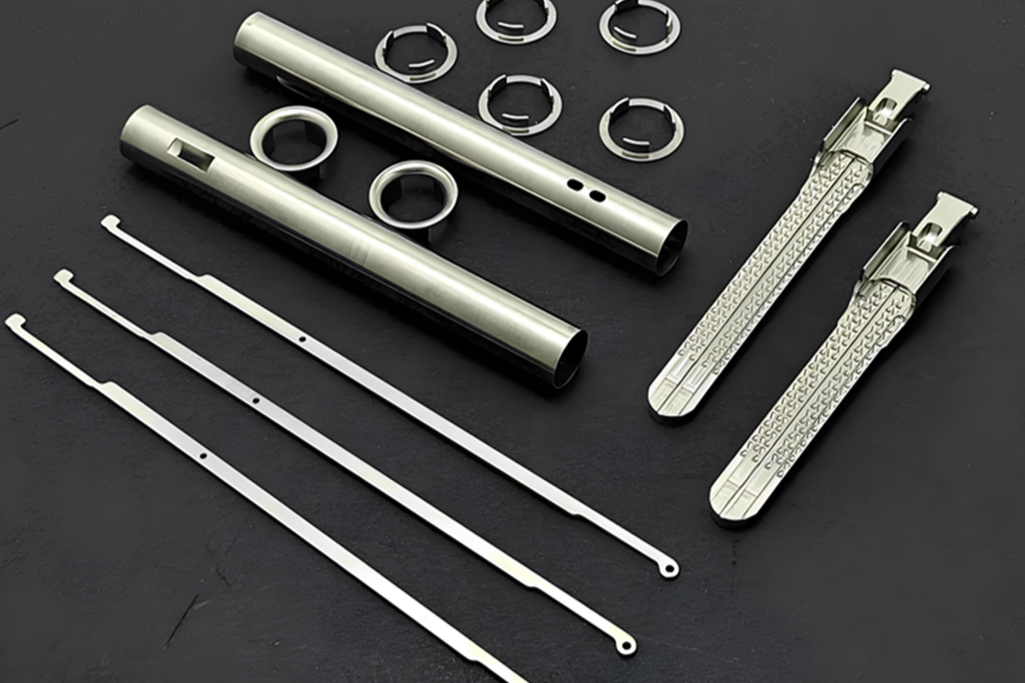
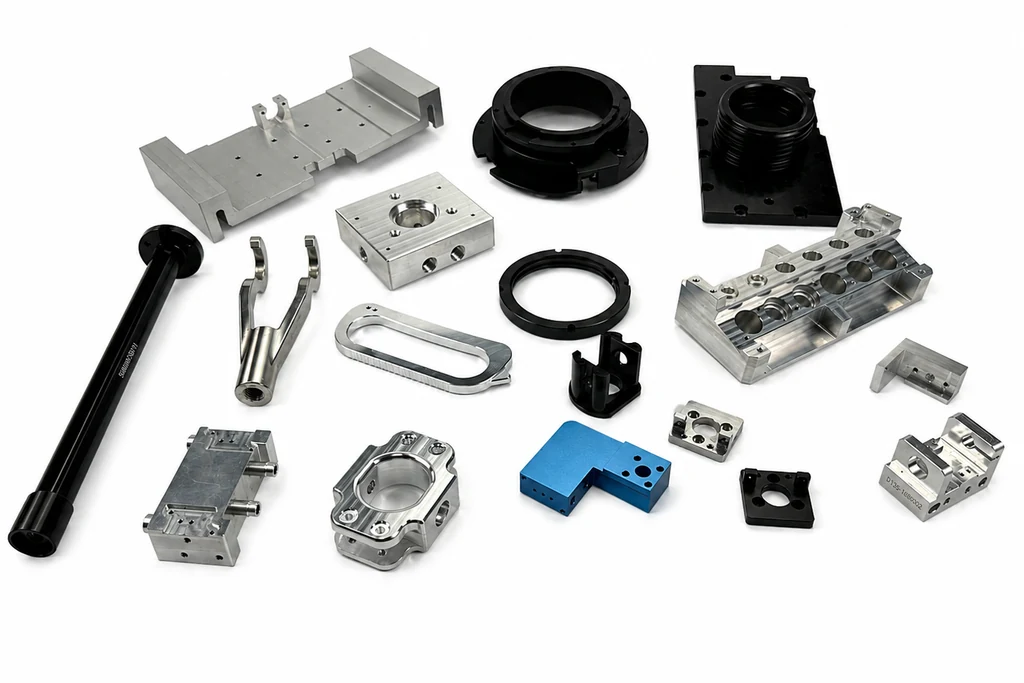
CNC machining services support instrument housings, fixtures, adapters, frames, optical mounts, pump and valve components, sensor supports and other precision metal or plastic parts. Milling can produce multi-sided features, pockets and controlled interfaces, while turning is efficient for shafts, bushings, sleeves, spacers and concentric flow components.
The DFM review considers datum structure, workholding, tool access, internal radii, wall stiffness, thread design and inspection access. Tight tolerances should be assigned to functional characteristics rather than applied globally. The achievable result is confirm
Injection Molding and Rapid Tooling
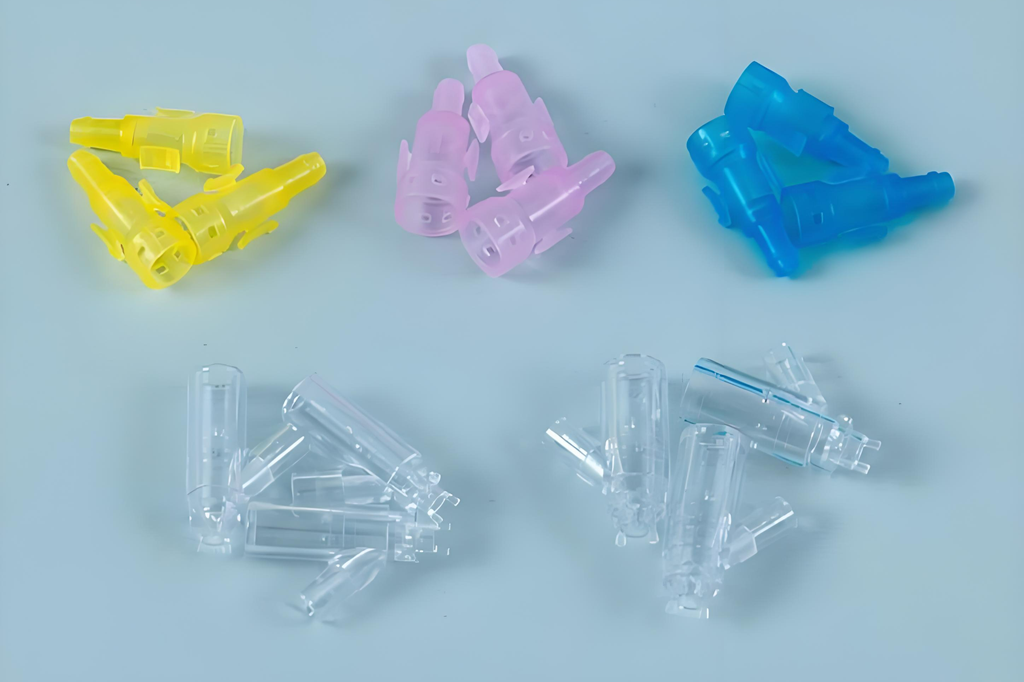
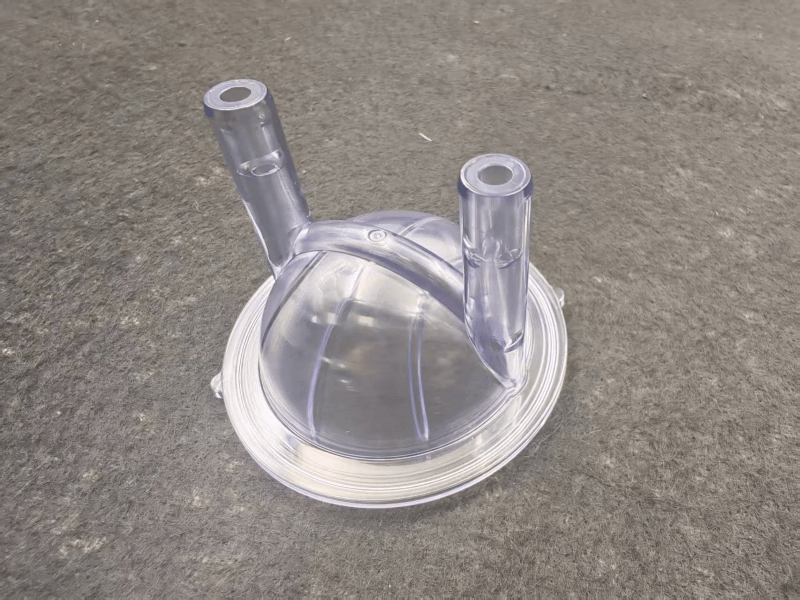
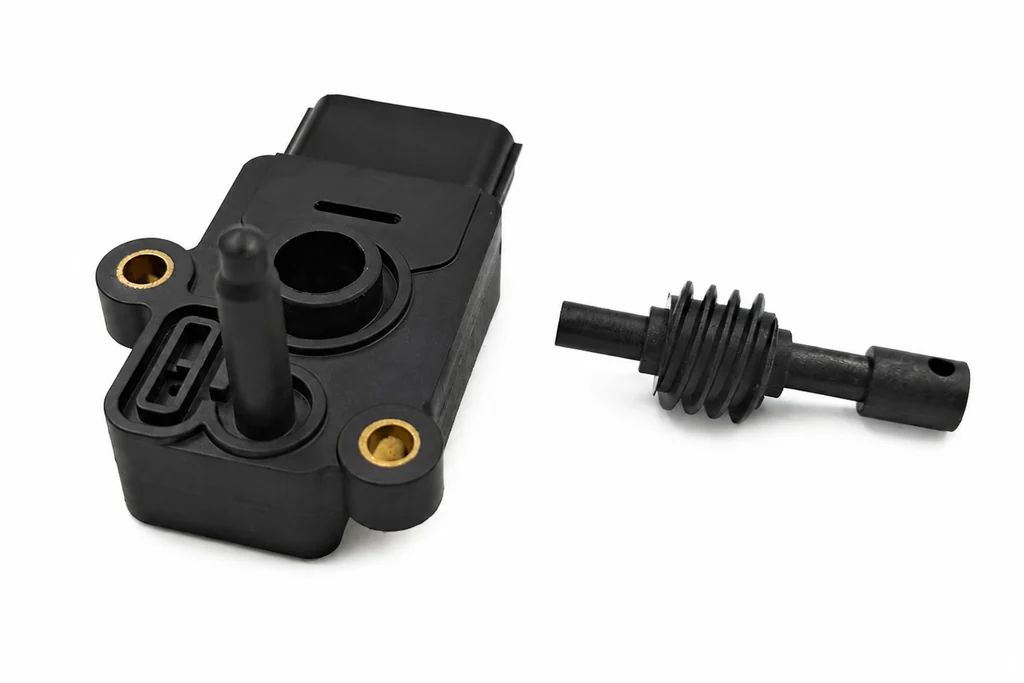
Plastic injection molding can produce repeatable housings, covers, clips, guides, knobs, instrument panels and other plastic components when the resin and design are appropriate for the application. Part design should account for wall uniformity, draft, ribs, bosses, gates, ejector locations, weld lines, inserts, texture and appearance zones.
Rapid tooling provides a route to evaluate parts made from the intended molding resin before a long-life production mold is justified. Tool material, cavity count, runner system, mold construction and maintenance plan should be selected from the expected quantity, resin, geometry and acceptance requirements. Any medical or biological property must be supported by the exact resin grade and the customer’s approved evaluation, not by the word “medical” alone.
Sheet Metal Fabrication for Equipment and Enclosures
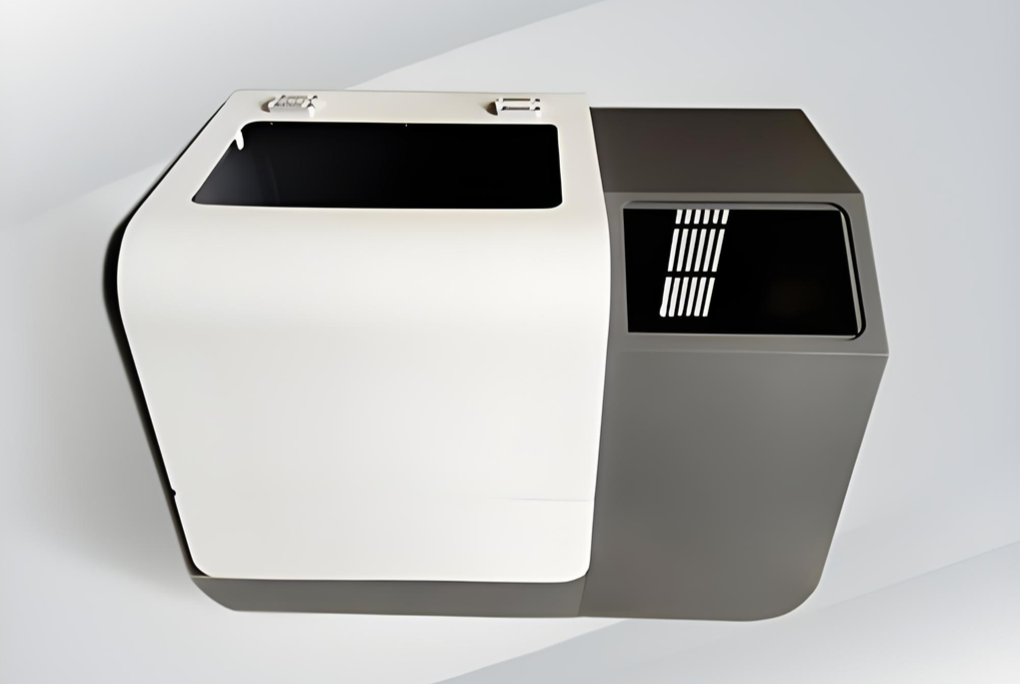
Sheet metal fabrication is suitable for diagnostic-equipment enclosures, instrument panels, mounting brackets, laboratory frames, trays and welded assemblies. Laser cutting, bending, hardware insertion, welding and finishing can be combined according to the released design.
Important inputs include material grade and thickness, grain or bend direction where relevant, inside bend radius, flange length, hardware access, weld location and the inspection condition of the assembly. For equipment that will be cleaned frequently, the design should also consider open seams, drainage, crevices and finish compatibility.
3D Printing and Vacuum Casting
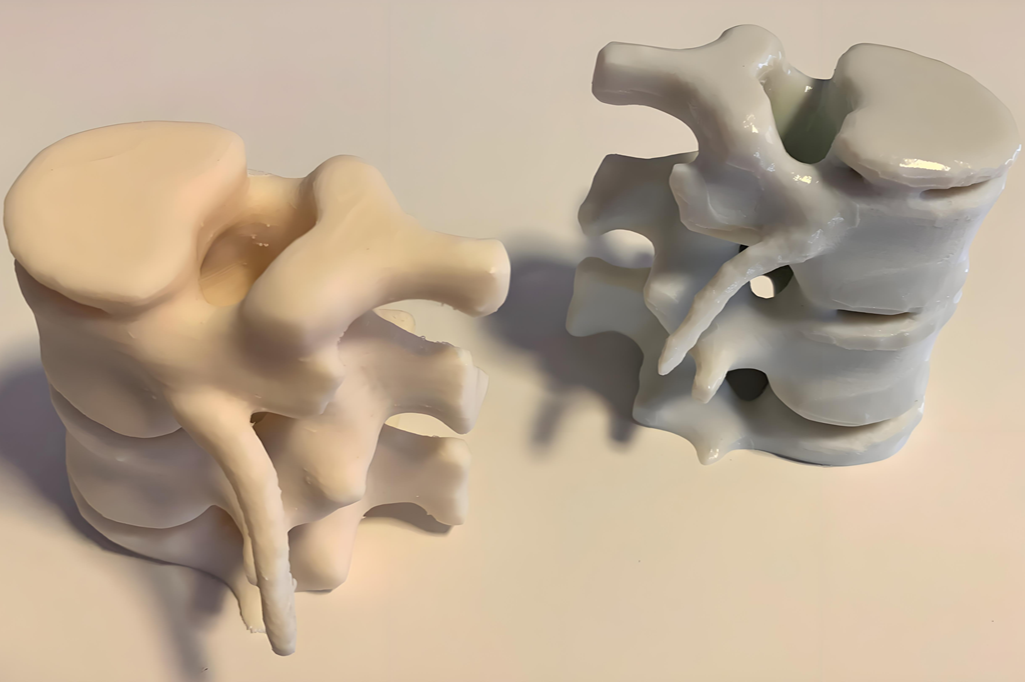
3D printing can accelerate housing concepts, ergonomic studies, cable guides, fluid-path mockups, test fixtures and complex prototype geometry. The printing technology and material should match the validation objective. Printed photopolymer, nylon and metal processes have different surface, dimensional and mechanical behavior, and no printed material should be described as biologically suitable without project-specific evidence.
Vacuum casting can reproduce a master pattern in polyurethane materials for appearance reviews, usability demonstrations and small groups of similar parts. It can simulate the look and feel of molded plastic, but cast polyurethane is not automatically equivalent to a named production thermoplastic. Functional conclusions should consider the supplier data, master pattern, silicone mold and expected variation.
Why Choose SAMSHION for Medical Product Development Parts?
Multiple Processes Through One Engineering Contact
Projects can combine CNC machining, molding, sheet metal, additive manufacturing and finishing without forcing the customer to coordinate unrelated suppliers for every iteration. The selected route is based on geometry, material, quantity and validation objective.
DFM Before Production
Engineering review can identify inaccessible features, weak walls, ambiguous tolerances, molding risks, finish conflicts and inspection limitations before manufacturing begins. Recommendations are documented for customer approval rather than applied as unapproved design changes.
Requirements-Based Inspection
Inspection scope is tied to the drawing and purchase requirements. Reports and records are confirmed during quotation so that expectations are clear before production.
Support from Prototype to Repeat Orders
The same manufacturing team can support design iterations, pilot quantities and approved low-volume builds. Revision control and repeat-order requirements are reviewed as the program matures.
Representative Medical and Laboratory Component Categories
The examples below describe manufacturing geometry and development use. They do not imply that a component is approved for patient contact, implantation, sterile use or a regulated clinical application.
Diagnostic and Laboratory Equipment Housings
Machined, molded or fabricated housings can protect optics, sensors, electronics and fluid-control assemblies in diagnostic and laboratory equipment. Design review should address interface alignment, heat paths, ingress protection, cable routing, access for service and the appearance of user-facing surfaces.
Instrument Frames, Brackets and Mounts
Frames and brackets support displays, pumps, optical modules, sample-handling mechanisms and motion assemblies. Functional datums, fastener access and load paths should be defined on the drawing. If structural safety depends on the part, the customer should also specify the applicable calculation, test and acceptance plan.
Fluid and Sample-Handling Hardware
Manifolds, holders, adapters and flow-related components may require controlled ports, threads, sealing faces and internal passages. The customer should define media compatibility, pressure, leak-test method, cleanliness and particle requirements. SAMSHION confirms the manufacturing and inspection scope before production; it does not infer clinical suitability from geometry alone.
Fixtures, Test Aids and Assembly Tools
Jigs, nests, checking fixtures, alignment tools and test adapters can improve repeatability during development and production. They should use stable datums, accessible clamping points and replaceable wear elements where practical. A manufacturing aid is not automatically a calibrated acceptance instrument unless it has been qualified for that purpose.
Materials for Medical Equipment Prototypes and Parts
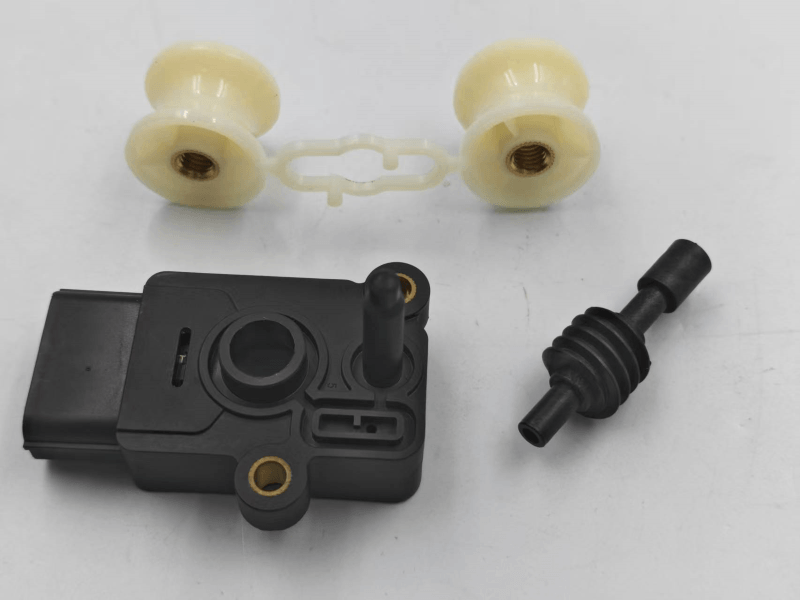
Material selection should begin with function, manufacturing process and the customer’s approved specification. Aluminum alloys are frequently used for equipment frames, housings and fixtures because they are machinable and lightweight. Stainless steels offer corrosion resistance and strength for suitable instrument and equipment components. Titanium may be considered when its strength-to-weight ratio and corrosion behavior are relevant, but use in a medical application requires project-specific grade control and validation.
Engineering plastics provide options for insulation, wear resistance, dimensional stability, transparency or molded complexity. Common development materials can include POM, PC, ABS, acrylic, nylon, PEEK and project-specific molding resins. The exact grade matters because additives, reinforcement, colorant, processing history and supplier documentation can change performance.
Our manufacturing materials guide provides process-oriented material context. For any regulated, patient-contact, sterilized or chemically exposed application, the customer must specify the exact grade and required evidence. Material certificates or supplier declarations document identity or stated properties; they do not by themselves approve a finished component for clinical use.
Surface Finishes, Cleanability and Appearance
Finishing can provide appearance, corrosion protection, wear resistance, electrical behavior or preparation for bonding and assembly. Depending on the substrate and project, options may include anodizing, passivation, electropolishing, bead blasting, polishing, painting, powder coating, plating, laser marking, pad printing and molded-in texture.
The finish specification should identify substrate, finish standard or approved sample, protected areas, threads, sealing faces, electrical contacts, appearance zones and the inspection method. Coating thickness can change fits and thread engagement. Texture and gloss can affect user perception as well as the visibility of flow lines, weld lines and ejector marks on molded components.
Cleanability is a system-level design issue. Smooth transitions, accessible surfaces, drainage and the control of gaps or crevices may be as important as the named finish. SAMSHION can manufacture and inspect the specified geometry and coordinate suitable finishing through its surface finishing services, while cleaning-process qualification and sterilization validation remain project responsibilities.
Design Guidelines for Medical Equipment Components
Define the Intended Evaluation
State whether the build is intended to evaluate appearance, ergonomics, assembly, mechanical performance, fluid behavior, cleaning, process capability or another defined objective. This determines which material and production route can provide useful evidence.
Identify Functional Datums and Critical Characteristics
Use a clear datum scheme and apply tolerances to characteristics that control assembly or function. Optical axes, sealing faces, bearing seats, port locations, hole patterns and mating interfaces often require more attention than nonfunctional surfaces. The drawing should also state the required inspection condition when a thin, flexible or assembled part can change shape.
Design for Cleaning and Service Access
For equipment that is cleaned repeatedly, consider internal corners, joints, overlapping seams, recessed fasteners and areas where liquid or debris may collect. Define the cleaning agents, temperature and exposure expected by the product owner so material and finish compatibility can be reviewed.
Manage Threads, Inserts and Joining Features
Thread type, engagement, insert method and torque assumptions should match material and expected service. Molded bosses need adequate wall support and draft. Sheet metal hardware needs edge distance and tool access. Bonded and welded joints require a defined preparation and acceptance standard.
Control Molded Appearance at Tool Release
For visible molded parts, identify the cosmetic side, texture, gloss, color reference and allowable witness marks before the mold is built. Gate and ejector locations should be reviewed together with wall thickness, ribs, bosses and weld lines. Changes after tooling can be more expensive than changes made during DFM.
Separate Material Identity from Application Approval
A resin or metal can have supplier data associated with a medical or biological standard, but that does not automatically validate a finished part. Manufacturing route, additives, cleaning, surface condition, assembly and use environment all influence the final evaluation. The customer’s regulatory and quality teams should define the required evidence before ordering.
Quality Control and Project Documentation
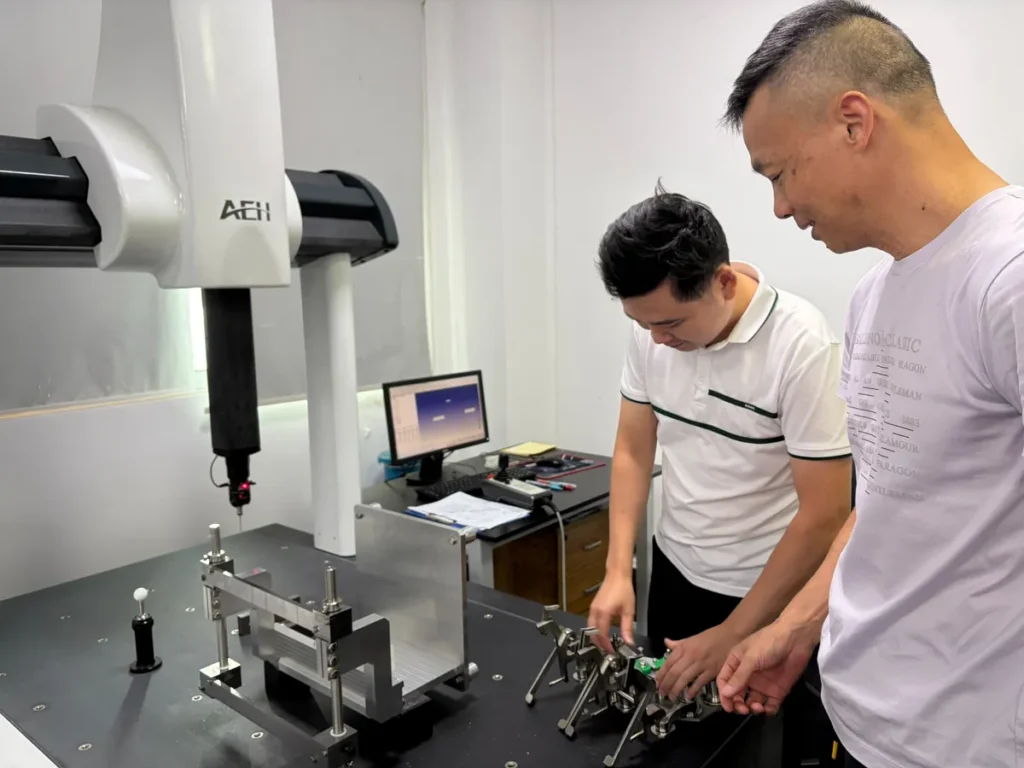
SAMSHION operates an ISO 9001:2015-certified quality management system. Quality planning begins with the released drawing and confirmed purchase requirements. Depending on the project, the agreed inspection scope may include incoming material review, in-process checks, final dimensional inspection, visual inspection, functional gauges, measurement reports, material records or other specified documentation.
Inspection should focus on characteristics that affect fit, function and acceptance. The drawing should identify critical features, datums, sampling requirements and any required report format. When measurement uncertainty, fixture condition or part flexibility can influence the result, these factors should be discussed before production.
Medical-device design controls, risk management files, process validation, sterilization validation, biological evaluation, clinical evaluation and regulatory submissions are outside a general build-to-print manufacturing scope unless they are explicitly contracted and supported by qualified parties. SAMSHION supplies manufacturing evidence agreed for the component; the legal manufacturer remains responsible for the finished device record and release decision.
Medical Manufacturing FAQ
Does SAMSHION manufacture finished medical devices?
SAMSHION is a custom component and build-to-print manufacturing supplier. We support medical equipment and healthcare product development, but we do not claim to be the legal manufacturer of a finished medical device. The customer controls device classification, regulatory approval, validation and market release.
Is SAMSHION ISO 13485 certified?
Do not assume ISO 13485 certification. SAMSHION’s publicly stated management-system certification is ISO 9001:2015. If a project requires ISO 13485 certification or another regulated supplier status, state that requirement before quotation so eligibility can be confirmed.
Can you provide FDA-approved parts?
FDA generally regulates finished devices, establishments and specific submissions rather than approving a generic machined or molded component. SAMSHION can manufacture parts to customer specifications and provide the records agreed for the project, but the product owner is responsible for FDA strategy and device approval.
Can you supply biocompatible or implantable components?
The exact material grade and supporting supplier documents can be reviewed when requested. However, material documentation alone does not establish biological safety or implant suitability for a finished component. The customer must define and approve the required biological evaluation, processing controls and application validation.
Do you manufacture in a cleanroom?
Cleanroom manufacturing must not be assumed. If controlled-environment production, specific particle limits or certified packaging conditions are required, include them in the inquiry so SAMSHION can confirm whether the project can be supported directly or through an approved specialist.
Can SAMSHION sterilize and provide sterile packaging?
Sterilization and sterile-barrier validation are not standard assumptions. SAMSHION can review geometry, material and finish requirements related to the customer’s chosen process, but sterilization cycle development, validation and sterile release should be handled by qualified providers under the customer’s approved plan.
What file information should we provide?
Provide a STEP or other suitable 3D model plus a controlled 2D drawing for critical dimensions, datums, material, finish, revision and documentation. Also state quantity, intended evaluation, appearance zones and any regulatory or cleanliness requirements that affect manufacturing.
What materials can be used for prototypes?
Options include aluminum, stainless steel, titanium, engineering plastics, molding resins, printed polymers and cast polyurethane systems. The final choice depends on process, geometry and validation objective. Application-specific material approval remains the customer’s responsibility.
Can one project combine several manufacturing processes?
Yes. An equipment assembly may combine machined inserts, molded covers, formed brackets, printed fixtures and finished surfaces. SAMSHION can coordinate a multi-process quotation when each component’s material, revision and acceptance requirements are supplied.
What quality records can be provided?
The available documentation depends on the project and must be agreed during quotation. It may include dimensional inspection results, material records, visual inspection, process or finish certificates from applicable suppliers, and other specified records. Do not assume a complete medical device history record unless that scope has been explicitly contracted.